Government declares end to Ebola outbreak in DR Congo
Since 1976, 16 outbreaks of Ebola have been recorded in the country
KINSHASA, 1 December 2025 – The Government of the Democratic Republic of the Congo today announced the end of the sixteenth Ebola outbreak.
The outbreak was declared by health authorities on 4 September 2025 in Bulape in Kasai province. There were 53 confirmed cases and 34 deaths. Of these, there were 14 cases among children and 12 deaths.
UNICEF worked alongside the government throughout the response to reinforce infection prevention and control measures, improve access to clean water and adequate hygiene and sanitation services, strengthen community engagement, and provide psychosocial support to children and families affected by the epidemic. UNICEF also provided support for the coordination of the local Incident Management System (IMS).
“I commend the government and all partners for the strong and coordinated response that helped bring this outbreak under control,” said UNICEF DRC Representative John Agbor.
Throughout the response, UNICEF worked in particularly close collaboration with the International Organization for Migration (IOM), Médecins Sans Frontières (MSF), the World Health Organization, the World Food Programme (WFP), Africa CDC and ALIMA, an international medical NGO.
The introduction of an Ebola vaccine has transformed the response to outbreaks, sharply reducing fatality rates and effectively curbing transmission. UNICEF transported 47,580 doses, enabling 47,577 people to be vaccinated and helped ensure the integrity of the cold chain.
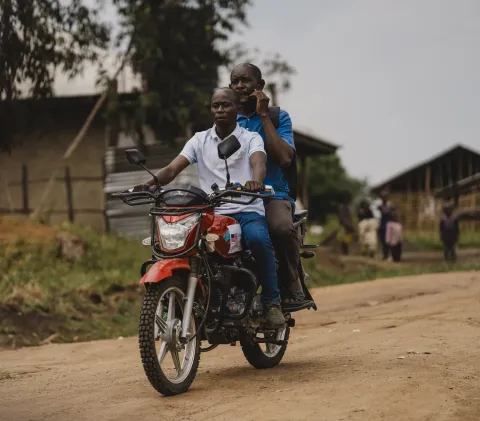
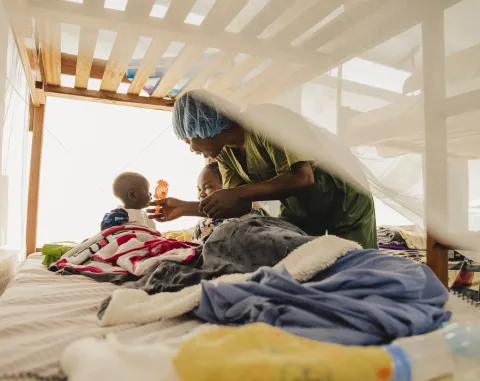
UNICEF also provided nutritional support to 350 people and treated 650 individuals suffering from malnutrition. Community engagement teams reached nearly 1.2 million people with information on how to stay safe from the virus and what to do if symptoms appear.
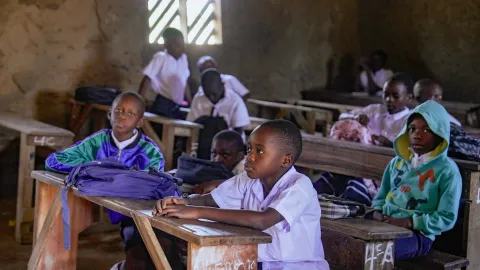
UNICEF provided care for 21 children who were separated from their parents during the outbreak and successfully reunited 17 of them with their families. Sixty community social workers were trained, and six psychologists were deployed to the most affected zones, enabling 1,357 people to receive individual psychosocial support and 43,195 people to participate in group sessions.
UNICEF ensured the full decontamination of 53 homes and nine health facilities within 48 hours of a confirmed case. In addition, 14 health centres and 31 schools received water and hygiene kits to help prevent further spread of the virus. UNICEF also provided essential medicines to health facilities ensure continuity of care.
UNICEF would like to thank the Foreign, Commonwealth and Development Office (FCDO), the US State Department, the Directorate-General for European Civil Protection and Civil Aid Operations (ECHO), the Centers for Disease Control and Prevention (CDC), the Central Emergency and Response Fund (CERF), and all our flexible and core contributors for their partnership and financial support for the response.