After reports of ‘mystery illness’ in DR Congo, UNICEF responds to health needs in the southwest where respiratory illnesses combined with malaria have caused spike in child deaths
High rates of malnutrition in affected health zone have also contributed to children’s vulnerability
- Français
- English
KINSHASA/PANZI, 22 January 2025 – UNICEF is supporting the government’s response to a spike in illness and deaths – mainly affecting children under 5 years old – in Panzi, a remote area in Kwango province in the southwest of DR Congo.
Local authorities raised an alert on 28 November 2024 about a sharp increase in deaths following an illness characterized by fever, respiratory distress and general fatigue. Initially undiagnosed, subsequent investigations showed the illness was malaria combined with flu and COVID-19 and complicated by high rates of malnutrition in the context of a weak health system.
As part of the national response, UNICEF is providing medical and nutrition supplies, supporting the provision of free care to patients, assisting the population to better understand the situation, and strengthening local capacity to identify people who are unwell.
“UNICEF is working to stabilize the situation by providing supplies to treat malnutrition and improve immediate medical care,” said Jean Francois Basse, acting Representative for UNICEF. “Over the next six months we’ll be working with the government to strengthen the health system and improve the capacity of health workers, improve services for children, increase vaccination coverage and make sure the community is better informed about how to protect themselves from disease and illness.”
After the investigation team noted that those who had died were suffering from malnutrition, a rapid nutrition survey was carried out. The results showed that general acute malnutrition stood at a rate of 18 per cent, above the emergency threshold of 15 per cent; and severe acute malnutrition stood at 6 per cent, three times higher than the emergency threshold of 2 per cent.
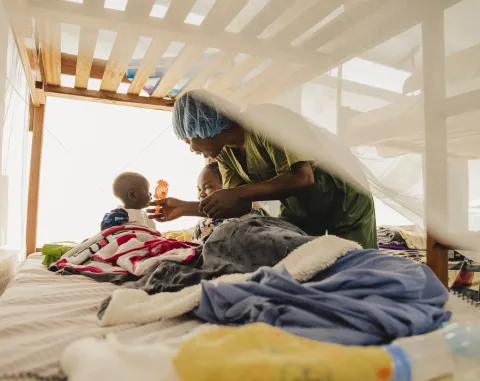
To address these elevated malnutrition rates, UNICEF has so far transported 20 tonnes of medical and nutrition supplies, and erected an emergency tent to accommodate extra beds for patients. A number of medical kits will be sent to the most remote and hard-to-reach health posts. UNICEF has also supplied 170 tonnes of therapeutic food, medicines and equipment.