

Foster families, an alternative to transform lives
UNICEF supports homes for children without parental care in Cuba by strengthening the capacities of its workers and acquiring logistical resources to improve the lives of children and adolescents living in these centres.
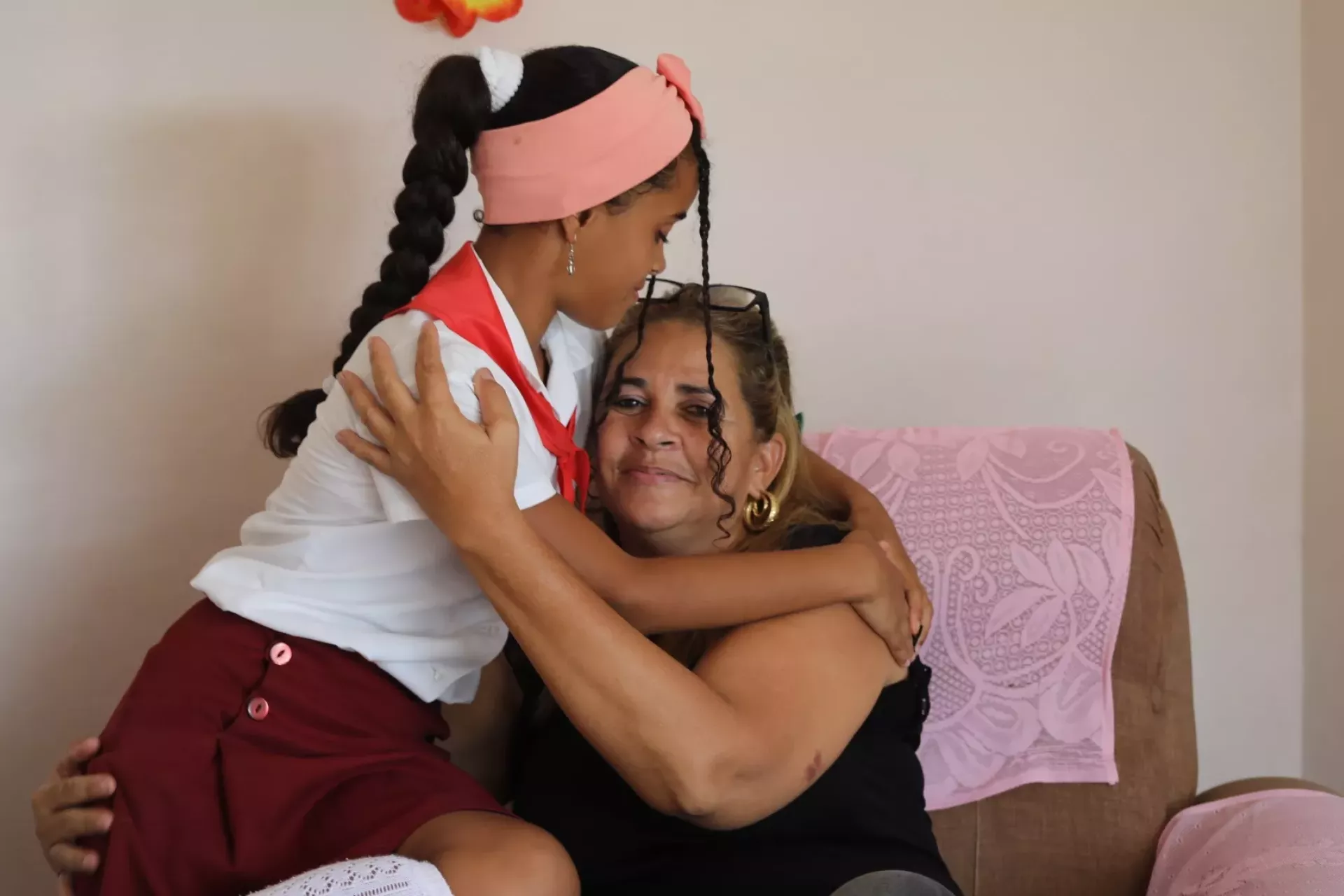
- Español
- English
In a downtown area of Bayamo, a city rich in history and culture in Granma province, there is the Home for Children without Parental Care. For over a year, Tamara Núñez Pupo has been responsible for running the centre, which is currently home to six girls and two boys.
Tamara describes her work with passion and commitment: “This job requires a lot of sacrifice, love and dedication to the children, to understand them, to get to know them, to see their interests, motivations and needs. It takes a lot of time, study and preparation and a lot out of my personal life. Notwithstanding, my family is wonderful and supports me in everything I do,” admits Tamara, who has been married for more than three decades and whose children are already working in the profession they studied.
Her preparation and education, complemented by the training offered by the Ministry of Education, with the support of UNICEF Cuba, have given her the necessary tools to face daily challenges and always put child’s best interests first.
This continuous effort is rewarded with moments of tenderness and trust, namely when children in the home call her “mummy.” “It's a lovely thing to hear. I know they count on me and it’s a vote of confidence they give me,” she says with a smile on her face. “They often call me on the phone and say, ‘Mommy, we miss you, we send you 20 kisses,’ and that's very special to me,’’ she adds with emotion.
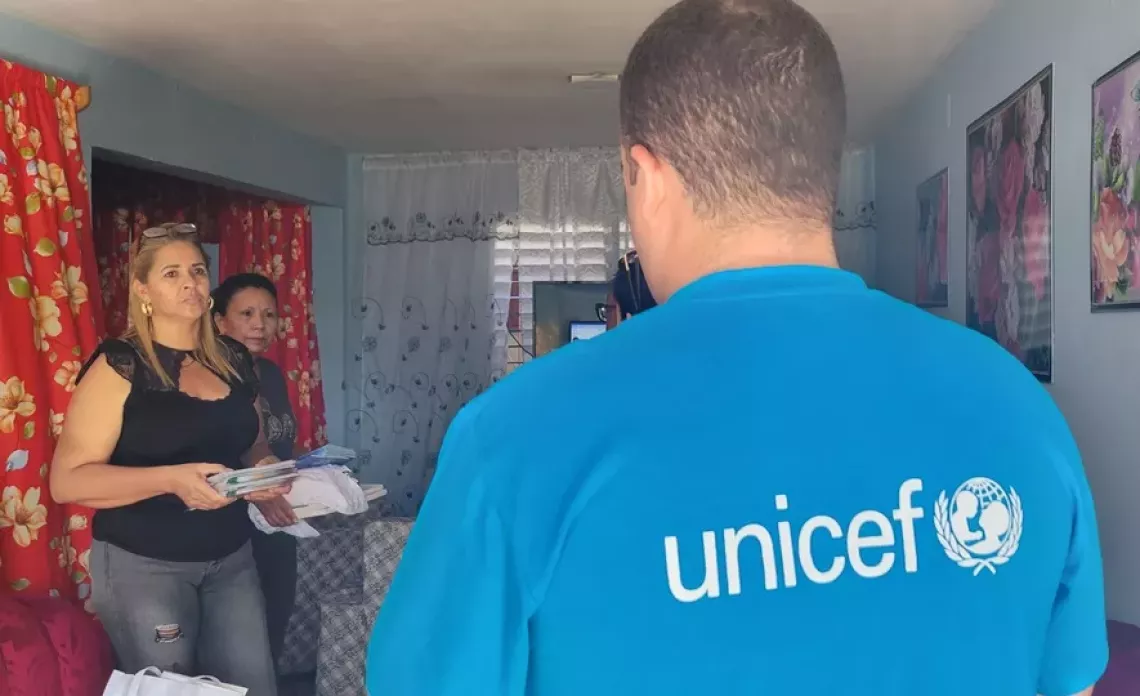
Sandro’s case: a victory of solidarity
One of the most emotional moments in Tamara’s life was brought on by Sandro, a 12-year-old boy facing adverse family circumstances. His mother is serving a 20-year prison sentence and his father, who has a psycho-social disorder, is unable to take care of him. Faced with this complex scenario, Sandro arrived at the Bayamo home and stayed there for seven months.
At that time, his maternal grandmother initiated the process to become his foster family, but faced opposition from the father. Because of this, a judicial process was carried out to grant the foster family.
“Oh, madam, I find this so difficult,” the grandmother confessed on one occasion. Tamara, as determined as usual, replied: “Why? We are going to win. You have the qualifications required to be the foster family.” And so it was. The court ruled in favour of the grandmother and allowed her to become Sandro’s long-term foster family.
Tamara recalls the day the ruling was delivered with joy: “It was amazing for me. I was smiling to myself while walking down the street. When I got home, I told my husband: We won the case”! At present, Sandro lives in Havana with his grandmother, who was assisted by the Hogar's social worker to find a job in the capital. He goes to school and receives psychological counselling to help in his adaptation process.
Sandro and his grandmother regularly contact Tamara by phone. In addition, “the grandmother has to render account to social workers who monitor the case to report on what is happening with the child. Not only on the basis of the grandmother’s statement, but also on the basis of Sandro’s criteria,” explained Tamara.
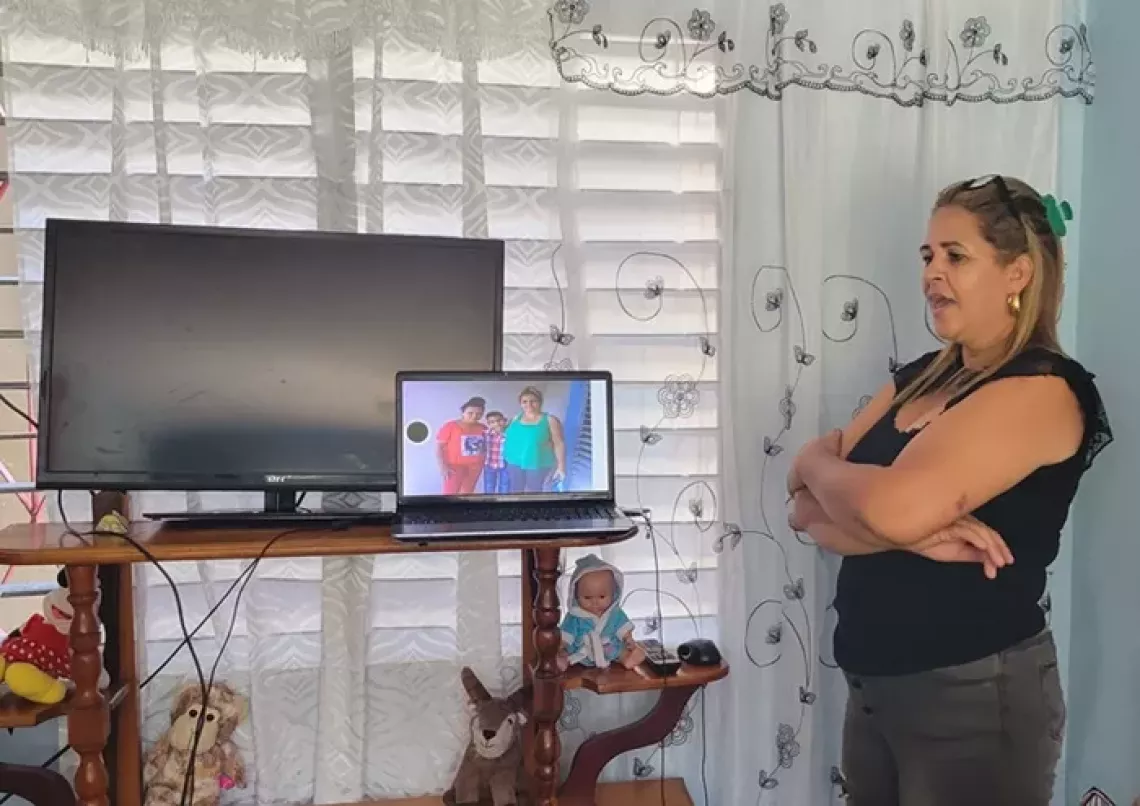
Foster care in the Family Code of Cuba
Foster care is regulated in the Cuban Family Code, which aims to provide a family environment for children and adolescents who cannot live with their families of origin. This transitory measure seeks the child’s best interest by promoting their reintegration into their family of origin.
The Code emphasises that foster care is an alternative to institutionalisation and highlights the importance of living in a family environment that provides well-being, love and understanding. Furthermore, this legal figure is supervised by the General Attorney’s Office and the Court to ensure compliance with the rights and guarantees of the child.
Tamara firmly believes in extending the experience of foster families to other homes. “We have the means to accomplish this and a reference to guide ourselves to do our work with all the requirements,” she assures.
The story of Sandro and his grandmother is an inspiring example of how foster care can transform lives by offering a new opportunity to those who need it the most.


