“When you get to know the differences, acceptance becomes natural.”
The MultiKulti Fest is part of the activities being carried out in five schools within the "Supporting protection and integration of children and families in migration in Croatia" programme
- Hrvatski
- English
Schools are not just places for learning, they are communities where everyone has the right to belong, regardless of where they come from or which language they speak. This is at the heart of the activities UNICEF is implementing in five schools across Croatia, as part of the “Supporting protection and integration of children and families in migration in Croatia" programme, funded by the Swiss Government.
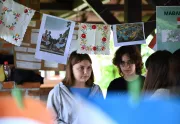
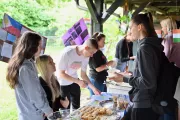
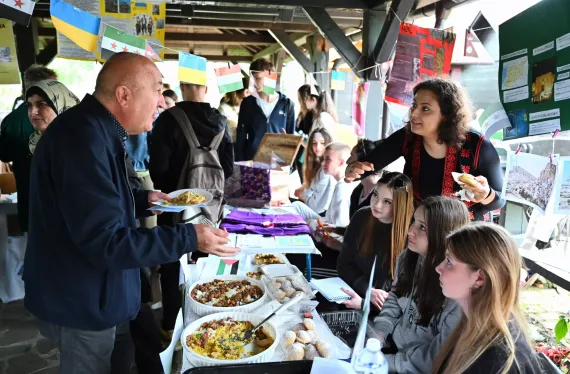
The Agronomy School Zagreb, one of the participating schools, recently hosted a vibrant MultiKulti Fest, where students, teachers, and visitors celebrated what connects them: humanity, curiosity, and openness to others. MultiKulti Fest was organized by school's Team for Inclusion, whose members are teachers Katarina Brezovac and Anita Hmura and psychologist Katarina Knežević.
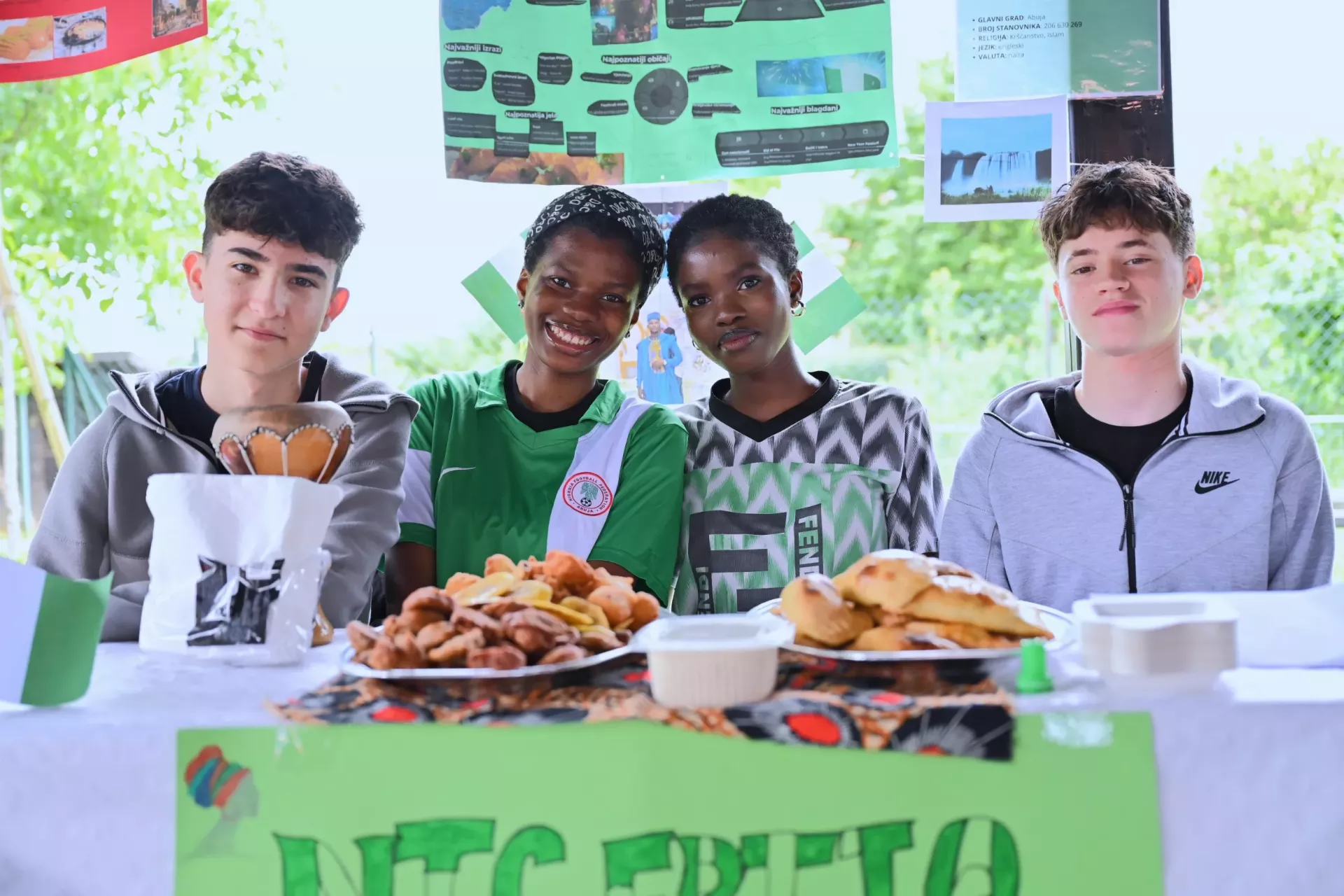
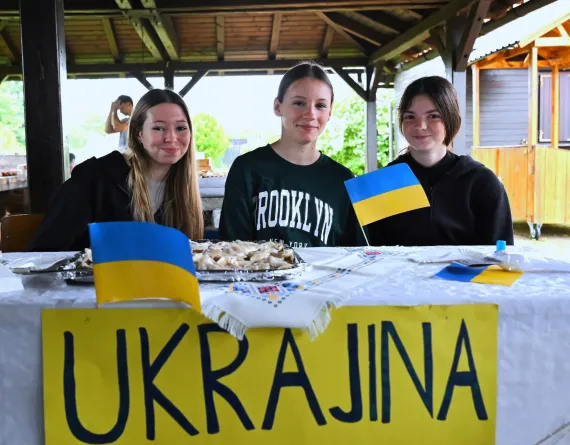
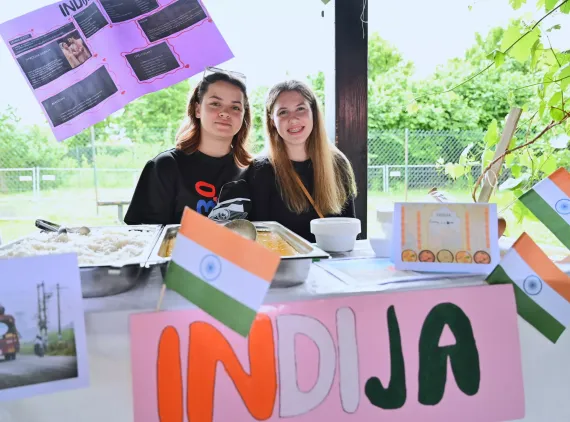
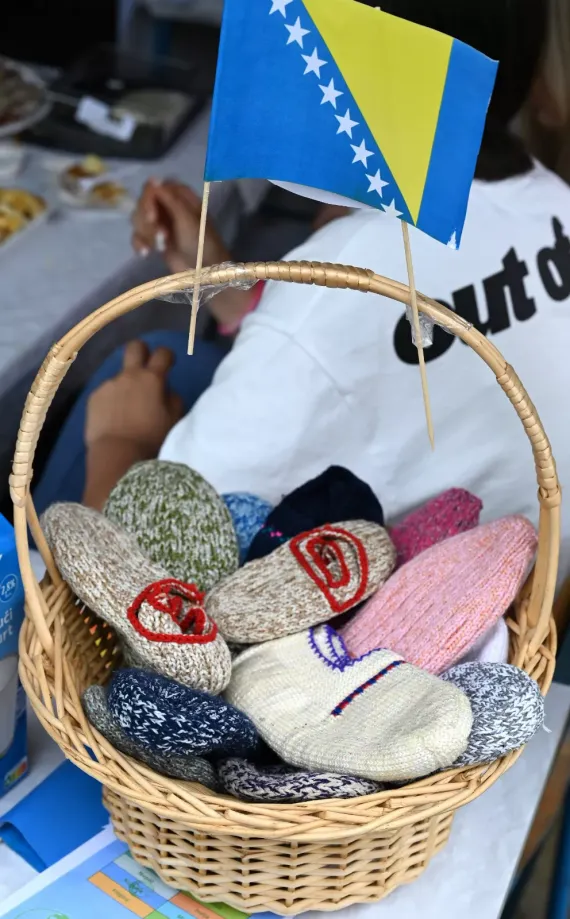
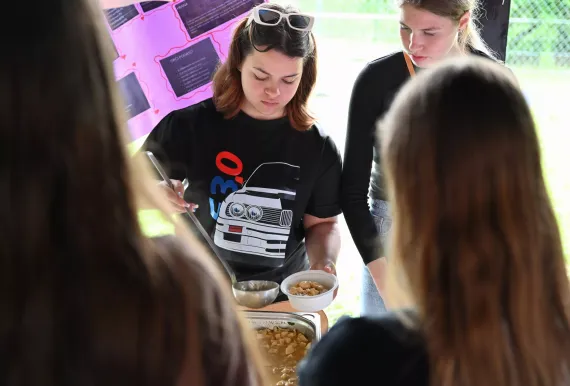
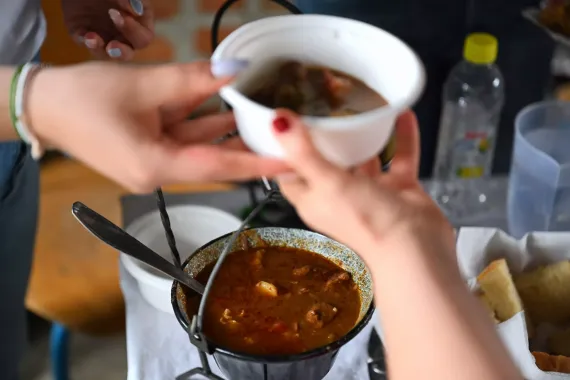
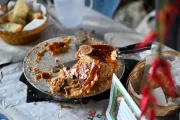
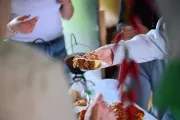
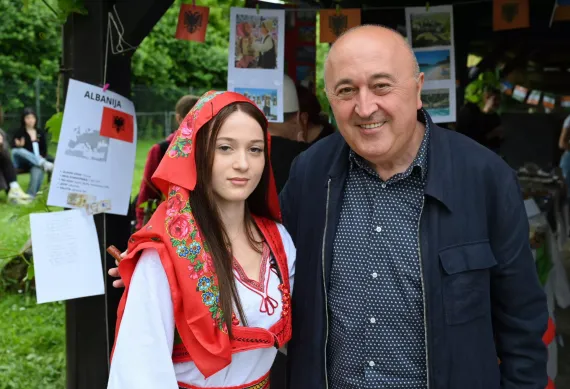
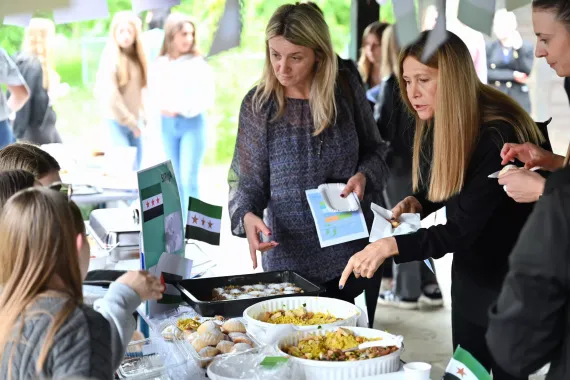
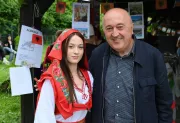
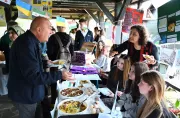
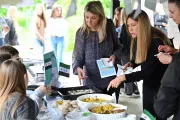
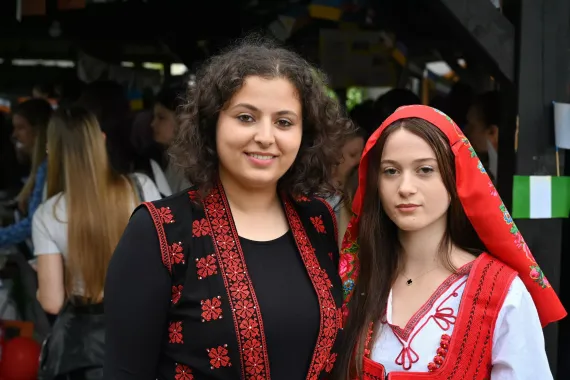
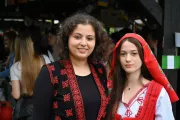
At the MultiKulti Fest students presented the cultures and flavors of the Philippines, Nigeria, Ukraine, Bosnia and Herzegovina, Albania, Syria, India, Nepal, the Czech Republic, and Hungary. The agrotourism educational ground was transformed into a lively marketplace of scents, colors, and stories.
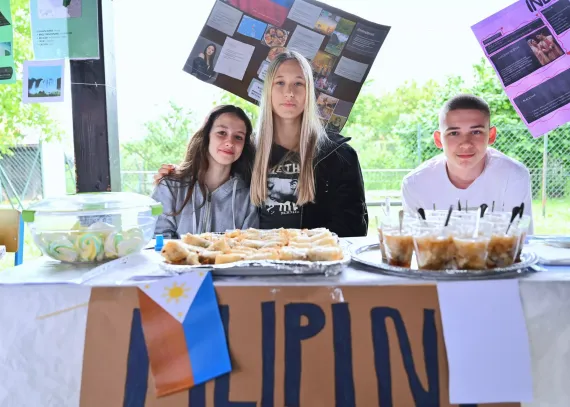
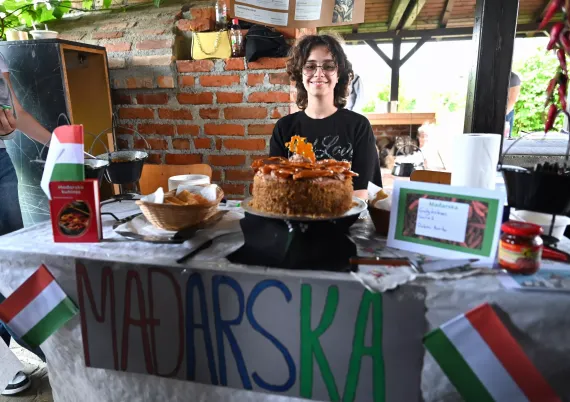
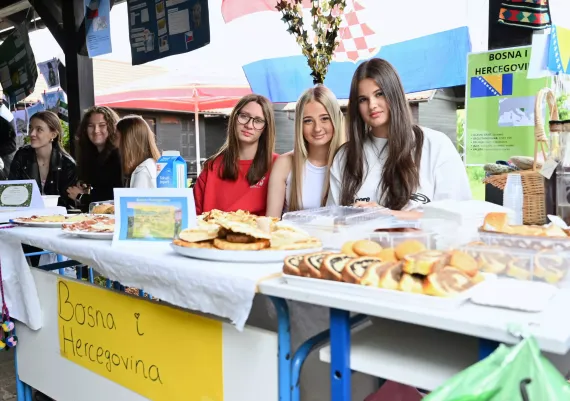
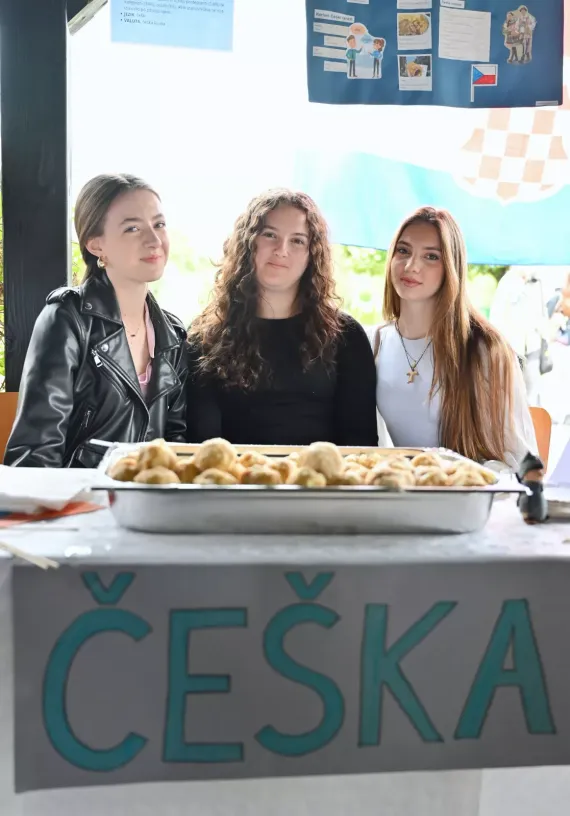
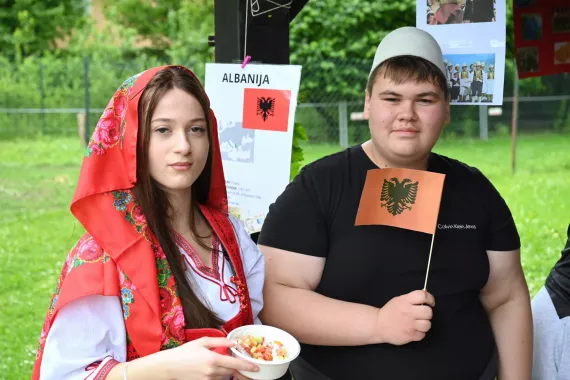
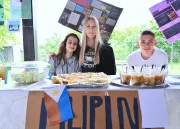
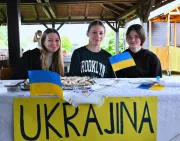
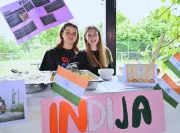
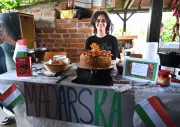
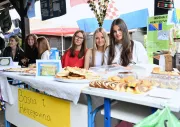
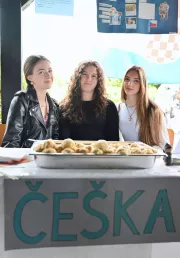
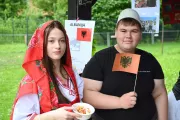
“I represented the Philippines and made meringues. It’s wonderful to learn about other cultures, and events like this help us realize that, despite our differences, we are all essentially the same,” said student Marlena, while her friend Petar added, “We all have the same wishes, and no one is less important. Food brings us together and shows just how similar we are.”
Dolores agreed and reminded everyone: “If we want to be accepted in other countries, then we must do the same here. I want to encourage people to accept others just as they are.” Naomi, a student who came to Croatia from Nigeria, shared: “It was important for me to participate because I wanted everyone to learn more about Nigeria and Africa. Croatian was difficult for me at first, but now I feel at home. We are all people, skin color doesn’t matter.”
The MultiKulti Fest showed that friendship knows no borders. Patricija supported her friend Polina from Ukraine, and together they prepared the well-known Ukrainian dessert vareniki. “It’s important to accept people of different nationalities, skin colors, religions, and customs, because we are all people, and that should be our tradition,” said Patricija, who shared that she is slowly learning Ukrainian with Polina’s help.
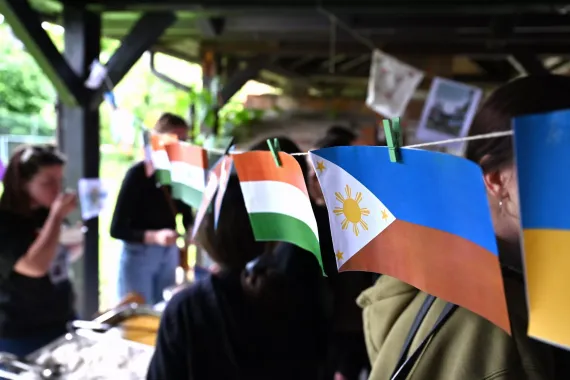
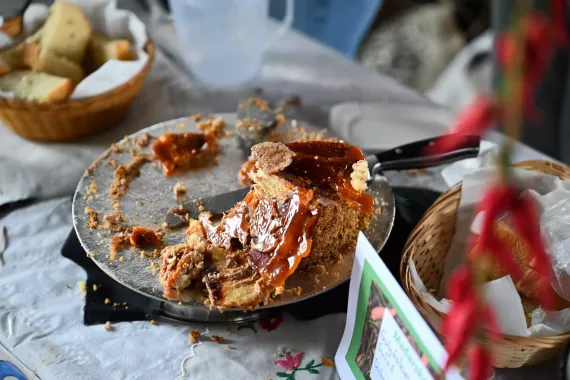
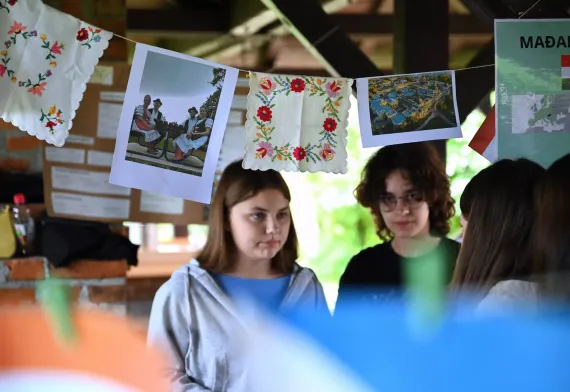
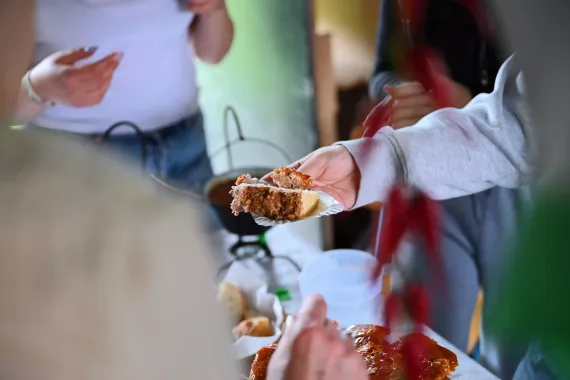
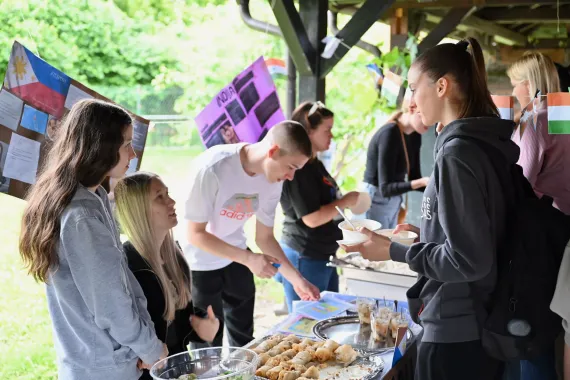
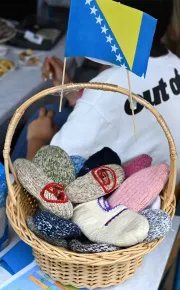
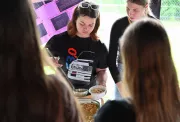
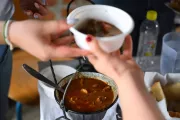
Teacher Anita Duždević, co-leader of the Active Citizens’ Community and co-organizer of the MultiKulti Fest, emphasized: “The children got involved even more than we expected. Food brings people together, and events like this help with integration and reduce prejudice. Our students who speak other languages are very well accepted, and projects like this only strengthen that.”
Teacher and co-organizer Katarina Brezovec explained the idea behind the MultiKulti Fest: “I was touched by the lack of acceptance of other cultures that we witness every day, and I wanted us to get to know them, to realize that they are people just like us. When you get to know what you fear, fear disappears and acceptance becomes natural. This programme has been a great help, and we’re already seeing the results.”
Principal Ivica Marinić is especially proud: “This is something special. We have shown the richness of diversity and multiculturalism, which is important for our school, the City of Zagreb, and all of Croatia. The integration of students from other countries enriches us all. When we get to know these children, these people, and their values, we become richer as a society. I am especially pleased with how proudly the students spoke about themselves and their origins.”
Proud to be part of this programme is also Eli Pijaca Plavšić, an independent consultant in the field of education and coordinator of activities with schools, because, as she says, "It is precisely through such activities, like the MultiKulti Fest, that we want to build schools in which every student, regardless of their background or the language they speak, feels part of their school community. The MultiKulti Fest has shown that just a small spark of positive energy is enough for us to take a step towards a society that sees diversity as a richness, not an obstacle!"
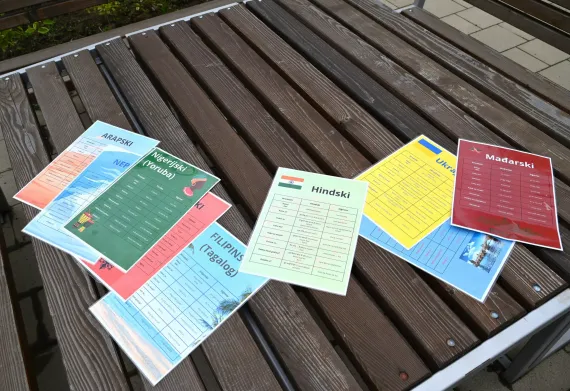
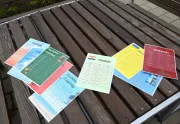
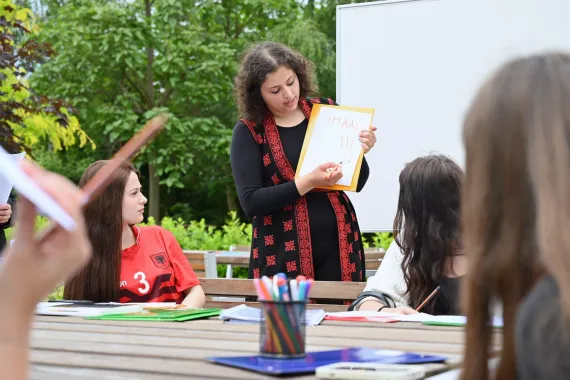
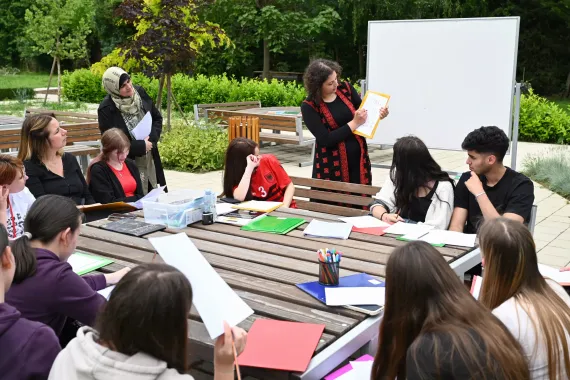
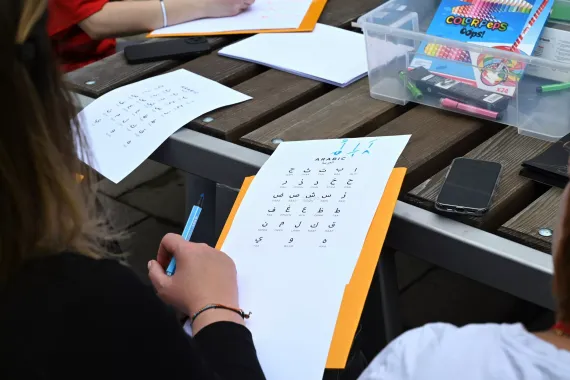
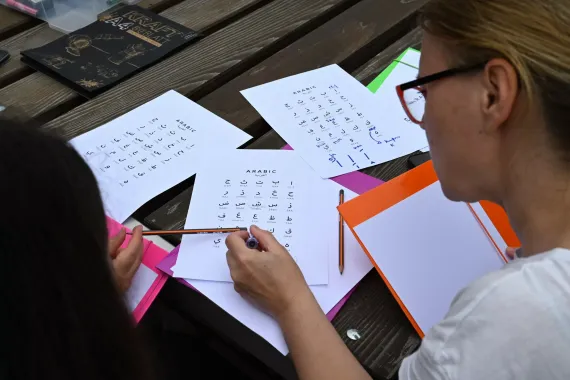
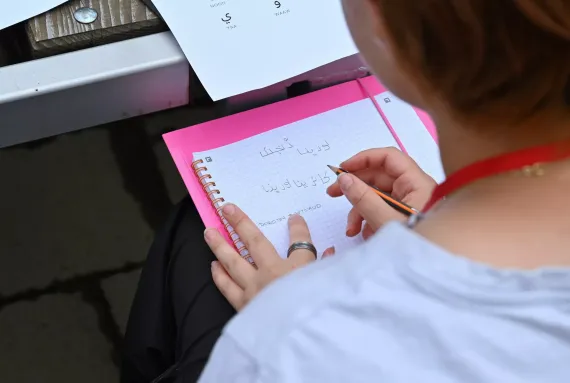
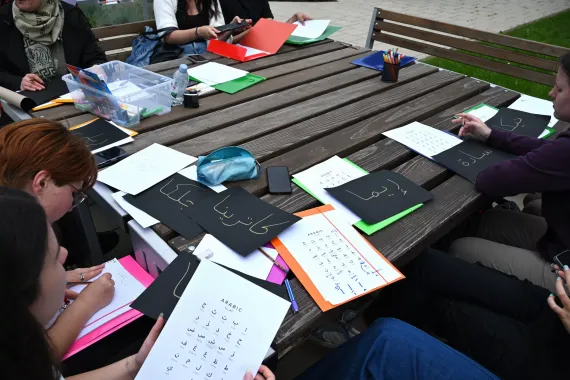
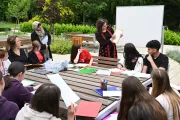
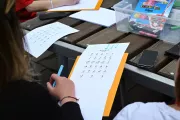
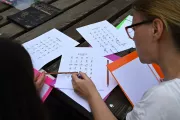
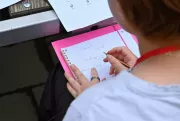
A particular highlight was the Arabic language and script workshop led by translator Iman Gouda. “It’s important to learn about other cultures and languages. Believe in your own, respect others,” Iman shared, while sisters Nika and Sara added, “It was very interesting and useful. Every culture is special in its own way, and accepting diversity is crucial for the world we live in. We need to support each other.”
Student Anđelka emphasized the importance of openness: “I think more people should try learning Arabic, especially since people from those regions are coming to our country. We should be open to learning other people’s languages and customs because, as we gradually blend, it can only enrich us.”

The MultiKulti Fest is part of a broader program in five schools, where inclusion action plans are being developed, training is organized for teachers and parents, and students receive support in language learning and integration into school life. Projects like these build communities where everyone has a place, and children grow into open, empathetic, and courageous people—ready for a world where diversity is the greatest value.
©UNICEF, 2025 “The information and views set out in this page are those of the author(s) and do not necessarily reflect the official opinion of the Schweizerische Eidgenossenschaft, Swiss-Europe Rapid Response Fund or UNICEF. Neither the Schweizerische Eidgenossenschaft, Swiss-Europe Rapid Response Fund or UNICEF nor any person acting on their behalf may be held responsible for the use which may be made of the information contained therein."