At the Zabout refugee camp in eastern Chad, the struggle and hope for Abdelaziz’s survival
At Zabout, the struggle and hope for Abdelaziz’s survival
- English
- Français
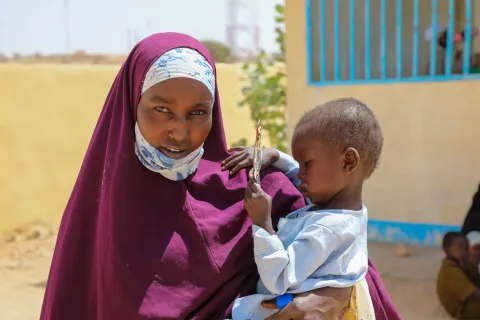
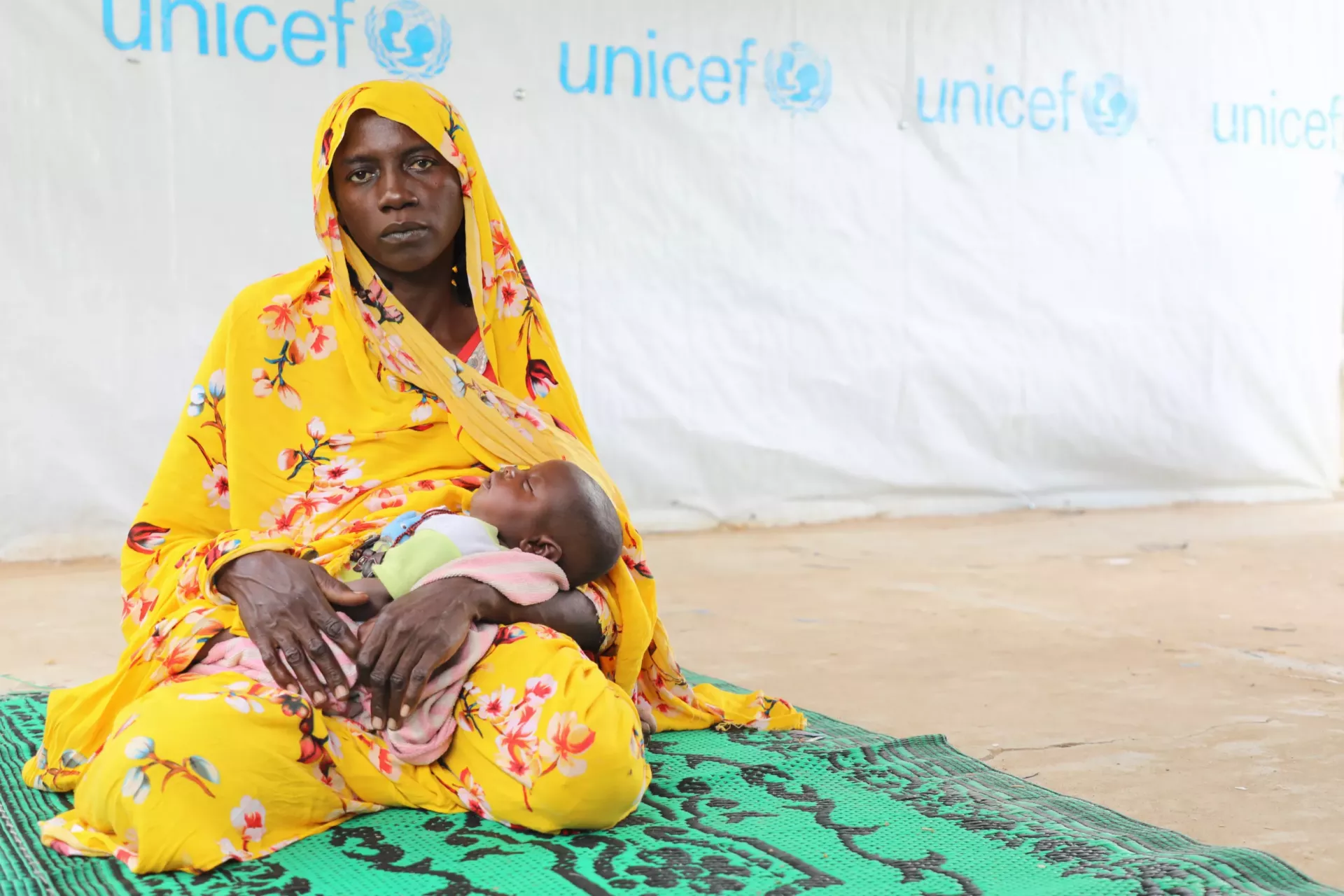
This morning, at the Zabout refugee camp in Sila province, eastern Chad—just a few kilometers from the Sudanese border—35-year-old Mariam Brahim walks through the doors of the camp clinic, run by the NGO Action Against Hunger (ACF). In her arms, she holds her six-month-old grandson, Abdelaziz. Today, she has a follow-up appointment to monitor his health.
Two years ago, Mariam sought refuge in Chad with her five children to escape intercommunal violence. Like her, since the outbreak of the conflict in Sudan in April 2023, more than 870,000 refugees and around 306,000 returnees—mostly women and children—have fled violence and atrocities to find safety in eastern Chad. The Sila province, where the Zabout camp is located, is among the main host areas, alongside Ouaddaï, Ennedi Est, and Wadi Fira.
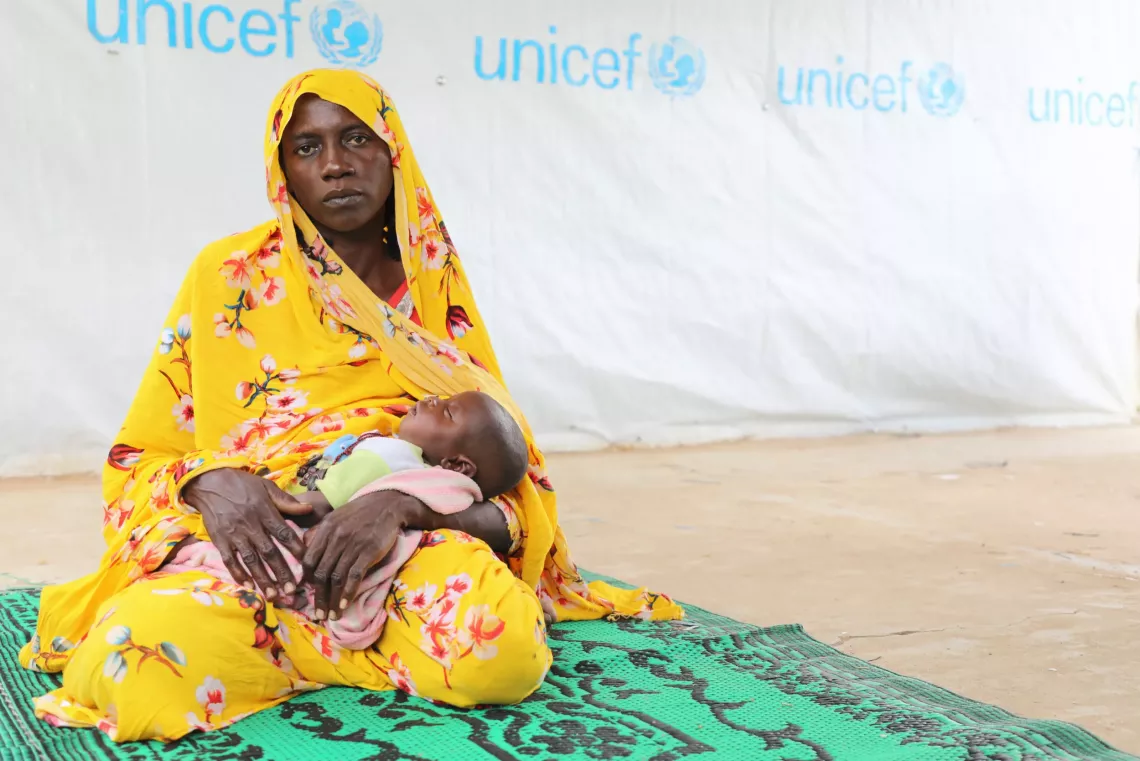
A widow and mother of five, Mariam survives thanks to the income from her small farm and occasional trading activities. Six months ago, her family experienced a tragic event. Just 15 kilometers from the camp, in the village of Arakou, the birth of baby Abdelaziz turned into a nightmare. His mother, Hapsita, was only 17 years old. She died just a few hours after giving birth, due to postpartum hemorrhage. The newborn, born in shock, was only taken to the health center hours later. By then, his condition was critical—weak, dehydrated, and underweight. Health workers at the Zabout clinic acted swiftly to stabilize him.
“When we brought Abdelaziz to the hospital, I had no hope he would survive. I just thought he was going to die,”
says his grandmother, Mariam Brahim.
After receiving emergency care at the Zabout clinic, Abdelaziz and his grandmother were transferred to the pediatric unit at Goz Beida hospital, 45 kilometers away, for more specialized treatment.
During the two months of medical care in Goz Beida, Mariam received psychological support from the healthcare staff to help her cope with the tragic loss of her daughter. She was also guided through a process to resume breastfeeding her grandson. This method, known as “relactation,” allows a woman to restart milk production, even months or years after her last lactation.
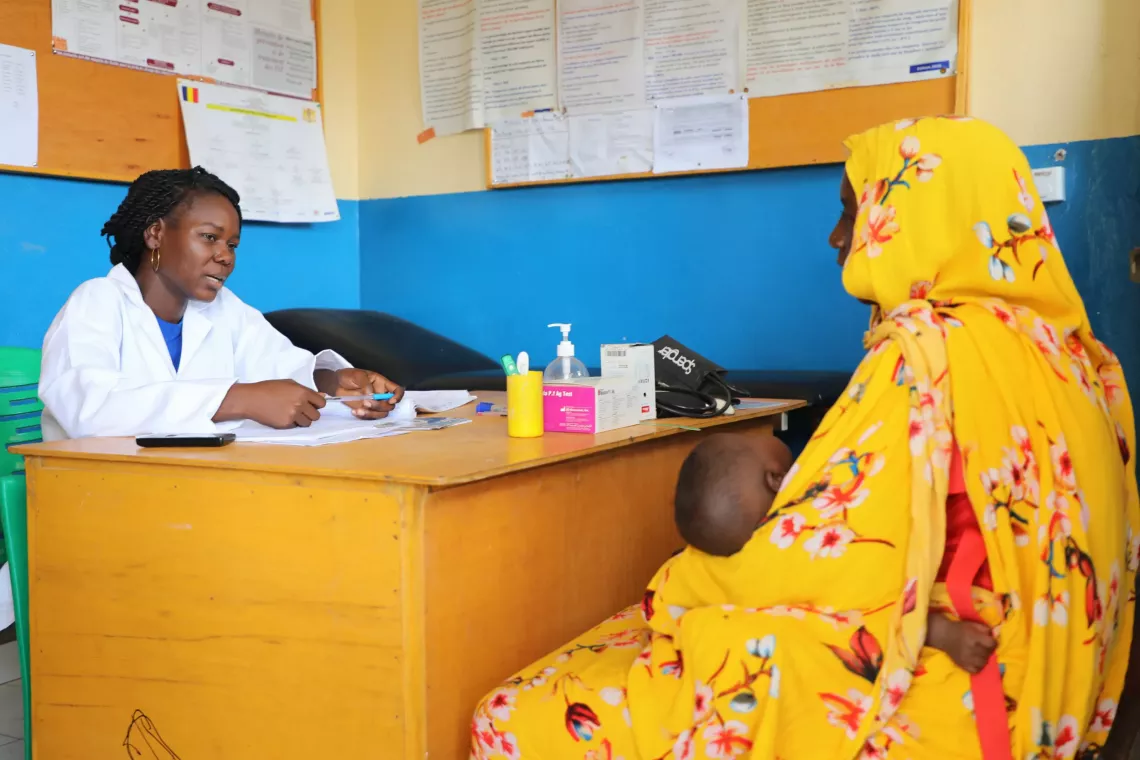
Once Abdelaziz’s health was stabilized, he and his grandmother were able to return to Zabout, where they now visit the camp clinic every month for medical follow-up. They also take part in the Mother and Infant Nutrition Programme, which monitors the nutritional status of both mothers and children. Each month, the children's weight, height, and overall health are checked. When needed, nutritional supplements are provided, and mothers receive practical advice on how to properly feed their children—crucial support in a context where food remains scarce.
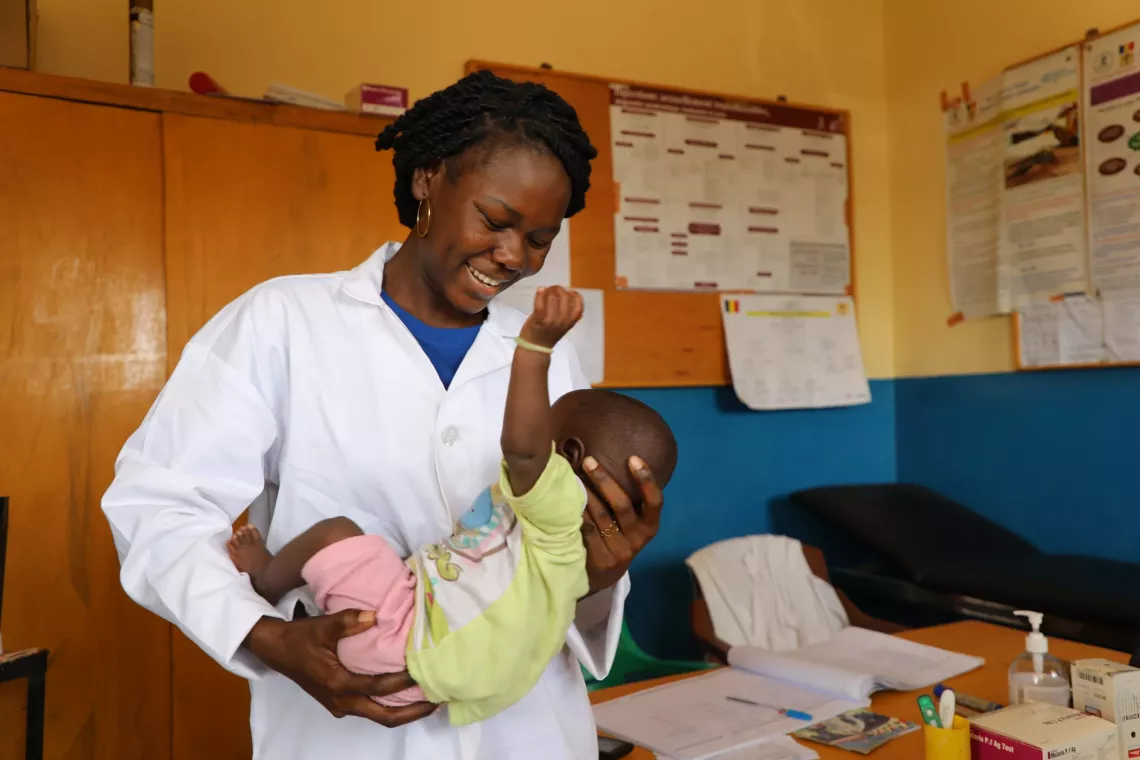
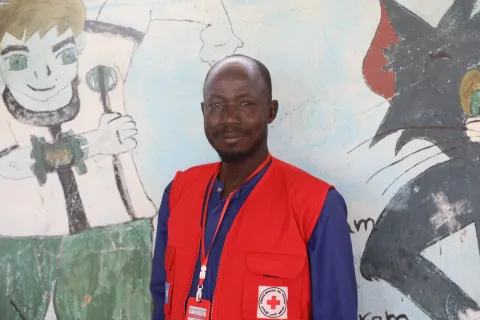
According to Nadège Nantourbaye, the medical officer in charge of the Action Against Hunger clinic in Zabout:
“Mariam is very brave, despite the sorrow of losing her daughter. By caring for her grandson, it’s as if she sees her daughter through him. It takes real courage to do that.”
Today, Mariam gently holds her grandson in her arms. She is happy to see him healthy.
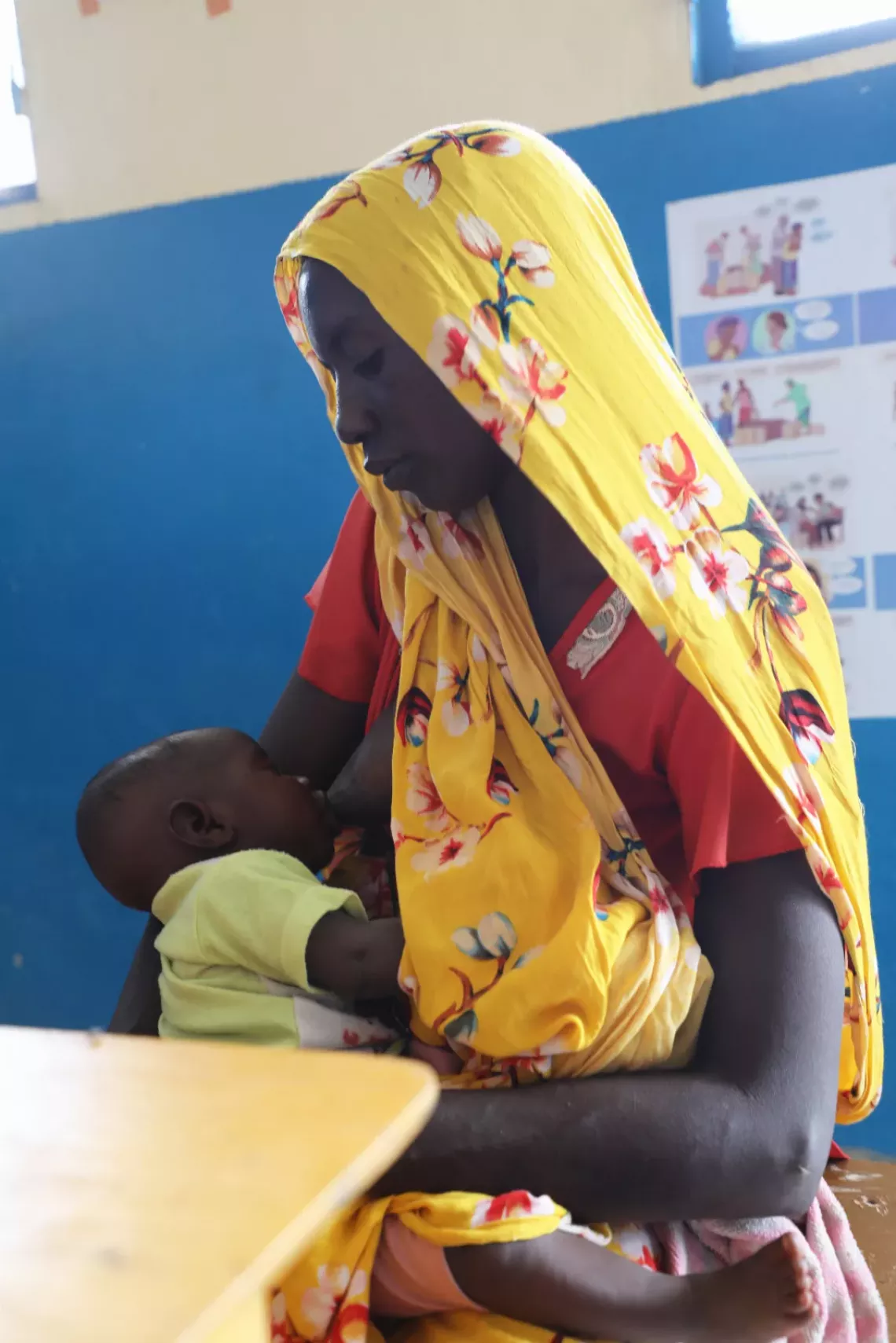
"With each of his cries, I think again of his mother, my daughter who passed away,"
In response to the current humanitarian crisis, UNICEF supports the efforts of the Chadian Government by strengthening and assisting health and nutrition activities carried out in the most vulnerable areas.
UNICEF Chad is grateful for the support received from key partners in the nutrition emergency response.