A new beginning beyond tragedy
UNICEF and partners are safeguarding newborns from malnutrition
- English
- Français
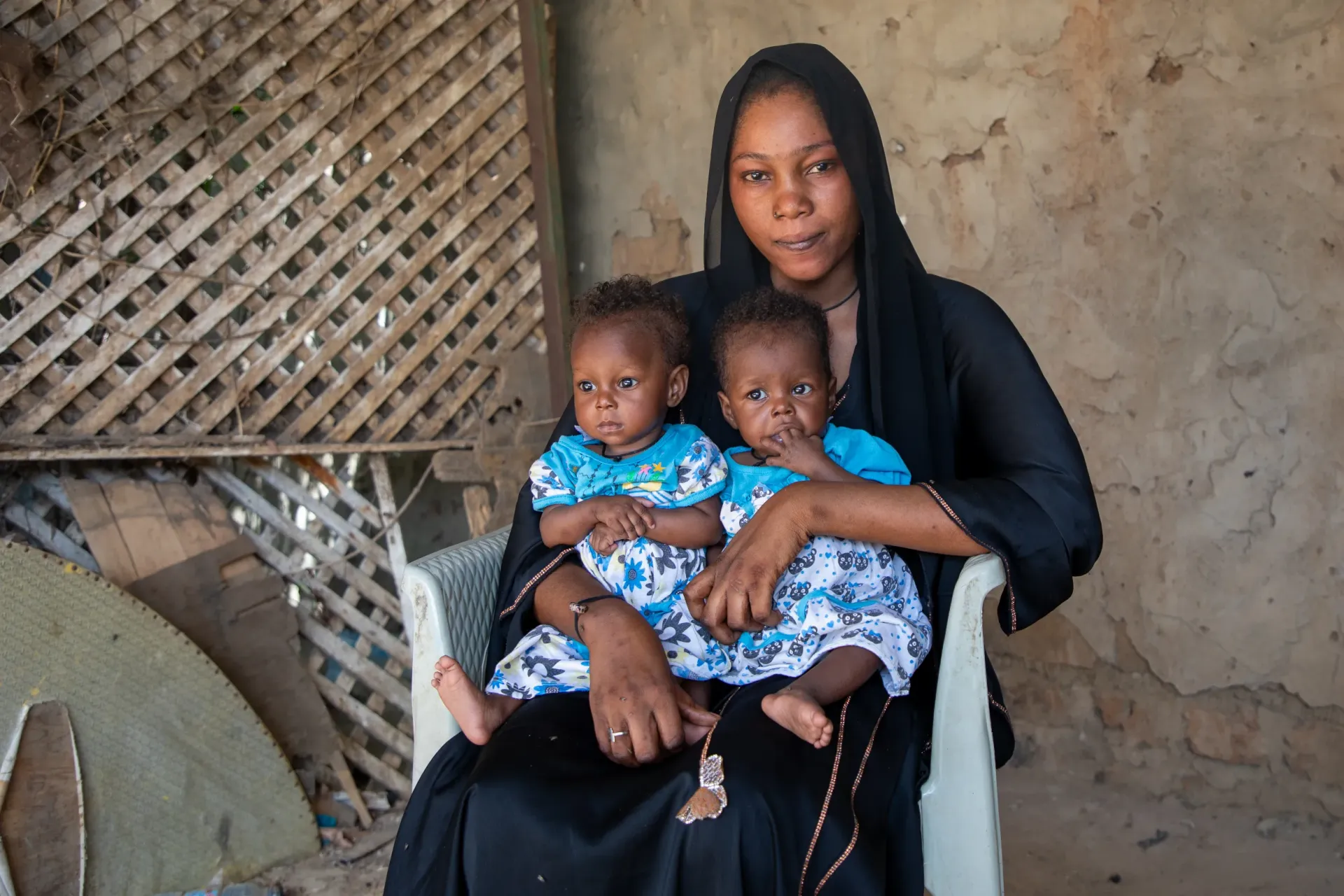
Kaltouma never imagined that, at 19, she would become the primary caregiver for two newborn babies. Living in the ‘‘Coq Ville’’ neighborhood of Farcha, in the first district of N’Djamena, the capital of Chad, she once lived a modest life shaped by ordinary routines: going to school, doing housework, and spending time with her family and friends.
But four months ago, everything changed.
Tragedy struck when her sister-in-law passed away just 45 days after giving birth to twin girls, Haoua and Zenaba.
My sister-in-law had small health problems during her pregnancy. Her feet were swollen, but she gave birth without complications. After the babies were born, everything seemed fine. The girls were healthy, and their mother was doing well too.
Then, after a brief illness, the young mother passed away, leaving behind two fragile newborns, and a 19-year-old aunt who would have to grow up overnight.
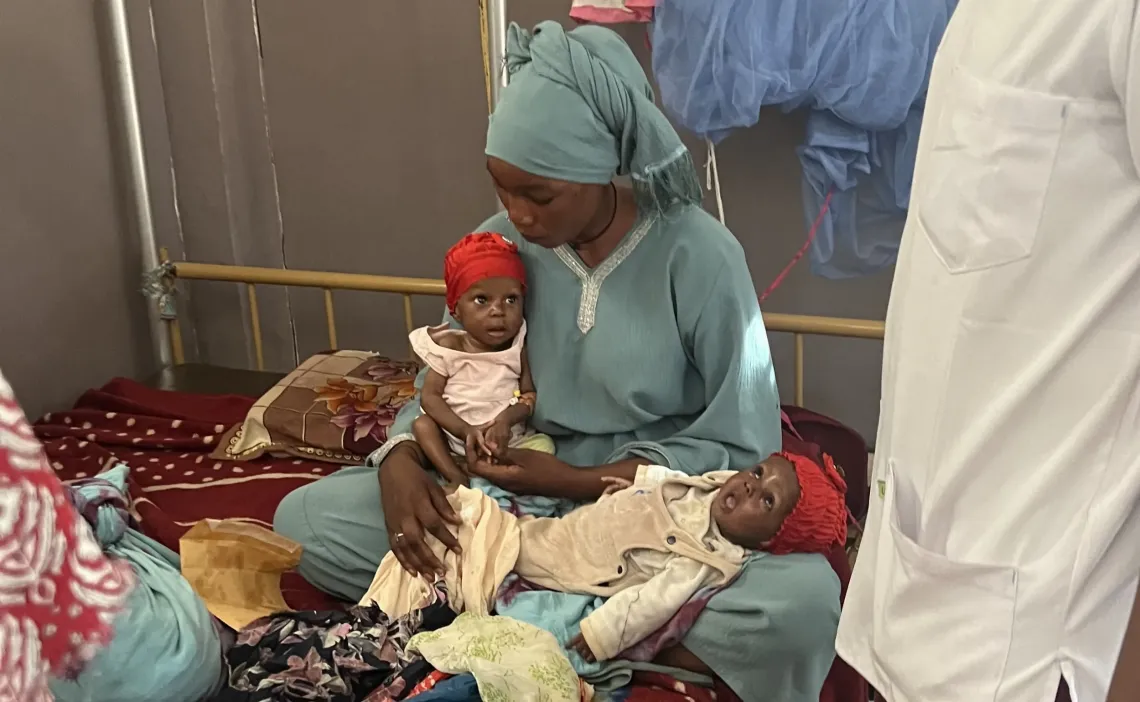
A few days later, the twins were admitted to the therapeutic nutrition unit at Notre-Dame des Apôtres Hospital. Indeed, non-breastfed children are highly vulnerable to malnutrition and dehydration. They were suffering from severe acute malnutrition, diarrhea, and loss of appetite. Their condition quickly became critical.
It was during this difficult time, in December 2025, that Haoua and Zenaba caught the attention of a visiting humanitarian team from the United States Embassy in Chad. At the Notre-Dame des Apôtres Hospital in N’Djamena, the delegation came to witness firsthand how UNICEF and its partners are working tirelessly to treat children suffering from severe acute malnutrition. The presence of the twins during this visit highlighted both the fragility of their situation and the crucial support being provided.
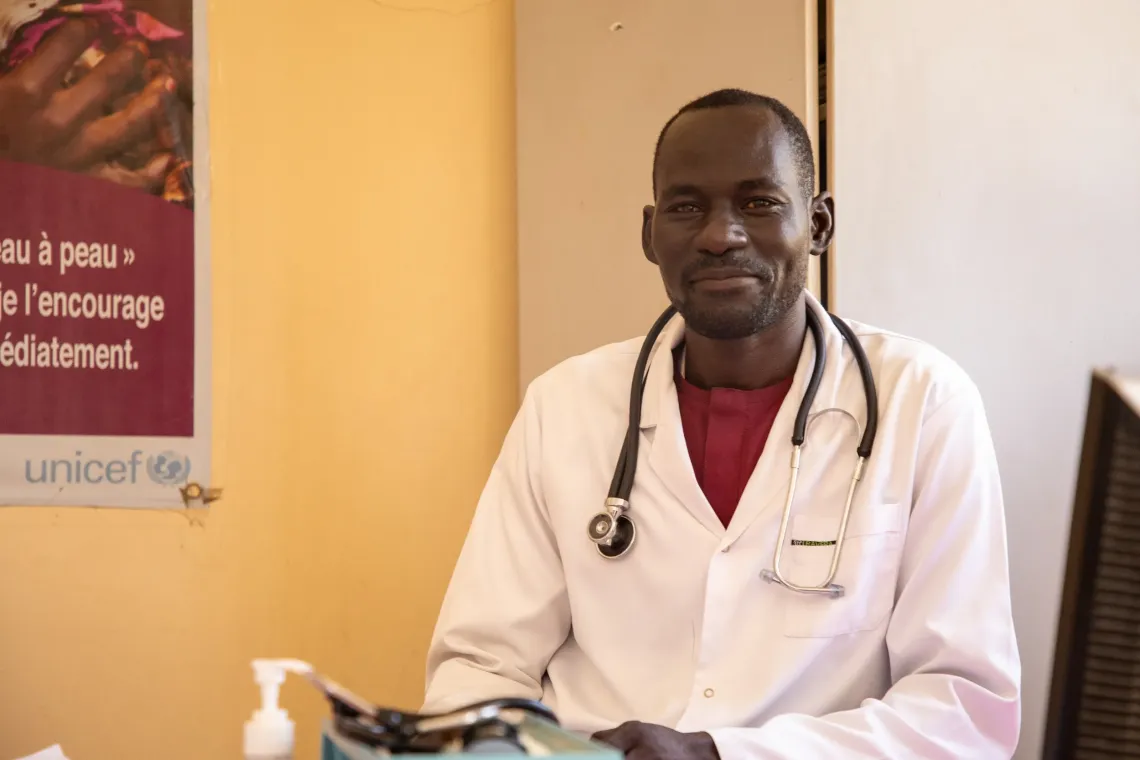
I was closely involved in the twins’ medical and nutritional care.
Because they were under six months old, their care required constant attention. The priority was clear: treat life-threatening complications while restoring their nutritional status. Following established protocols, the twins received medication, therapeutic milks, and close monitoring.
This treatment has had a positive impact on them. Their appetite has improved, they have gained weight, and the diarrhea has stopped.
Before leaving the hospital with the babies, Kaltouma received guidance on infant feeding, hygiene, and warning signs that require immediate medical attention.
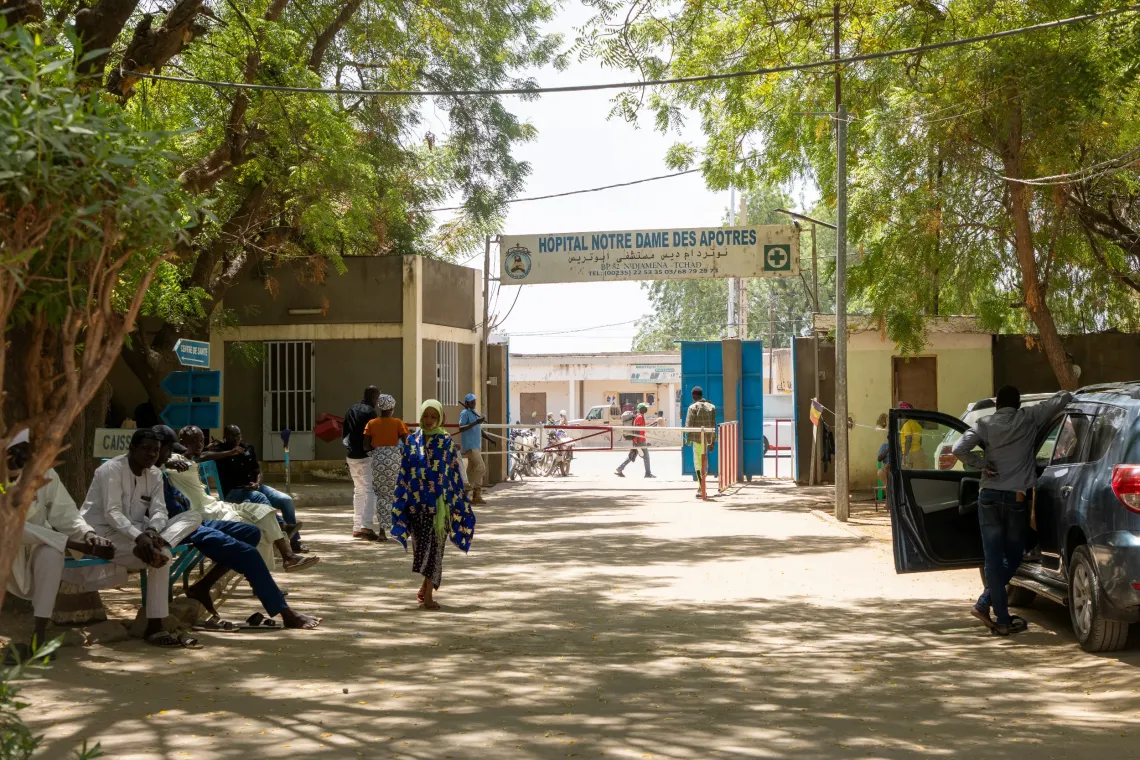
With support from UNICEF, Notre-Dame des Apôtres Hospital is provided with essential assistance, including ready-to-use therapeutic food and medicines, critical to saving children’s lives. Health workers also benefited from capacity building, helping improve the quality of care provided to children. In 2025, nearly 99% of the needs for ready-to-use therapeutic food were met. The government of the United States funded 46% of the total, playing a key role in the fight against malnutrition in Chad.
Haoua and Zenaba are now safe. Every monday, Kaltouma brings them to the hospital for follow-up consultations to monitor their growth and health. They are now more responsive during consultations, which is a good sign of recovery.
“We are all happy to see that they are now stronger. We will continue monitoring them until they reach six months of age, when they begin complementary feeding,” Lansouna says.
But survival was just the first battle. At home, another reality awaited.
According to current United Nations recommendations, infants should be exclusively breastfed for the first six months of life. Unfortunately, without their mother, the twins did not enjoy the benefits of breastfeeding in the early months of life. Therefore, feeding the non-breastfed child was challenging for the family. They only received two weeks of support from an orphanage.
“The orphanage staff asked a family member to stay there permanently to care for the babies, but no one in our family was in a position to do so,” Kaltouma explains.
We often rely on credit from a small neighborhood shop to buy milk. But we are already in debt, and if one day the shopkeeper refuses, we don’t know how to feed the babies.
Despite these challenges, Kaltouma remains determined to continue her studies and pursue her dreams. While she is at school during the day, a neighbor’s grandmother looks after the twins. She already imagines the babies’ future: “one day, they will go to school. I want them to have a successful life.”
In the small house where they live, the twins sleep side by side, unaware that their young aunt has quietly taken on the role of protector, caregiver, and dreamer for their future. Behind every child who survives and thrives is someone who refuses to give up on them.
For Haoua and Zenaba, that person is Kaltouma.