''We don’t know how much longer we can survive under these conditions'', Howa Adam, a mother.
Amid a humanitarian crisis driven by violence and displacement in Chad’s Lake Province, access to clean water, latrines and essential hygiene supplies is bringing relief to displaced children and families.

- English
- Français
The night Howa Adam fled her village with her family, neither their departure nor their destination was a choice.
“We had heard that kidnappings and killings were taking place in the village, so we fled immediately, leaving everything behind.”
Thirty-year-old Howa lived in Tchoukou Keina, a village on the islands of Lake Chad. Four months ago, attacks by armed groups forced her to flee with her husband, her mother and her two-year-old son, Hakim. After initially taking shelter in a nearby village, the family eventually arrived at the Fourkoulom displacement site, hoping to find safety and peace.
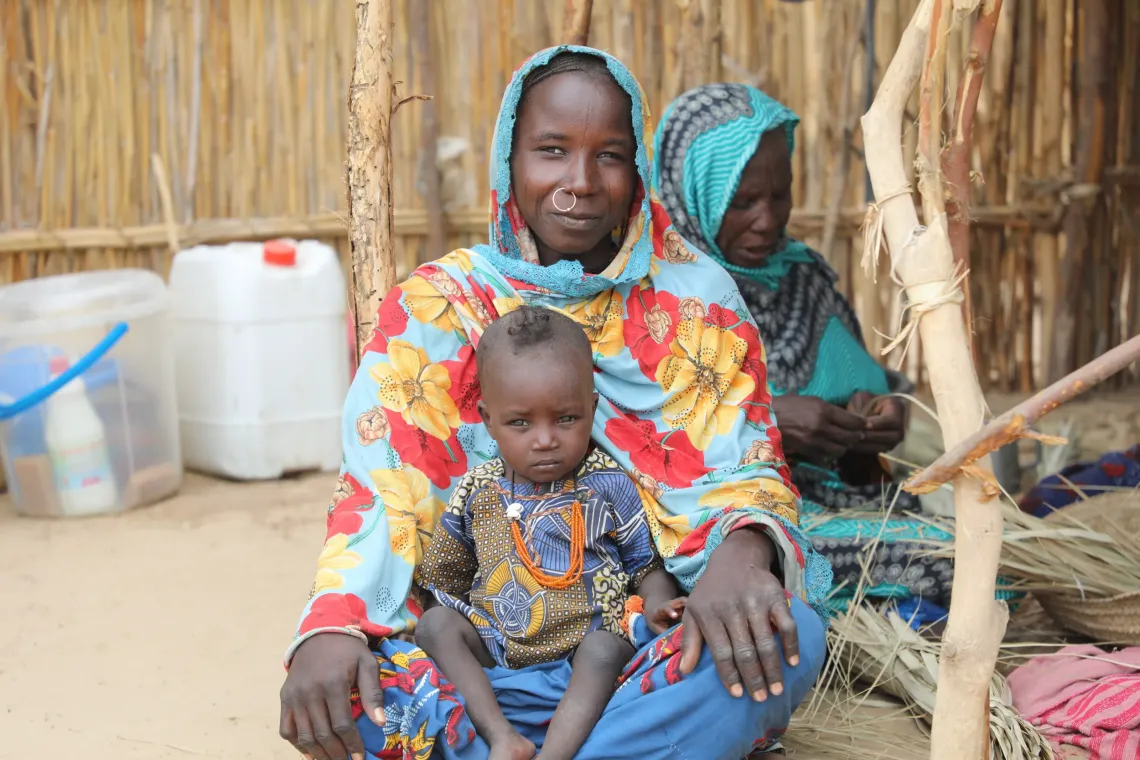
But escaping violence was only the beginning of another ordeal: struggling to survive amid overwhelming needs.
To provide for their family, Howa and her husband relied on farming and fishing in their home village of Tchoukou Keina. In Fourkoulom, however, the land is poorly suited to agriculture, and opportunities to earn an income are scarce.
“We have no way to earn a living here. Living conditions are difficult, especially for the children. We do not know how much longer we can carry on like this,” she says.
Like Howa and her family, thousands of people have fled insecurity on the islands of Lake Chad and along the border with neighbouring Niger, seeking refuge in several locations across Chad’s Lake Province.
Between May and September 2026, Chadian authorities have registered more than 75,000 internally displaced people across 16 sites in the Fouli and Kaya departments of Lake Province. New displacement continues to be reported in Fouli, while insecurity persists in several areas, making a return home in the near future unlikely.
In Fourkoulom, the influx of displaced families has profoundly transformed life at the site. Around 12,000 people have settled there in recent months. Few are better placed to describe this reality than Mahamat Barkami, the site’s ''Boulama'' (community representative), who was himself displaced and arrived in the area just over a year ago.
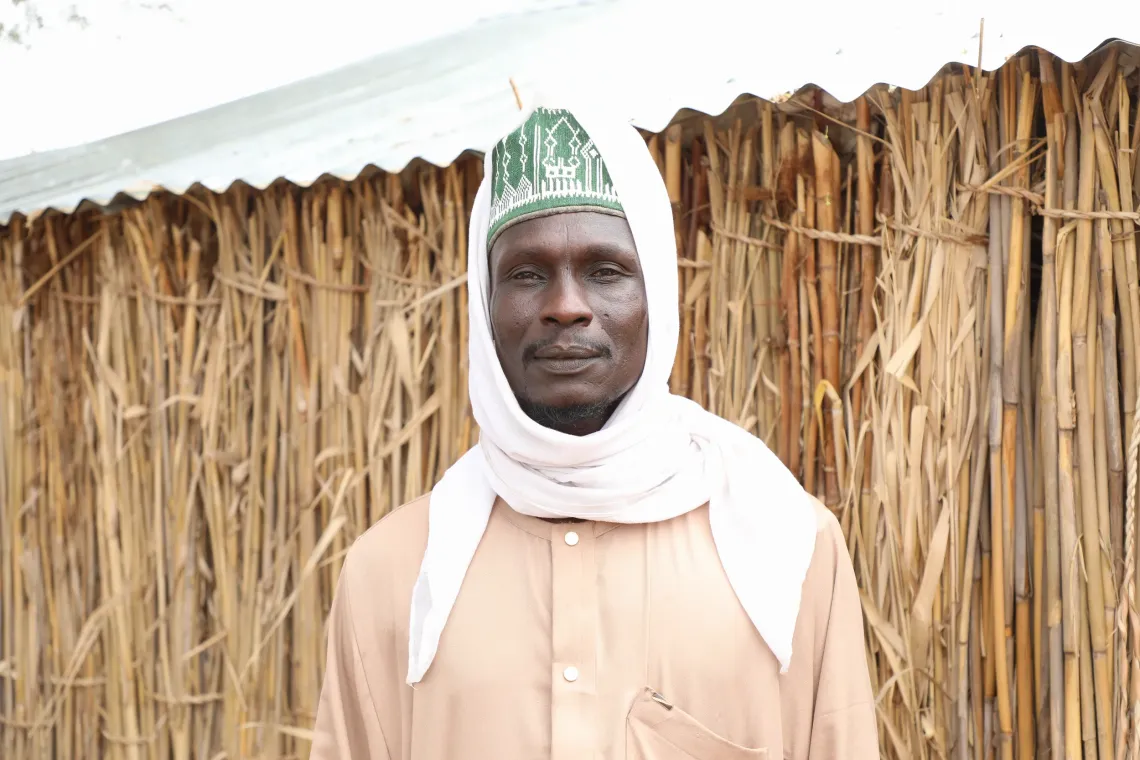
Just over four months ago, this site was hosting 300 people. Now, the population numbers in the thousands, and it continues to grow.
As the community representative, Mahamat also liaises with local authorities and humanitarian organizations and helps manage tensions arising from the shortage of basic services. Every day, he witnesses needs increasing as more families arrive.
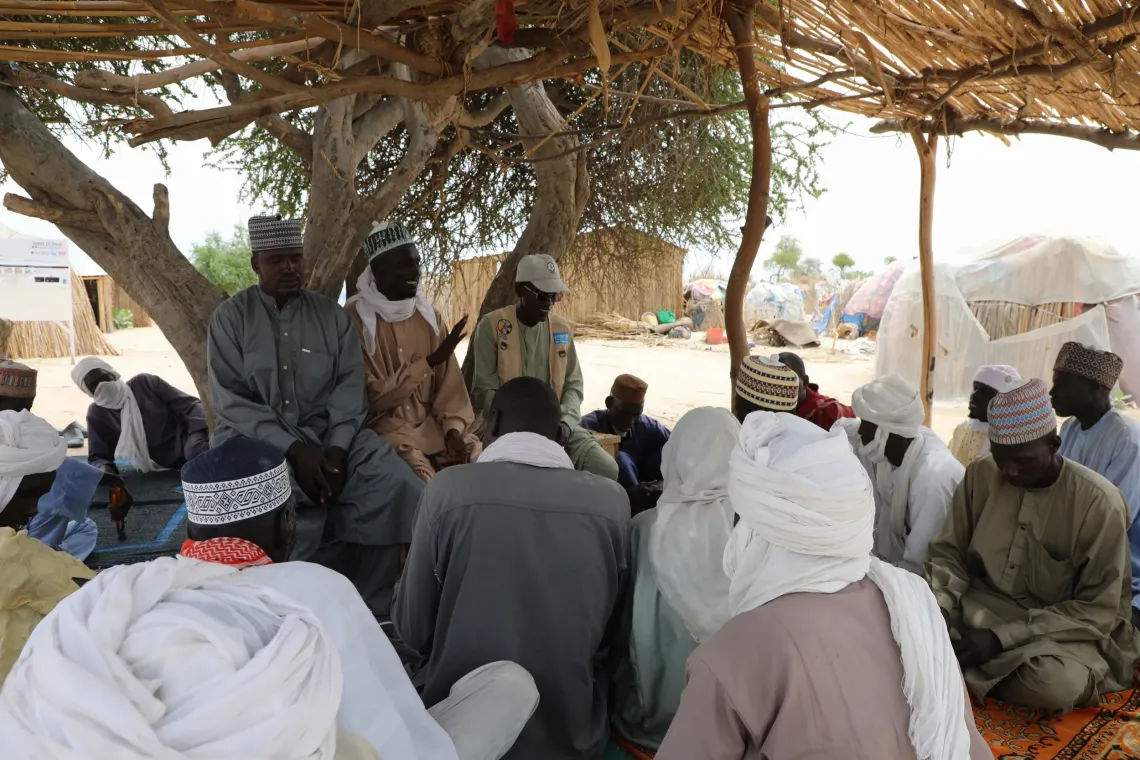
“We are short of almost everything here. Food, shelter and access to water remain major concerns for most people,”
he says.
The situation is particularly worrying because Lake Province is also facing an ongoing cholera outbreak and unfavourable agricultural and pastoral conditions caused by below-average rainfall. These challenges further undermine families’ livelihoods and increase the risk of malnutrition among children.
With funding from the Regional Humanitarian Fund for West and Central Africa (FHRAOC), UNICEF, in collaboration with the NGO partner International Committee for Emergency Aid and Development (CIAUD) and the Ministry of Water and Energy, has built 163 shared family latrine and shower units at the site, benefiting 3,260 people, equivalent to one cubicle for every 20 people.
A further 1,600 hygiene and water-treatment kits have been distributed to households. The kits contain essential supplies, including soap, bottles of bleach, buckets, cups, jerrycans and water-purification products.
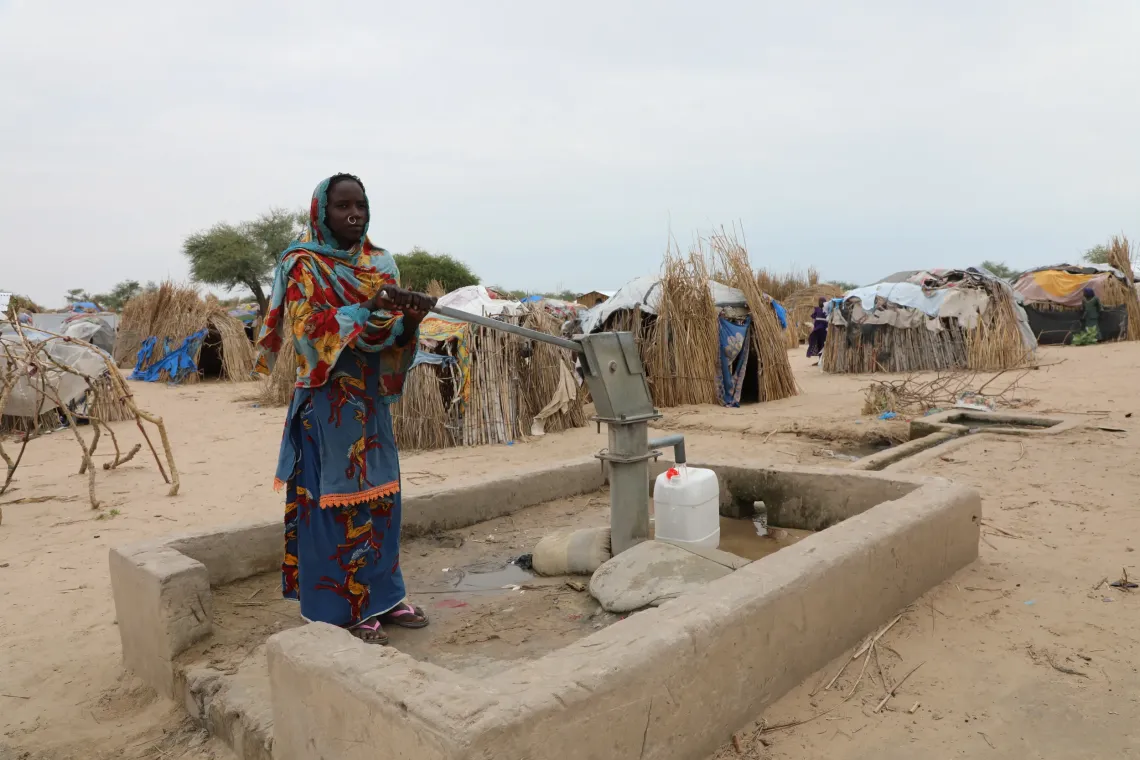
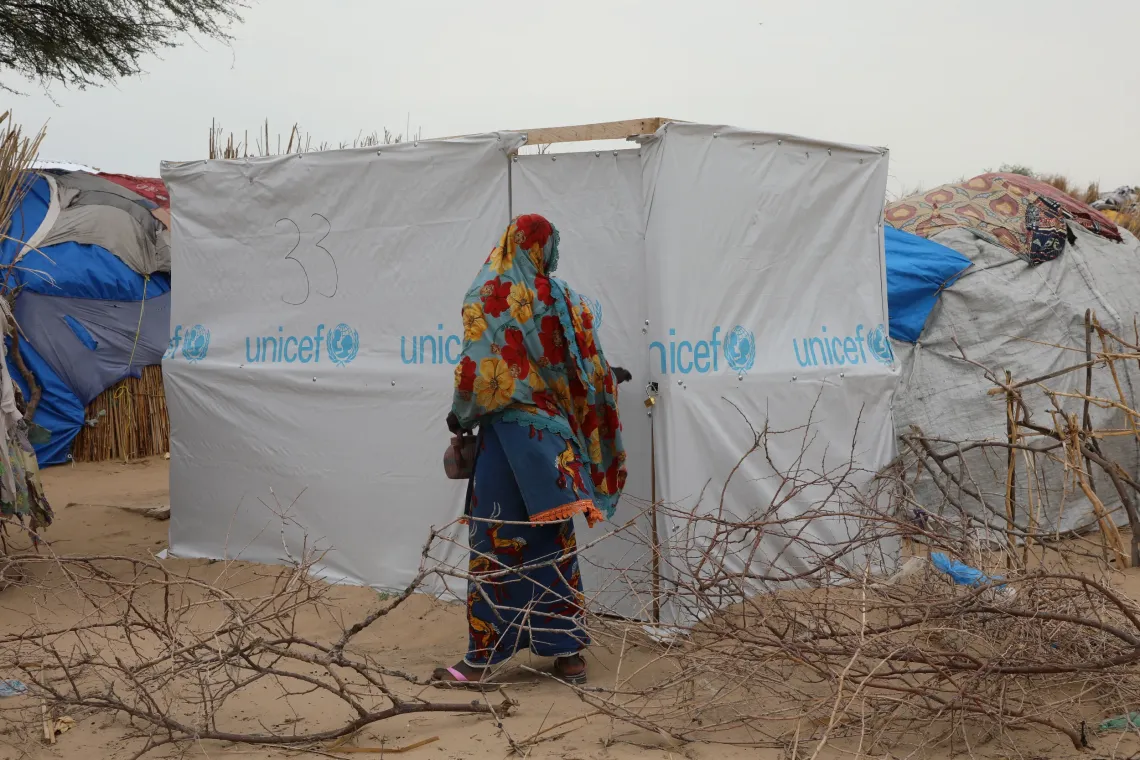
For Howa, this assistance offers some relief amid the daily struggle to meet her family’s basic needs, where each day brings a new challenge to their survival.
“The borehole, the latrines and the supplies we have received have made a real difference for us. They remind us that there are still people willing to help,”
she says.
Yet continued arrivals are placing increasing pressure on local infrastructure and basic services, stretching the response well beyond its available capacity.
“We are grateful to have these latrines, but with so many people living at the site, there are far too few of them,” Mahamat points out.
With support from UNICEF and CIAUD, community outreach activities are also helping improve hygiene and sanitation practices and strengthen local capacity.
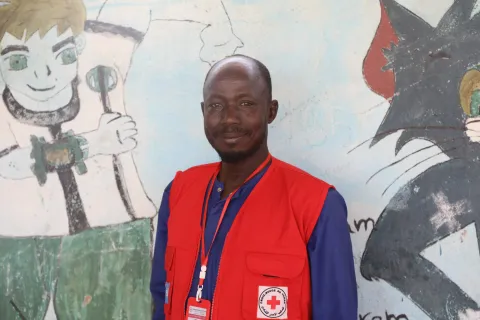
Adeï Yosko Hatcha, a WASH outreach worker with CIAUD, plays a key role in helping families adopt safer hygiene and sanitation practices.
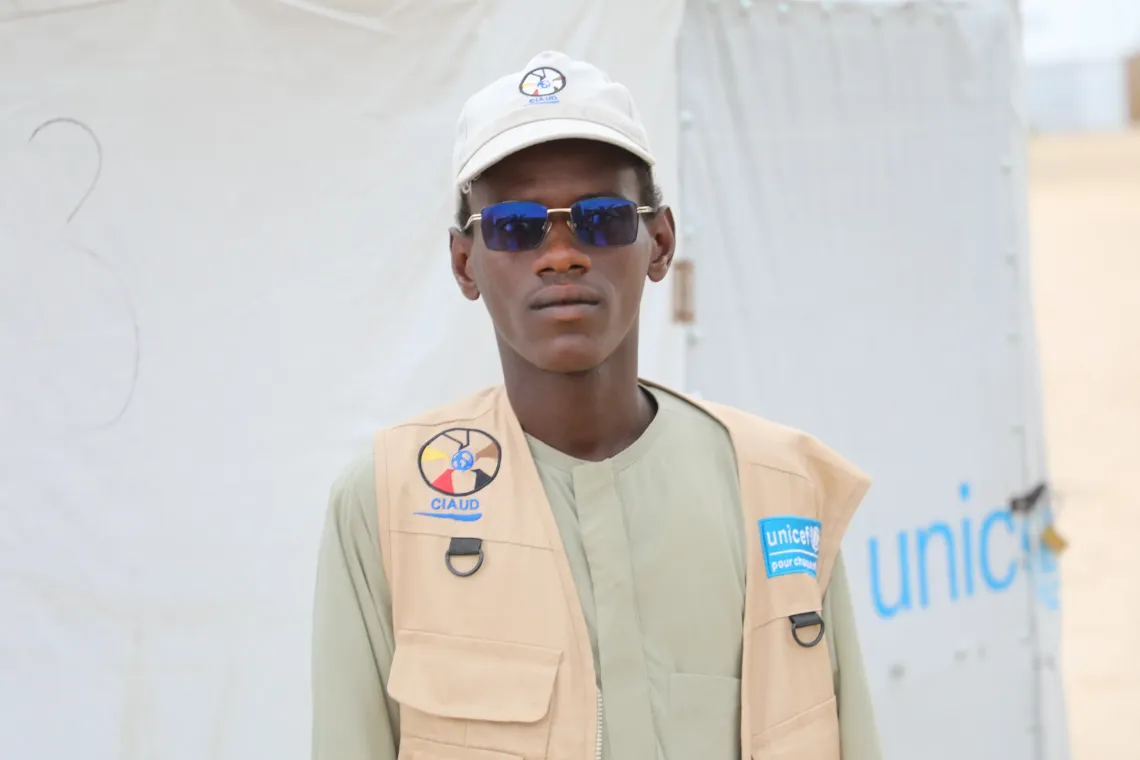
We raise awareness among communities about good hygiene practices so that people can move away from risky behaviors and learn how to better protect their health.
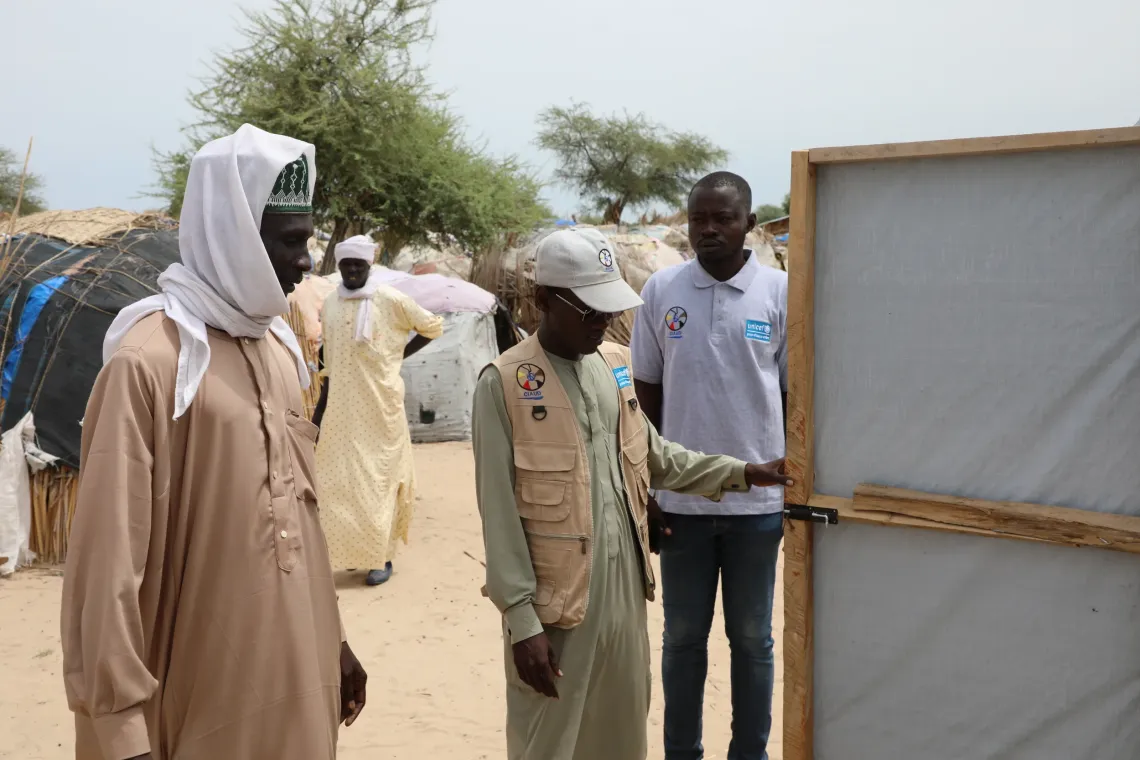
Community hygiene and sanitation committees have been established, and handwashing facilities have been installed at several locations across the site. According to the outreach worker, these efforts are beginning to bring about changes, particularly in handwashing and latrine use.
The construction of the latrines has also helped strengthen local skills. Several young people from the community received training and took part in building the facilities.
“We are proud to have been involved in building our own latrines. Our young people have gained valuable skills, and we are truly happy to see things moving forward in this way,”
Mahamat says.
Amid the crisis, Howa’s thoughts are focused above all on her son, Hakim.
“I worry a lot about my son’s future. I hope he will be able to grow up in better conditions and have a better life,” she says.
Her wish echoes Mahamat’s hopes for displaced families to regain their dignity and find ways to provide for themselves.
Behind the figures are families who have fled violence, communities struggling to rebuild their daily lives, and parents dreaming of a better future for their children.
For Howa, what matters most is being able to give Hakim the conditions he needs to grow up healthy and build a better future. For now, however, the hardships of daily life make that hope difficult to hold on to.