Seeing them thrive is all that matters
War has taken so much from them. Now, more than ever, Sudanese children need protection

- English
- Français
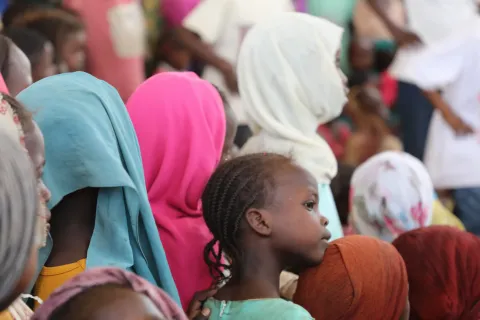
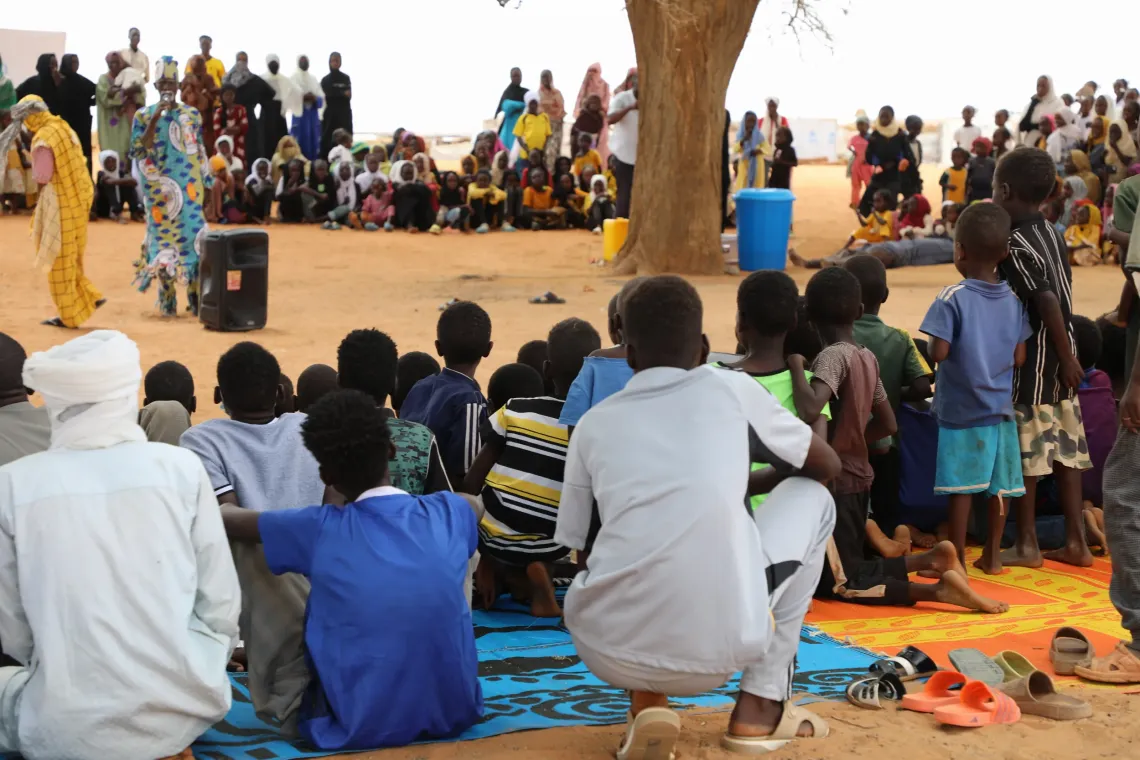
Children’s laughter breaks the silence and monotony of daily life. Beneath the shade of large trees at the Child-Friendly Space in Touloum refugee camp in eastern Chad, children and adolescents gather in a large circle. Skits, songs, dances, games and storytelling activities follow one another, met with applause and encouragement from their peers. These precious moments offer them a chance cope with the trauma of the war in Sudan.
Arriving quietly at the site, 15-year-old Dalia* sits beside a group of girls her age. At first a bit shy, she gradually begins to smile. Moments later, she joins the applause, shares a laugh with the others and becomes increasingly engaged in the activities around her. An ordinary scene at first glance, yet one that conceals deep emotional wounds.
Originally from Ambourou, in Sudan's West Darfur region, Dalia's life and that of her family changed forever when armed men attacked their village. After witnessing scenes of extreme violence, she was forced to flee with her younger brother and sister.
Driven by the instinct to survive, Dalia, her brother and sister, together with another teenage girl they met along the way, walked for two days. They crossed hills and passed through several villages before reaching Tiné, a border town in eastern Chad. A few days later, they were relocated to Touloum refugee camp. Traumatized, separated from their parents and left to fend for themselves, the children had no idea what the future would hold.
Since the outbreak of the conflict in neighbouring Sudan in April 2023, hundreds of thousands of people seeking safety have fled to Chad. As of May 2026, the country was hosting more than 928,000 Sudanese refugees.
A few days after arriving in Touloum, Dalia was referred to Chad's National Commission for the Reception and Reintegration of Refugees and Returnees (CNARR). Among the hundreds of newly arrived refugees, she suddenly recognized a familiar face; her 81-year-old grandmother, who had also managed to flee Sudan. Their unexpected reunion brought immense joy amid the uncertainty.
Forced by circumstances to become the head of her household at just 15 years old, Dalia began collecting firewood every day to sell so she could buy food for her younger siblings. Every ounce of her energy was devoted to helping her family survive.
Under such circumstances, continuing her education became impossible. With new family responsibilities, limited resources and no stable shelter, school felt unattainable.
My dream is to go back to school. But for now, I must take care of my family and find us a place to stay. The owner of the barn where we're living has asked us to leave. Then, her voice trembling and tears filling her eyes, she adds: "I want to find my parents and never go back to Sudan.
Although the family had been registered upon arrival, they were still waiting for shelter, like many other refugees. When the owner of the temporary shelter asked them to leave, UNICEF and APLFT immediately alerted the National Commission for the Reception and Reintegration of Refugees and Returnees (CNARR) to help secure an emergency shelter solution.
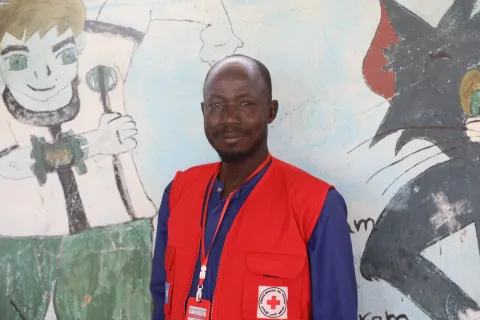
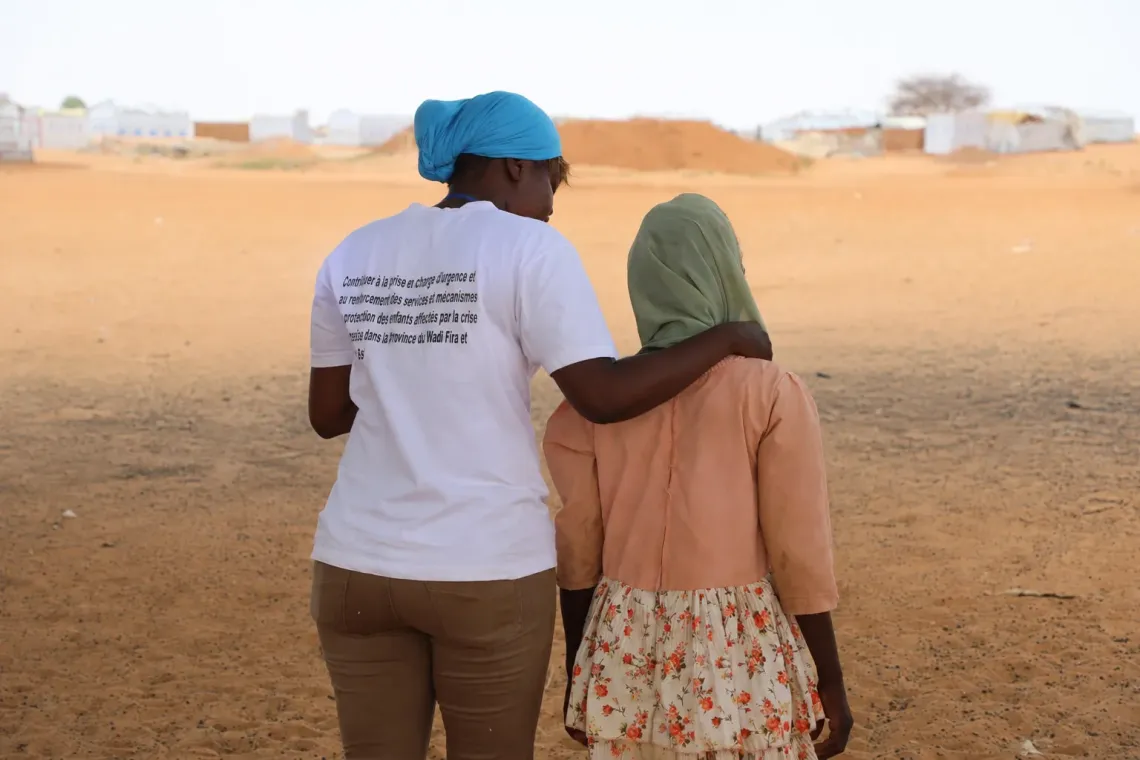
It was while participating in activities at the Child-Friendly Space in Touloum refugee camp that Dalia was identified by Solange*, a child protection case worker with the Association for the Promotion of Fundamental Freedoms in Chad (APLFT).
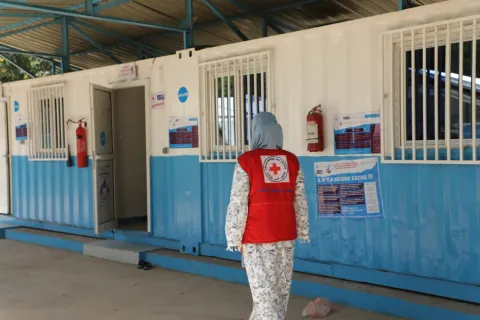
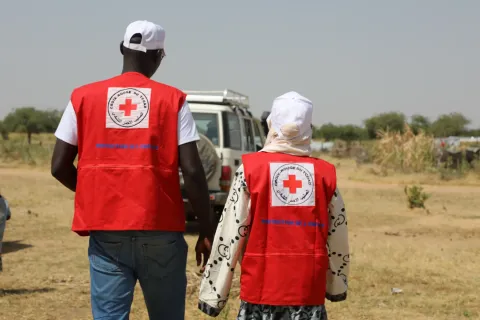
With UNICEF's support and funding from the Regional Humanitarian Fund for West and Central Africa, APLFT identifies, supports and protects the most vulnerable children, including those separated from their families, unaccompanied children, orphans and children with specific protection needs.
Following an assessment of her needs, Dalia and her family received emergency assistance, including clothing, blankets, sleeping mats, mosquito nets, food and hygiene kits. She also benefits from regular psychosocial support. By taking part in activities at the Child-Friendly Space, Dalia has begun to smile again, regain hope and reclaim a part of the childhood and adolescence that war had taken away.
Just a few metres from Dalia, Hakim* crouches, smiling as he watches the skit. Like her, his childhood was shattered by war. After fleeing El Fasher, Sudan, with his five younger sisters, Hakim became the head of the household at just 16 years old. To provide for his siblings, he spent several months working in construction, physically demanding work that took a toll on his health. His dream is to turn his passion for football into a livelihood, so he can give his sisters a brighter future and ensure that his family never has to live in hardship again.
Like Dalia, Hakim was identified through the activities at the Child-Friendly Space and is now receiving support.
According to Solange, the Child-Friendly Space plays a crucial role.
It is through these activities that we are able to bring so many children together, identify those who are most vulnerable, provide them with the support they need and, when necessary, refer them to appropriate services to ensure they receive the protection they need.
Beyond recreational activities, these Child-Friendly Spaces also provide opportunities to raise awareness among children and their families about the risks of gender-based violence, recruitment by armed groups, school dropout and other protection risks they face.
For Solange, expanding, improving and better equipping the Child-Friendly Space is a priority. Better facilities and a wider range of activities would enable even more crisis-affected children and adolescents to benefit from a safe environment where they can develop new skills, rebuild their confidence and begin to recover from the impact of conflict.
For refugee children like Dalia and Hakim, smiling again is often the first step towards healing. By providing a safe, caring and stimulating environment, these spaces help children overcome trauma, regain hope and begin to imagine a brighter future.
* Not their real name.