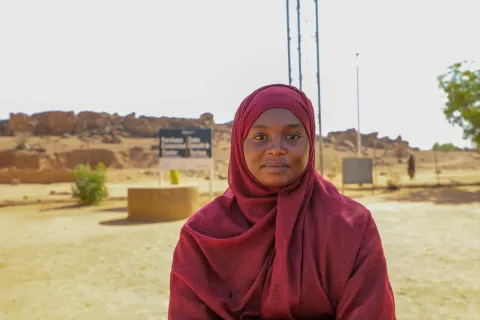
In Bokoro, 361 villages have reached End of Open Defecation (EOD) status
The community comes together for a healthier village

- English
- Français
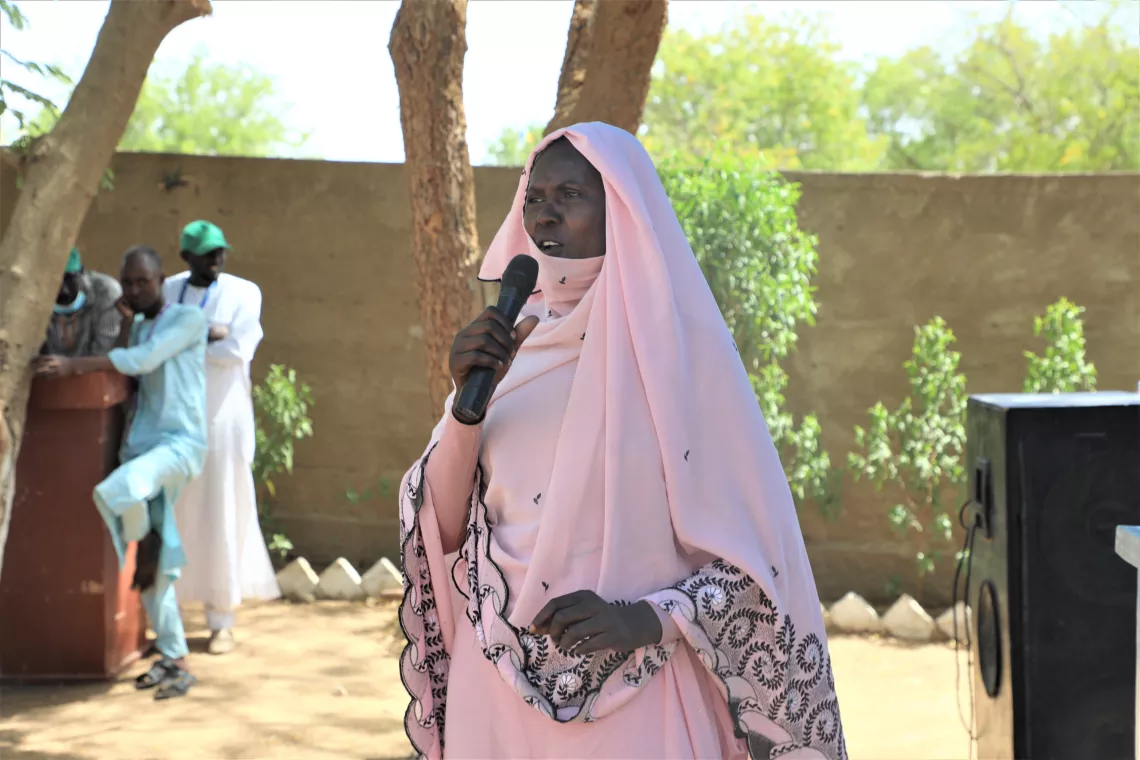
"We are very proud to announce that today, this district is certified as open defecation free. For a woman, it is shameful not to have a place to defecate and to be forced to wander in the wild. Do not regress any further. Keep your "End of Open Defecation (EOD) status," said Amina Ramadane, Coordinator of the NGO Healthy School, Healthy Household, during the certification ceremony of villages in Bokoro, in the Hadjer Lamis province of central Chad.
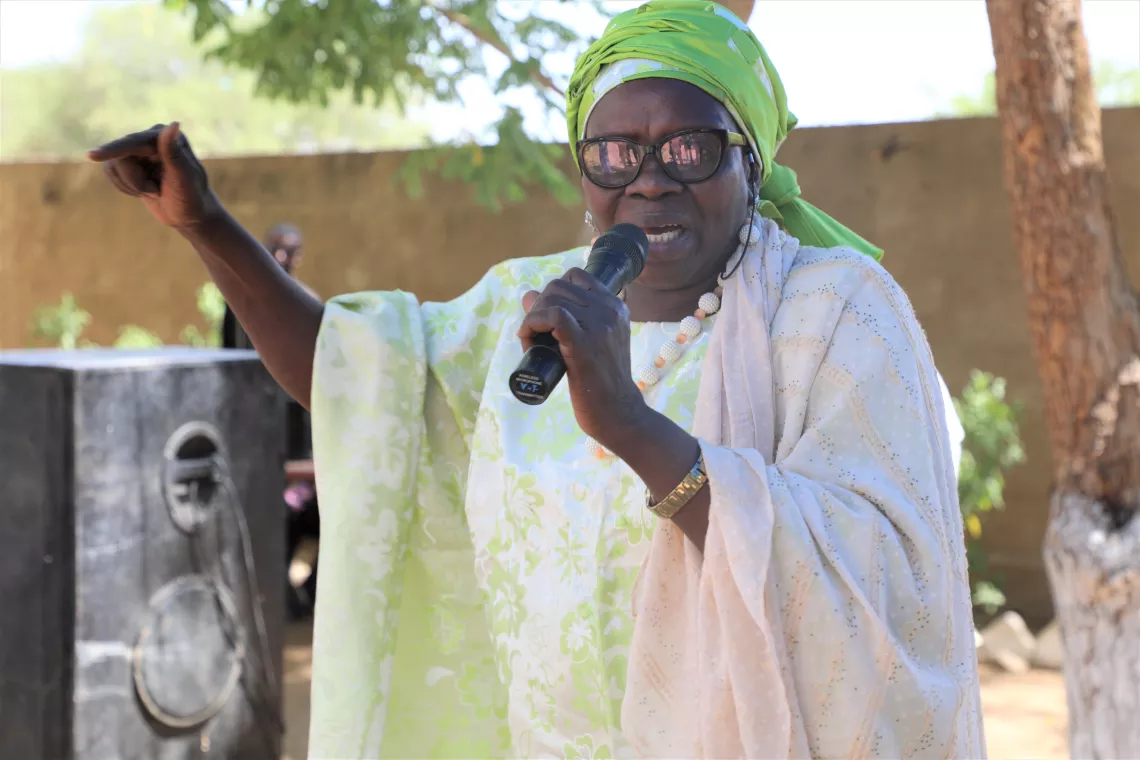
Amina Ramadane is a major figure in the fight against open defecation in Chad. Through her charisma, her unfailing commitment and transformational leadership, she knows how to transmit her passion for hygiene and sanitation promotion. The NGO Healthy School, Healthy Household that she leads works with hundreds of social and community workers to engage communities in the fight against open defecation.
Open defecation is the act of defecating outside the home, away from public toilets. In Chad, 65% of the population practices open defecation, which is the cause of contamination and the spread of diseases such as cholera and diarrhea.
To improve this situation, UNICEF, with funding from the German government is supporting the government of Chad and some NGOs to implement the Community Led Total Sanitation Programme (CLTS). The CLTS promotes behavioral change among the population in favor of ending open defecation. It uses participatory assessment methods that enable local communities to analyze their hygiene and sanitation practices and become collectively aware of the impact of open defecation on their health and environment. This approach can drive collective and rapid local action by communities to achieve EOD status.
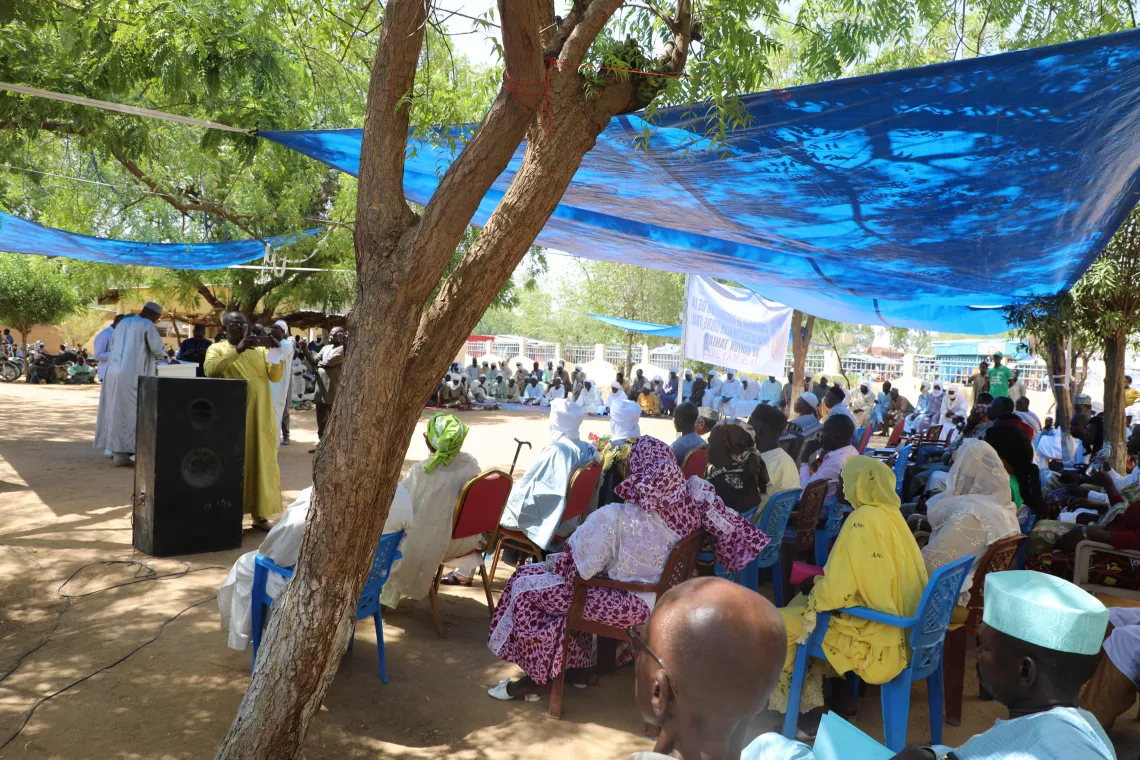
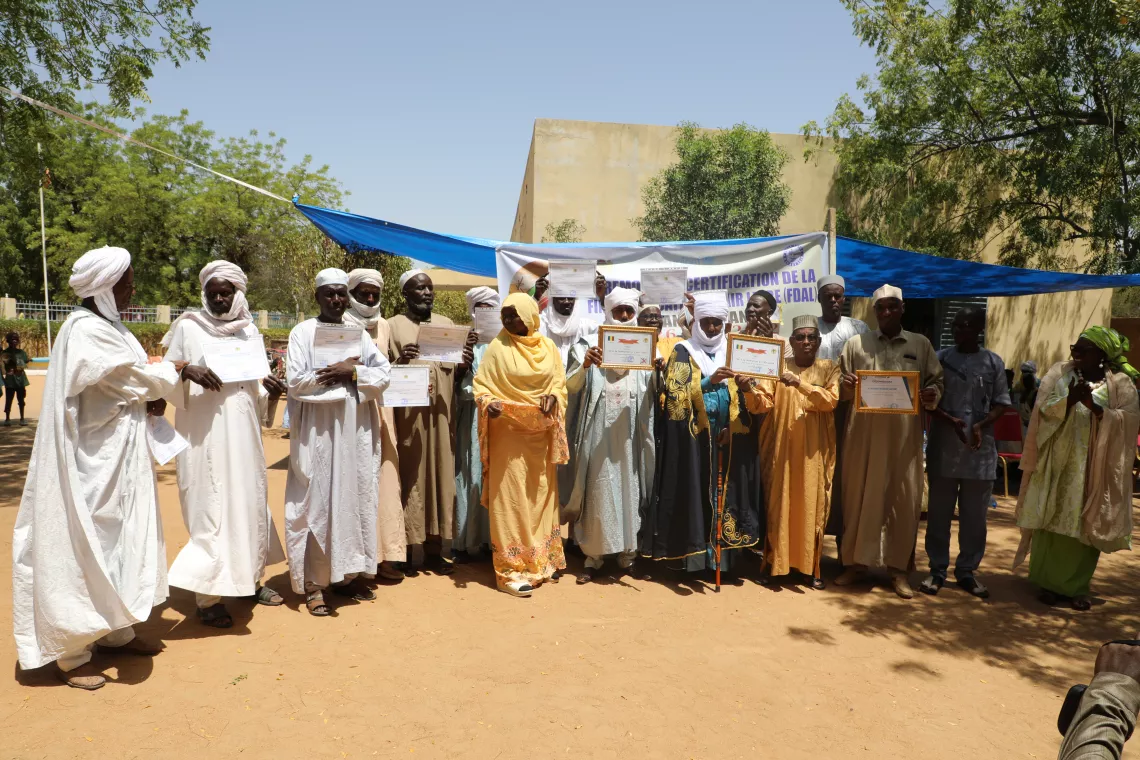
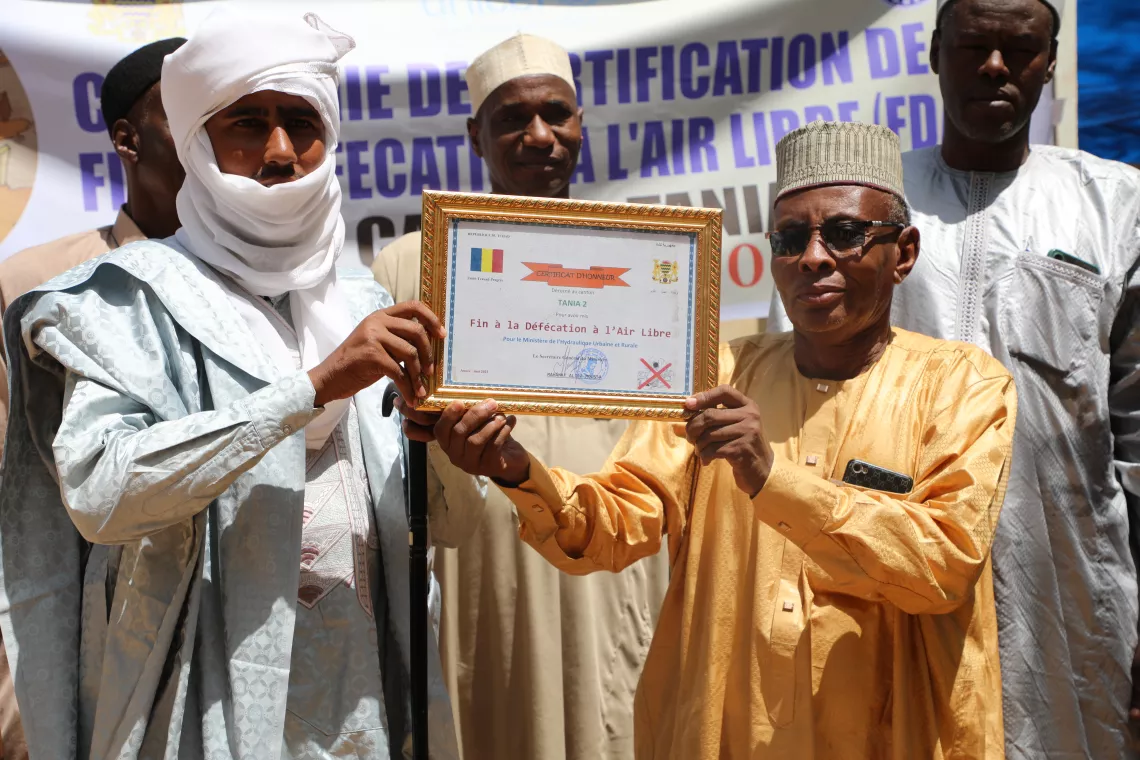
In Bokoro, 361 villages have been certified EOD. To celebrate this success and to highlight the commitment of the village communities, an official certification ceremony with the traditional authorities was organized at the end of May 2022. This ceremony was also an opportunity for discussions between the administrative authorities, the Ministry of water and sanitation and the population.
These villages from the Tania 1 and Tania 2 districts were able to build latrines and stop open defecation, as Kaltouma Amine, a mother and teacher testifies: "Thanks to the programme, I now have clean toilets. In the school, the toilets were cleaned once a week. Now, thanks to the involvement of “Healthy school, healthy household” NGO, the students have set up hygiene clubs that help them keep the toilets and the schoolyard clean".
"Open defecation is a danger to people's health. I encourage you to continue to build latrines and practice systematic hand washing," concluded the Deputy director of water and sanitation, Adoum Allabani.