Improving water, hygiene, and sanitation for refugees and host communities in eastern Chad
With support from the Government of Japan, UNICEF helps improve access to water, hygiene, and sanitation in eastern Chad

- English
- Français
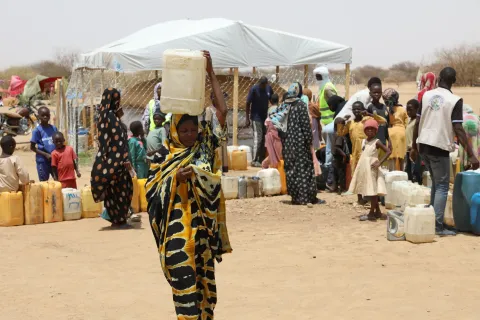
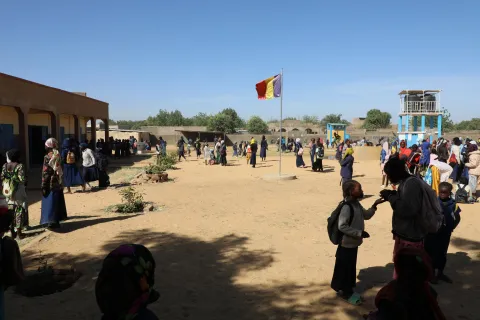
Since the conflict in Sudan started in April 2023, over 700,000 refugees, mostly women and children, have fled to eastern Chad. They are mainly staying in the provinces of Ouaddaï, Wadi Fira and Sila, where the sudden increase in needs is putting a strain on basic services like water, sanitation and healthcare that were already limited.
To respond to this emergency, UNICEF, with support from the Government of Japan, is carrying out interventions to improve access to water, sanitation and nutrition for affected communities while helping families become more resilient.
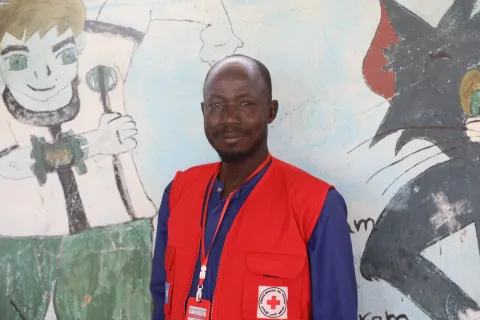
On a sunny morning at the health centre in Farchana, located in eastern Chad, the therapeutic nutrition unit is filled with mothers. Their children, admitted days or weeks ago for severe malnutrition, are about to be discharged. Before heading home, the mothers take part in a hygiene and sanitation awareness session. Using a picture box, the community health worker explains essential hygiene practices to help protect the health of their children and families.

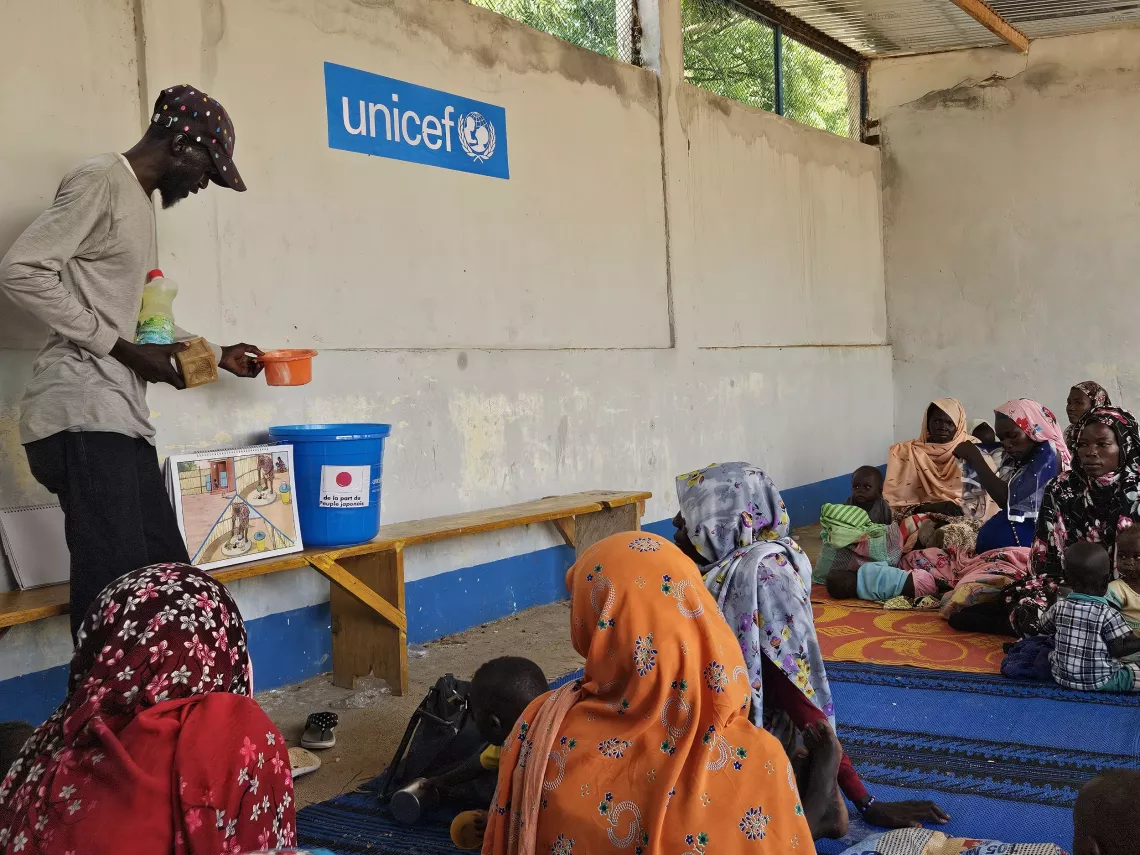
Arafa Ibrahim, 27, a Sudanese refugee who has been living in the Farchana camp for a year, feels relieved today. Her 20-month-old daughter, Bara Djouma, was suffering from severe malnutrition but her condition significantly improved after intensive care. Before heading home, Arafa attended a session on good hygiene practices and received a kit to help improve their daily well-being.
"Thank you, this kit will be very useful for me and my family."

On the same day, Bara Djouma, a young Sudanese refugee living in the Farchana camp, also received a kit. Her 20-month-old daughter had been suffering from malnutrition but has regained her health after two months of treatment.


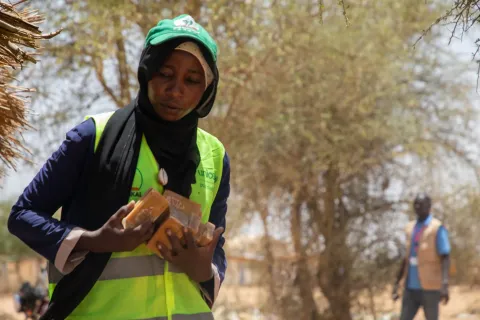
After the awareness sessions, each mother is provided with a hygiene kit, like the ones given to Arafa and Bara. These kits include buckets, soap and disinfectants, aimed at improving their daily lives and preventing waterborne diseases.

With support from the Government of Japan, UNICEF has distributed over 2,000 WASH kits to children admitted for severe malnutrition and their families in affected areas, helping to improve basic hygiene and prevent waterborne diseases. Additionally, nearly 40,000 refugees and members of host communities now have access to safe drinking water, sanitation facilities and awareness sessions promoting good hygiene practices. These efforts help reduce tensions over access to resources, foster social cohesion, and meet urgent needs while building lasting resilience in eastern Chad's provinces.