Child-Friendly Spaces, more than just a place for fun!
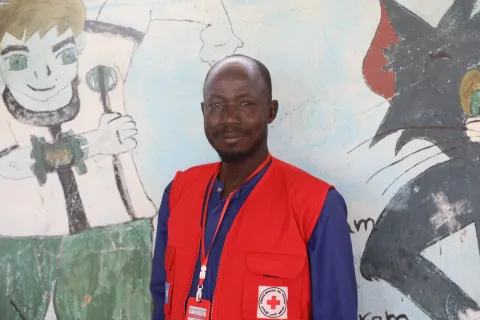
"Child-friendly spaces help children recover from trauma. We can see and feel it – Djedé, Child Protection and Gender-Based Violence Prevention Officer in Adré, eastern Chad, at the border with Sudan.
- English
- Français
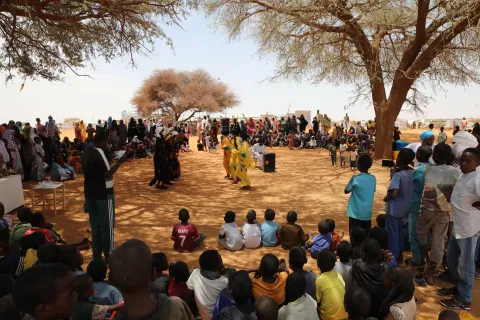
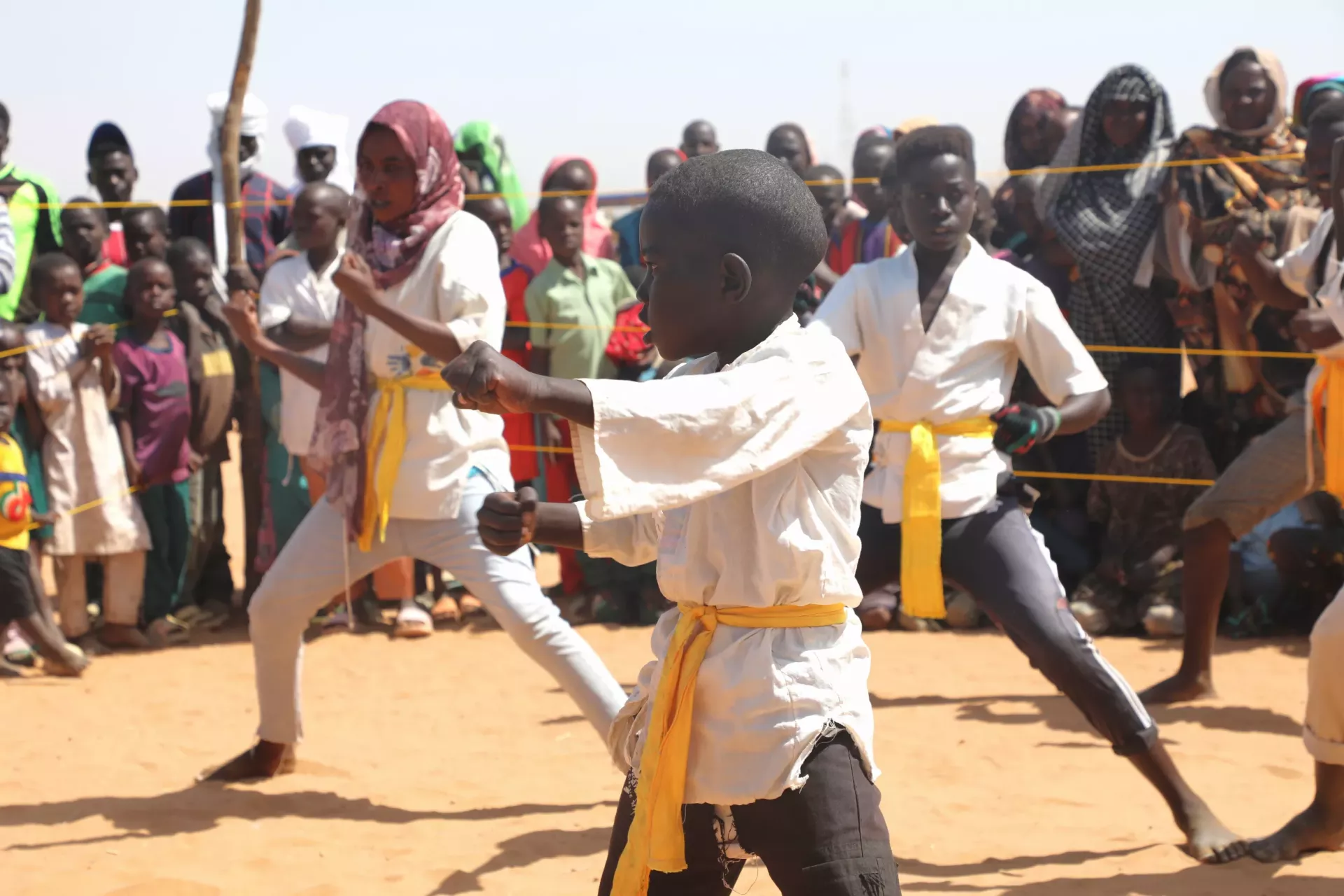
Kiai (karate shouts) echo in the air as Yassir and his training group perform an impressive demonstration. Around them, peers and passersby watch in fascination.
Moments later, young girls take the stage, showcasing a lively choreography to Sudanese rhythms.
"I discovered karate on TV," says Yassir, a shy smile on his face.
The young boy fled to Chad with his family in May 2024, escaping the violent conflict that is devastating his homeland, Sudan. Though he is now safe from the war, he still longs for home.
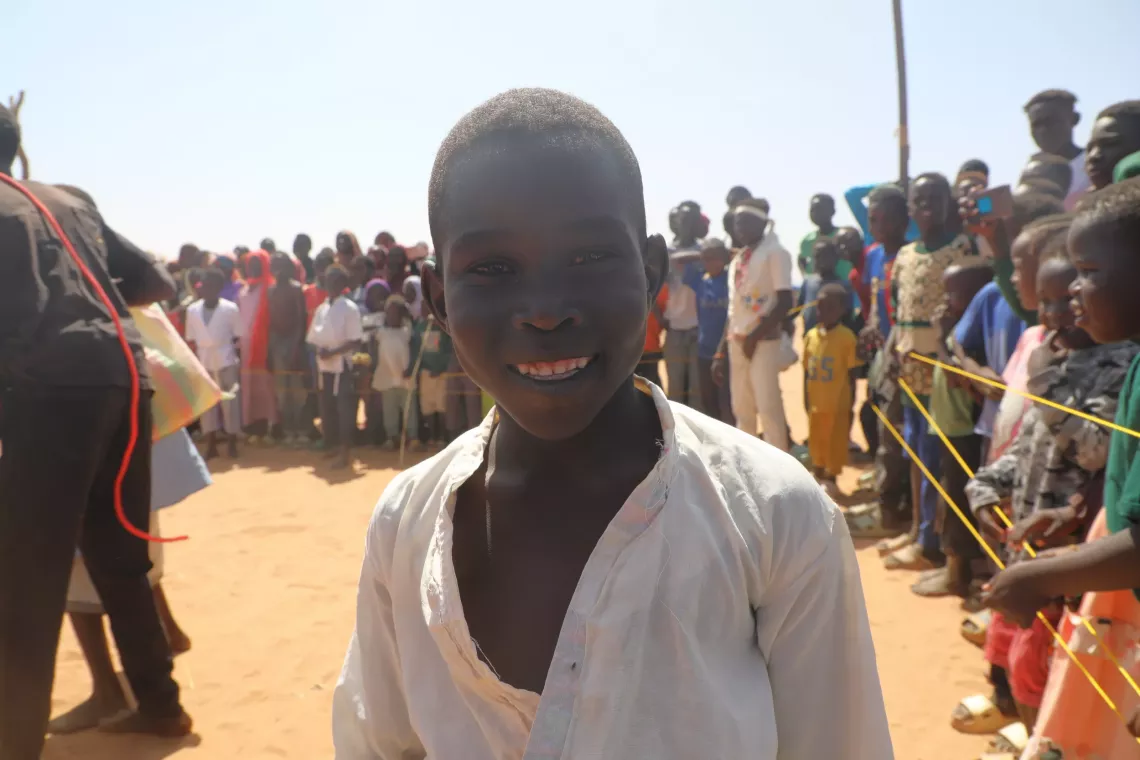
I want to go back, see my neighborhood and my friends—but only if the war ends.
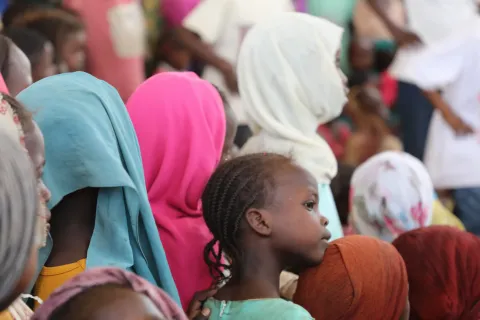
Since the outbreak of the conflict in Sudan in April 2023, nearly 950,000 Sudanese refugees and Chadian returnees, mostly women and children, have sought refuge in Chad, primarily in the eastern part of the country.
Yassir finds comfort in karate, a passion that makes him feel stronger and safer. "I love karate. It makes me feel strong, and it can help me defend myself," he adds.
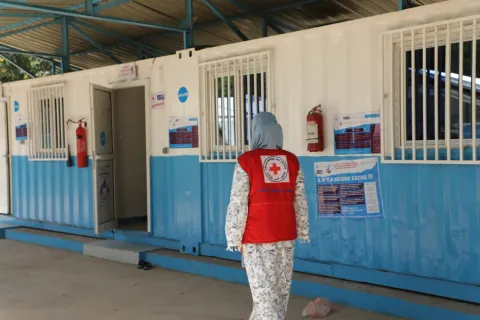
The initiative benefiting Yassir and over 700 other children at the Adré refugee site is part of UNICEF's mobile child-friendly spaces strategy, implemented in collaboration with the Chadian Red Cross. It provides refugee children and those from host communities not only with play areas, learning spaces, and opportunities for sports activities—creating essential moments of well-being for their balance—but also with psychosocial support and listening opportunities. Given the vastness of this informal site, home to over 237,000 people, including approximately 65% children, activities are organized at different locations, allowing children, even those unable to move, to reconnect with their peers and participate in recreational, educational, and psychosocial support activities.
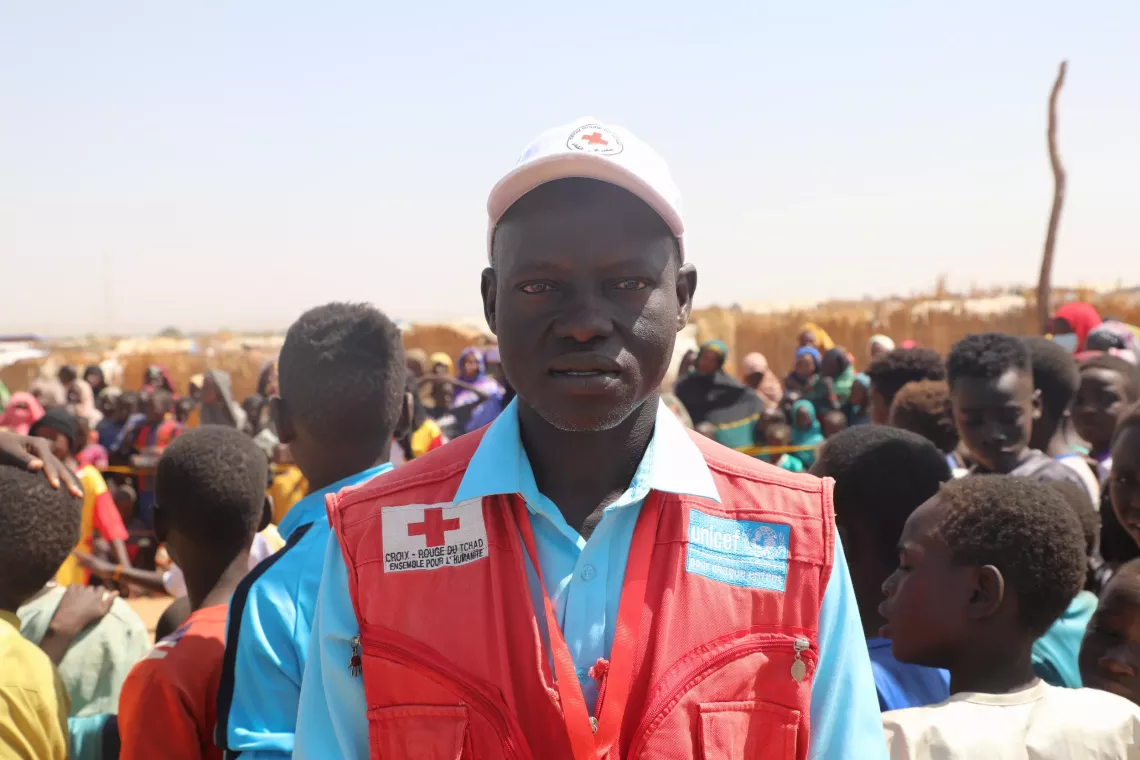
When they first arrived, many children expressed their trauma through drawings—depictions of weapons, tanks, and war scenes. " Gradually, thanks to psychological support and recreational activities, these dark memories are replaced by smiles and colorful drawings of flowers and portraits of their friends.
"Child-friendly spaces have a real impact on children. You can see it and feel it; here, they find joy in being together and having fun" he adds.
A wide range of activities is available: drawing, dancing, singing, volleyball, football, karate, and more.
UNICEF and the Chadian Red Cross have set up these initiatives to provide comfort to refugee children, helping them cope with the trauma of war and dream again.
For Yassir and many others, karate and other activities are more than hobbies. They are tools of resilience, helping them rebuild their lives and dream of a brighter future.