Shots of Hope
50 Years of Saving Lives Through Immunization
- English
- Français
Today, World Immunization Week celebrates the 50 years of the Expanded Programme on Immunization (EPI). In merely 50 years, we have transitioned from a world where parents often feared the loss of their children to a world where every vaccinated child has the opportunity to not only survive but also flourish.
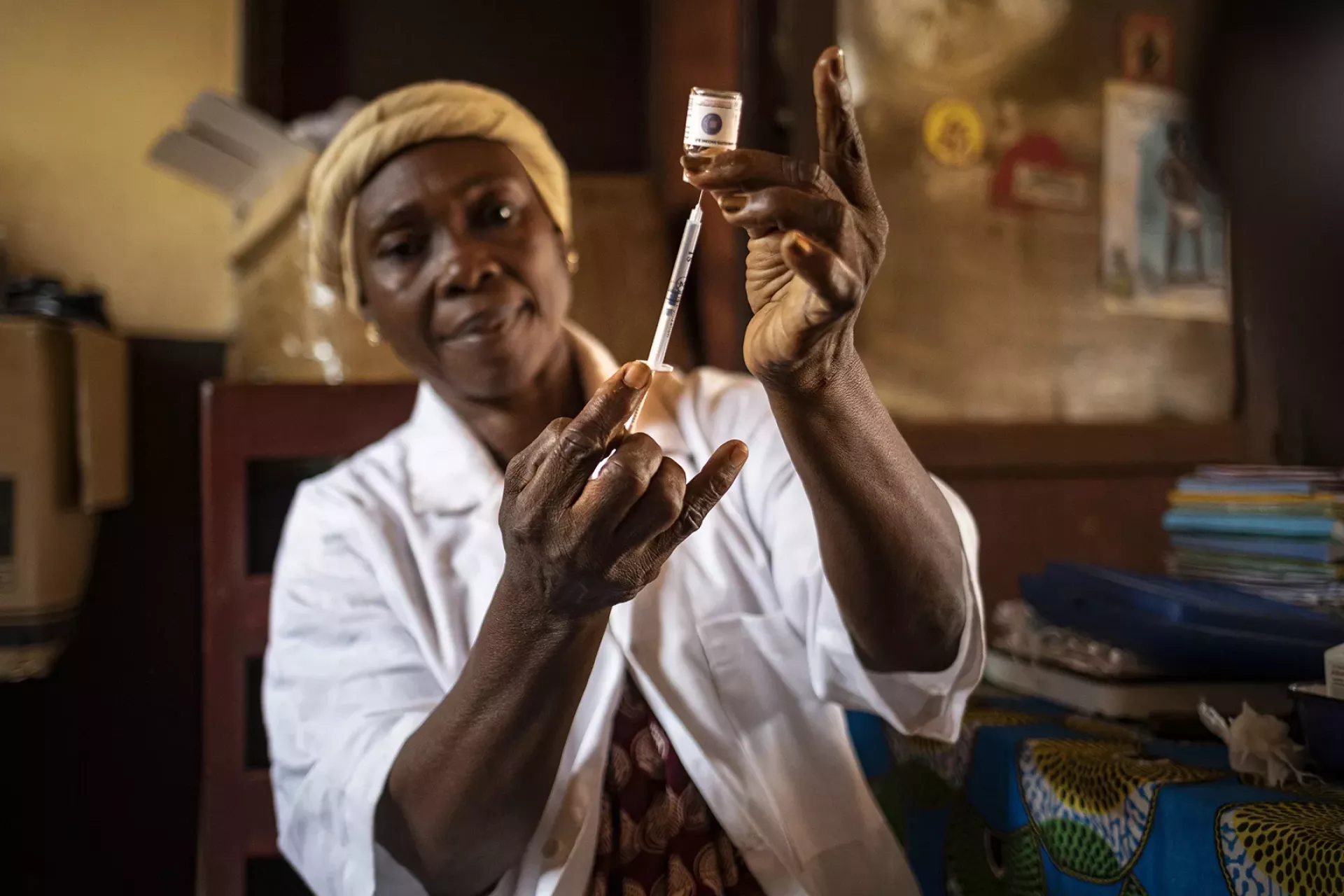
The EPI is an initiative inaugurated by the World Health Organization in 1974. It stands as a monumental global undertaking aimed at guaranteeing equal access to life-saving vaccines for children worldwide. This initiative not only pioneered the provision of essential vaccines but also introduced the vaccination card, meticulously documenting each child's required immunizations and dosages, ensuring comprehensive healthcare tracking.
In the Central African Republic, the EPI is supported by financial partners GAVI, the Vaccine Alliance, USAID, Rotary, Bill & Melinda Gates, the World Bank, the Global Canada Affairs, the European Union and the CDC and technical partners UNICEF & WHO.
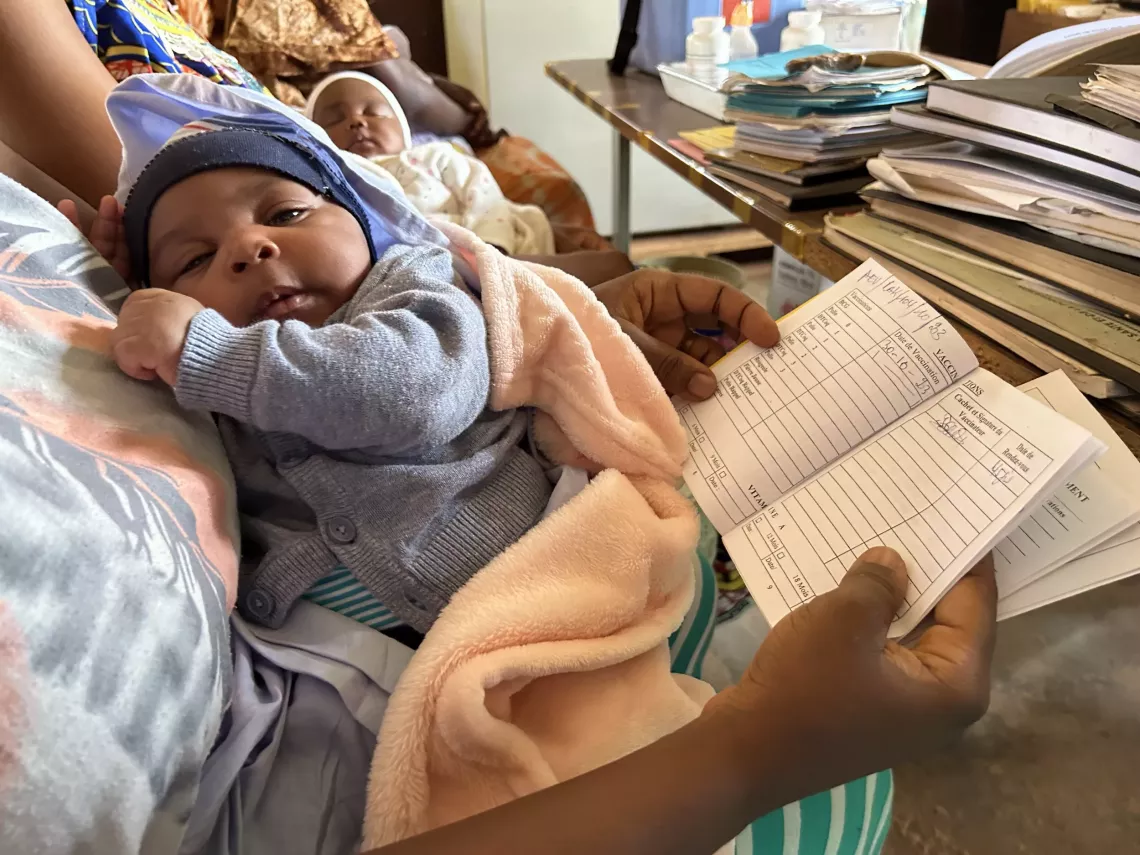
In the Central African Republic, the government launched the EPI (Expanded Programme on Immunization) in 1975, thus saving thousands of lives. To ensure the efficacy of routine vaccines, children must receive the required doses according to schedule, beginning at birth and continuing until they reach one year of age. Additionally, they should receive any supplementary doses during vaccination campaigns, as announced by the Ministry of Health and Population.

In the Central African Republic, the government with partners have been working relentlessly so children can lead healthy and quality lives, without having the impact of a childhood spent battling preventable illnesses. The proportion of health districts with at least 80% coverage of pentavalent vaccine increased from 54% in 2022 to 60% in 2023.

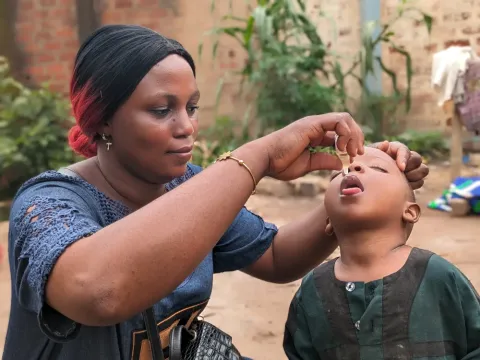
Since 2020, CAR has proudly maintained its designation as a 'polio-free' nation, indicating the successful containment of wild poliovirus transmission within the borders. To maintain this status, the Ministry of Health & Population implements comprehensive immunization programmes and regular national vaccination campaigns. In 2023, the Government with support from partners UNICEF & WHO organized two campaigns vaccinating more than 1.7 million children aged 0-59 months against polio during each round.
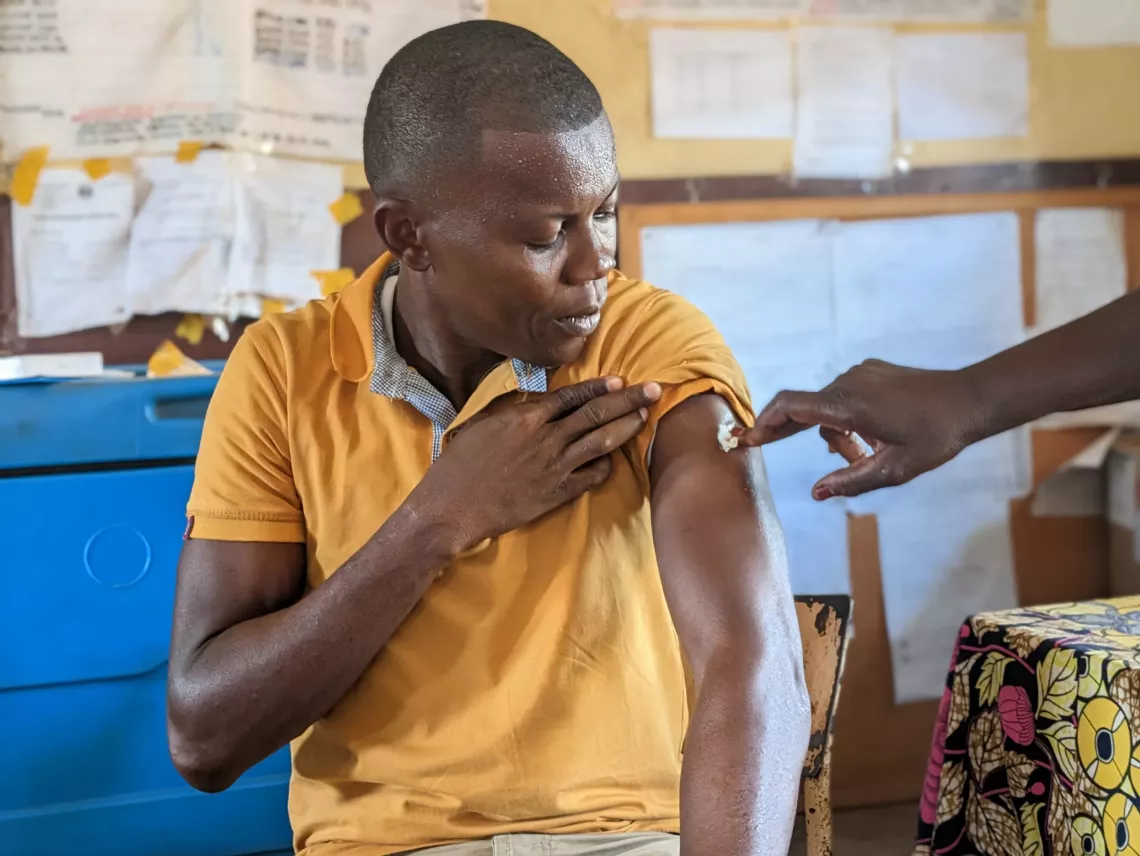
Despite the challenges, the Central African Republic reached one of the best COVID-19 vaccine coverage in the region by integrating it in all immunization campaigns. This proactive approach has enabled the country to maximize vaccine uptake and ensure widespread protection against COVID-19 across diverse communities. By the end of 2023, 49% of the population aged 15 and over had received at least one dose of COVID-19 vaccine.
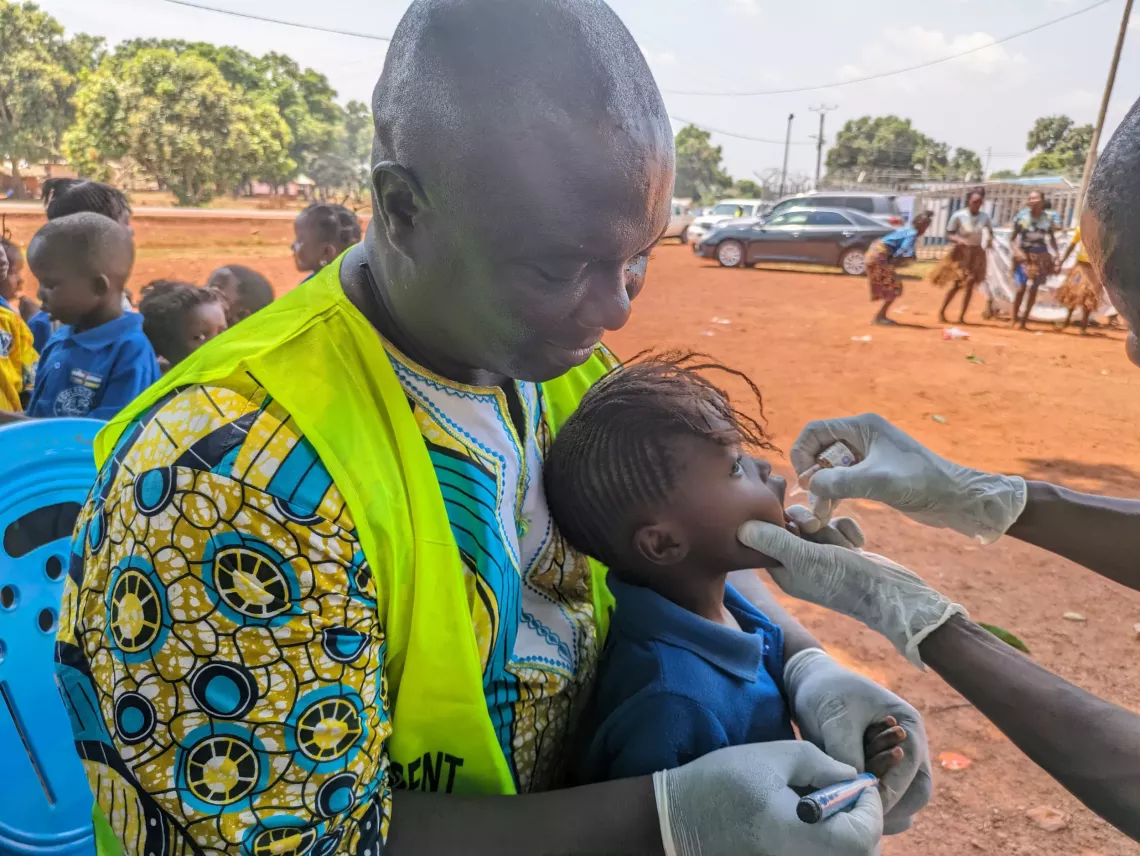
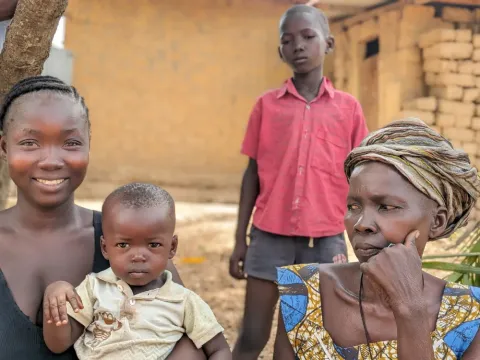
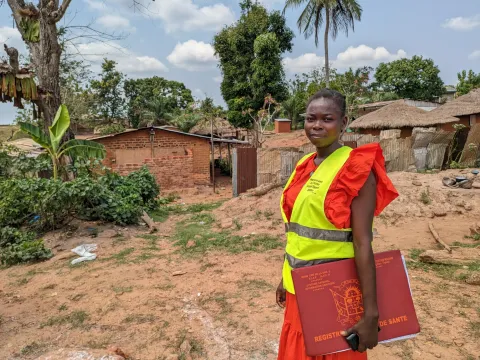
Community health workers play a vital role in expanding coverage, acting as crucial links between local populations and health services. Their proximity to communities, ability to provide accurate information and dispel myths about vaccines, as well as their commitment to reaching the most remote areas, help build trust and acceptance of vaccines, thereby improving public health and reducing the burden of vaccine-preventable diseases.
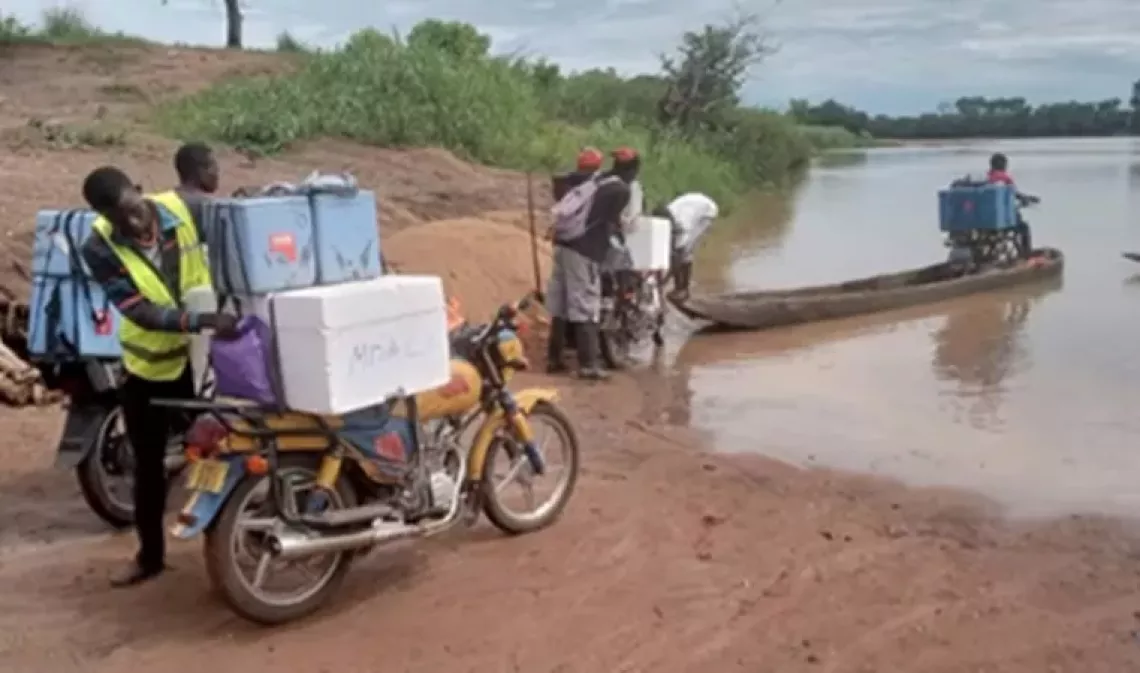
The transportation of vaccines in cold boxes is absolutely essential to guarantee their delivery in good conditions, especially in the most isolated regions of the country. The poor condition of the road network significantly complicates this already challenging task. Despite these obstacles, UNICEF and its partners tirelessly employ various means—be it trucks, motorcycles, or even dugout canoes—to ensure that every child, no matter how remote their residence, has access to life-saving vaccines.

Recurrent power outages pose a major challenge for the proper storage of vaccines. To ensure safe vaccine storage, solutions to maintain a constant refrigeration temperature are needed nationwide. Over the past two years, UNICEF, with the support of its partners USAID, the World Bank, and GAVI, has provided the Ministry of Health and Population with 755 solar refrigerators and freezers, two ultra-cold freezers, 2,910 cold boxes and vaccine carriers, 180 solar lighting kits, 11 generators, and six refrigerated vehicles, in addition to the construction and rehabilitation of seven cold rooms.