Sensitization and reinforced preventive measures to fight monkeypox in Mbomou
In Mbomou, the fight against monkeypox continues
- English
- Français
It was 10h in the morning at Tondomazoma health centre, in the Ouango sub-Prefecture, in Mbomou, when Paul came in carrying his 9-year-old daughter, Roxette, in his arms. Next to him, his wife Marianne, scared to death, wept endlessly: Roxette’s body was covered with eruptive skin lesions, suffering from fever and excruciating pain.
« Everything started two weeks ago, when my little one-year old boy Martial, touched a dead rodent and got infected with monkeypox. A few days later, his siblings got a severe rash. But this morning, Roxette, his sister, had high fever and started feeling more pain. We feared that she could develop serious complications, so we rushed her to the health centre of Ouango-Gambo », said Paul.
Once in the health centre, and after having taken all mandatory precautions, the health agents examined Roxette. They had no doubt that she had monkeypox, a disease that has hit the area. Thanks to the support of the USAID, they provided the necessary treatment without delay and gave to her parents the advice and important information on her treatment.
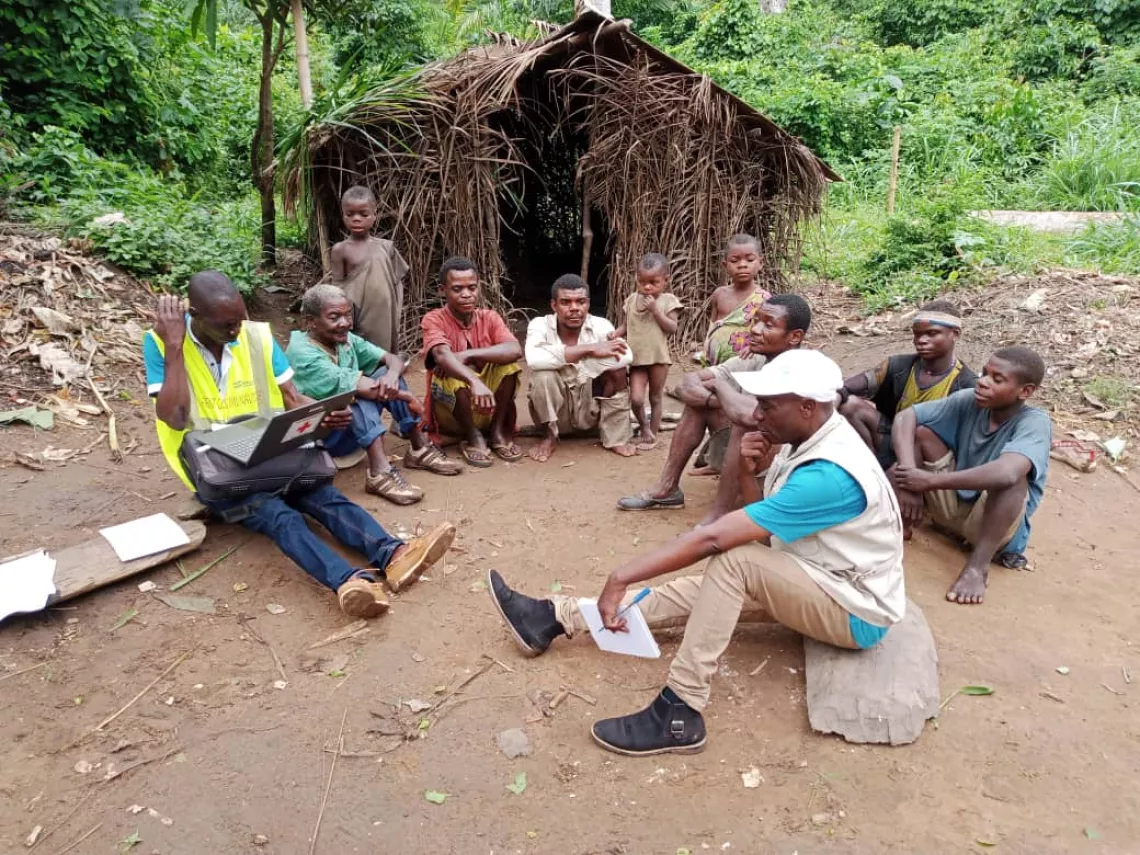
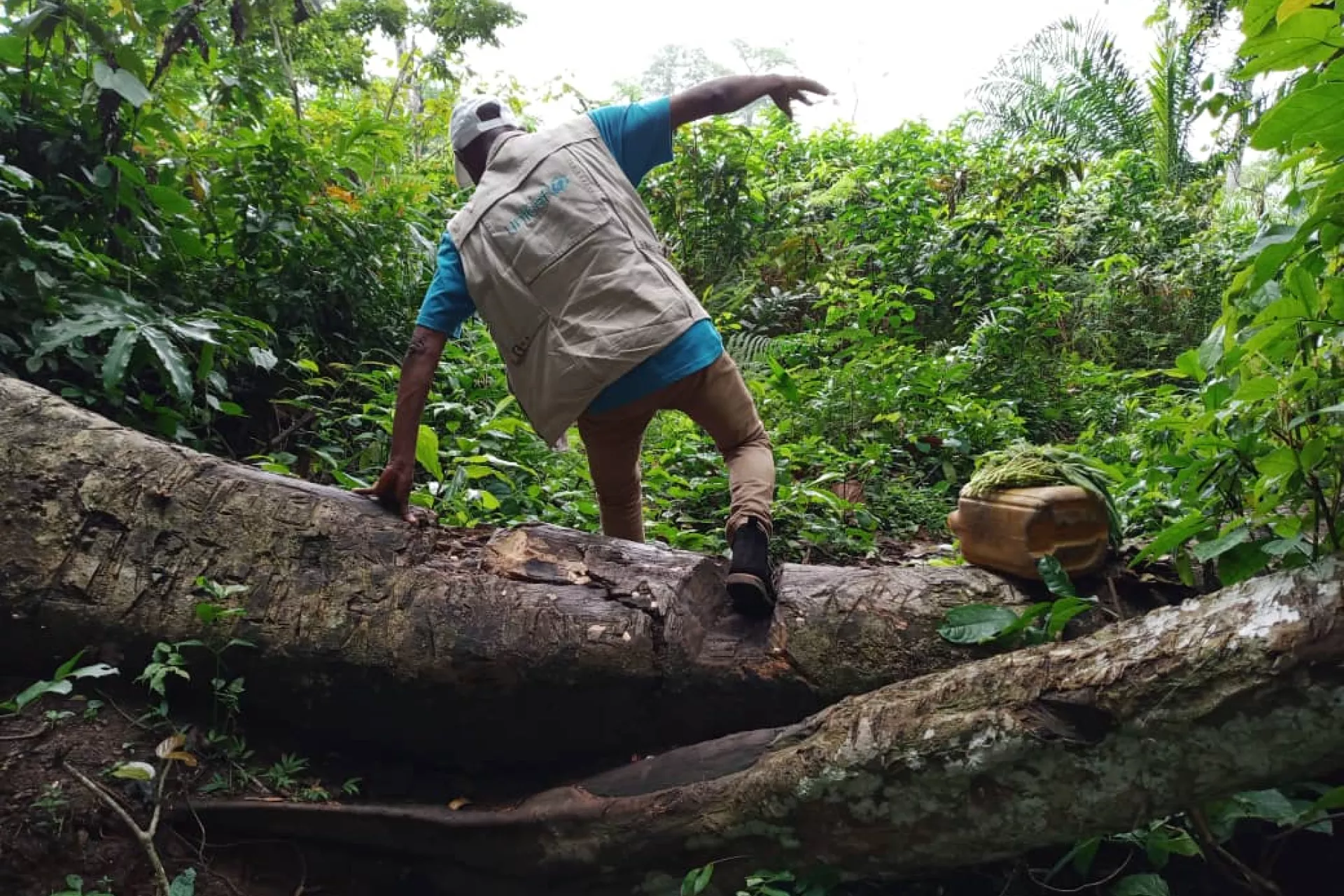
According to Paul, the sessions conducted by community mobilisers helped him, and others, identify the symptoms of several diseases, including monkeypox. The community and outreach mobilisers are the spokespersons spreading information to reach the largest number of people. They move across communities, including those in the most remote villages, to raise awareness on monkeypox, explain how to prevent it and what to do once symptoms appear.
« Thanks to their explanations, we were able to know when and where to take our little girl to the health centre to protect her from this disease, which could be life-threatening », he added.
« Now, I am aware of the danger that we, the villagers, can face when we hunt and take animals already dead as food. I am in favour of these awareness sessions because I would like to see my community equipped with more knowledge and better prepared to face difficult situations such as this one. Moreover, I would like to see my older children participating in these sessions so they understand better how to remain in good health, avoid diseases and be able to help the community. I am convinced that prevention is the only way to protect my neighborhood », concludes Paul.
The project, supported by USAID, has contributed to controlling the monkeypox epidemic in the health districts which were more at risk in 2022-2023. It made it possible to train partners on the sampling procedures keeping in mind which kind of samples need to be collected, how to pack them and the safety measures to put in place during the transport to the referral laboratories. They also trained laboratory assistants on biosecurity during stockage, transport, as well as during the elimination of samples. The project also provided technical support to reinforce the epidemiological monitoring of suspected monkeypox cases, including the case definition, the alert management, and the tracking of contacts. Finally, it gave technical support to the elaboration of a national plan of community engagement as well as of management of risks linked to the monkeypox.