What does menstruation mean to you?
In South West Cameroon, young people are breaking the silence and helping their peers navigate menstrual hygiene management with dignity

For some adolescents, the word “menstruation” brings embarrassment. For others, it raises questions they are afraid to ask. In some communities, myths and misconceptions still surround a natural biological process experienced every month by millions of girls and women. For adolescent girls living in crisis-affected communities, these challenges can be compounded by poverty, displacement, limited access to menstrual hygiene products and inadequate water and sanitation facilities.
However, in the North-West and South-West, a growing group of young people have decided to approach menstruation differently. Rather than treating menstruation as a taboo or embarrassing topic, they are informing themselves, speaking out openly, and helping their peers gain a better understanding.
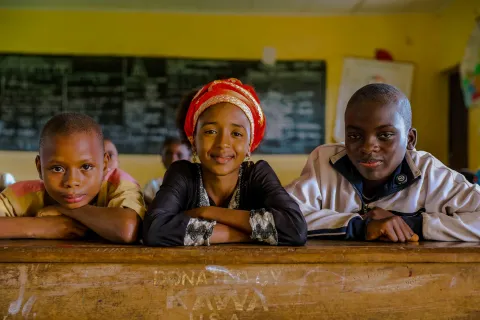
Through UNICEF and its partner Royalty World, these young people are being trained as Dignity Ambassadors. Both adolescent girls and boys use their knowledge and leadership to raise awareness around menstrual health and hygiene, creating a supportive environment where everyone feels comfortable discussing the topic without shame.
Turning knowledge into action

Peer education relies on a simple but powerful idea: young people can learn better from other young people. UNICEF-supported peer education approaches equip adolescents with accurate, age-appropriate information and communication skills so they can share what they have learned with their peers through discussions, mentorship, group activities and other forms of dialogue. In Cameroon, UNICEF has used peer educators to create spaces where adolescents can openly discuss issues including hygiene, gender-based violence, life skills and menstrual hygiene.
When it comes to menstruation, this approach is particularly effective. While A teacher, health worker or humanitarian organization may introduce the information, a young person who understands the same questions, fears and social pressures as their peers can help make the conversation easier. Once informed, these young people can become a bridge within their communities, taking conversations about menstruation into classrooms, youth groups, homes and community spaces.
This is the core mission of the Dignity Ambassadors supported through UNICEF and Royalty World in crisis-affected communities. More than just recipients of information, they become young advocates who can help others understand that menstruation is normal, that girls deserve dignity and that boys and communities also have an essential role to play.

“Menstruation is not a taboo”
For Kiseh Blessing, becoming a Dignity Ambassador changed her perspective on menstruation and the way she talks about it with other young people.

Her message is direct, but important. When a subject that was once surrounded by silence becomes something young people can discuss openly, they are better able to ask questions, seek support and share accurate information with others.
Confidence starts with understanding

For Ntui Blessing, her role as a Dignity Ambassador is an opportunity to share practical daily hygiene tips with other girls and friends. She talks to them about menstrual hygiene, including changing sanitary materials regularly, bathing and maintaining personal hygiene during menstruation.
“I educate young girls and our friends about the importance of taking good care of yourself during your monthly period. This includes changing your pad regularly and bathing regularly to avoid infections and unpleasant odors. When you take care of yourself and maintain good hygiene, you feel more confident around your friends.”
In crisis affected communities, this confidence is vital Menstrual health goes beyond managing a biological process; it is also about ensuring that girls can participate in school and community life without shame or fear.
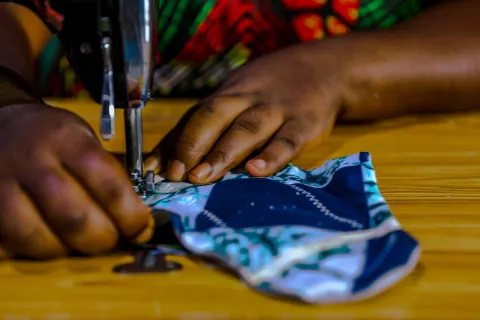
UNICEF and Royalty World are combining menstrual health education with practical support such as dignity boxes, menstrual hygiene materials and reusable sanitary pads. The integrated approach ensures that girls have both the knowledge and the materials they need to manage menstruation safely and with dignity.
Boys have a role too

Menstrual health is often viewed solely as an issue for girls. However, Brandon believes boys have an important role to play in creating a supportive environment.
By learning about the menstrual cycle, he gained a deeper understanding of what girls go through and how to support them rather than stigmatize them
“It is not only girls who are supposed to learn about menstruation. We, as boys, also need to understand what it is all about so that we can help girls and educate other young people on menstrual hygiene. A friend once told me that it was ‘that time of the month’, and instead of just looking for a solution, I understood that she needed someone to talk to. I believe more boys should learn about menstruation so that girls do not feel left out when these issues are being discussed."

Brandon’s experience highlights an important part of menstrual health education: girls should not have to carry the responsibility of breaking the stigma alone. Boys, teachers, parents and communities must all contribute to building an environment where menstruation is understood and respected.
“They should be supported, not pushed away”
For Raphael, his commitment as a Dignity Ambassador grew out of a simple realisation: menstruation is a natural part of growing up.
“I took on this role because I came to understand that menstruation is a normal thing that girls and women experience. As young men, we should understand that it is normal and that girls should not be stigmatised or criticised because of it. During this period of their lives, they need people to stand with them and support them, not stay away from them. Since taking on this role, I have made it a point to speak with my friends and educate them.”
One young person learns, then speaks to a peer. That peer shares the knowledge with a friend, a sister or a classmate. Step by step, a once difficult conversation becomes normal.
From crisis to confidence

Despite displacement, poverty and disrupted services, many girls continue to experience their first periods, manage monthly cycles and attend school. UNICEF's work therefore combines menstrual health education with access to essential supplies and support for schools and Temporary Learning Spaces.
The Dignity Ambassadors add another layer to this response. They help take the conversation beyond formal training sessions and into the everyday spaces where young people live and learn.
A single conversation between friends can challenge a myth. A boy who understands menstruation can choose not to tease a girl. A girl who understands her menstrual cycle can help another girl feel less afraid. A young person who has learned the facts can become a trusted source of information for others, and this is how peer education can turn knowledge into community action.
The work is made possible with the generous support of the Government of Japan, whose contribution is helping strengthen menstrual health and dignity for children and adolescents affected by crisis.
Everyone has a role to play
Breaking the silence around menstruation cannot be the responsibility of girls alone. Parents can create safe spaces for conversations at home. Teachers can ensure that girls can seek help without embarrassment. Boys can learn, listen and support their peers. Community leaders can challenge harmful myths and stigmas. Schools can invest in safe WASH facilities and menstrual hygiene materials. Humanitarian actors and partners can ensure that menstrual health remains part of emergency responses.
The Dignity Ambassadors are already showing what is possible when adolescents are given the knowledge, confidence and space to speak
The question is simple: What does menstruation mean to you?
For these young ambassadors, it means an opportunity to learn, to educate and to stand with their peers.
Now, they are helping make sure that menstruation is no longer a subject to hide from, but a conversation that can protect dignity, strengthen confidence and help girls stay in school.
Join the conversation. Talk about menstruation. Challenge the stigma. Listen to young people. And help create schools and communities where every adolescent can manage menstruation with knowledge, dignity and confidence.