PETVISIDAME: A multisectoral synergy advancing maternal and child health in Batouri
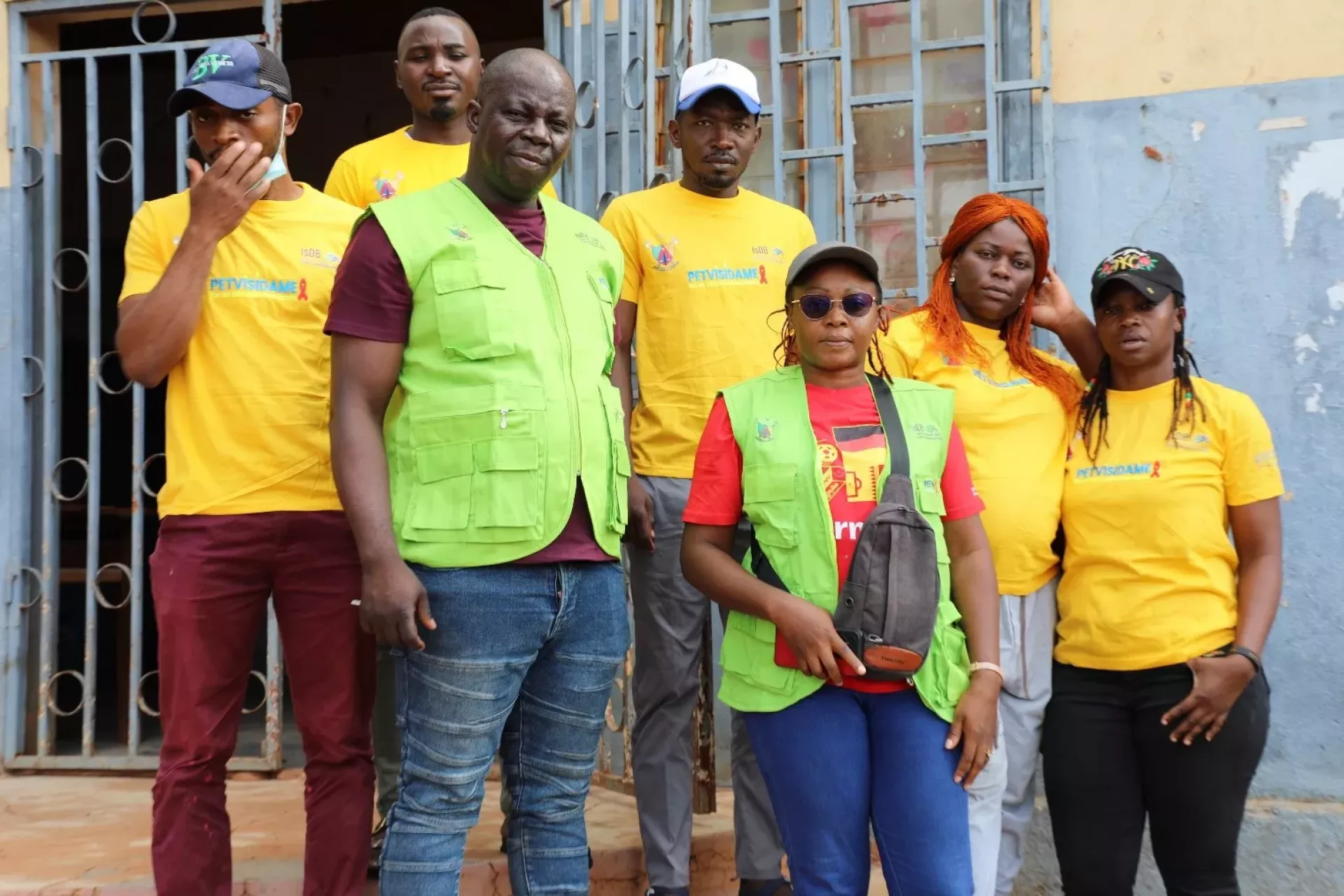
In East Cameroon, PETVISIDAME, led by UNICEF and funded by Cameroon and IsDB, transforms health systems to eliminate HIV transmission through integrated community care.
- English
- Français
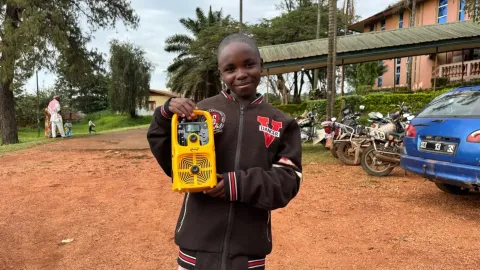
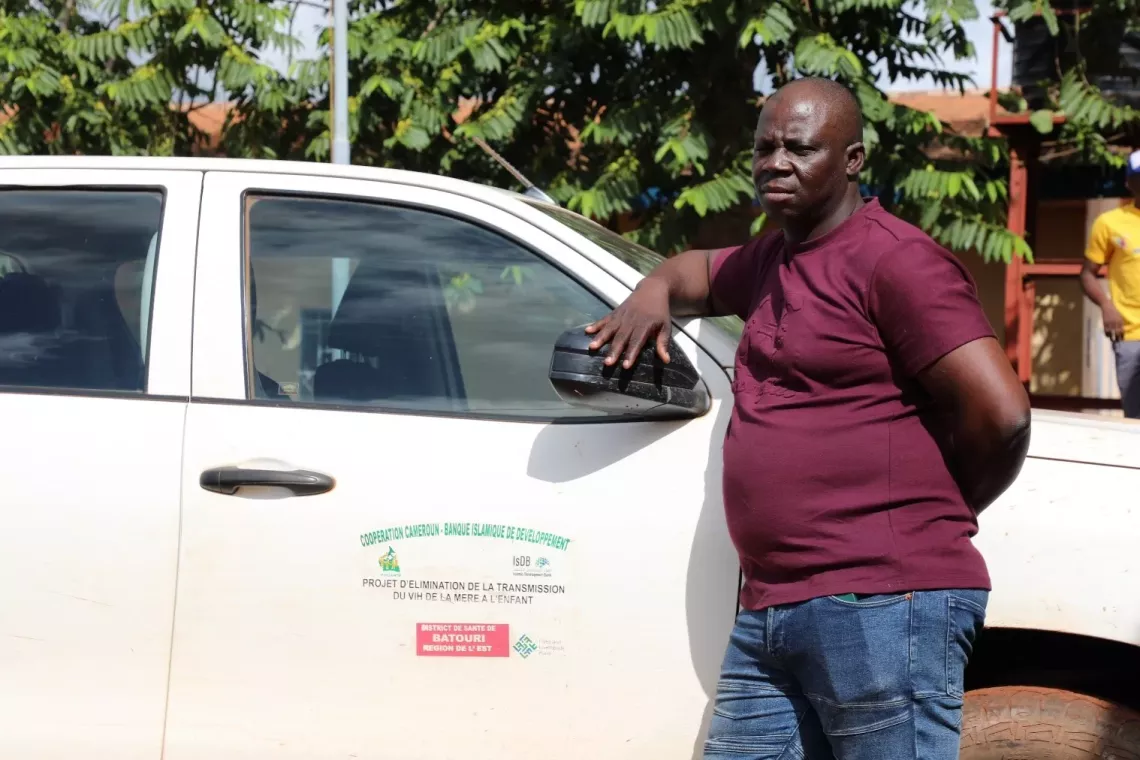
At the heart of the strategy lies a focus on early diagnosis, maternal and childcare, and biological monitoring of patients. In Batouri, this vision has materialised through the deployment of Point of Care (PoC) devices, enabling fast and reliable diagnostics, a breakthrough welcomed by healthcare professionals. This is complemented by robust logistical support: off-road vehicles, motorcycles, and essential medical supplies now allow health teams to reach even the most remote areas.
“With these vehicles, we were able to move around freely, even during the rainy season. That’s how we managed to carry out testing, vaccinations, and nutritional follow-ups directly within communities,” says Jean-Yves Beng, District Health Officer of Batouri
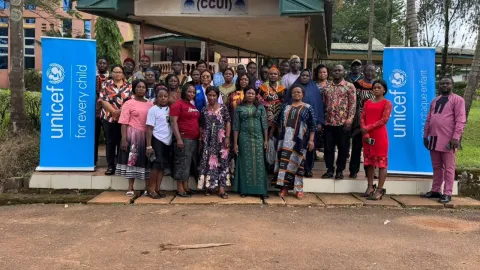
One of PETVISIDAME’s greatest strengths lies in its intersectoral approach, which has successfully brought together stakeholders beyond the Ministry of Public Health. In Batouri, the project mobilised partners such as the Ministry of Youth, the Ministry of Social Affairs, and the Ministry for the Promotion of Women and the Family. This convergence of expertise has enhanced the effectiveness of community-level interventions and helped reach populations often excluded from traditional healthcare systems.
“I was pleased to see that the Ministry of Youth, the Ministry of Social Affairs, and the Ministry for the Promotion of Women and the Family were all involved,”
“Who better than the Ministry of Youth to mobilise the population?”
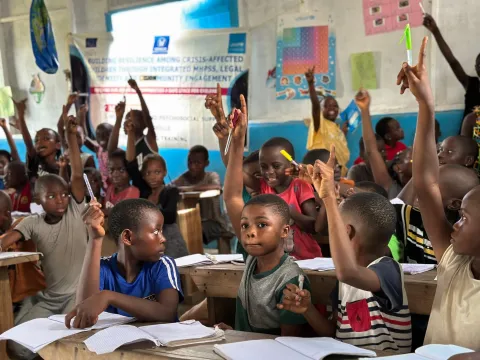
Thanks to this multisectoral coordination, awareness campaigns reached youth in schools, people living with disabilities, and communities in remote areas, making health action more inclusive, targeted, and sustainable.
Tangible impact and measurable results
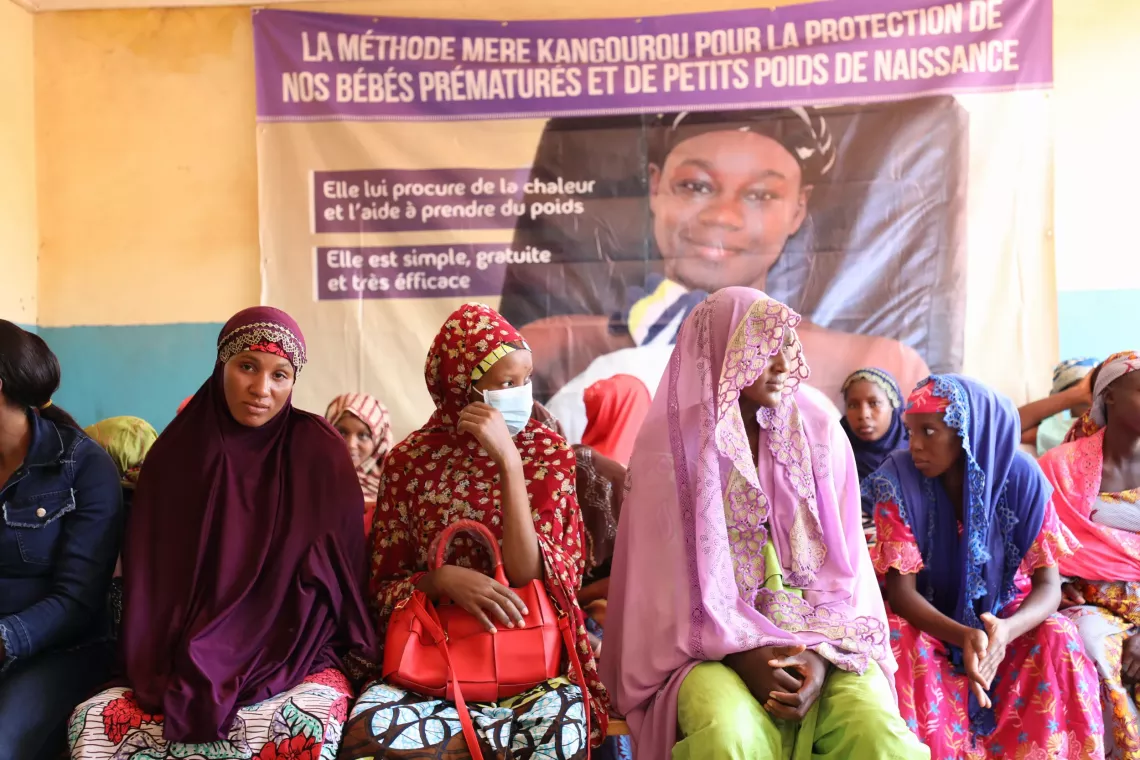
The impact of the PETVISIDAME project is reflected in significantly improved public health indicators. In the Batouri health district, remarkable progress has been made in the prevention of mother-to-child transmission (PMTCT) of HIV. Through resource mobilisation, team training, the use of Point of Care devices for viral load testing, and strengthened logistics, interventions have become more efficient and impactful.
“There has been a major improvement in the quality of care,” notes Jean-Yves Beng, District Health Officer. “We’ve moved closer to achieving the 95-95-95 targets,” he adds, highlighting a crucial step forward in reducing new pediatric HIV infections.
The daily availability of diagnostic tools and the regular outreach to communities have also enabled better patient follow-up, with more precise and effective counselling and corrective actions.
Challenges ahead to sustain the gains
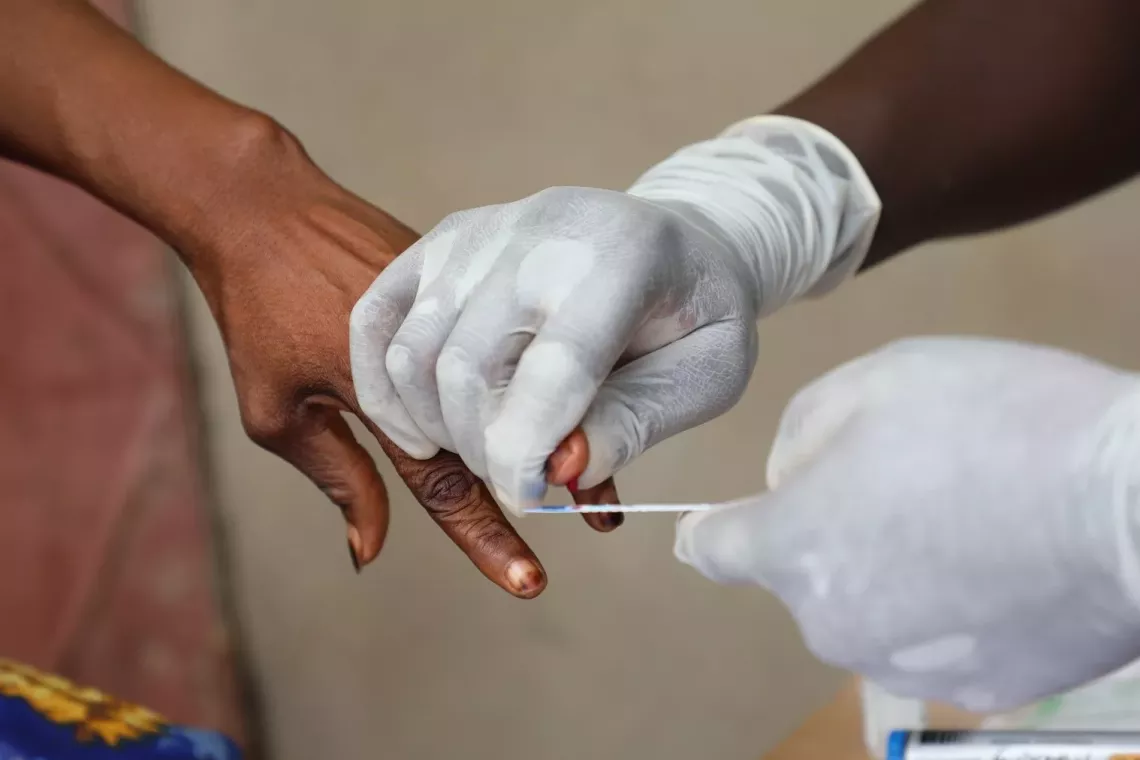
Despite encouraging results, the sustainability of the project depends on resolving several persistent challenges. Stockouts of supplies, particularly for biological tests used in "Point of Care" devices, are a major obstacle to the continuity of care.
“At one point, we experienced stockouts of supplies for the Point of Care,” lamented the Health District Chief, noting that “the consumption of these supplies was very high due to regular field sampling.”
The lack of transportation for health facility managers also hinders effective coverage of remote areas. He advocates for equipping them with motorcycles to improve their mobility.
“Even if the district has a vehicle, the same is not true for the heads of health areas, who sometimes have to travel 20 kilometers.”
At the same time, the reduction in operating funds and the irregular availability of personnel, especially interns, raise concerns about the local capacity to maintain progress without external support.
“Even our operating funds keep decreasing every year,”
These challenges highlight the need for strengthened support to ensure sustainability, as well as a clear vision to transition toward a resilient and autonomous health system.
A call to action for national coverage
The message is clear: “What we have achieved here can and must be replicated elsewhere. All districts in Cameroon deserve this momentum.” The success in Batouri demonstrates that with an integrated approach, appropriate logistical resources, and enhanced intersectoral coordination, the elimination of mother-to-child transmission of HIV is an achievable goal. It is now essential to extend these interventions to other health districts in Cameroon, to ensure no child or mother is left behind in the march toward progress.
A message of gratitude from the field
For the Health District Chief of Batouri, the impact of the PETVISIDAME project is undeniable, and the partners who made it possible deserve heartfelt recognition. “We can only say thank you to UNICEF, because what this partner has done for us is beyond comprehension. We couldn’t even begin to list everything UNICEF has contributed; it would take all day,” he said emotionally. He also highlighted the crucial role of the Government of Cameroon, the project’s main funder, stating: “Thanks to the Government of Cameroon and the Islamic Development Bank for making this project a reality. With this support, we have seen our district transform tangibly, and this has a direct impact on mothers, children, and communities.”
To him, PETVISIDAME is living proof that a strengthened, well-equipped, and coordinated health system can truly change lives. He concluded with conviction: “If we could extend what we’ve experienced here to all other districts in Cameroon, it would be a revolution. Thanks to UNICEF and its partners, we’ve made a giant leap forward.”
The PETVISIDAME project is supported by the valuable Lives and Livelihoods Fund (LLF), a $2.5 billion development initiative launched in 2016. Financed by an unprecedented global coalition, this fund includes the Abu Dhabi Fund for Development (ADFD), the Bill & Melinda Gates Foundation (BMGF), the Islamic Development Bank (IsDB), the Islamic Solidarity Fund for Development (ISFD), the King Salman Humanitarian Aid and Relief Centre (KSRelief) and the Qatar Fund for Development (QFFD). These organisations are committed to lifting the poorest out of poverty in 33 IsDB member countries by addressing nine Sustainable Development Goals (SDGs) through projects in health, agriculture and basic infrastructure. We would like to express our deepest gratitude to these partners for their invaluable support.