A New Year’s First Cry: Baby John’s Journey of Identity, Protection, and Hope
How integrated civil registration and vaccination gave Cameroon’s first baby of 2026 protection start to life

As the clock struck midnight and a new year dawned over Cameroon. The maternity ward at Limbe District Hospital, Bota, came alive with anticipation. At exactly 12:00am, a cry filled the room, and it was the first cry of the year. Wrapped in warm blankets and placed in his mother’s arms, Baby John became the first baby born in Cameroon in the year 2026, a moment of relief, joy and renewed hope
For Baby John’s mother, Bih Marceline, the moment was deeply emotional. Living in Njohnji, a semi-rural locality in Limbe where livelihoods depend largely on farming and where the ongoing insecurity has disrupted access to basic services, reaching a health facility is not easy. Long distances, limited transportation, and safety concerns often delay parents from accessing essential newborn services such as vaccination and birth registration.

From his very first days, Baby John’s life reflects both the challenges many families face and the possibilities that emerge when systems truly work together. Thanks to the interoperability promoted by UNICEF, bringing civil registration services directly into health facilities, health workers were able to initiate his birth declaration immediately after delivery. This seamless integration between the health system and the civil registry ensures that every newborn can begin the process of obtaining a birth certificate without families having to travel long distances or navigate multiple administrative steps.
While birth registration is free of charge in Cameroon, lack of information, distance to civil registry offices, and insecurity often prevent families from completing the process on time. By connecting the maternity ward to the civil registry, interoperability helps overcome these barriers, reducing the risk that children grow up without a legal identity and are unable to fully access health care, education, and protection services.
Days after, Baby John received his BCG vaccination, giving him early protection against tuberculosis, a preventable disease that continues to threaten young children.

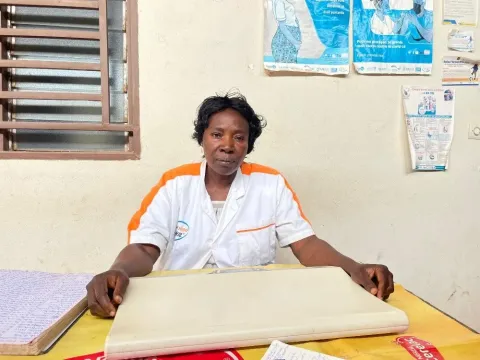
“It is necessary for a child to receive BCG early; it protects them from serious illness; the BCG vaccine is free and essential for every newborn”
Baby John’s story mirrors the reality of many families across the Southwest Region, where crisis, displacement, and limited access to services continue to put newborns and mothers at risk. Through close collaboration with the Government and partners, UNICEF supports the integration of birth registration into health services, strengthens routine immunization and raises awareness among families on the importance of early care.
For Marceline, holding her baby’s vaccination card brought reassurance.
“I feel happy and relieved knowing my baby is vaccinated and registered, soon he will get his birth certificate.”

Beyond immediate services, UNICEF consistently works to ensure that every child survives and thrives, from programmes supporting the first 1,000 days of life to advocacy initiatives like the “My Name” campaign, which brings together mayors and local authorities across the country to promote universal birth registration.
As the first baby born in the New Year, Baby John symbolizes both a beginning and a promise, a reminder of what is possible when families are supported and systems are strengthened. His first cry of 2026 is more than a celebration; it is a call to action to ensure that every child, everywhere, has the right to a name, a legal identity, and access to quality health care from the very first day of life.