On the Frontline Against HPV: Nkepmbou Helene’s Journey for vaccine acceptance
Mrs. Nkepmbou Hélène, a devoted nurse at Mokolo 1 Health Center, has served for 40+ years. Now leading HPV vaccination, she works to shield children from cancers caused by the virus.
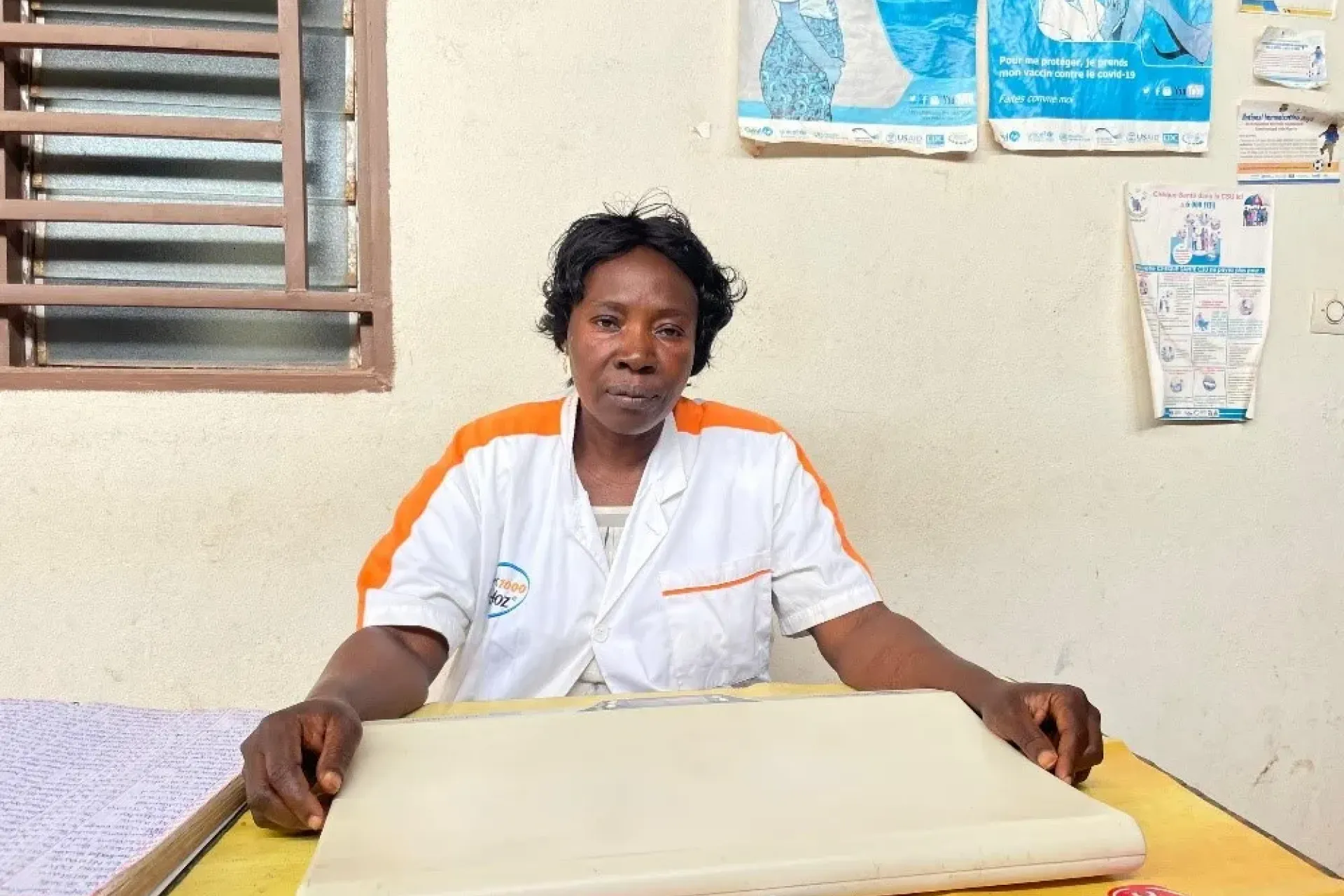
At the vaccination unit of the Centre de Santé Intégré in Mokolo 1, Mrs Nkepmbou Hélène, a dedicated nurse, has faithfully served her community for over four decades. Today, she is the focal point for HPV vaccination in her area, devoted to protecting children from the devastating cancers that can be caused by the Human Papillomavirus (HPV).
“When I think back to just two years ago, things were very different,” she recalls. “Parents didn’t understand what HPV was or the complications it could lead to, such as infertility and cancers of the cervix and penis. Many were also afraid of vaccines.”
Determined to make a difference, Mrs Nkepmbou and her team of community health workers organised mini health campaigns to raise awareness and encourage parents to vaccinate their children. However, they faced significant challenges.
“We held several mini campaigns at first, but very few people attended. It was discouraging,” she explains.
Undeterred, Mrs Nkepmbou and her team decided to adopt a new approach. They began visiting neighbourhoods to speak directly with parents and guardians. They explained, in simple terms, how HPV can cause cancers of the cervix, throat, and penis, and how a straightforward vaccine could help prevent these cancers.
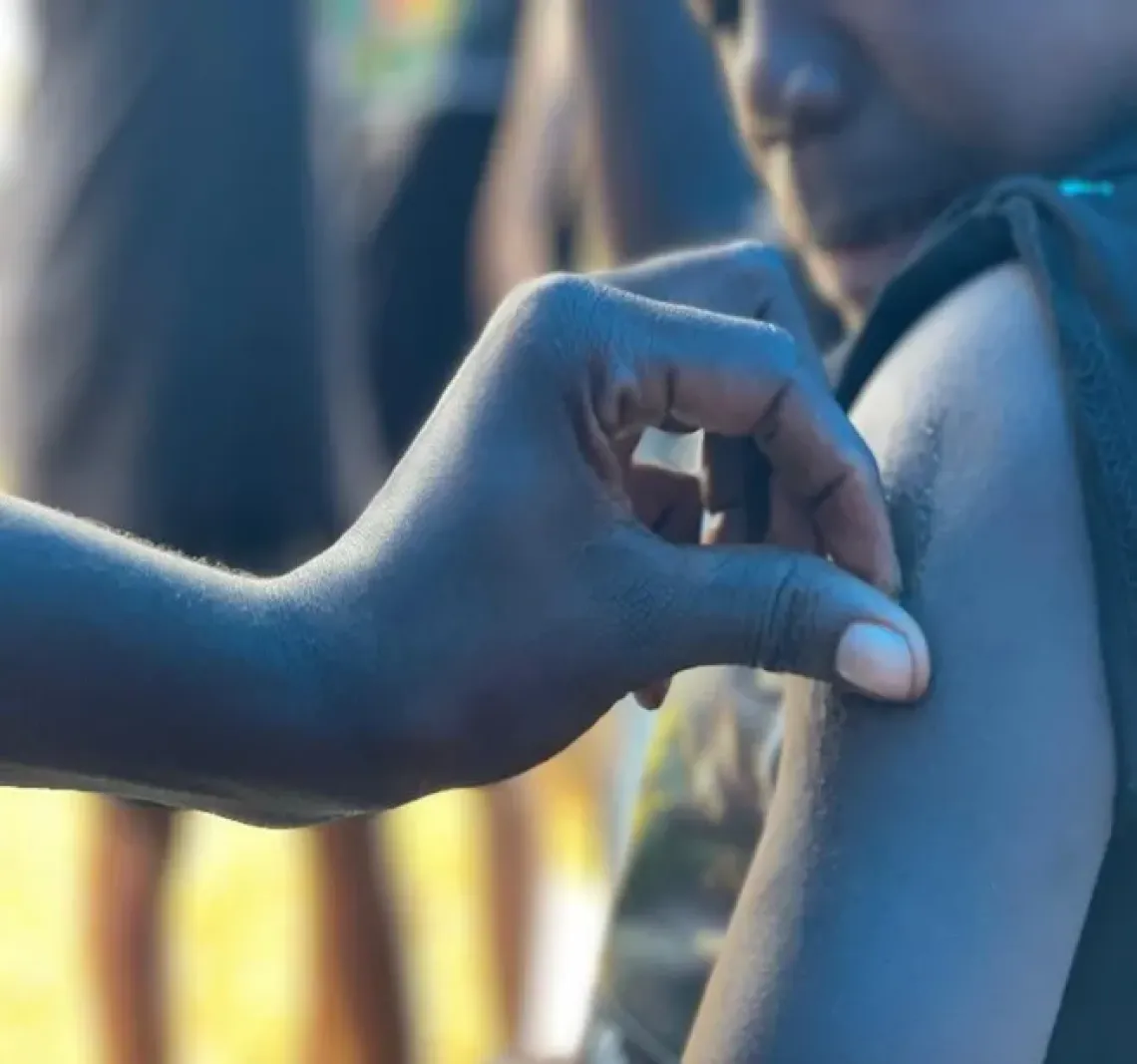
"Awareness is everything," she says. "We tell mothers and fathers that vaccinating their sons and daughters between the ages of 9 and 13 can save them from cancers later in life. Slowly, they have begun to listen."
The results of their efforts speak for themselves. Today, community health workers, guided by Mrs. Nkepmbou, go door-to-door, hold gatherings, and set up mobile vaccination posts. Parents who once resisted now arrive willingly.
“One day, a mother brought both her daughters, aged nine and eleven, to be vaccinated. That moment touched me; it showed that our efforts were working. In August, we successfully administered HPV vaccines to 68 children.”
Despite their progress, some challenges persist. Motivation and resources are limited, and the team often struggles to cover all neighborhoods.
“We need more support,” Mrs Nkepmbou admits. “Our volunteers work hard, but without financial means, we cannot reach everyone. If we had more resources, we could vaccinate more children, more often.”
Despite the hurdles, her passion never wavers. For her, each vaccinated child is a victory.
“A young girl protected today is a woman spared from cervical cancer tomorrow. A boy vaccinated is a future husband and father safeguarded from illness. That is why I do this work.”
Mrs. Nkepmbou believes that the fight against HPV must remain a priority for Cameroon.
“Cancers are destroying families. Prevention through vaccination is our only real weapon. We must keep pushing and raising awareness until no child is left unprotected.”
In her weathered voice, there is both urgency and hope—the urgency of a health worker who has seen too many lives lost, and the hope of one who believes that with awareness and action, the tide against HPV can be turned.