
Mothers hope : breaking the cycle of HIV for the next generation
UNICEF fights HIV in Cameroon by preventing mother-to-child transmission, raising awareness, and offering care—giving every child a chance to be born free and thrive.
- English
- Français
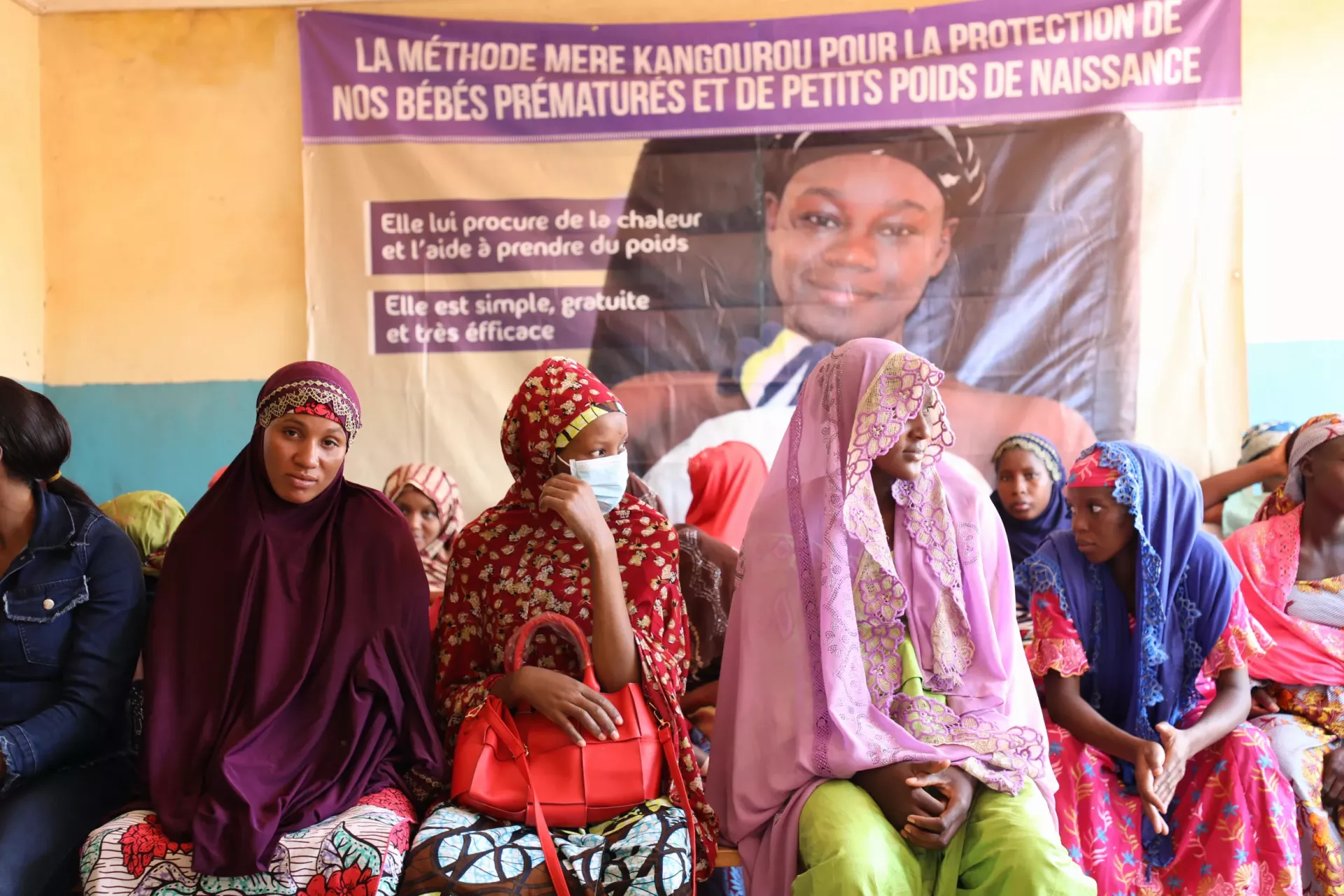
Every day, hundreds of children in Cameroon are born with HIV/AIDS. Mother-to-child transmission (MTCT) during childbirth and the postnatal period remains the leading cause of HIV and related illnesses like Hepatitis B, STIs and Tuberculosis in newborns, despite being almost entirely preventable. In response to this alarming public health crisis, UNICEF is implementing integrated, community-based initiatives that focus on identifying cases, creating awareness, addressing barriers to care and preventing transmission from one mother to child at a time. The intervention is not only a medical response, but a powerful act of hope, breaking the cycle of transmission and giving children the chance to be born free and thrive.
Amid these efforts, women like Aissatou and Ramatou, HIV positive mothers, are stepping forward to share their stories and testimonies that highlight both the challenges and the life-changing impact of early diagnosis, treatment and continued monitoring and support.
A Journey of Strength: Samira’s Story of Hope, Health, and Acceptance
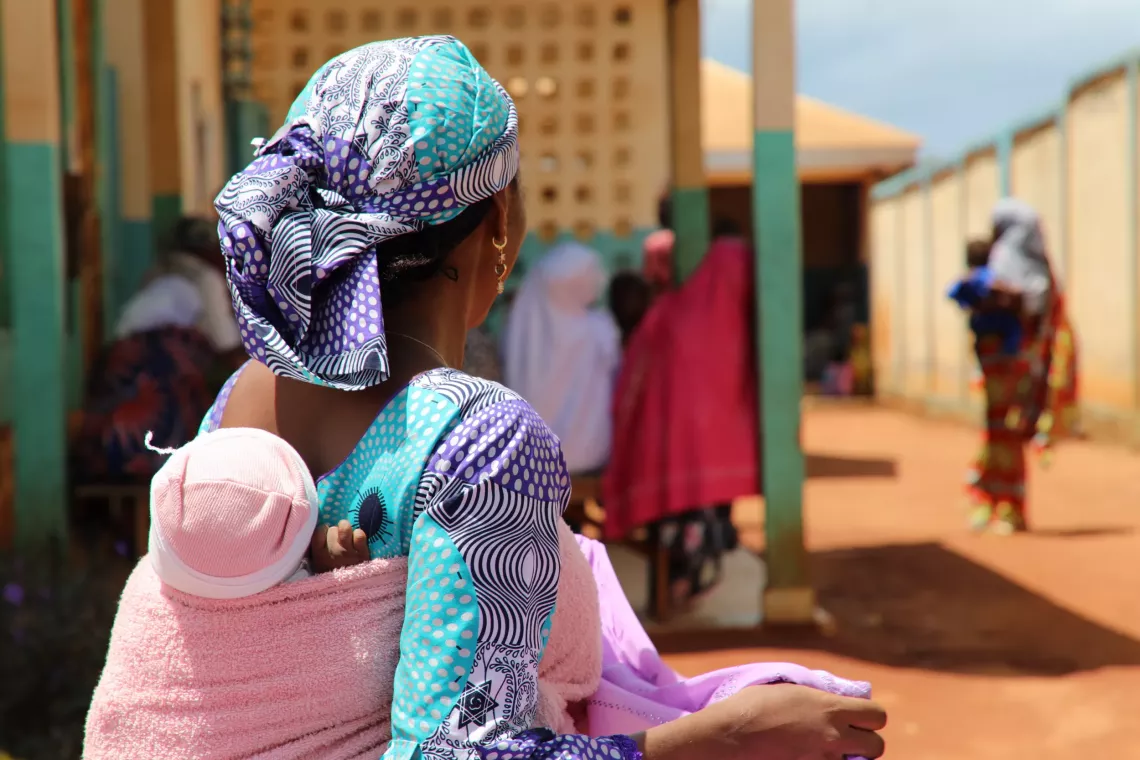
Samira, 24, is a mother of two, aged 8 years and 1 and a half months. She has been living with HIV since 2021. Married off at just sixteen to a much older polygamous man, Samira’s life changed forever. Five years after the birth of her first child, she received a diagnosis that shook her to the core: she was HIV-positive.
”I was shocked. The diagnosis was devastating at first, especially seeing how people living with HIV often face discrimination and isolation. Even in my own family, I witnessed my maternal aunt being ridiculed and isolated."
Samira feared what this would mean for her future and that of her son. The discovery left her in disbelief, followed by a deep fear of rejection and stigma, causing her to hide her status from everyone, including her husband, which she believes infected her. But over time, she had no choice but to come to terms with her new reality.
Realising she was pregnant with her second child, Aissatou felt a wave of panic and fear, uncertain about the health and future of her unborn baby. Desperately seeking answers, she visited the Centre de Santé Integré de Bounmdjere in the town of Ngaoundere, where she asked the nurses about the possibilities of giving birth to a healthy baby.
“When I found out I was pregnant, I came to the hospital and asked the nurses how I would give birth, if my baby would have this illness or not”
Through her inquiry, Samira learned about the Prevention of Mother-to-Child Transmission (PMTCT) of HIV program, in which she was enrolled and placed on treatment.
Visiting the hospital after giving birth for her postnatal appointment, Samira pats and breastfeeds her fuzzy baby, Inna, she feels a mix of anxiety and hope, worried about her daughter’s status as she awaits the infant’s first HIV test results, but also reassured by the treatment, counseling and support provided by the intervention to prevent any transmission during and after birth.
« I am afraid, but equally very confident in the treatment given to me and my baby to ensure she is healthy. I have never missed an appointment, I take my medication as prescribed, so as that of my daughter, I attend counseling and I am provided with best practices to adopt in order to protect my child, which I follow fervently»
Uncertain of what the results would reveal, Samira watched anxiously as the nurse entered the room, closed the door behind her, and offered a faint smile. Hoping for the best but bracing for the worst, Aissatou’s eyes remained fixed on the nurse as she walked over to her seat.
“All I hope for is to know my baby is HIV negative. My prayer is for her to be healthy. If my baby is fine, then I have everything I need.” Summoning her courage, Aissatou listened intently as the nurse shared the news that her baby had tested negative. A wave of relief swept over her, and her face lit up with renewed hope. “I am very relieved. I just want my child to live free from the burden of this illness, to play freely like her brother, among her mates, without facing stigma. As her mother, it’s my responsibility to ensure that.”
Beyond the Diagnosis: Ramatou’s journey, support and Triumph
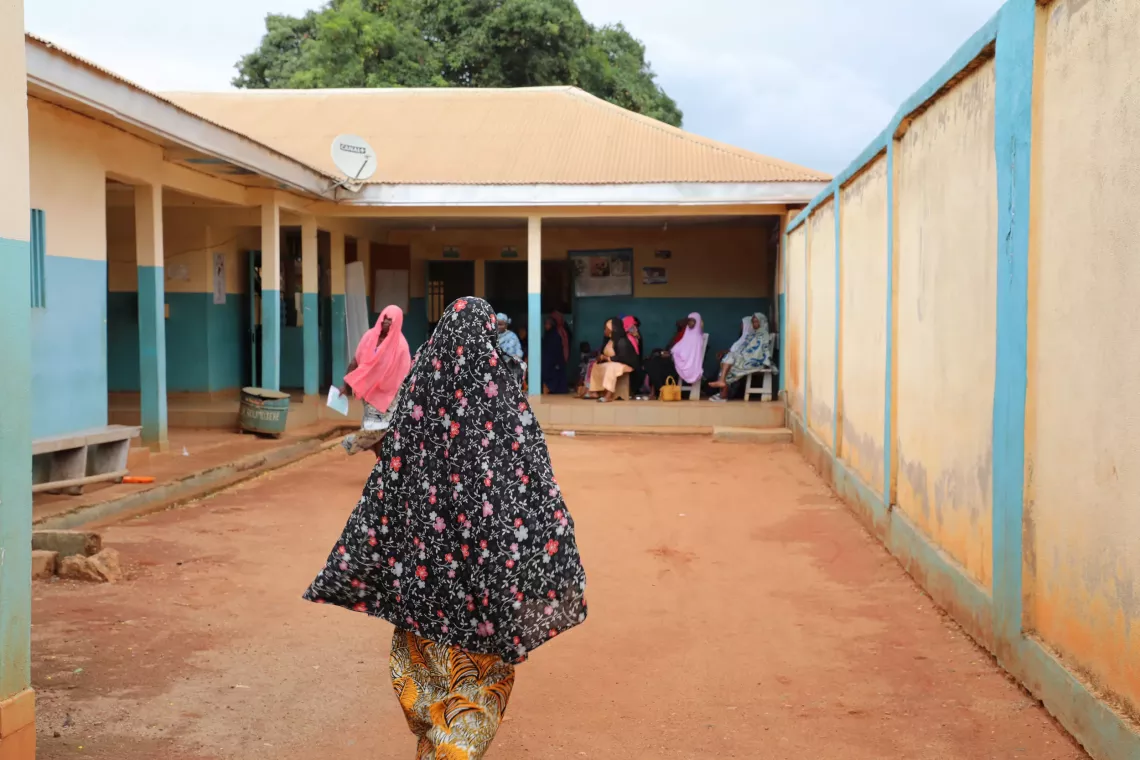
Ramatou, a 33-year-old mother of six and currently expecting her seventh child, shares a deeply personal story of support and acceptance. Her testimony not only highlights the life-changing impact of timely medical intervention on preventing mother-to-child transmission of HIV but also sheds light on the power of family support in promoting the uptake and retention of patients on Antiretroviral (ART) treatment.
Reflecting on her journey, Ramatou recalls the day that changed everything. She had gone to the hospital for a routine prenatal check-up while pregnant with her sixth child, something she had consistently done with each of her pregnancies. This visit, however, held an unexpected turn.
“I visited the hospital to get checked, as I always do,” she says. “It’s something I’ve done regularly since the early stages of all my pregnancies. But to my greatest surprise, my test came back positive for HIV. It was a huge shock.”
Immediately after her diagnosis, Ramatou’s husband was contacted and asked to come in for testing. He did, and his results came back negative. Faced with this revelation, Ramatou expected resentment and abandonment from her husband, but instead of condemnation, what followed was compassion and support.
“After my diagnosis, it was my husband who insisted that I be placed on immediate treatment”
Now expecting her seventh child, Ramatou is more confident than ever that she will have a healthy baby. She also offered words of encouragement to other women, reassuring them that having a healthy baby after an HIV diagnosis is not only possible but achievable with the right care and support.
Thanks to the support she received, Ramatou was able to start antiretroviral therapy (ART) promptly. This timely intervention not only protected her unborn child but also helped her regain her strength and confidence.
“With support from this program, I’ve not only been able to live a healthy life, but also given birth to and nurtured my sixth child without transmitting the virus. With my current pregnancy, I’m fully confident that my baby will be born HIV-negative”.
Rashida’s experience stands as a powerful reminder that a diagnosis does not define a person. With proper care, information, and community support, people living with HIV can thrive, and so can their families.
The Bigger Picture
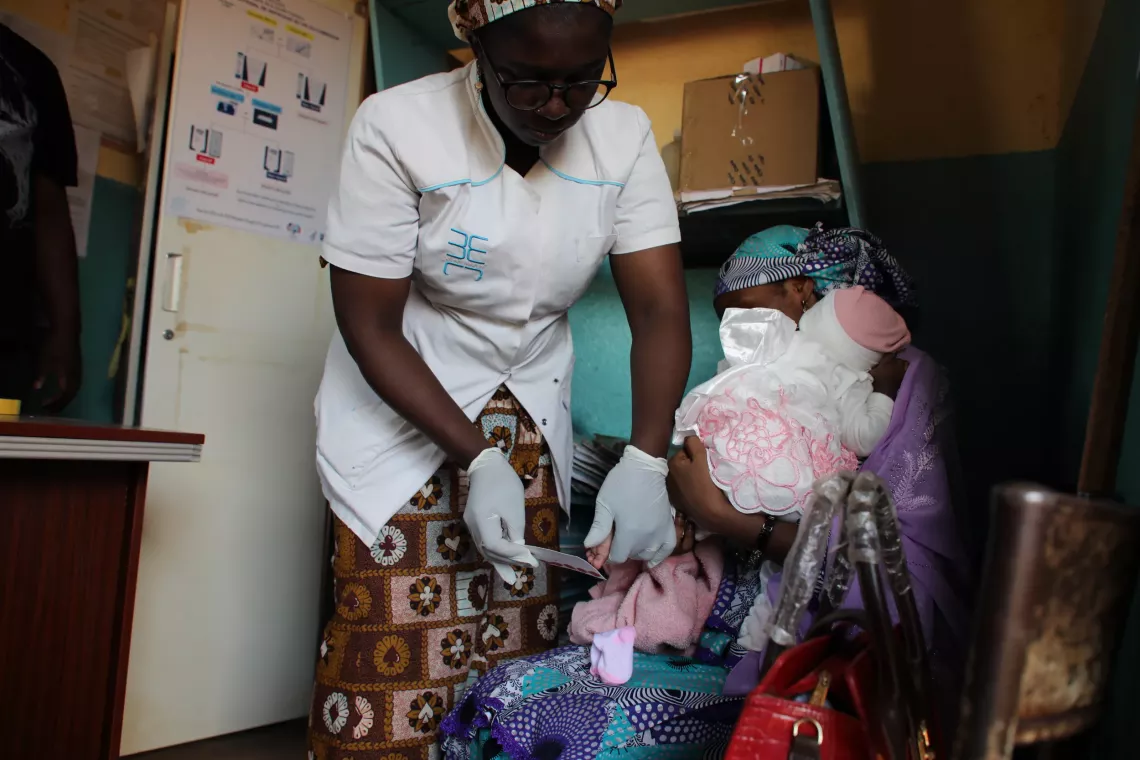
The UNICEF, through the Petvisidame project, funded by the Government of Cameroon and the Islamic Development Bank (IsDB), is implementing integrated, multi-dimensional interventions aimed at reducing MTCT by 5% in high-prevalence areas such as the Adamawa region, where rates reach 17.51%.
Since its inception in 2019, the Petvisidame project has recorded resounding successes in reducing MTCT of HIV/AIDs and other illnesses. In 2023, 98% of pregnant women enrolled in the project were tested for HIV, and 97% of those who tested positive were initiated on antiretroviral therapy (ART). As a result, the HIV transmission rate in infants at 6–8 weeks of age dropped from 3.92% in 2020 to 1.45% in 2023, successfully achieving the target rate of below 2%, and building community trust in the intervention.
Despite these outstanding milestones, some challenges persist, including limited access to safe deliveries for HIV-positive pregnant women, low supply of ART prophylaxis for HIV-exposed babies, and low screening rates for HIV-exposed babies.
As the Petvisidame project comes to a close, its impact continues to be seen and felt in the fight to eliminate mother-to-child transmission (MTCT) of HIV/AIDS at the grassroots level. The lives changed, the hope restored, and the healthier futures made possible are lasting testaments to our conviction of providing a world where children are able to attain their full potential.


