Girls find hope via learning, life skills & play in crisis
In crisis-hit SW Cameroon, girls like Ruth & Jemimma find hope through education, life skills & play—thanks to support from ECHO, UNICEF & TeenAlive amid ongoing conflict and displacement.
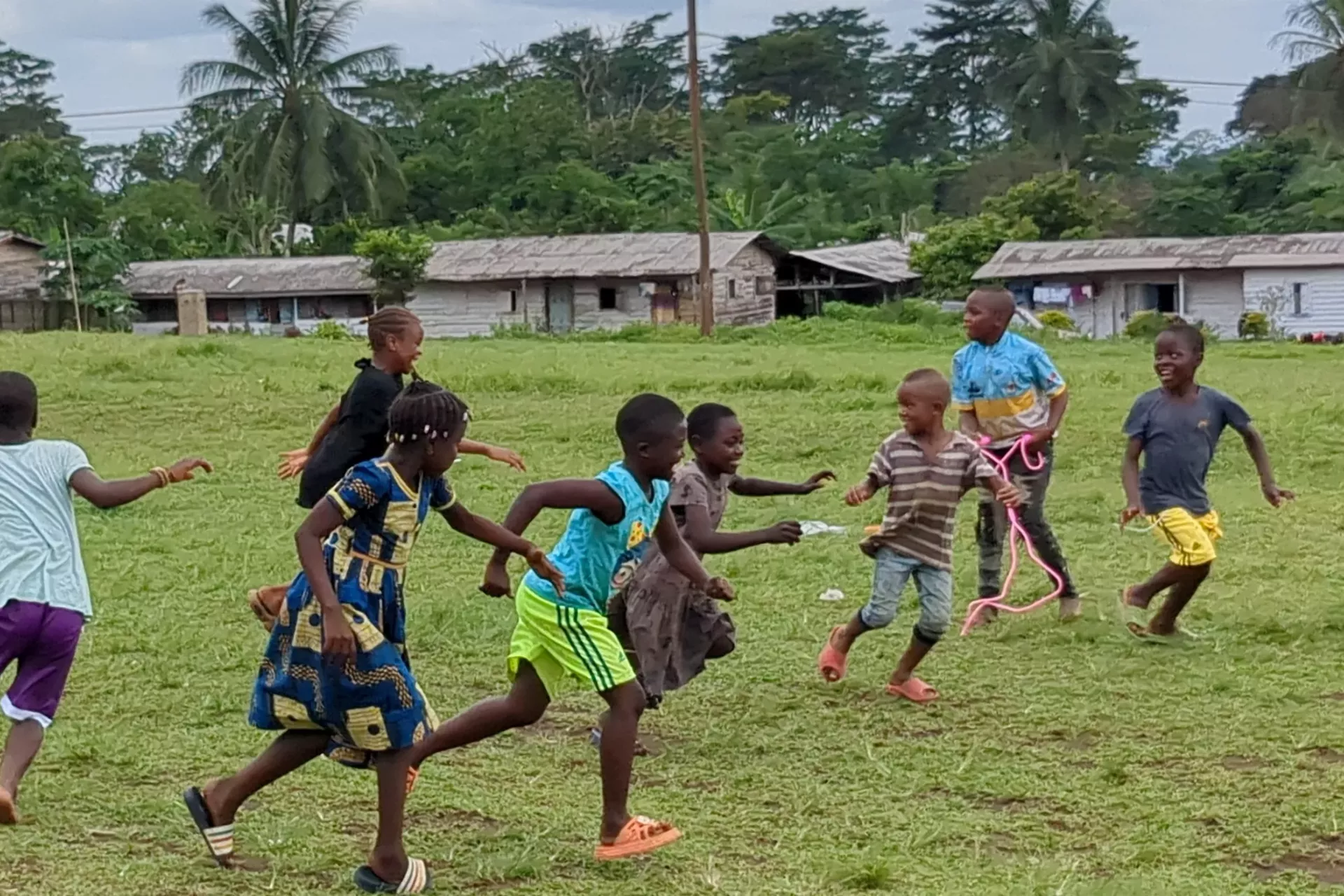
- English
- Français
In the crisis-affected communities of Cameroon’s Southwest Region, young girls like Abolle Esunge Ruth and Asume Ewang Jemimma are discovering new strength and hope through education, life skills, and play. Despite the ongoing conflict in the Northwest and Southwest regions, which has severely disrupted the lives of children and families, these interventions are proving to be a lifeline.
The conflict has exposed thousands of children to various protection risks, including violence, neglect, abuse, displacement, and the loss of access to education. These challenges are even more pronounced for girls. However, with the support of EU Humanitarian Aid, UNICEF and its partner TeenAlive are working to reach the most vulnerable children with holistic, life-changing assistance.
Their efforts focus on early childhood development, positive parenting, psychosocial support, and access to civil documentation, such as birth certificates. In communities like Etam and Ehom in the Tombel sub-division, the results have been transformative. Across 26 communities in the Kupe Muanenguba, Lebialem, and Fako divisions, the combined approach of life skills education, structured play, and psychosocial support is creating safe spaces where children can learn, grow, and heal.
Ten-year-old Abolle Esunge Ruth is one of many children whose lives are changing. Coming from a humble background in Etam, Ruth was forced to pause her education for two years due to insecurity. Her journey has involved numerous moves, from Etam to Tombel Central and back again. Yet, amidst all this disruption, Ruth’s dream of becoming a lawyer has been reignited, thanks to the support of a UNICEF-backed Temporary Learning Space (TLS).
“Life skills have changed my life. I’ve learned to believe in myself, to manage my anger, and to make decisions that will shape my future positively.”
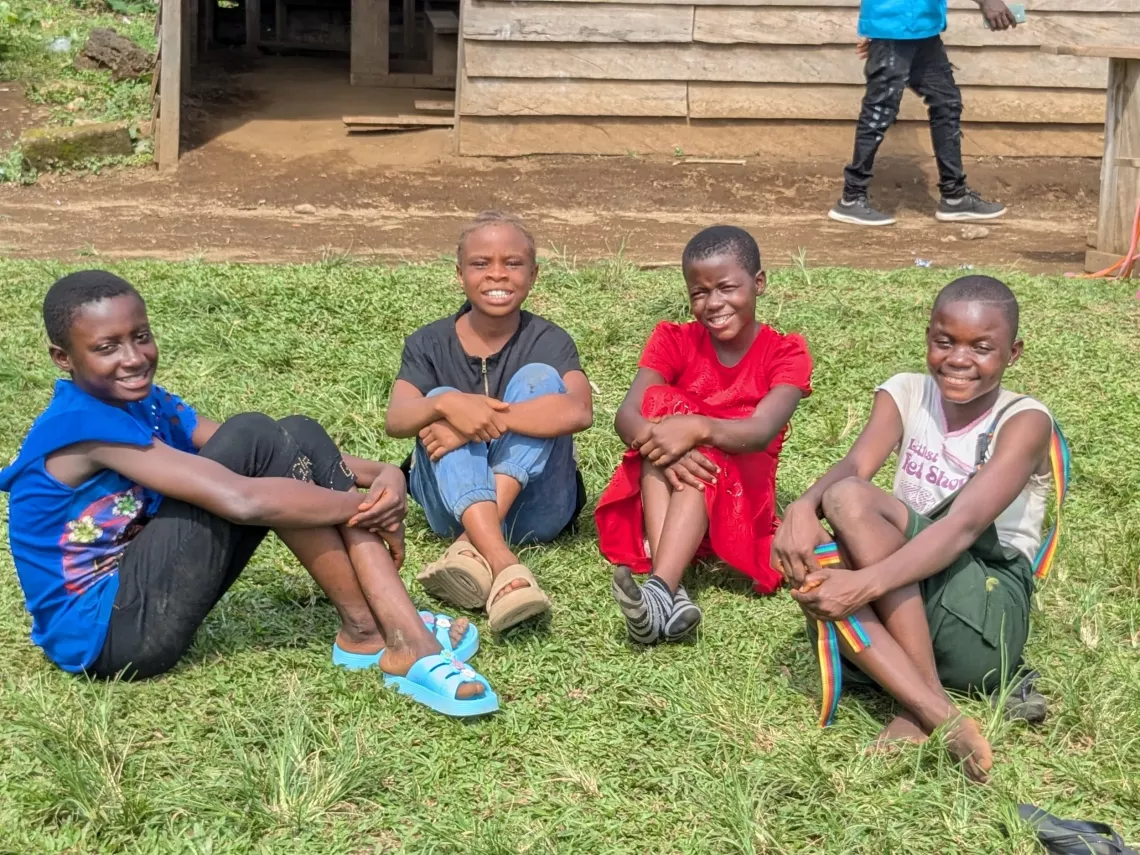
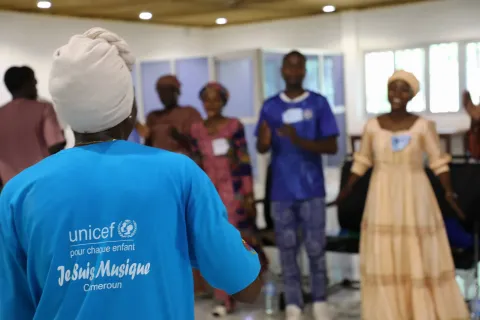
Through these structured sessions, Ruth and many others are learning to manage emotions, build self-confidence, and find healthy ways to cope with trauma. The integration of life skills and recreational activities is essential not only for learning but for restoring normalcy and mental well-being in children’s lives.
Asume Ewang Jemimma, 13, was displaced from Kumba with her family and relocated to Etam. She describes the loneliness she initially faced, but that changed when she joined the TLS.
“When the crisis started, I felt scared and alone. I had no friends when we arrived in Tombel. But through the TLS, I made friends, and now we learn and play together. It makes me happy.”
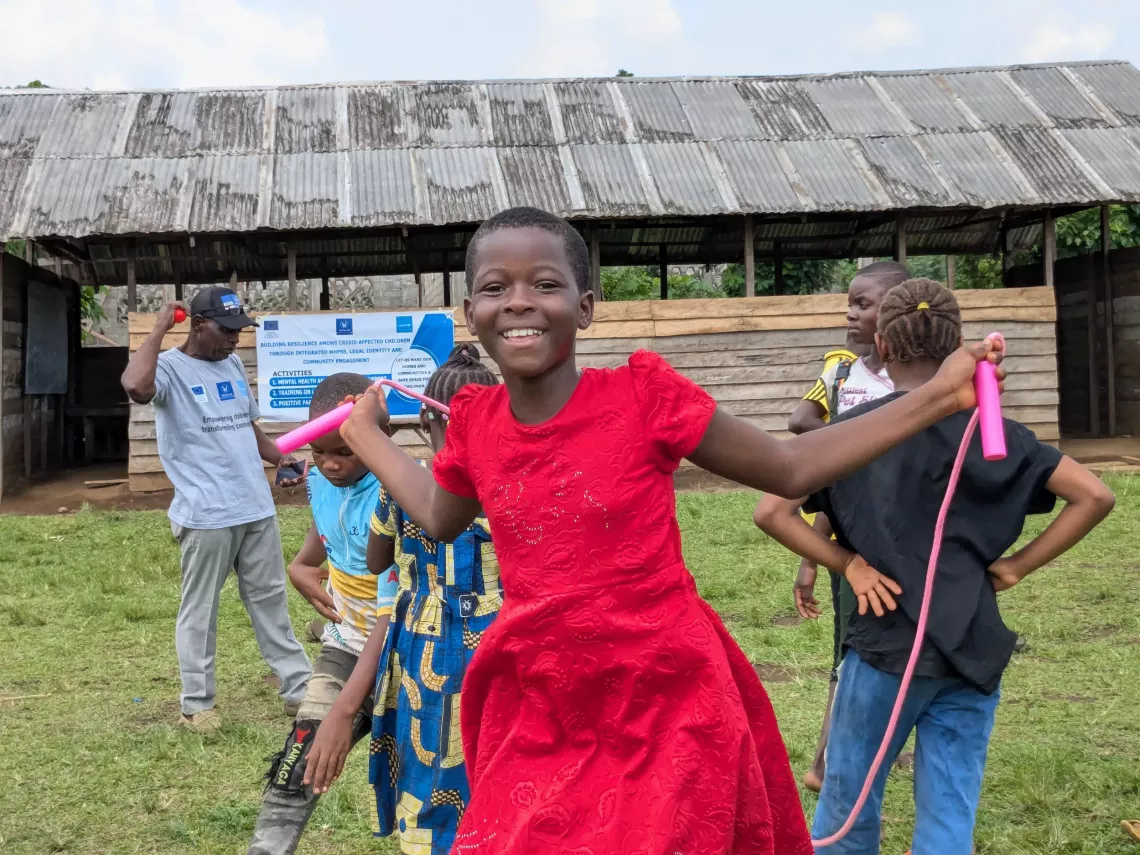
The initiative doesn’t only benefit younger children. Metuge Charity, 13, a student at Government School Bulutu, says she has learned how to identify and report cases of child abuse, especially sexual exploitation.
“I learned about different forms of sexual exploitation. I now have a whistle to use in emergencies, and I know I can contact TeenAlive or UNICEF through 8099,”
These learning spaces are more than classrooms; they are safe havens where children recover, make friends, and regain a sense of normalcy and purpose. They promote empathy, encourage teamwork, and help children reclaim their childhoods amidst chaos.
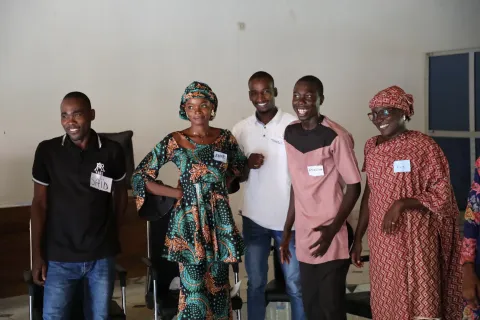
The programme is also changing the lives of those who facilitate it. Enuge Ejolle Neville, a life skills facilitator in Ehom, reflects on how his role has reshaped his worldview:
“These sessions have changed how I think and communicate. I’ve become more compassionate and committed to creating a safer environment for our children.”
The positive developments in Etam and Ehom reflect a broader initiative by UNICEF and its partners, such as TeenAlive, to support children in Cameroon’s hard-to-reach areas. These learning spaces not only restore access to education but also rebuild trust, offer psychosocial support, and foster resilience.
However, the need remains immense. According to UNICEF’s Humanitarian Action for Children (HAC), 3.3 million people, including 1.7 million children, urgently require humanitarian assistance across Cameroon. Armed conflict, intercommunal violence, disease outbreaks, and climate shocks have led to mass displacement and disrupted essential services, particularly in education and healthcare.
UNICEF is responding with unwavering commitment, focusing on education, nutrition, health, water, sanitation, and child protection. The Northwest and Southwest regions continue to be priority areas for these humanitarian efforts.
In Etam and Ehom, the community's gratitude is evident. These programs have not only transformed the lives of children but are also helping communities rebuild an environment conducive to learning and healing. Stories of resilience, such as those of Ruth, Jemimma, and Charity, serve as beacons of hope in a region still facing significant challenges.
As these success stories resonate across more than 26 communities in the Northwest and Southwest, it remains crucial to expand access for more vulnerable children. Thousands continue to face protection challenges, and their courage deserves our ongoing, collective support.