Breastfeeding: a shield against cholera in Kousseri
In Kousseri, UNICEF-trained health workers combat cholera and myths to urge mothers to keep breastfeeding, vital for their babies' survival.

- English
- Français
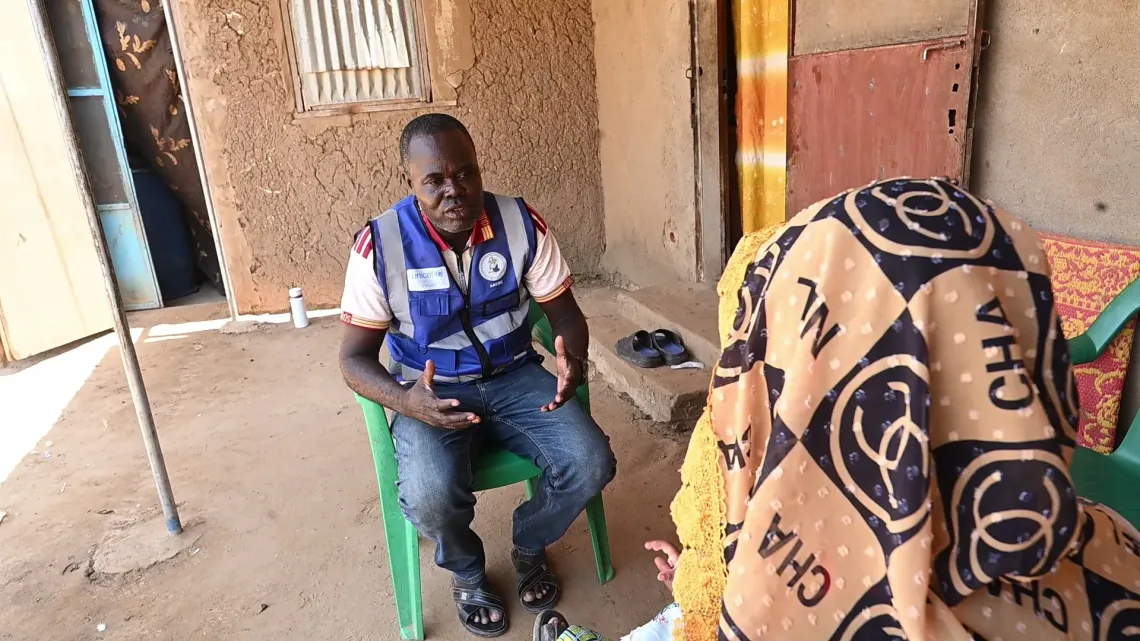
Jareth Houmassem, a community health worker, knows the Madana neighbourhood like the back of his hand. He has lived there almost all his life. On the front line in the fight against the cholera outbreak, he criss-crosses the neighbourhood, going door-to-door to spread the message about prevention. Breastfeeding is one of his key messages.
Even if she has cholera, the mother should continue to breastfeed
Every outbreak brings with it its share of rumours. One of the most persistent rumours seeks to persuade mothers who have cholera, or whose babies have it, to stop breastfeeding. This so-called preventative measure is said to be aimed at breaking the chain of transmission.
So Jareth has donned his blue ‘Fight Cholera’ waistcoat and is leading a counter-campaign against this false rumour. His target? Breastfeeding mums.
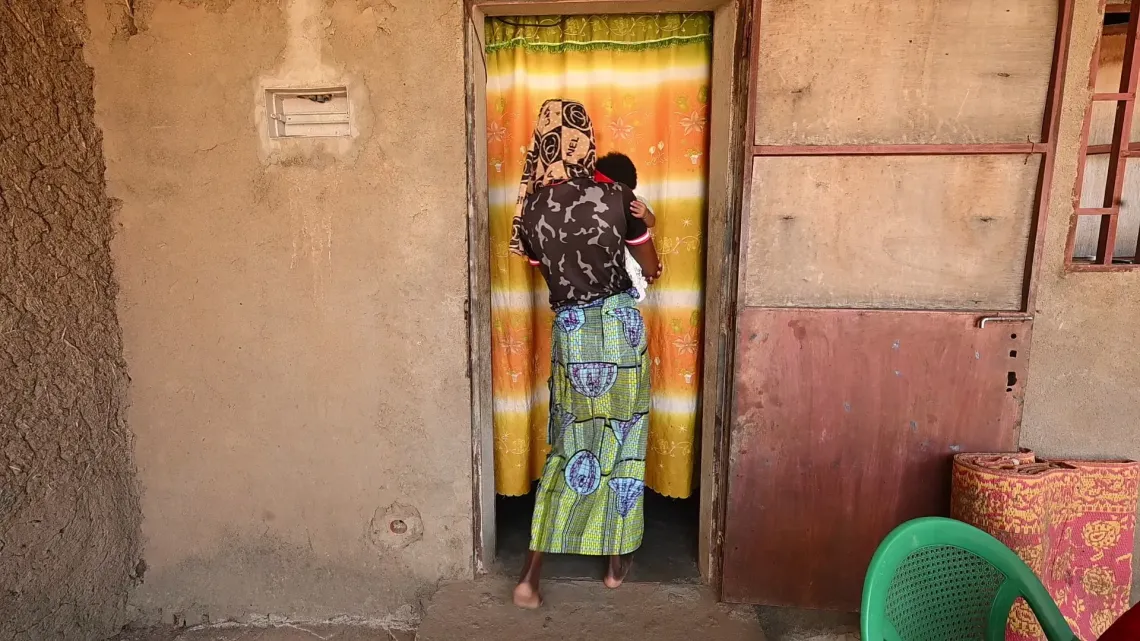
That day, his steps led him to the home of a young mother who had recovered from cholera. He came to reassure her.
“If you fall ill whilst breastfeeding your baby, the first thing you need to understand is that you shouldn’t stop breastfeeding – you should carry on,” explains Jareth Houmassem, a multi-skilled community health worker trained by UNICEF in Kousséri.
If the mother has cholera, she must take certain precautions:
- Wash your hands thoroughly with clean water and soap before each feed.
- Clean the breast with clean water and bleach.
- Continue to drink the rehydration solution and go to hospital straight away.
A mother with cholera can continue to breastfeed as long as she is conscious and able to do so. The young mother recalls that, whilst she was in hospital, the medical staff refused to let her see her baby.
“After suffering from severe diarrhoea and vomiting, I lost consciousness. When I came round, I wanted to breastfeed my baby. The medical staff refused. They explained that I was too weak to breastfeed. I had to wait three days before I could breastfeed my baby again”, she explains, stroking her daughter’s hair as she feeds.
Continue to breastfeed if the baby has cholera
Jareth was also asked by some mums what to do if their baby has cholera.
“You must carry on breastfeeding your baby when he or she is ill. As I often tell you, breast milk is the best food for a baby. It contains all the nutrients essential for the baby’s survival and healthy growth. You must also stay by your baby’s side,” Jareth insists to the young mother who has recovered from cholera.
He also emphasises the importance of preventive measures: regular handwashing, keeping living spaces clean, drinking treated water and using toilets exclusively for bodily waste.
Raising awareness to break the chain of transmission
Cholera remains a deadly disease, but it is entirely preventable. Good personal and environmental hygiene remains the most effective method of prevention.
Since the start of the outbreak in the Far North region, UNICEF has trained and supported 130 volunteers in preventing and combating misinformation surrounding the outbreak. Community health workers continue to visit neighbourhoods in Kousséri to educate families, dispel scepticism and promote best practice. Thanks to this grassroots support, every mother who has been educated becomes, in turn, a vital source of information for her entire community.
Health and protection for every child.