
Support That Speaks Adolescents’ Language
Peer Counseling at talk2ok.by
- русский
- English
Sometimes you just want to talk — without judgment, without awkward questions. Talking to friends can be uncomfortable, and finding the right words with parents is often difficult. Even opening up to adult psychologists can feel challenging. In these situations, peer counselors can help — young people (graduates or psychology students) who have undergone special training to support other adolescents dealing with anxiety, loneliness, or conflicts. This is not professional therapy, just a conversation. Such peer counselors are available on the talk2ok.by platform.
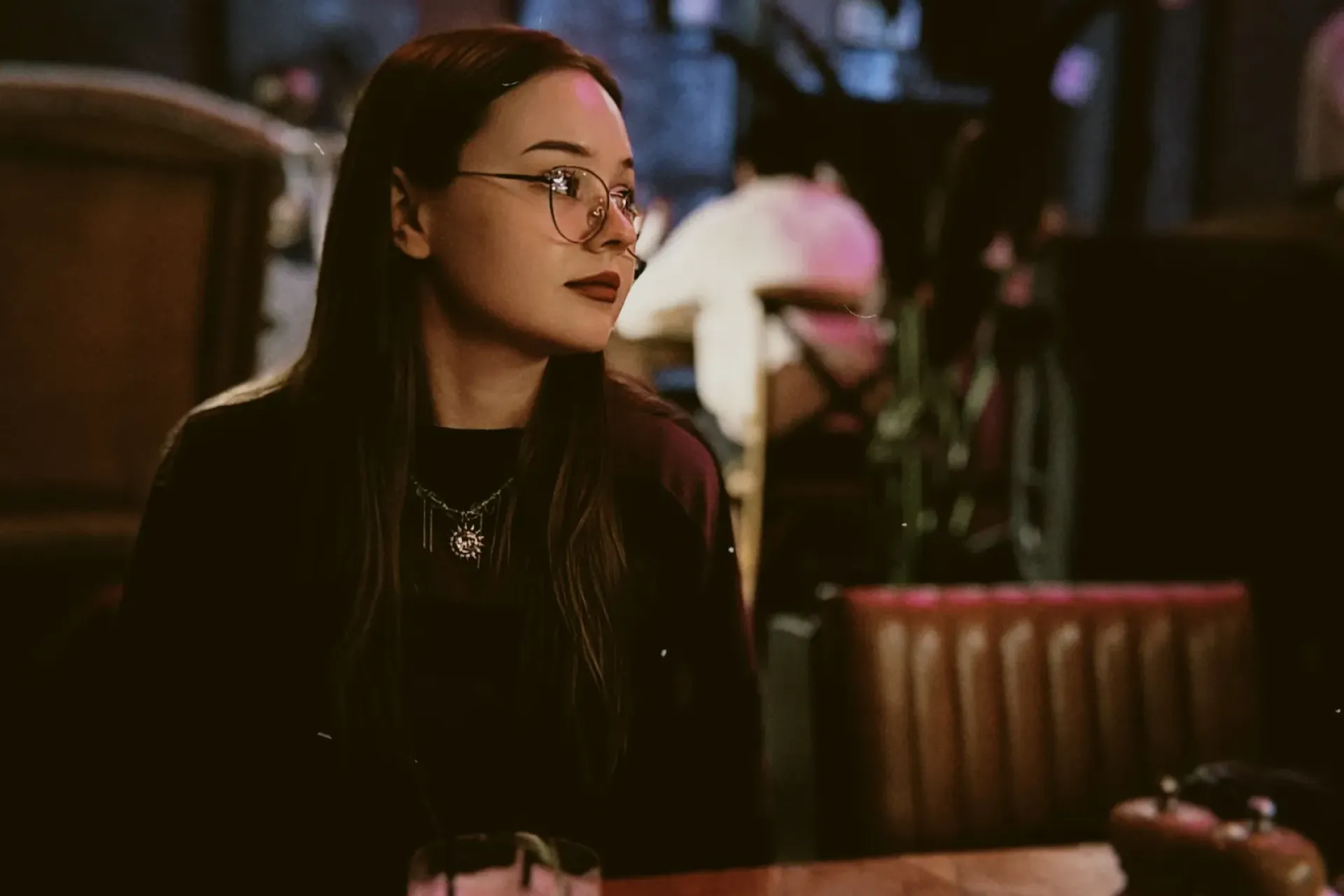
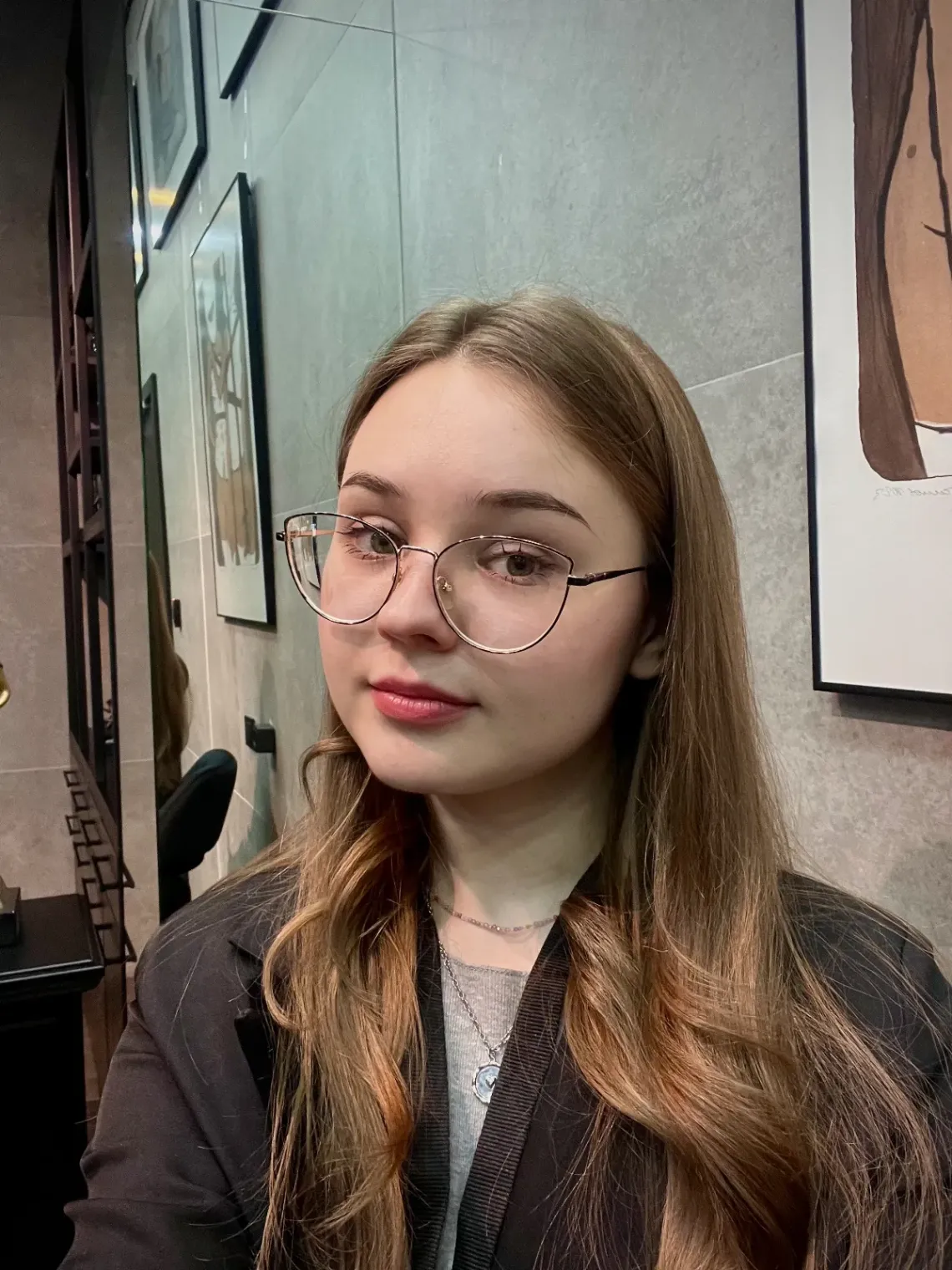
We spoke with two peer counselors — Lera from Minsk and Natasha from Bobruisk. For over two years, they have been helping teenagers through the free online psychological support platform talk2ok.by, created with support from UNICEF in Belarus and the Republican Center for Psychological Assistance. They share one goal — a sincere desire to be there for those who feel lonely and don’t know where to turn.
What is talk2ok.by
UNICEF in Belarus, together with experts from the Republican Center for Psychological Assistance at BSPU, launched the online platform talk2ok.by, through which adolescents and young people can receive free and confidential psychological support. Assistance is provided in the form of online consultations — in audio and video chat formats, comfortable for today’s teenagers.
Free online consultations are available for adolescents aged 14 to 19 (soon young people up to 24 will also be able to access the service). Professional psychologists have been trained to work with the platform and to provide support for adolescents in crisis situations. Peer counselors are trained in support skills and in timely referral to specialists. Currently, the platform has 84 qualified psychologists and 24 peer counselors. Since the beginning of 2025, they have conducted over 500 consultations. The number of users is growing — which also means trust is growing.
Parents can also turn to the platform with questions about relationships with their children and teenagers.
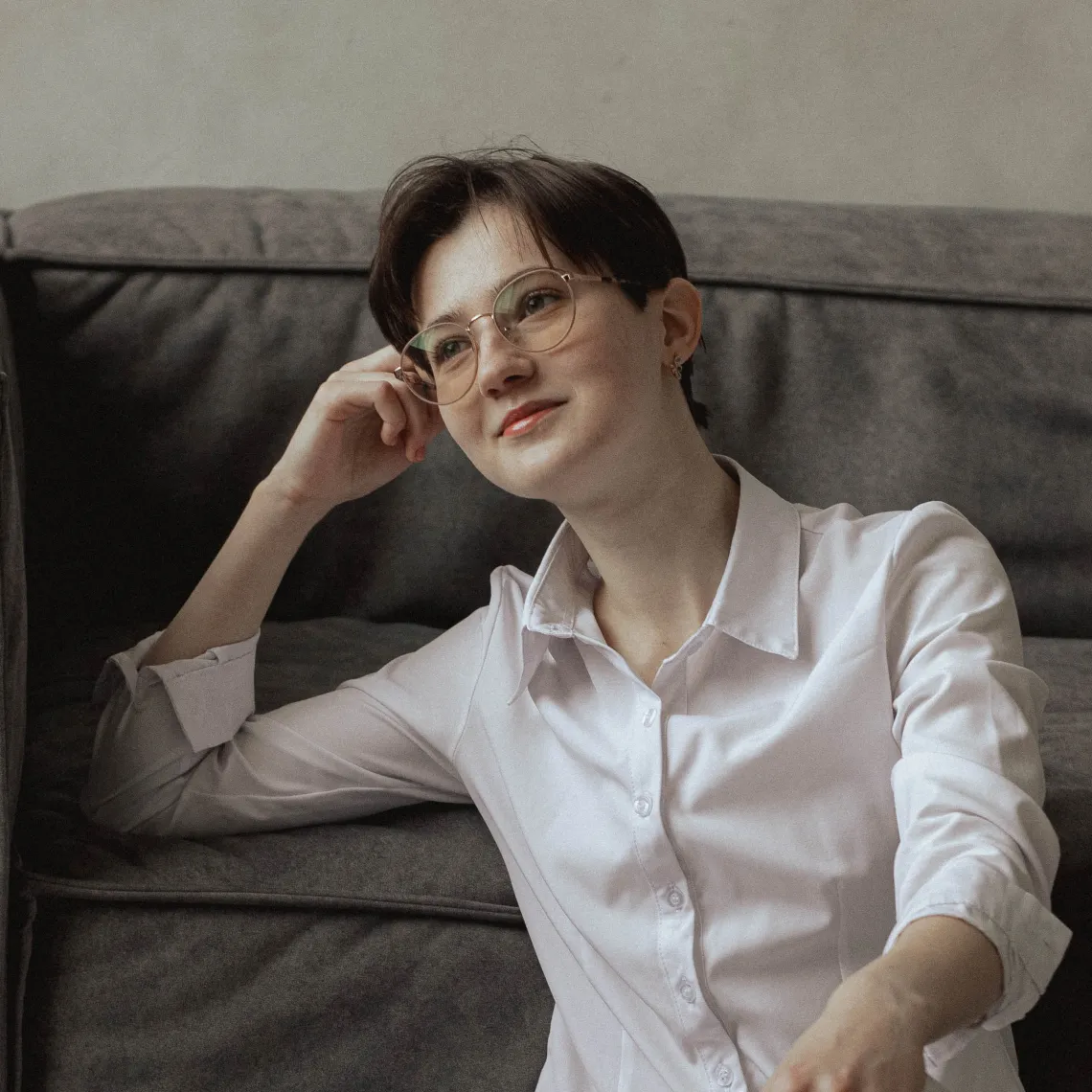
Lera and Natasha: About Their Journey and Desire to Be There
For both of them, providing help is not just about being present. It’s the ability to sense what a person is missing in the moment and to make them feel: you are not alone.
“Not everyone has access to paid psychological support,” says Natasha. “That’s why I want to create opportunities for those who cannot afford it. Every person has the right to psychological help.”
Lera and Natasha learned about the project while studying at university. After a three-day training organized by specialists from the Republican Center for Psychological Assistance at BSPU and UNICEF in Belarus, they began responding to their first messages.
“During the training, there was no sense of ‘we are students, they are teachers.’ We learned as equals, practiced a lot, and discussed real situations – like bullying. Everything was experienced through personal experience,” recalls Lera.
After the training, the consultants receive ongoing supervision and support from professional psychologists. This helps them maintain their inner resources and work effectively with challenging cases.
Who Peer Counselors Are — and Why They Matter
Peer counselors are adolescents and young adults who have undergone special training in communication psychology, emotional support skills, and ethics. They do not replace professional psychologists — instead, they serve as the first step toward building trust.
For a teenager, it is often easier to talk about their feelings with a peer: someone who speaks the same language, understands school conflicts, pre-exam anxiety, or the pain of a first argument. This is why peer counselors are so important.
In many countries around the world (Canada, the United Kingdom, the Czech Republic, Australia), peer-to-peer support programs are part of national mental health strategies. UNICEF promotes this practice because it has proven effective:
- Teenagers are more likely to seek help,
- They feel greater trust and support,
- They are less likely to be left alone with difficult emotions.
The role of peer counselors in Belarus’ adolescent psychological support system is significant. It provides an informal, safe form of communication.
Every Chat Is a New Story
Communication on the platform happens exclusively through messaging. This creates a sense of safety and helps teenagers speak honestly.
“Every chat feels like the first time. You never know what it will be about: sometimes it’s heavy experiences, sometimes questions about relationships,” says Lera.
Often, a single chat turns into a long dialogue, where the teenager gradually opens up.
“Sometimes kids write almost every day, telling me how their day went, sharing their victories and fears. For many, this is the only place where someone listens without judgment. Often, it’s those who don’t have friends or anyone to talk to at home — and sometimes it’s easier to open up to a stranger. Not everyone can say to their parents: ‘Mom, I feel like we have a problem, can we talk about it?’” she explains.
Natasha recalls a chat that lasted three months. “A boy was feeling very bad but didn’t want to see a professional. I consulted with a supervisor, who helped with methods and books. I just stayed there, messaging every day: ‘We’ll get through this.’ If I didn’t enjoy doing this, I wouldn’t be able to do it even for money.”
The most inspiring part for the counselors is when teenagers express their gratitude. “I save screenshots of such messages,” Lera smiles. “They remind me why I do this.”
But not every conversation ends easily. “Sometimes a person doesn’t respond, and you start doubting yourself,” Natasha admits. “After such chats, I also talk to a psychologist to cope with the heaviness.”

Sometimes funny moments happen. “Once, during my pre-graduation internship at the Republican Center for Psychological Assistance’s helpline, an entire class called me. They just wanted to tell me a silly song they sang for February 23. We laughed, and they thanked me for the chat. Moments like these are important — teenagers remember that there’s a real person on the other end who won’t reject even a strange request,” recalls Lera.
When asked what they would say to themselves at 15, both answer without hesitation: “It’s always scary to open up. But on the other end, there’s someone just like you, who is also nervous to start the conversation. That’s okay,” says Lera.
“On the other side of the screen sits a peer who genuinely wants to help. We’ve all been trained, and it matters to each of us that you reach out,” adds Natasha.
Peer counselors are not a replacement for professional help, but a first step.
They help teenagers find the courage to seek support and understand that it’s okay. The platform talk2ok.by makes that step safe and easy.


