Talking to students about COVID-19
A national thematic class held: “Coronavirus: what I should know and be able to do”
- русский
- English
“My whole family and all relatives have been ill. My grandmother has a brother. He also got sick. And, unfortunately, he died,” says Alice from 5A sadly. “My whole family was also ill, but I was ill twice,” says Maxim — Aliсe’s classmate — impatiently and childishly straight.
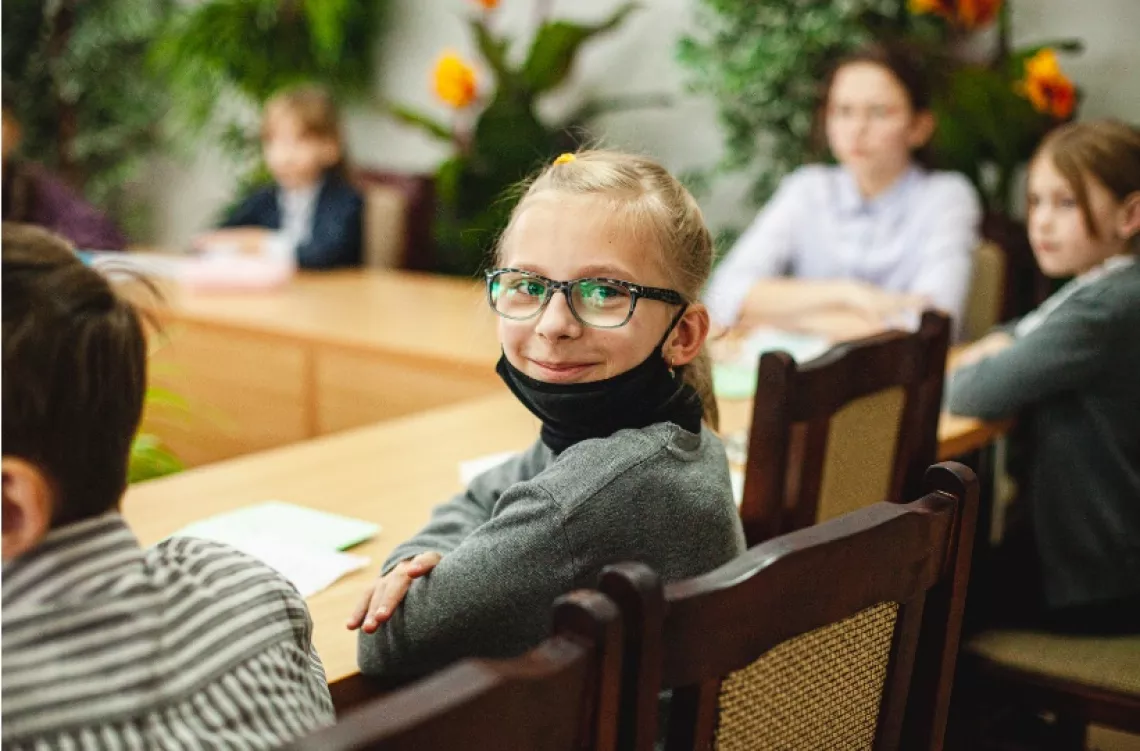
Unfortunately, the guys know about the coronavirus firsthand. The pandemic has been going on for the second year, and there is a lot of information about the virus. However, COVID-19 is rarely spoken about in a way that children and teens can understand.
The United Nations Children's Fund (UNICEF) in Belarus, together with the Ministry of Health, prepared materials for the national thematic class: “Coronavirus: what I should know and be able to do.” Belarusian schools held the classes under the guidance of the materials in November and December 2021 with the support of the Ministry of Education.
“I wish we had such classes more often,” says Maxim slyly.
We are at Borovlyany Secondary School No. 3 to attend the COVID-19 class today. The class is taught not by teachers, but by tenth-graders. Therefore, fifth graders joyfully fidget in their chairs in anticipation of something unusual.
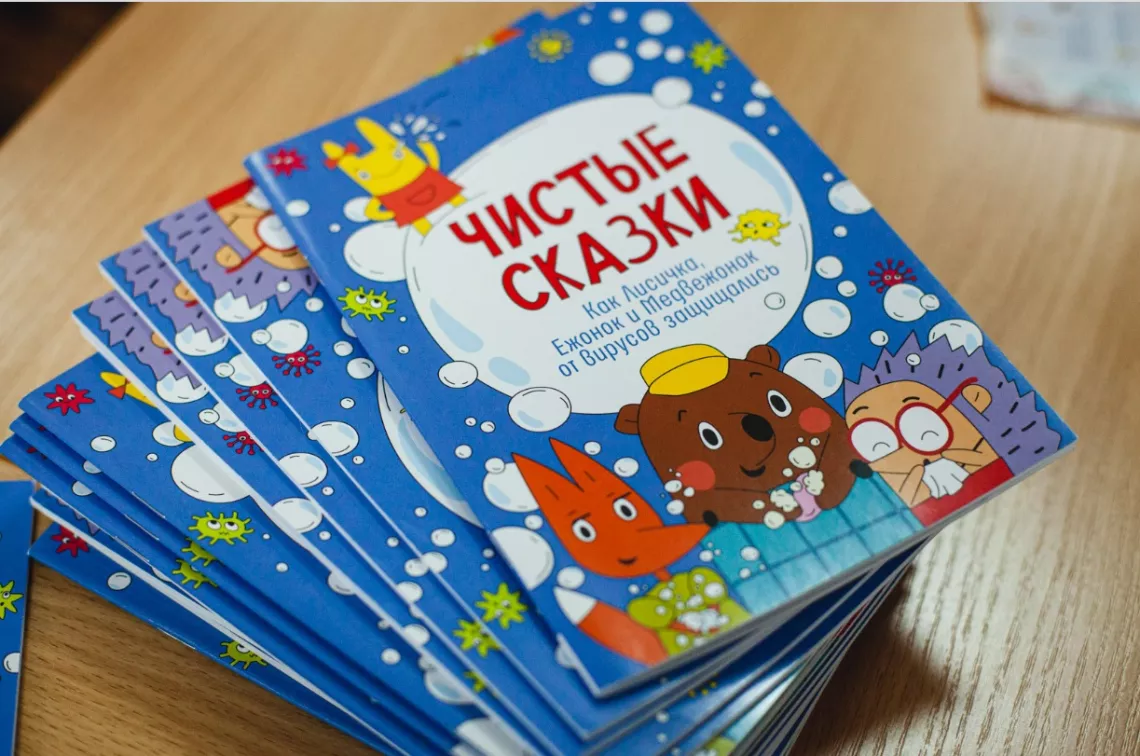
So, it is unusual: the lesson is prepared outside the box. Therefore, the children are interested. These are games of playing doctor and patient with guessing the symptoms of diseases, a bright video instruction “How to wash your hands properly”, fairy tales about germs and viruses, and much more.
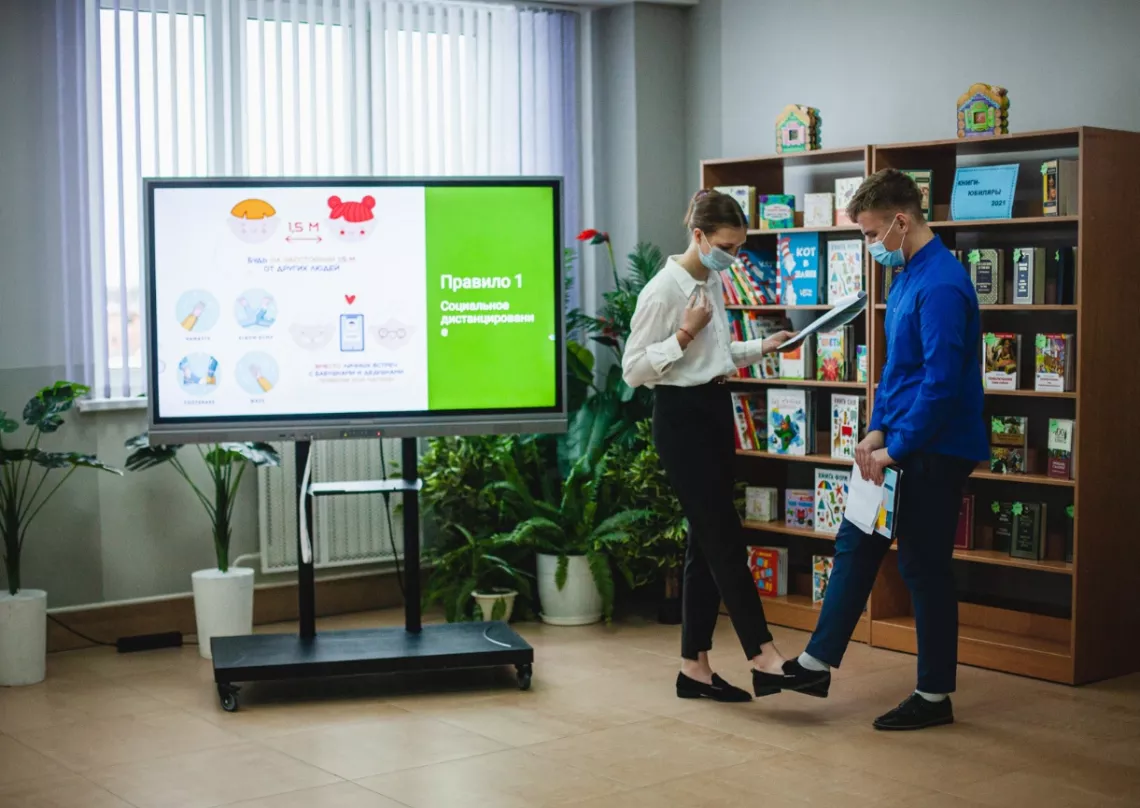
The materials have been designed for this lesson so that in a playful way teachers could:
- dispel rumors and myths about coronavirus;
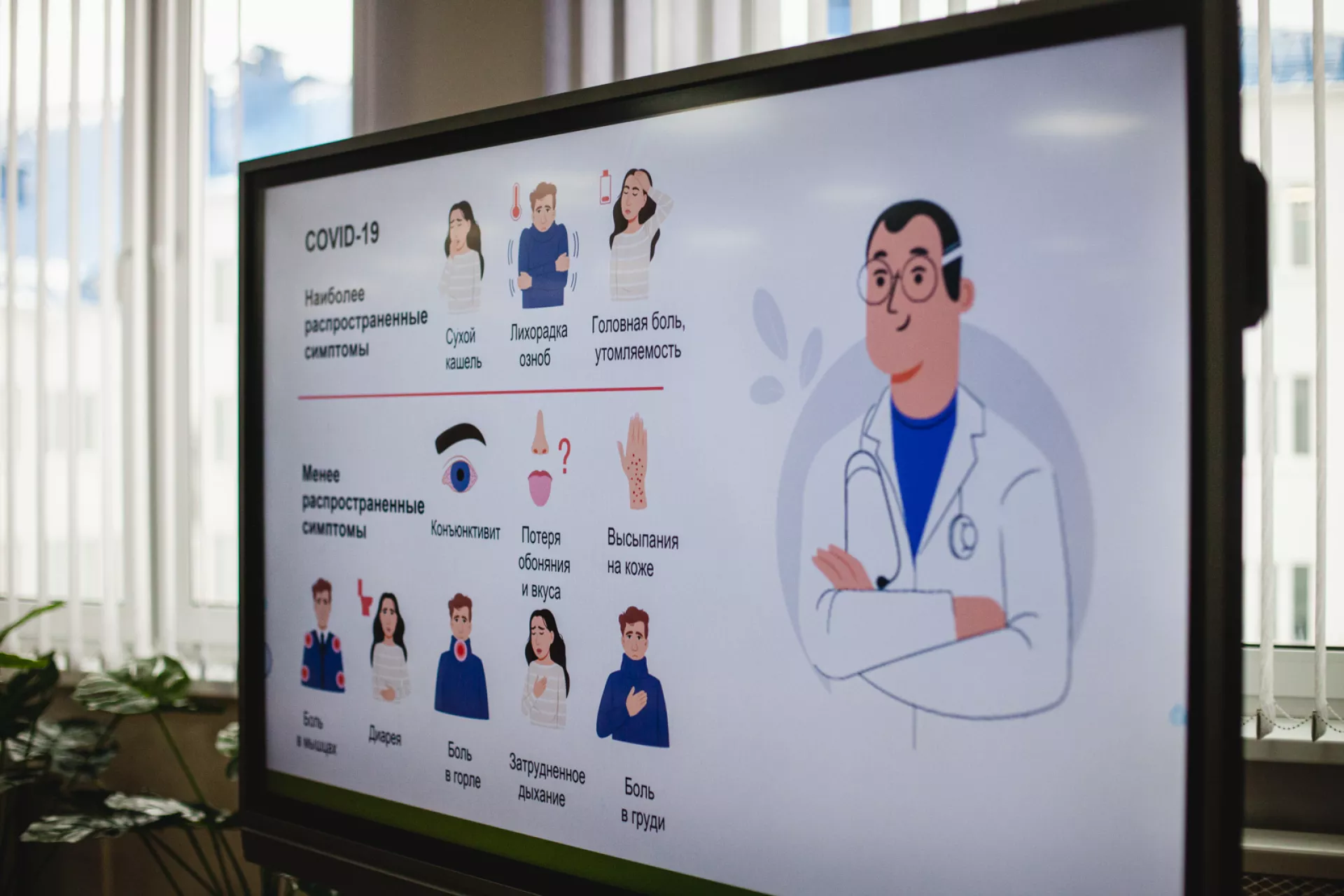
- describe symptoms and how the virus is spread;
- introduce preventive actions to children: what they can do daily not to get infected;
- teach students to use Personal Protective Equipment (PPE) and keep social distance.
It can be difficult for children to understand what they see on the Internet, on TV, or hear from other people. Therefore, they may be particularly vulnerable to the feelings of anxiety, stress, and disorder. An open and supportive conversation with children can help them perceive information correctly, cope with the situation, and even give a positive input to others.
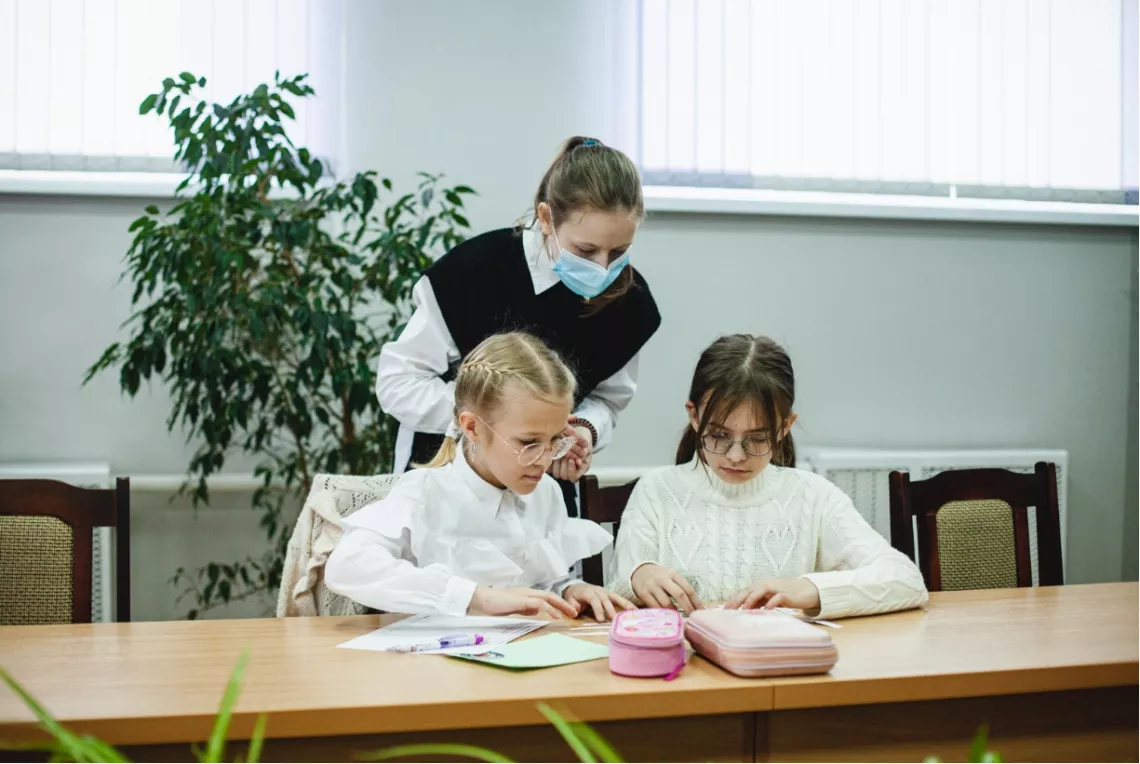
“I will tell you as a mother. You are the most important for us. That is why it is so important to discuss health-related issues, your fears and concerns with you,” says Gabrielle Akimova, UNICEF Deputy Representative in Belarus, to the children.
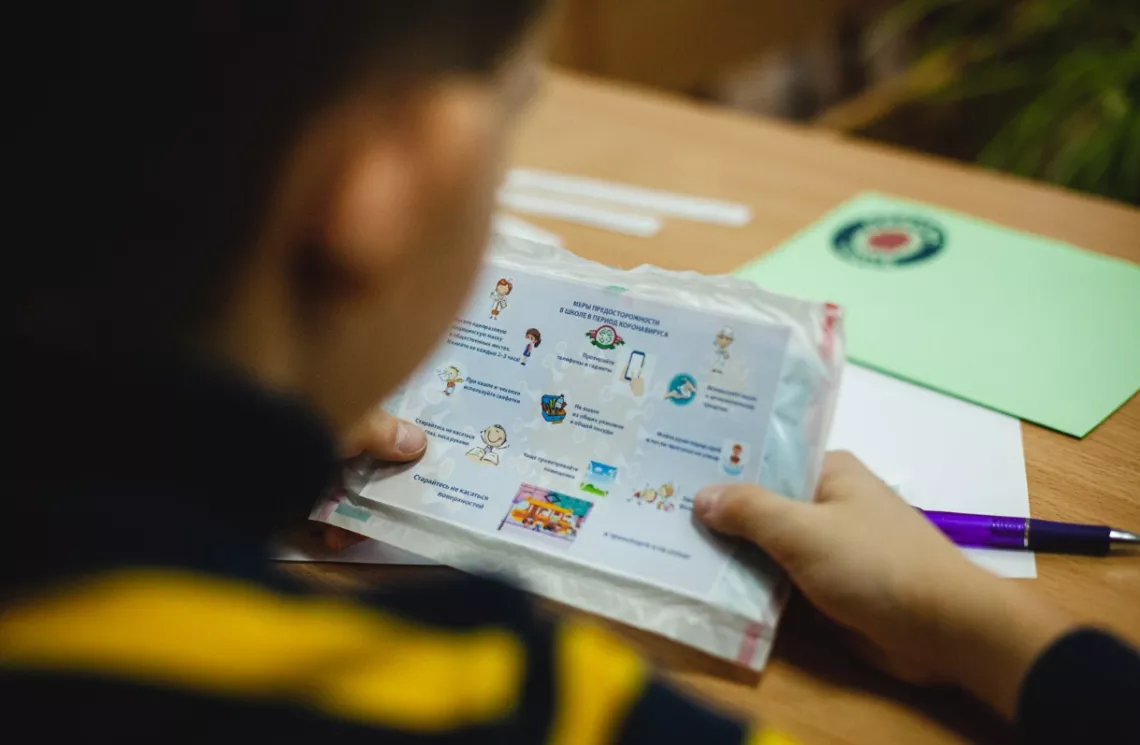
Schoolchildren actively asked questions, wondered about the varieties of globally available vaccines, about new symptoms in people, and shared their knowledge.
If you also want to talk to your child about the coronavirus, you can download text and video materials for an interesting and useful conversation. After all, it is more important than ever to show kindness and support each other during disease outbreaks.