
COVID-19 vaccination in adolescents
Questions and answers
- русский
- English
There is no lack of information about COVID-19. On the contrary, there is too much information. The vaccination of adolescents aged 12-17 started from December 27, 2021 in Belarus, and parents got confused. How do you make a decision about vaccinating your child, whom do you listen to, where do you get verified information, and not fiction and myths?
We spoke with leading epidemiologists in Belarus and specialists from the Ministry of Healthcare to collect facts and answer all the questions about the vaccination of children and adolescents in Belarus.
For reference
According to the Ministry of Healthcare, more than 5.3 million people in Belarus have already received a full COVID-19 vaccination, of which more than 50.7 thousand are adolescents aged 12-17.
Why did the vaccination of children begin? It was said earlier that children don't get sick.
According to Belarusian epidemiologists, the majority of COVID-19 cases nowadays are among people aged 18-59. But children get sick too – they amount to 10% of all those infected with COVID-19.
"There are no children deaths from COVID-19 reported in Belarus. But children get sick and sometimes quite seriously," says Veronika Vysotskaya, head of the epidemiology department of the Republican Center for Hygiene, Epidemiology and Public Health. "The vaccine allows you to minimize the risks and protect children from the severe course of the disease. The vaccination strategy is similar all over the world. The most vulnerable groups get vaccinated first. In 2021, adults who were at risk were the first to receive the vaccine. Next on the list was the rest of the adult population. The next risk group is adolescents."
Belarusian epidemiologists say that Omicron did not affect the vaccination of children. The decision to vaccinate them was made before the first Omicron cases were recorded.
What vaccine do children in Belarus get?
In Belarus, the Chinese inactivated vaccine of the Sinopharm concern is used. Inactivated means that it is produced on the basis of a "killed" coronavirus. Such a virus cannot infect, but is capable of inducing an immune response. This is a proven vaccine type. Similar vaccines are given against polio and whooping cough.
"There are no fundamental differences in Belarus when it comes to vaccinating adults and children," says Veronika Vysotskaya. "We use the same vaccine for children as we used for adults throughout 2021. The dosage is also the same. There are two shots, with 21-28 days between them. At first, there was an age restriction for this vaccine: it was used for people over 18. Having used the vaccine in different age groups over some time, the producer decided to reduce the restricted age to 3 years old."
How and where is the vaccination carried out?
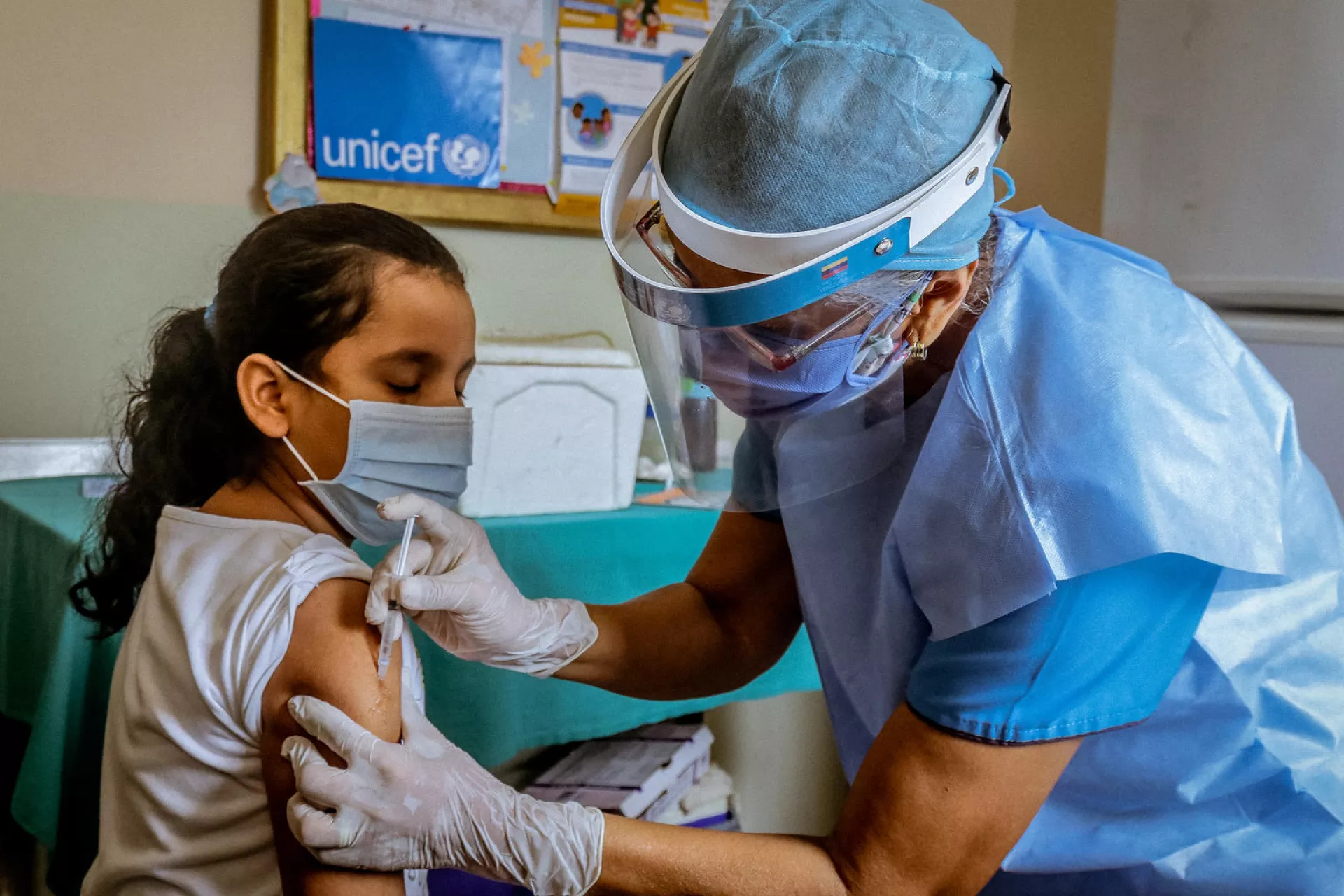
The shot is made by a medical worker in a vaccination or a treatment room of an outpatient clinic or in a medical inspection office of an education institution. It depends on what is more convenient for adolescents and their parents.
The vaccine is injected with a disposable syringe intramuscularly into the deltoid muscle.
What do you need to get vaccinated?
You need to feel good. This means that the body temperature should be normal, you need to have no cold symptoms, pain or other signs of inflammatory processes.
If you have recently had COVID-19, you need to wait for 6 months before vaccination.
COVID-19 vaccination of children is a voluntary procedure, just like all other vaccinations in Belarus. Therefore, it is carried out only with the parents' consent.
What are the possible adverse reactions to vaccination?
The injection spot might get slightly sore, red or swelled. The person might experience headaches, a higher temperature (up to 38°C) for about 3 days – these symptoms are considered normal. As well as muscle weakness and aches. If you're worried about side effects, it's best to consult your doctor.
There are currently no reports of serious adverse reactions in children after vaccination. There have been rare cases of allergic reactions in adults who already had underlying allergic diseases.
Can children with chronic diseases and disabilities be vaccinated?
Yes, if there is no disease exacerbation. Be sure to consult a doctor about the indications and contraindications for vaccination.
What precautions should be taken after vaccination?
After vaccination, do not rush to leave the clinic, you must be under medical supervision for 30 minutes. Do not wet the injection site during the day. Take temperature in the morning and in the evening for 3 days in a row.


