Typhoid Vaccine for your Children: Myths vs. Facts
Health experts debunk some myths around the Typhoid Conjugate Vaccine.
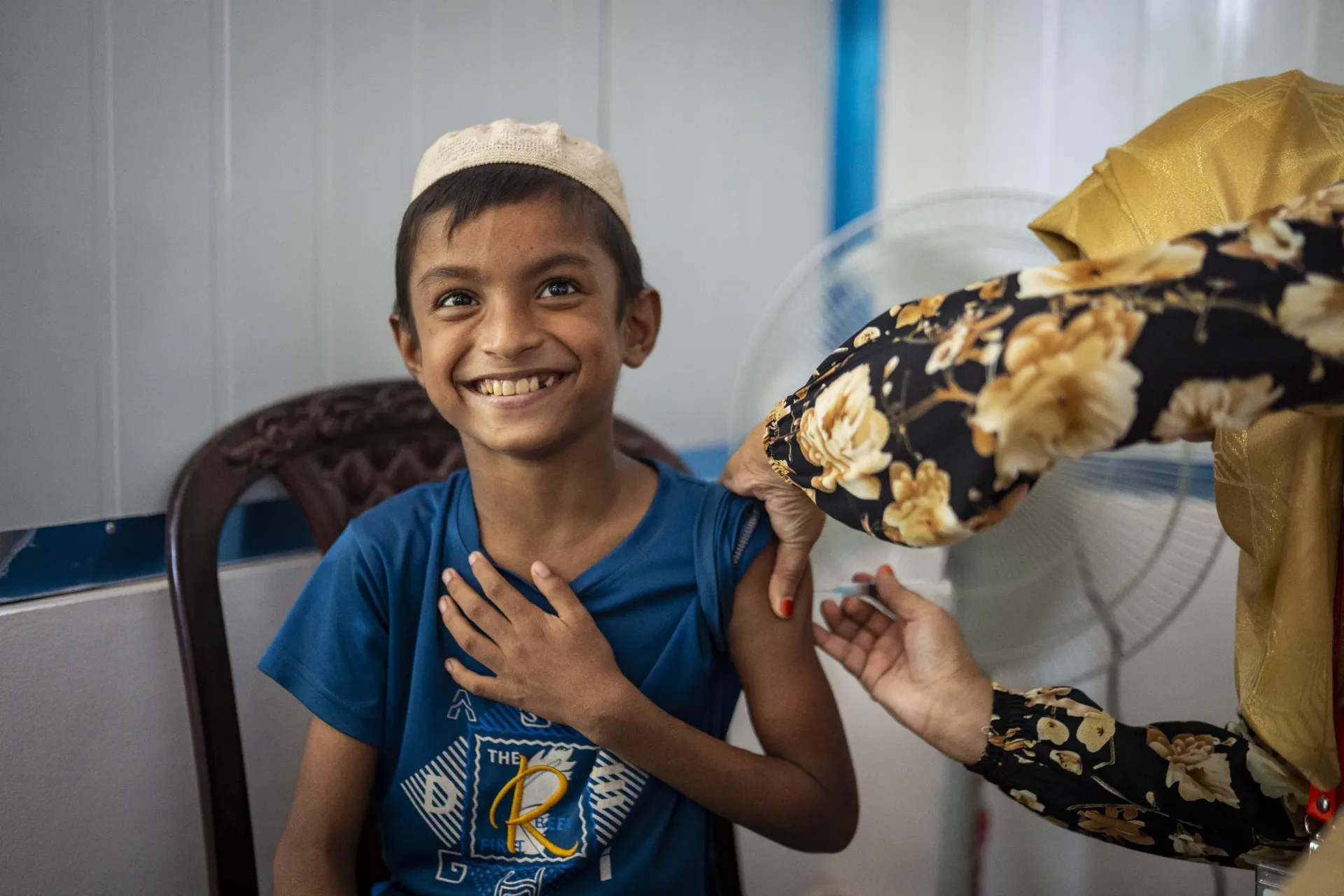
Despite being preventable, typhoid fever still causes 6000 deaths in Bangladesh every year. The disease spreads easily through contaminated food and water, and children are especially vulnerable.
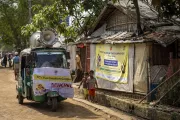
Targeting nearly 50 million children, the Government of Bangladesh recently concluded a nationwide Typhoid Conjugate Vaccine (TCV) campaign launched on 12 October 2025. Over the course of one month, the campaign aimed to provide children with stronger protection against the disease, curb the rise of antibiotic-resistant infections, and build a healthier future for every child.
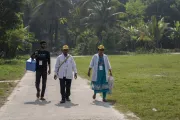
The campaign targeted children aged 9 months to under 15 years, providing the vaccine free-of-charge in schools and community health centres. By mid-November, over 42 million children had already received one dose of TCV at schools across the country. A follow-up community-based drive, from 1-13 November 2025, aimed to reach children who missed their vaccination and those not enrolled in school, to ensure that no child is left behind.
Our health experts answer some of the most common questions from parents and caregivers, debunking myths and sharing practical advice to protect families from typhoid.
What is typhoid fever? Is it a big concern?
Typhoid fever is a life-threatening infection caused by the bacterium Salmonella Typhi which lives only in humans. It is usually spread through contaminated food or water. Once Salmonella Typhi bacteria enter a human body, they multiply and spread into the bloodstream. Increasing resistance to antibiotic treatment is making it easier for typhoid to spread in communities that lack access to safe drinking water or proper sanitation.
How does typhoid fever spread?
Typhoid fever usually spreads through food or water contaminated with Salmonella Typhi. This can happen if someone with typhoid touches something you eat or drink without washing their hands. It can also happen if contaminated water gets into the water you drink or on food you eat. You can get typhoid from another person if they don’t wash their hands after going to the bathroom. When they touch surfaces and objects (like phones or doorknobs), they can leave bacteria behind that can transfer to the next person who touches it.
How do I know if my child has typhoid?
Here are some common symptoms of typhoid fever:
- Prolonged high fever
- Fatigue
- Headache
- Nausea
- Abdominal pain
- Constipation or diarrhoea
A simple blood test at a laboratory can confirm the diagnosis. Some children may have a rash. Severe cases may lead to serious complications or even death.
Do people in Bangladesh need to get vaccinated against typhoid fever?
Yes. Vaccination, combined with safe food, water, sanitation and hygiene practices, provides the best protection for children. People living in typhoid-endemic countries like Bangladesh remain at risk, especially if sanitation and availability of clean drinking water are inconsistent.



Is Typhoid Conjugate Vaccine safe for children?
Yes. Typhoid conjugate vaccines (TCVs) are proven safe and effective for children as young as six months old. The World Health Organization (WHO) recommends TCV as part of routine immunisation in several countries like Bangladesh, Nepal, India, and Pakistan, where typhoid remains widespread.
Does my child need the vaccine if I am careful about water, food and hygiene?
Yes. While good hygiene helps, it’s not always enough. Typhoid can spread through contaminated food prepared by someone who carries the bacteria without showing symptoms, or through contaminated water even in restaurants or at home.

Can I trust the vaccine? I heard that Typhoid Conjugate Vaccines used in Bangladesh are of lower quality.
Yes, you can trust the vaccine. The Typhoid Conjugate Vaccine is prequalified by the World Health Organization (WHO). WHO only approves vaccines that pass strict safety, quality, and efficacy.
How can I keep my child and my family safe from typhoid fever?
Protect your family by following these steps:
- Vaccinate your children against typhoid fever
- Eat food that is cooked properly and served hot
- Drink only pasteurized or boiled milk
- Avoid raw milk and products made from raw milk
- Drink safe or boiled water, or disinfect it with a reliable disinfectant agent (usually available at pharmacies)
- Wash hands thoroughly and frequently with soap after using the toilet or contact with animals
- Wash fruits and vegetables carefully specially if you are eating them raw
- Peel vegetables and fruits when possible
If my child gets typhoid fever, won’t antibiotics cure it easily?
The treatment against typhoid fever is not simple anymore. Salmonella Typhi bacteria are becoming resistant to antibiotics, making infections severe and the treatment more expensive. Vaccination helps reduce the spread of antibiotic treatment-resistant strains, protecting your child and your community.
Vaccines and good sanitation and hygiene can stop typhoid fever in its tracks, protecting every child’s right to a healthy future. Stay safe and happy vaccination!