Harnessing talent
Investing in services to help married, pregnant and parenting adolescent girls thrive
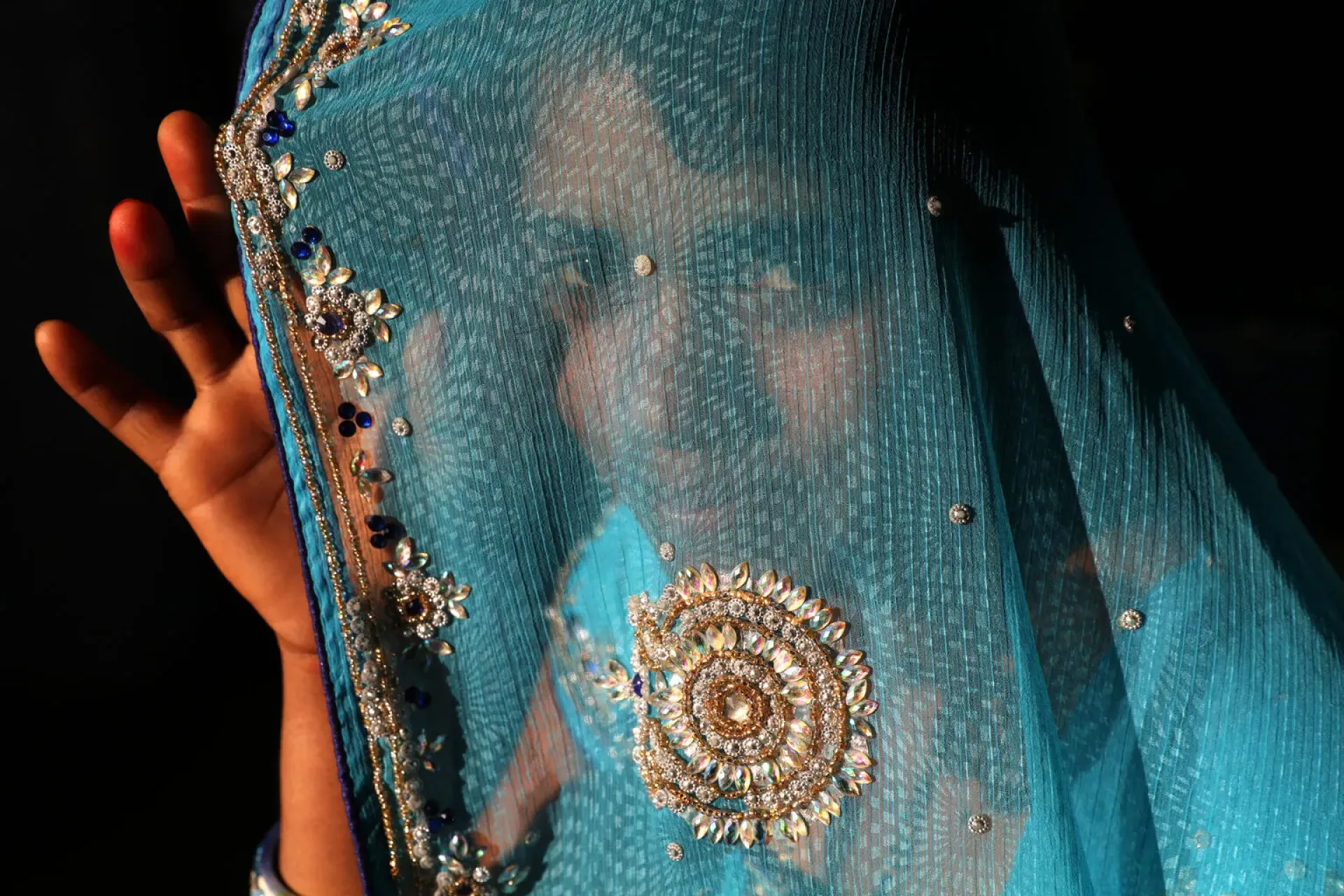
290 million
That is the number of child brides in South Asia. For too many girls, in too many countries across the region, marrying and giving birth not only signals the end of childhood, it also signals the end of learning and opportunity.
UNICEF, in partnership with the South Asia Association for Regional Cooperation, WHO and UNFPA are determined to change that.
In this article, UNICEF South Asia’s Regional Gender Adviser, Veronica Kamanga Njikho, and Health Specialist, Asheber Gaym, tell us more about the injustices faced by pregnant and parenting adolescents and how investing in comprehensive services beyond health can give them a second chance.
What factors contribute to adolescent pregnancy?
Adolescent pregnancy is intertwined with child marriage. Around one in four young women in South Asia were first married before their 18th birthday. Abject poverty and deep-rooted social norms are the primary reasons for girls getting married at a young age in this region.
After marriage, girls are expected to bear children and help with housework. These girls are often unaware of the life-threatening risks of getting pregnant or bearing children at an early age.
From your conversations with adolescent girls in the region, what are the biggest challenges they face?
Veronica Njikho -
In Lumbini, Nepal, I met Amina, a young mother who once aspired to be a doctor. But she was married off early and soon after gave birth. She and the other mothers told me the biggest obstacle they face is continuing their studies while also looking after their children and doing housework.
Asheber Gaym -
During my visit to a health centre in India, a young mother shared her struggles in receiving appropriate prenatal care during her pregnancy. Other young mothers mentioned experiencing physical or sexual violence. With no one to help them, and not knowing where to turn for help, they felt trapped and helpless.

Why is it important to meet the needs of pregnant, married and parenting adolescents in South Asia?
First of all, every girl has the right to achieve her full potential. And it’s only when girls enjoy all their rights, as enshrined in the Convention on the Rights of the Child, and fully contribute to a nation’s development, that South Asia can achieve its full potential.
Addressing the needs of adolescent pregnant, parenting and married girls helps to break the cycle of early marriage and childbirth. For example, we know that if girls complete high school, they are more likely to send their own children to go to school. This way, we can break intergenerational cycles of poverty and poor health. By making sure girls and boys have equal access to education, including sexual and reproductive health education in schools for adolescents, healthcare and opportunities to build skills, we can help create a more productive and prosperous society.
How are countries supporting married, pregnant and parenting adolescent girls?
We are seeing encouraging progress from South Asian governments.
In the last decade in South Asia, the likelihood of a girl marrying in childhood has dropped by nearly half.
Several countries have put in place strict laws to prevent child marriages and have raised the legal age of marriage. Additionally, they also offer financial assistance to families in need, deliver tailored health services for girls, and provide specialized classes and skills training to help girls pursue education and employment.
For example, Bangladesh has successfully reduced the number of child marriages by offering cash transfers to poor and marginalised families with adolescent girls.
India's "Rashtriya Kishor Swasthya Karyakram" is an innovative initiative that provides tailored health services to adolescent girls, including reproductive and sexual health.
Nepal’s “Adolescent Friendly Information Corners” empower adolescent boys and girls to seek information about reproductive health and improve their access to age-appropriate reproductive health education. Currently, there are 200 schools with fully functional corners.
Can you share examples of how UNICEF is reducing adolescent child marriage in this region?
UNICEF works with governments, partners, communities and young people to end child marriage by challenging communities to think differently about how girls are valued. UNICEF’s Rupantaran and Skills4 Girls programmes demonstrate successes in reducing child marriage and promoting vocational education for girls in Nepal and Bangladesh, such as tailoring.
Together with community health workers, community leaders, and young champions, we are educating families and girls about the risks of child marriage and adolescent pregnancy.
Globally and locally, our campaigns for legal reforms to eliminate child marriage have led to numerous new laws and social protection networks, paving the way for a safer and more productive future for vulnerable girls.

With only 6 years left until 2030, how can countries accelerate efforts to end adolescent pregnancies and meet the Sustainable Development Goals?
South Asia is home to the biggest cohort of adolescent girls globally. Unless significant progress is made in South Asia, the world will fail to achieve the 2030 Sustainable Development Goals.
We are very pleased that the South Asian Association for Regional Cooperation (SAARC) is demonstrating strong leadership in this area. The recently convened Regional Dialogue on Adolescent Pregnancy is a good example of the power of partnership and pursuing a shared agenda to lift the region.
Once the Recommendations from the Dialogue are endorsed, the work of implementing them in a timely way begins. In some cases, it’s about re-energising already existing programmes and scaling them up; in others, it’s about creating new initiatives.
We know what works.

Governments and partners must increase investments in girls' education, especially efforts to keep them in high school. For those who require alternatives to high school, creating a range of vocational education opportunities is a great way to encourage entrepreneurship. Additionally, providing childcare services to parenting adolescents and flexible shifts can also help them return to school.
Something that can complement school attendance is social protection programmes, such as cash transfers. These can alleviate financial pressures that push families to marry off their daughters early.
But these efforts won’t succeed in and of themselves unless we work at the grassroots’ level and engage communities to value girls differently, see their potential and value their contributions beyond being wives and mothers.
Governments can also integrate comprehensive reproductive health education into school curricula to educate adolescent girls – and boys -- about their rights, choices, and the consequences of early marriage and pregnancies. Addressing these issues empowers adolescent girls to make informed decisions and supports their health and well-being.
Having a baby as an adolescent doesn’t have to be the ‘end of the road.’ Rather, it can be a turning point and a pathway for girls to explore new opportunities and realise their full potential. This is not only the right thing to do by girls, it’s in the enlightened self-interest of a country. We know that investing in a skilled female workforce contributes to nations' economic growth and prosperity. In short, it’s win-win.