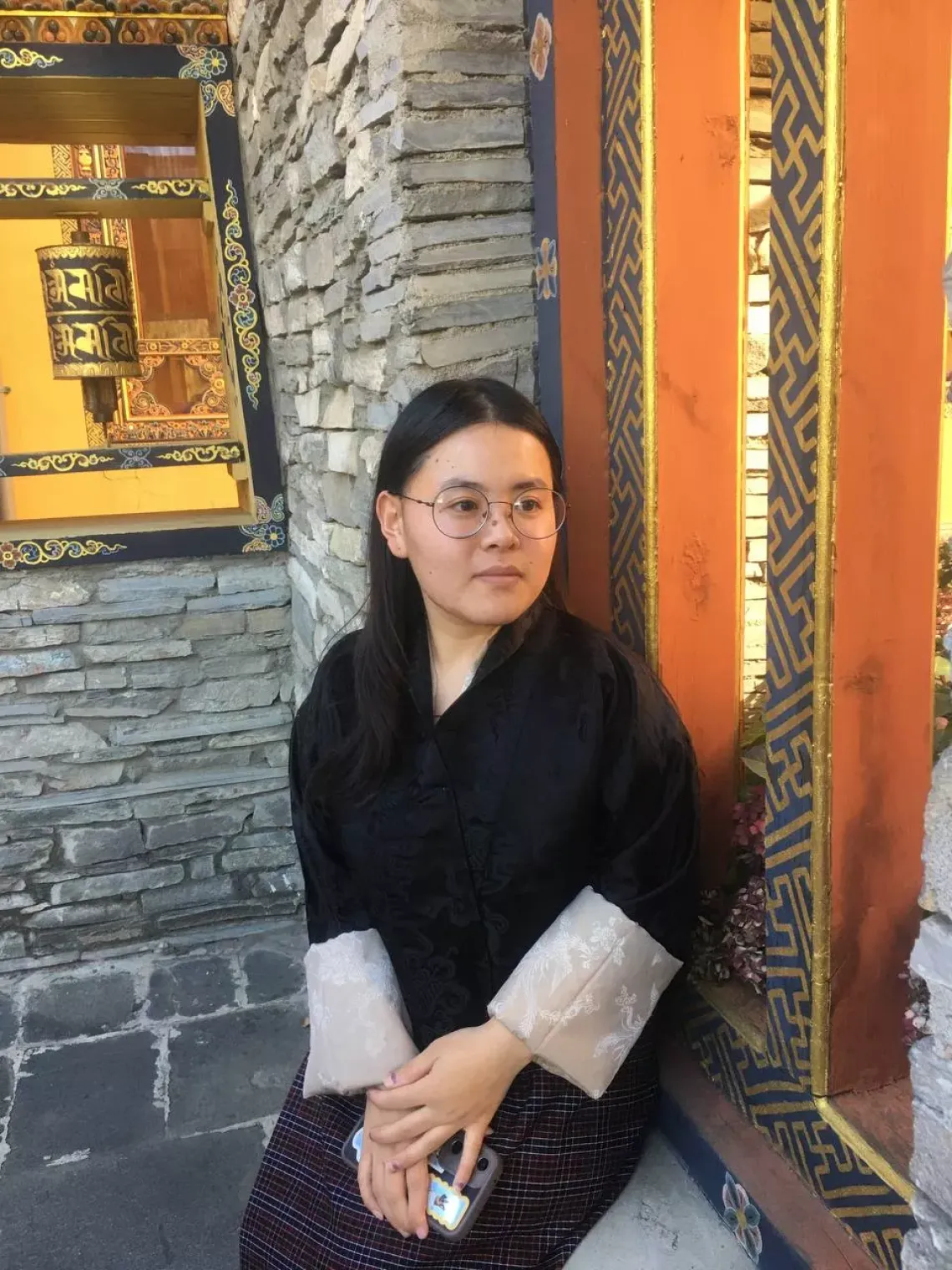
If there’s one thing I’ve learned, it’s this: stay open to new opportunities. That mindset took me from being a shy youth to now standing up for the rights of young people with disabilities across Bhutan.
A younger me would never have imagined living independently. But here I am, 23 years old, living by myself in Thimphu, earning a living, and empowering others like me.
My early years growing up in Trashigang
I was born in Gelephu, in southern Bhutan, and later moved with my family to Trashigang in the east, where I spent most of my childhood. I have three sisters and a brother. My father was a police officer; my mother stayed at home to look after us. My early childhood was like anyone else’s, until it wasn’t.

Our school was far away, and walking there was tough. It took me nearly twice as long as the others; carrying books made it even tougher. My brother always walked with me and carried my bag. My teachers also supported me where possible, from allowing me to stay inside during long school assemblies to moving classes so I wouldn’t need to climb stairs.
I didn’t even realise I had a disability until I noticed my classmates growing taller, while I stayed the same. Eventually, the teasing started. My leg became the subject of jokes. I felt isolated and different.
But my brother was always there, supporting me and protecting me.
My family never treated me differently. They took me to India twice, hoping to find a treatment to help with my condition. There wasn’t one. But they never gave up on me. More importantly, they never let me give up on myself.
Life after school
After finishing school, my friends found new jobs and new beginnings. I stayed home, unsure of what came next. It was frustrating to see my schoolmates and friends building their lives while I remained stuck. My parents were always supportive, but I felt like a burden.
One day, my mother suggested that I start tutoring. I began teaching students from Grades 1 to 3. It was difficult at first, but it gave me a sense of purpose. I rediscovered my love for learning and sharing knowledge.
Later, my cousin, the principal of a vocational training centre, encouraged me to join a training organised by UNDP. There, I met Sir Phurpa Wangchuk, a fellow person with disability and a strong advocate for inclusion. He encouraged me to attend another training in Thimphu. My parents were worried, but I convinced them to let me go. That moment changed my life.
Sir Phurpa has supported me ever since. He helped me shape the person I am today.
Finding my voice
For the first time, I was surrounded by others like me - young people with different disabilities. We trained together, shared stories, and supported one another. I realised I wasn’t alone. I had a voice.

Soon after, I was invited to attend the Youth Advocacy Guide (YAG) training in Nepal.
I had never left Bhutan, nor spoken in front of big groups. I was nervous, but I said yes. And I am glad I did.
In Nepal, I met young advocates from across South Asia. Their courage and confidence sparked something within me. I returned home knowing I wanted to become a voice for others like me.

What my life looks like today

Today, I work with the Disabled People’s Organisation in Bhutan, leading trainings on disability rights, accessibility, and inclusion.
I used to be terrified of speaking in front of others, but with the support from my facilitator, Mam Tharpa, I’ve grown more confident.
One of the most life-changing experiences for me was attending the Disability Equality Training. I stopped seeing my disability as a limitation. I met people who now feel like family. I no longer felt alone; I felt empowered.

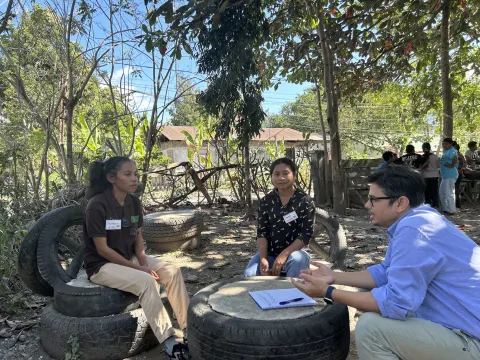
Last winter, I joined a UNICEF-supported programme in Mongar where I had the opportunity to advocate for disability inclusion. UNICEF’s support continues to inspire me and has helped me grow as an advocate.
Of course, I still have days when I doubt myself. But I keep going because of the people who believe in me - my family, teachers, friends, and mentors – all of whom never gave up on me and still encourage me on.
What I’ve accomplished so far
Looking back, I can see how far I’ve come, not just in terms of what I do, but how I view myself. As a person with a disability, I am proud to be doing meaningful work, earning a living, and slowly building a life of my own. I may not be fully independent yet, or able to support my parents entirely, but I’ve taken steps forward. I’ve been able to ease some of their worries and make them proud—and that, to me, is success.
Looking ahead

I plan to continue advocating for young Bhutanese with disabilities. I want them to live their lives knowing that they are not alone. I want to change the misconception that people with disabilities cannot do much. We all can. We need the opportunity and support.
To me, this is what inclusion is all about: dignity, equal access, fair opportunities and being seen as capable.
Looking ahead, I hope Bhutan continues to move toward building an inclusive society. This means investing more in disability-friendly infrastructure, especially public transport and supporting organisations working to improve the lives of people with disabilities.

Those of you with a disability reading this: I nearly let mine define me; I don’t want that to happen to you. Be open to opportunities. Learn, grow, and put yourself out there. The world has so much to offer you, and you have so much to offer the world.
I’m still learning, still growing, but I’ll keep walking this path—not just for myself, but for everyone still waiting to be seen, heard, and included.