What to do during an earthquake
The effects of a disaster can be mitigated through appropriate knowledge, disaster risk reduction, and disaster preparedness actions..
- Հայերեն
- English
Earthquakes often occur unexpectedly. Maintaining self-control, staying calm, and taking well-thought-out actions are crucial. This is achievable only when you know precisely how to respond during an earthquake.
Remember that even in the event of a severe earthquake, buildings don't collapse instantly. Analyzing the destruction in Gyumri (1988, magnitude of 6.8), 10-story buildings began to collapse approximately 10-12 seconds after the initial shock. This timeframe is crucial, allowing you to take specific actions to protect yourself.
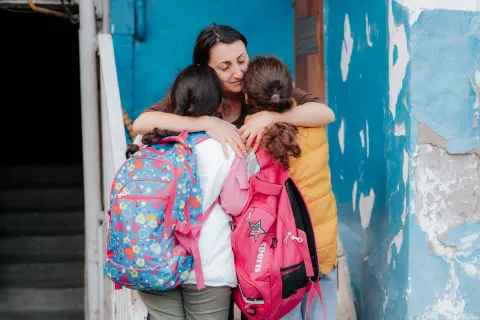
Keep in mind that children, the elderly, and those who are ill may require your assistance. You can ensure your safety and respond more effectively by attending to their needs. Here's what to do during an earthquake.
- If you are on the first or second floors of a high-rise building, attempt to exit the building immediately and move to an open area.
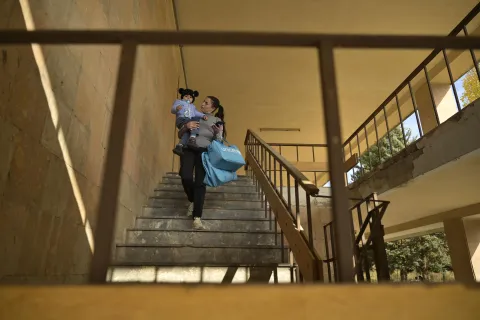
- If you are on the third floor or higher, it's advisable not to leave the building. The stairways and elevators may become congested, and stairwells are susceptible to collapse during earthquakes.
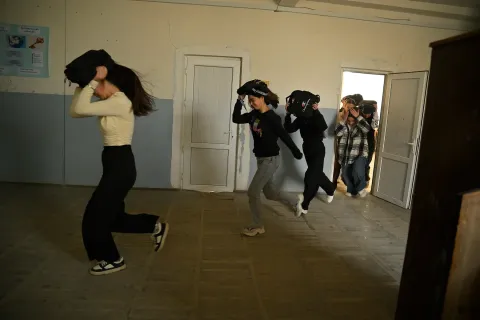
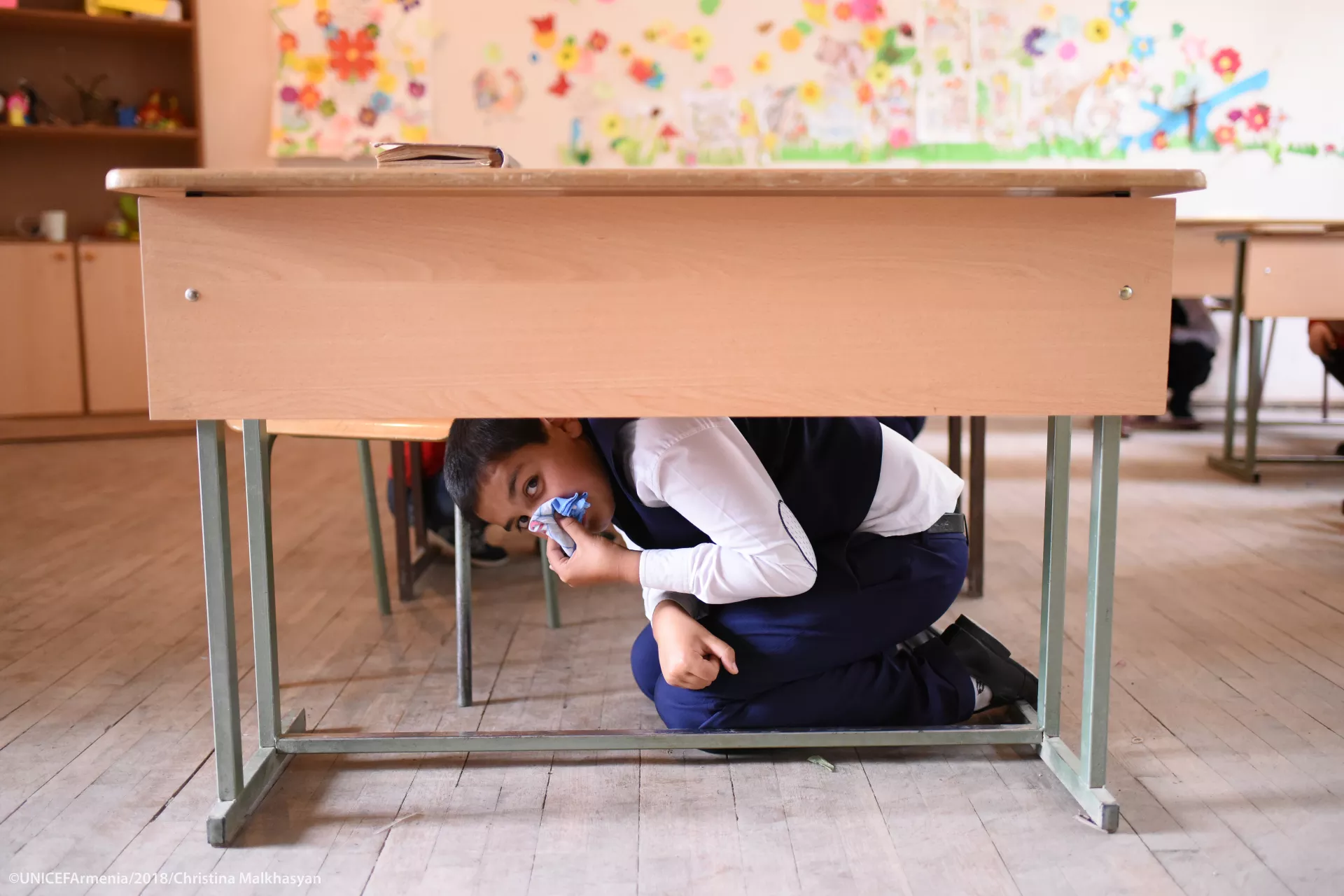
- Seek refuge near the main load-bearing walls in the central part of the building, including corners formed by these walls, doorways, and wall pillars. Hold a chair, bag, or any suitable object above your head to shield yourself from falling plaster. Alternatively, you can take cover beneath a nearby bed or table.
- Stay clear of windows and exterior walls, as they are more prone to collapse and can pose a risk from shattered objects.
- Be cautious of heavy and large items, such as cabinets and refrigerators, which may shift or topple.
- Once the shaking subsides, try to exit the building using a predetermined route.
- While leaving the building, watch out for falling debris, broken glass, and severed electrical wires.
- Dust from collapsing structures can be suffocating. Cover your mouth and nose with a handkerchief, scarf, or a piece of torn clothing to help with breathing.
- Move away from buildings, bridges, and power poles towards open, safe spaces.
- Never enter a building to assist its occupants; this can be highly dangerous. Stay outside and seek alternative ways to provide help.
- When a strong earthquake begins, you may feel a loss of control over the steering wheel, as if the car is swerving. Reduce your speed to ensure you don't collide with other vehicles during this time. Move to the right side of the road and find a safe place to park, preferably in an open area away from bridges, tall buildings, and power poles.
- Remain inside the car and stay tuned to the information the car radio provides. Follow the guidance provided and take appropriate actions.
- The entry of vehicles into the disaster zone is strictly prohibited except for specialized equipment, rescue teams, fire brigades, and emergency aid.
While the subway may be a secure refuge during a bombardment, it poses severe danger during a strong earthquake. If you're on the subway during an earthquake:
- Do not panic; prioritize your safety.
- Hold onto any available objects, such as luggage racks and iron bars, to prevent falling during the tremors.
- During a magnitude 5 earthquake, the power may be cut off, and the train will temporarily stop. Emergency lights will automatically illuminate the metro station.
- Avoid attempting to reach the exits, as it can be hazardous and lead to panic. Instead, follow the instructions provided via the station's loudspeaker system.
- Avoid using electricity at all costs. Refrain from using matches or a gas lighter, as the gas pipes may be damaged. Use only a flashlight for illumination.
- Don't spend time getting dressed. Swiftly grab your emergency bag containing essential items and follow the guidelines mentioned in the preceding sections.
- Avoid reckless actions that might trigger further collapses. If there is space, move to a safer location.
- If necessary, administer first aid to yourself (stop bleeding and apply bandages). If others are trapped with you, reassure them and provide first aid.
- Communicate with those outside and in nearby rubble by shouting or using loud objects to signal for help. This can assist in locating the safest and most effective ways to rescue everyone.
- If you are not found within the first two days, remain calm and conserve your energy. Avoid unnecessary movements.
- If you have access to food and liquids, ration them carefully, aiming for at least a 15-day supply.
- If you lack fluids and the ground is damp near damaged water pipes, use a piece of clothing to moisten your mouth (lips). Keeping a small, smooth stone in your mouth can also help alleviate thirst.
- If you are confident that you can escape and it is safe to do so, proceed as follows:
- Carefully create an opening without disturbing large, piled debris to prevent further collapses.
- Secure the opening with supports like solid debris, sticks, or metal objects.
- After each aftershock, inspect the condition of the opening cautiously.
Use your phone only when absolutely necessary, as excessive use can overwhelm the telephone network and disrupt ongoing rescue operations.
Remember these critical phone numbers:
EMS (Emergency Medical Services): 911
Fire Service: 101
Police: 102
Emergency Service: 103