What adolescents and young people should know about COP17
How can young people prepare for and engage in COP17?
- Հայերեն
- English
What are COPs and why do they matter for young people?
In 2026, Yerevan will become the centre of one of the world’s most important environmental processes. Leaders, scientists, activists, representatives of international organizations and young people from dozens of countries will gather in Armenia to discuss how to protect nature and build a safer future.
From 19 to 30 October, Yerevan will host the 17th meeting of the Conference of the Parties to the Convention on Biological Diversity (COP17). During the conference, countries will discuss progress made in biodiversity conservation, new targets and the next steps for international cooperation.
Before understanding what COP17 is, however, it is important to first understand what COPs are in general and why they matter, especially for children and young people.
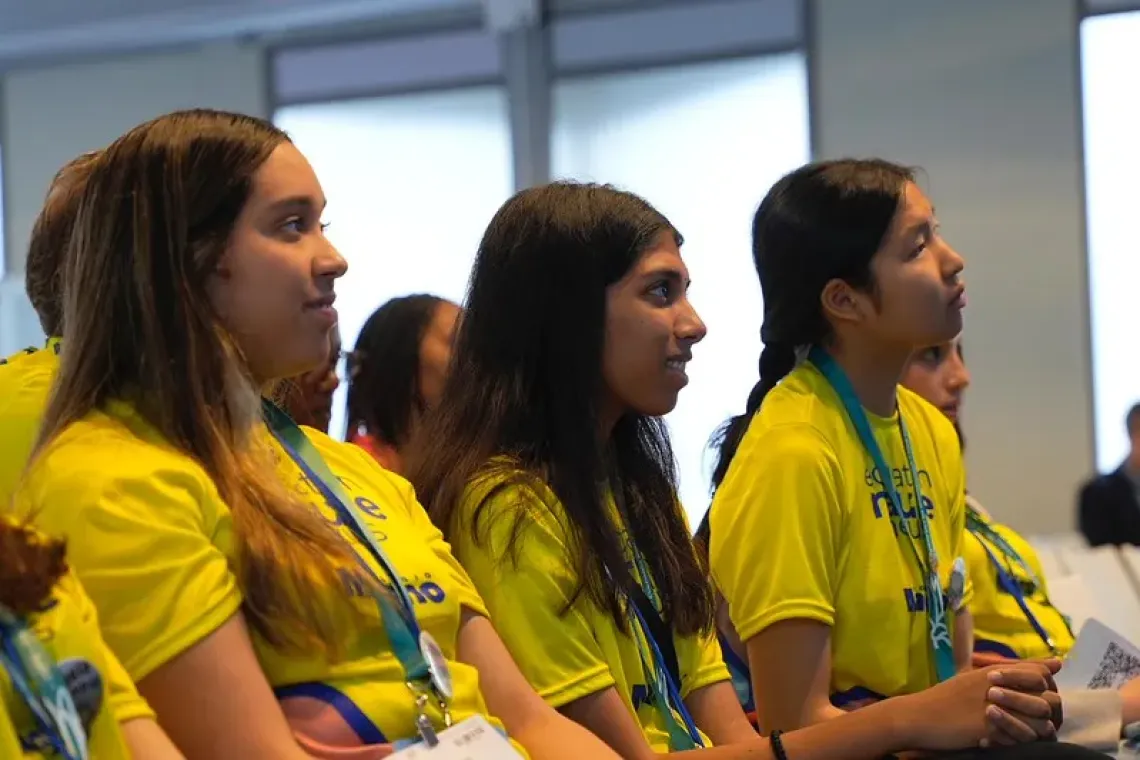
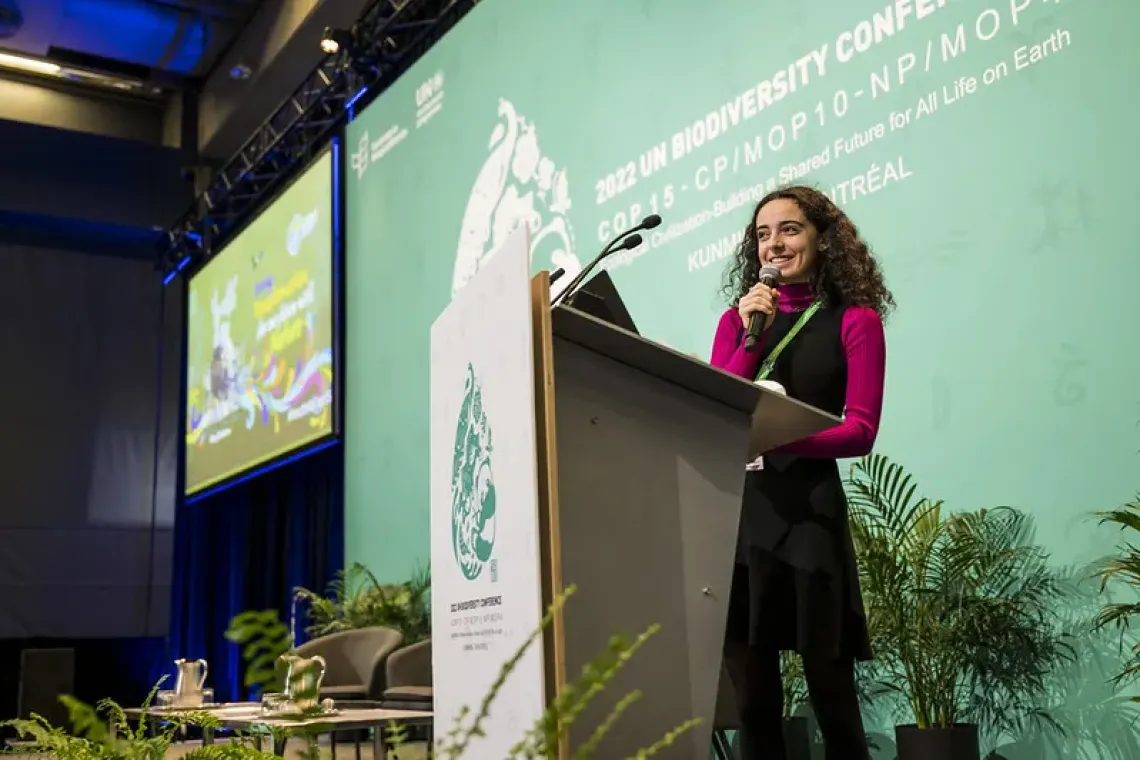
COP (Conference of the Parties) is an international conference where countries come together to discuss global challenges and agree on joint action.
There are three main environmental COP processes:
- The Climate Change COP, under the United Nations Framework Convention on Climate Change, or UNFCCC, which focuses on climate change, global warming and reducing greenhouse gas emissions;
- The Biodiversity COP, under the Convention on Biological Diversity, or CBD, which focuses on protecting nature, wildlife, plants, forests and ecosystems;
- The Desertification COP, under the United Nations Convention to Combat Desertification, or UNCCD, which addresses land degradation, drought and the protection of agricultural land.
These three processes are closely interconnected. Climate change contributes to biodiversity loss and land degradation, which, in turn, increases climate risks and affects food, water, and people’s quality of life.
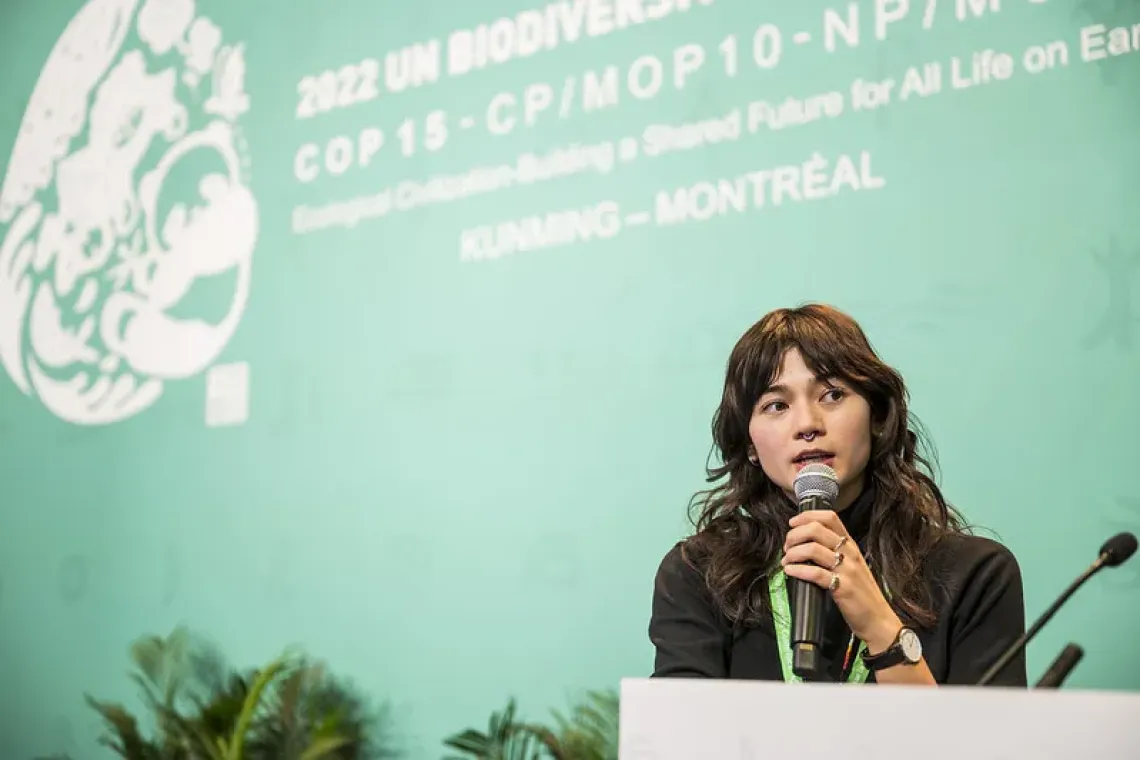
COPs are part of long-term negotiation processes through which countries develop, discuss and review their international commitments. Consultations, working meetings and national policy development continue both before and after the conferences. For example, the Paris Agreement was adopted during the Climate COP in 2015, while the Kunming-Montreal Global Biodiversity Framework was adopted during Biodiversity COP15 in 2022. One of its goals is to place at least 30 per cent of the world’s land and marine areas under protection by 2030.
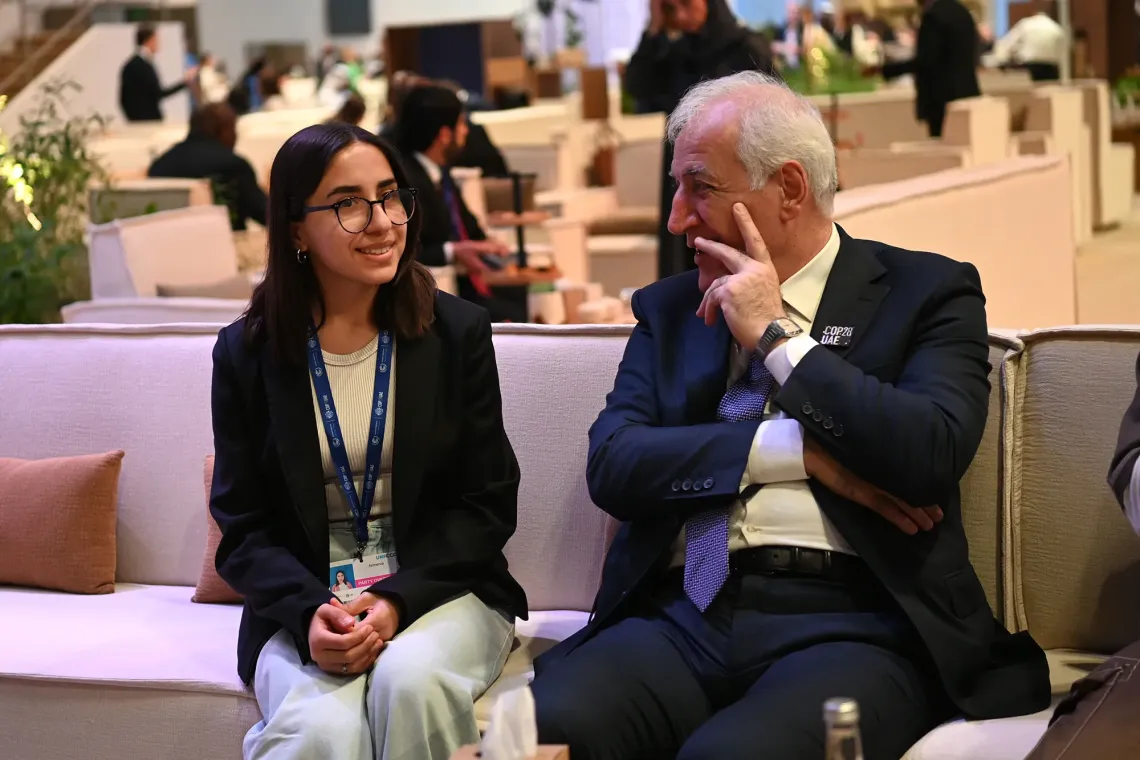
All COPs have two main areas: the Blue Zone and the Green Zone. The Blue Zone is the official negotiation and diplomatic area, accessible to delegations from UN Member States, UN agencies and accredited observer organizations. While the Green Zone is a public area that is open to everyone.
What role do children and young people play in climate and biodiversity processes?
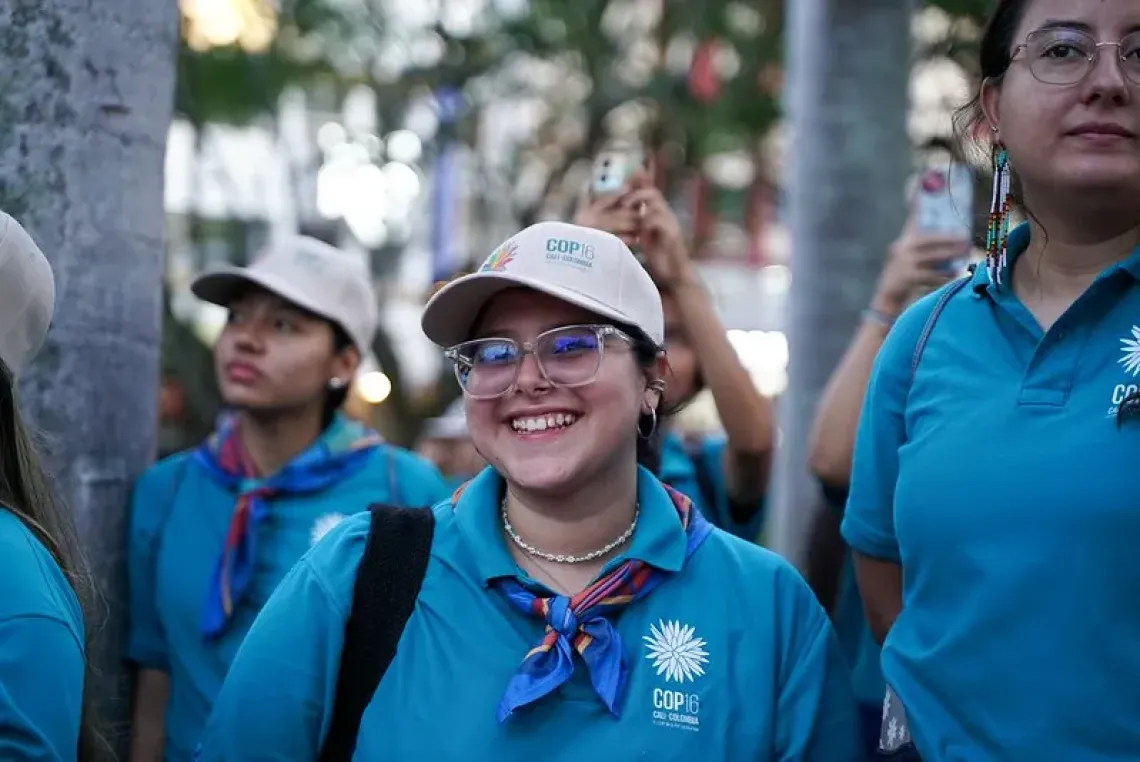
All three UN COP processes recognize children and young people as important stakeholders and constituencies. Official mechanisms have also been established to support youth participation in both climate change and biodiversity processes:
- YOUNGO is the official children and youth constituency of the UNFCCC.
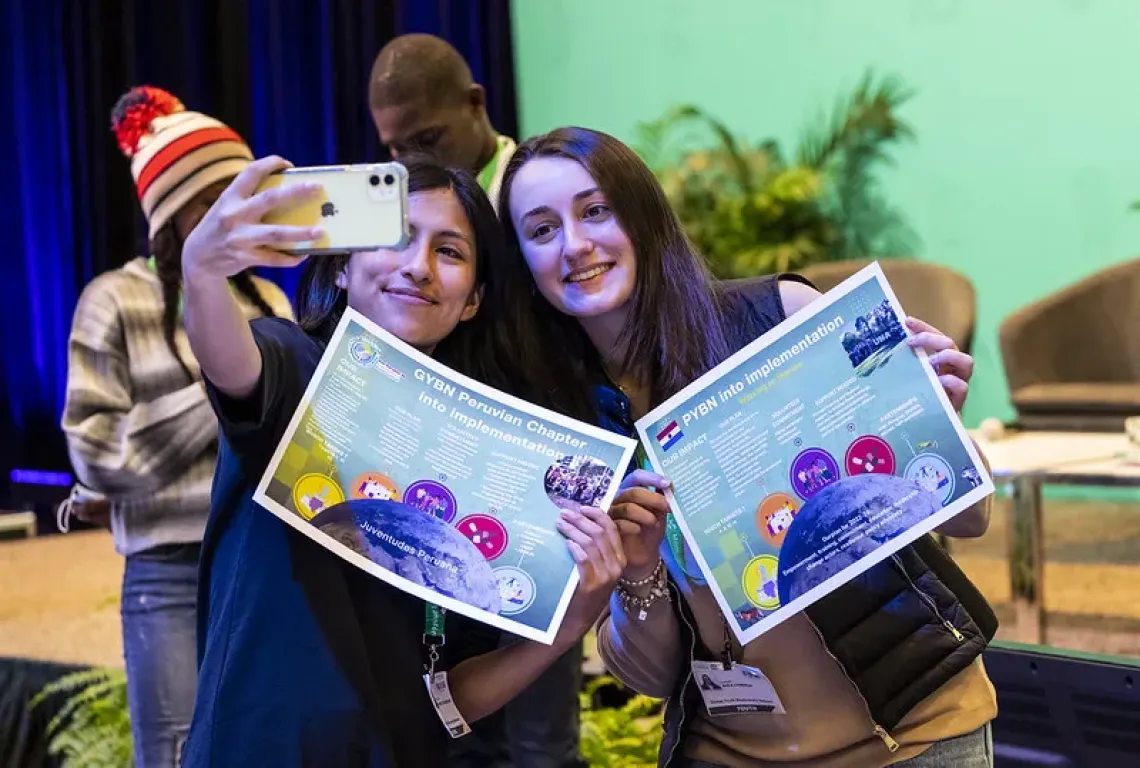
- GYBN, the Global Youth Biodiversity Network, is the official youth network under the CBD.
Both have access to official COP processes to present youth perspectives, monitor government commitments, participate as observers in the diplomatic Blue Zones of COPs and, in some cases, speak during plenary sessions.
But why do children and young people play such an important role in these processes?
First, children and young people are disproportionately affected by climate change and biodiversity loss. These impacts can have long-term consequences for their health, education, wellbeing and future opportunities. This is also linked to the principle of intergenerational equity, according to which today’s decisions should not compromise the opportunities of future generations. This principle is an important foundation for both climate and biodiversity governance.
Second, children and young people bring unique perspectives, innovative ideas and strong potential to drive change. They can contribute to behavioural change, community initiatives, education processes and the development of new solutions.
Third, children and young people have the right to participate in decisions that concern them. This right is recognized not only in the Convention on the Rights of the Child, but also in the Rio Declaration, which emphasizes public participation in environmental decision-making.
This approach is further reinforced in General Comment No. 26 of the UN Committee on the Rights of the Child, which states that governments should ensure children’s participation in climate and environmental decision-making processes.
On 18 January 2023, Armenia joined UNICEF’s Intergovernmental Declaration on Children, Youth and Climate Action, becoming the first country in the Caucasus to sign it. The declaration aims to strengthen the participation of children and young people in climate and environmental processes through education, skills development and engagement in decision-making.
Opportunities for participation before, during and after COP17
Unlike the Climate Change COP, which takes place every year, the Biodiversity COP takes place once every two years. This means that Armenia will continue to preside over the process until COP18 in 2028. In other words, opportunities for youth engagement will not be limited to the days of the conference itself.
One does not need to be a scientist, politician or expert to participate in COP17. Your participation can begin with small steps, learning about nature, starting initiatives in your community or joining youth networks.
Here are several ways you can engage in COP17 before, during and after the conference.
1. Participate in a pre-COP youth conference
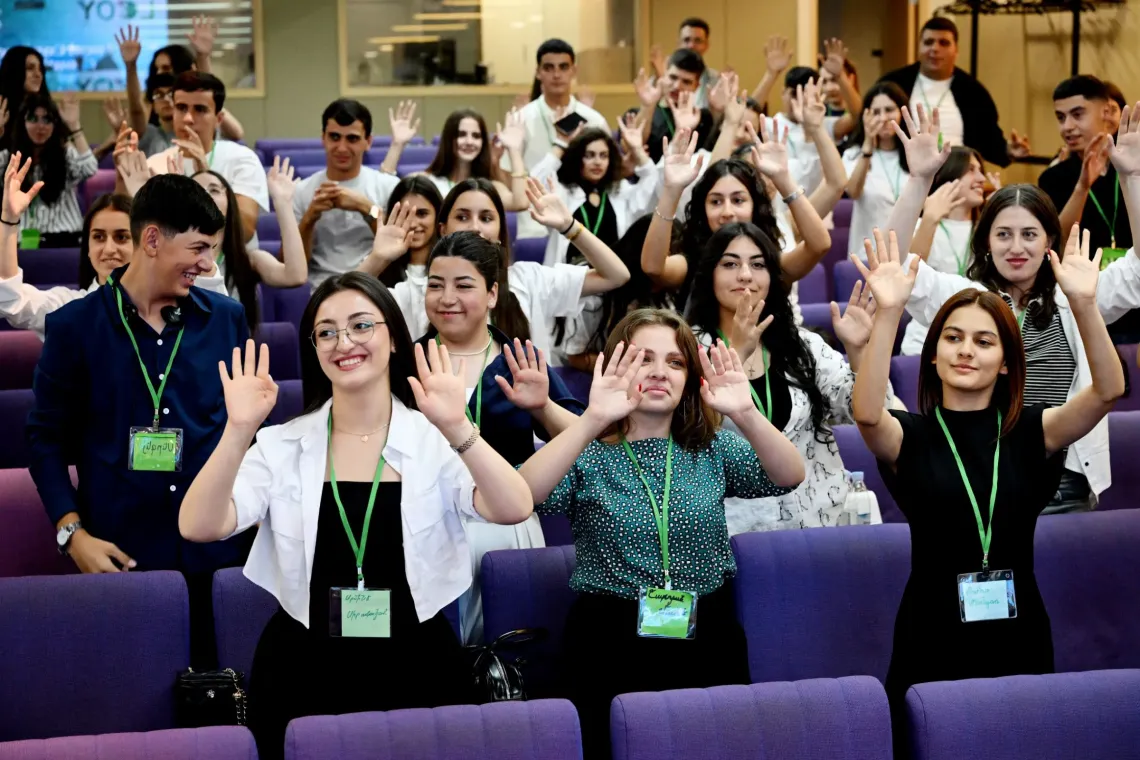
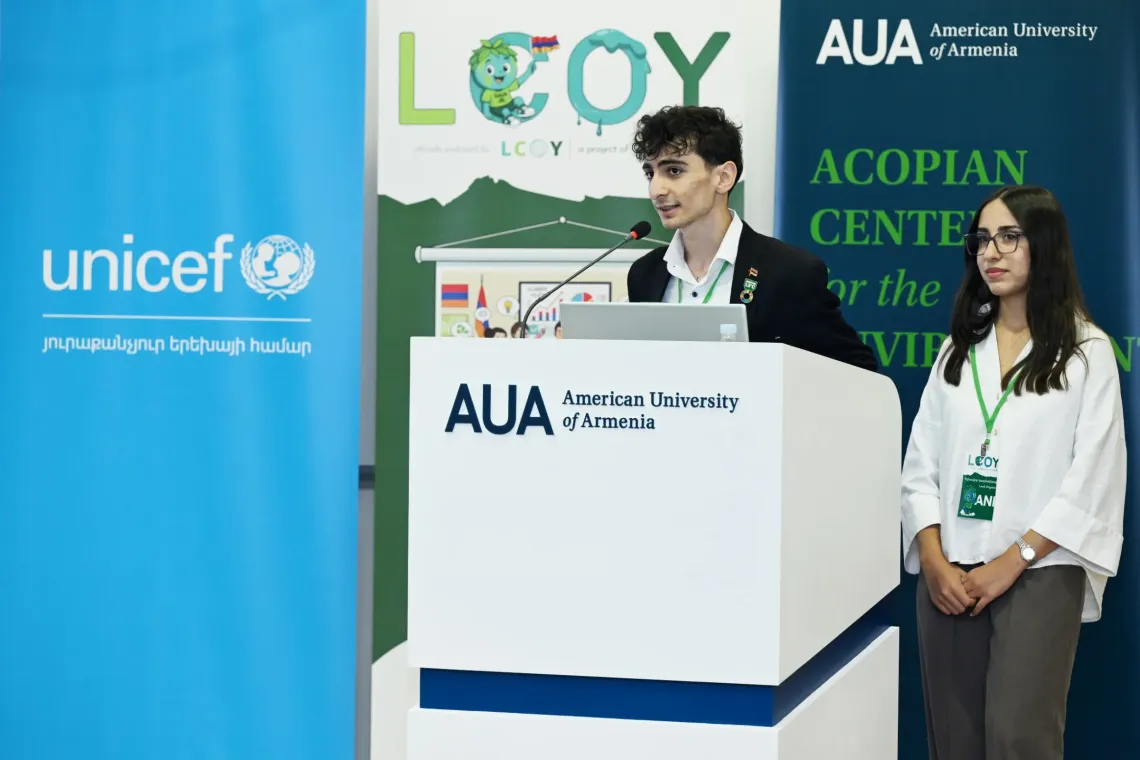
Ahead of every COP, YOUNGO organizes the Conference of Youth (COY), where proposals developed by adolescents and young people from different countries are discussed and consolidated. Based on these discussions, YOUNGO prepares its global youth statement, which is presented at the Climate Change COP in an effort to bring youth priorities into climate negotiations.
In 2026, the Local Conference of Youth (LCOY) for Armenia, licensed by YOUNGO, will take place in July. To apply and participate in the LCOY, follow this Instagram account not to miss the announcement. In the meantime, you can also explore the outcomes of LCOY 2025 to better prepare yourself.
2. Join GYBN to become part of the official youth delegation in the Blue Zone at COP17
Founded in 2010, GYBN brings together young people and youth organizations from around the world to lead, support and accelerate collective action for a just and equitable world living in harmony with nature. Since 2012, GYBN has been recognized as the international coordination platform for youth participation under the CBD.
Today, the network has around 1.2 million members from 172 countries. It includes more than 700 member organizations and over 65 national and regional chapters. In May 2026, GYBN launched its Armenian chapter to bring together young people from across Armenia and the diaspora, aged 18–35, and strengthen youth engagement in biodiversity conservation.
By joining GYBN, you can:
- contribute to COP17 preparatory processes;
- become part of the official youth delegation at COP17 Blue Zone.
- participate in international discussions and engage in youth consultations, such as at the Youth Summit on 17-18 October in Yerevan.
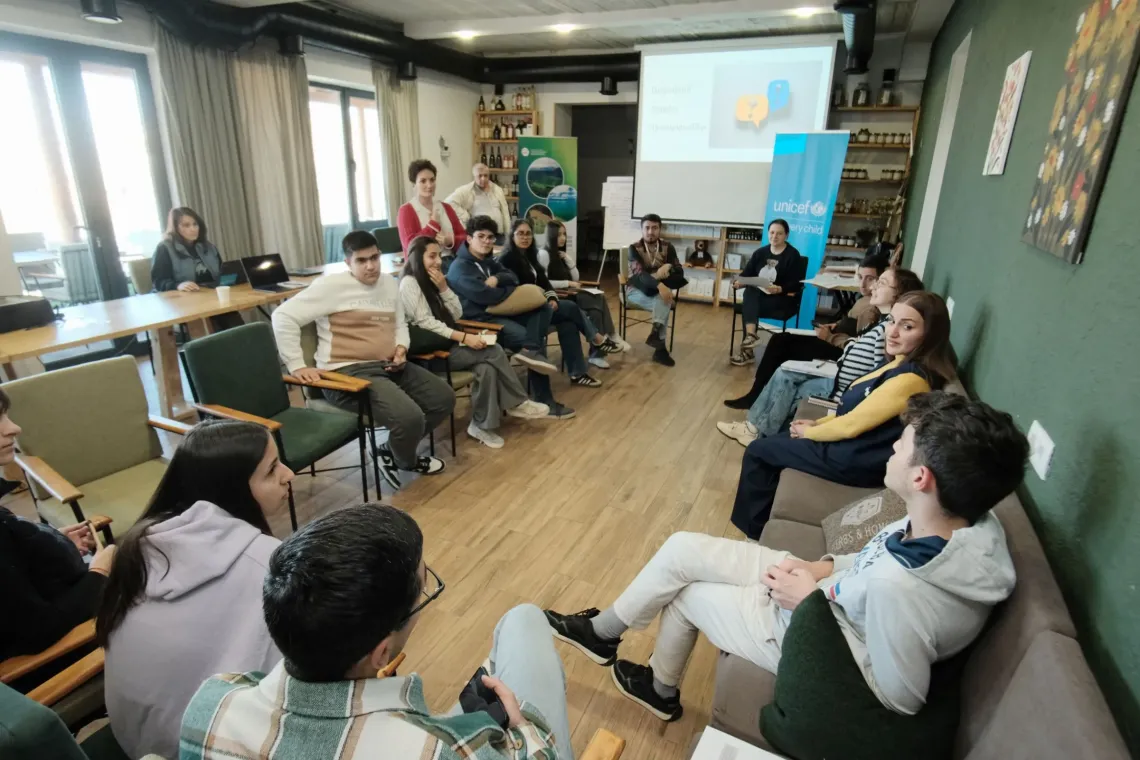
An upcoming opportunity is to apply and attend the National Capacity-Building Workshop, planned for 20–24 July in Yerevan. It is designed for 40 young people from Armenia aged 18–35. Participants will learn about CBD processes, how COPs work and take part in a COP simulation exercise. The call for applications will be published through the chapter’s official channels.
3. Visit the COP17 Green Zone
As mentioned earlier, the Green Zone is an open public space that hosts exhibitions, youth discussions, cultural events and interactive activities. It is open to everyone interested, including young people, students, schoolchildren, researchers and civil society organizations.
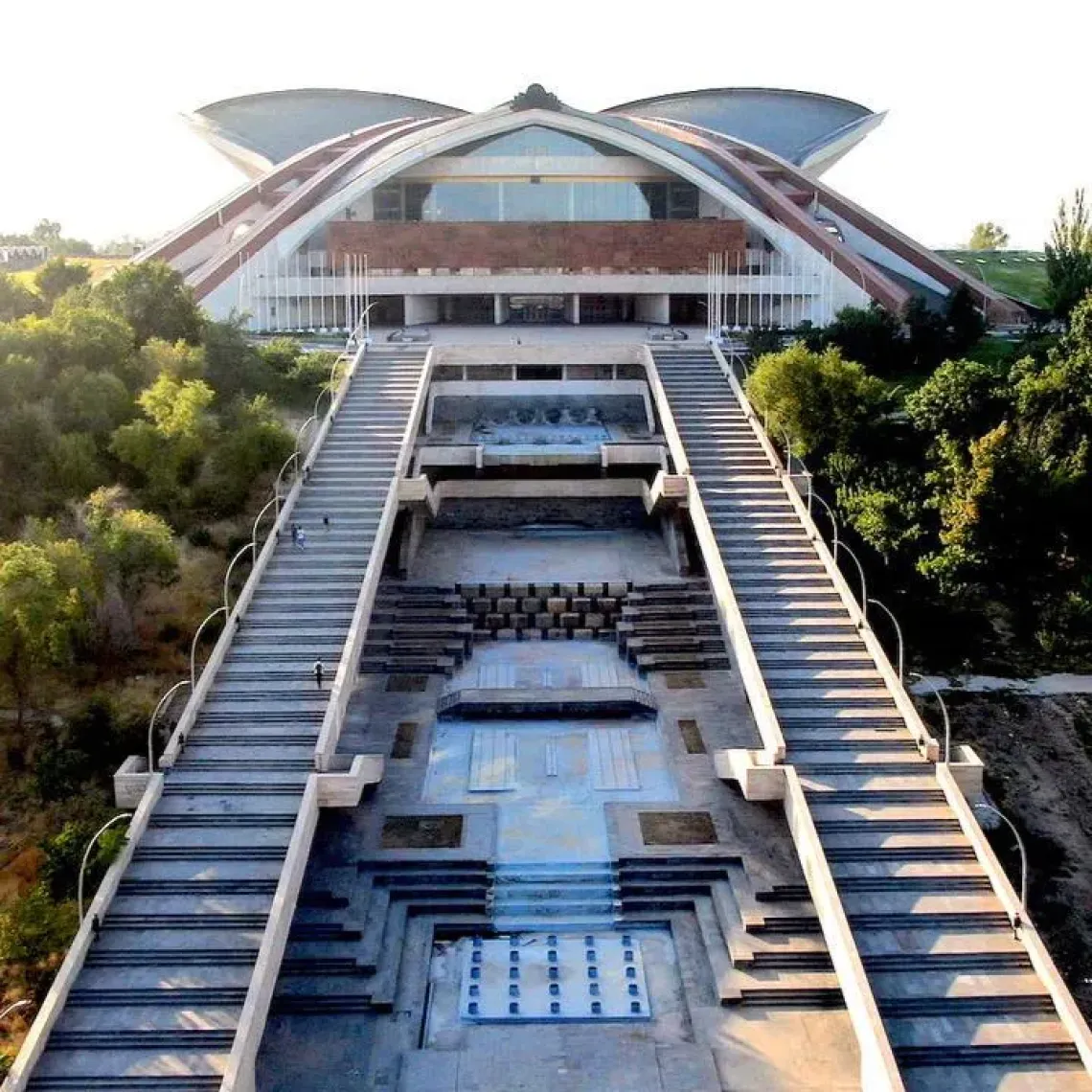
The COP17 Green Zone will be located at the Karen Demirchyan Sports and Concert Complex in Yerevan. There, you can:
- attend and participate in thematic youth discussions;
- listen to international experts;
- meet local and international peers who share your passion for nature;
- and take part in exhibitions and interactive activities.
If you plan to visit the Green Zone, prepare for a busy day by bringing a reusable water bottle and wearing comfortable shoes.
4. Engage in national youth platforms
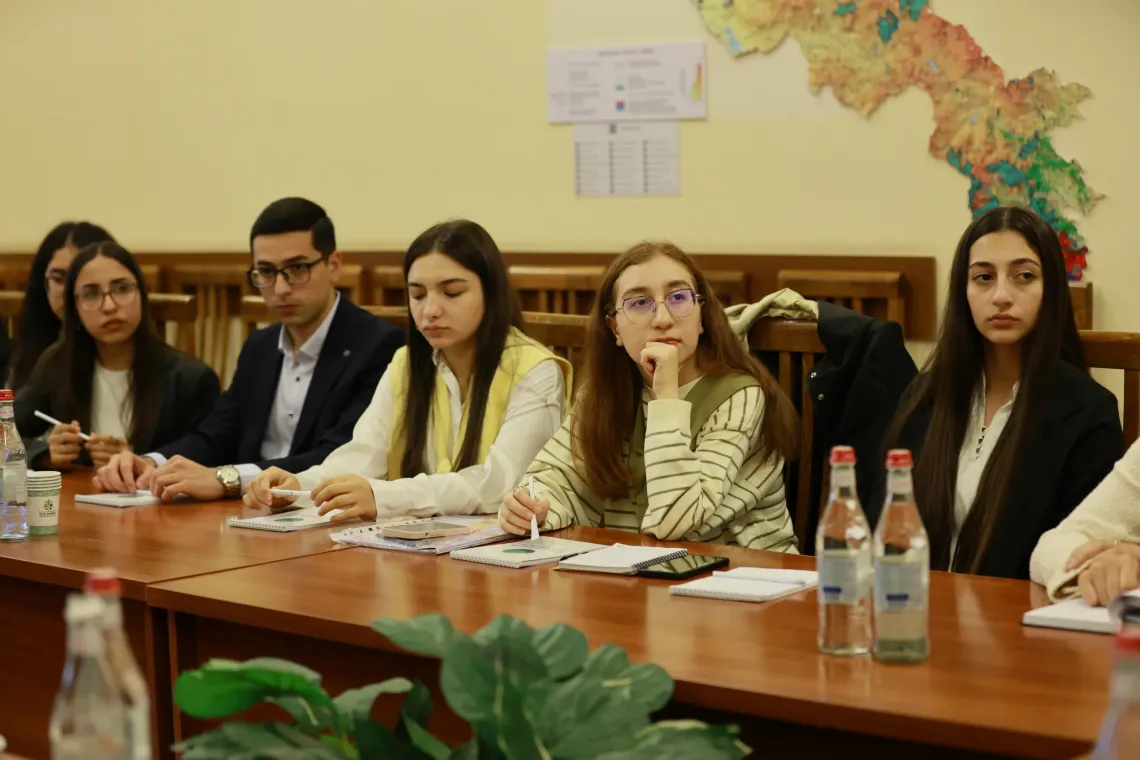
Youth engagement is also growing at the national level through new institutional platforms. In 2025, the Ministry of Environment and UNICEF established the Youth Council on Climate Change, bringing together young people aged 16–24.
The Council aims to strengthen young people’s capacities and ensure their participation in climate policy development processes. Membership to the Council rotates every two years. The next call for applications will open in spring 2027.