Transformative summer camps equip Armenian youths with vital life skills
A look back at five summer camps held in Armenia’s Vayots Dzor, Syunik, Gegharkunik and Ararat regions that welcomed hundreds of teenagers, including those relocated to these areas in September 2023.
- Հայերեն
- English
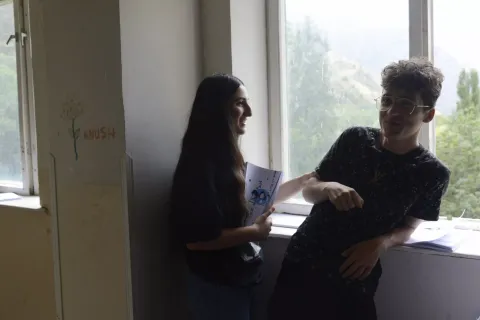
At Camp Siranush in Armenia’s Vayots Dzor region, teenagers aged 15 to 17 have been making the most of theatre classes, singing and dancing, handicrafts, group sessions with a psychologist and games, thanks to UNICEF and partners. While smartphones are not banned here, they are rarely seen, since there is little time to use them.
“At the camp, we introduced teenagers to a set of essential life skills that provide the emotional, intellectual and social tools necessary for success, whether on a personal or interpersonal level or within the community and workplace,” explains Hayk Khemchyan, Child Protection Specialist at UNICEF Armenia. “The programme offers direct guidance in three key areas – self-awareness, building relationships with others and making effective decisions. It’s also worth emphasizing the resilience-building lessons, where teenagers learn to manage impulses and focus on what needs to be done, even in the most challenging situations, allowing them to take control and solve problems one step at a time.”
Since June 2024, with the support of the Bureau of Population, Refugees, and Migration (U.S. Department of State), UNICEF has organized five rounds of its annual traditional summer camp in Armenia. This year, the camps were managed by the Community Development NGO and included participants from the Vayots Dzor, Syunik, Gegharkunik and Ararat regions, as well as those who had relocated to these regions in September 2023.
Sixteen-year-old Anna from Gavar, who aspires to become a film director, is the only one occasionally seen using her phone – an essential tool for her future profession. Anna is so popular in the theatre group that she is affectionately called by the name of her character in their play – Mrs. Yeranuhi.
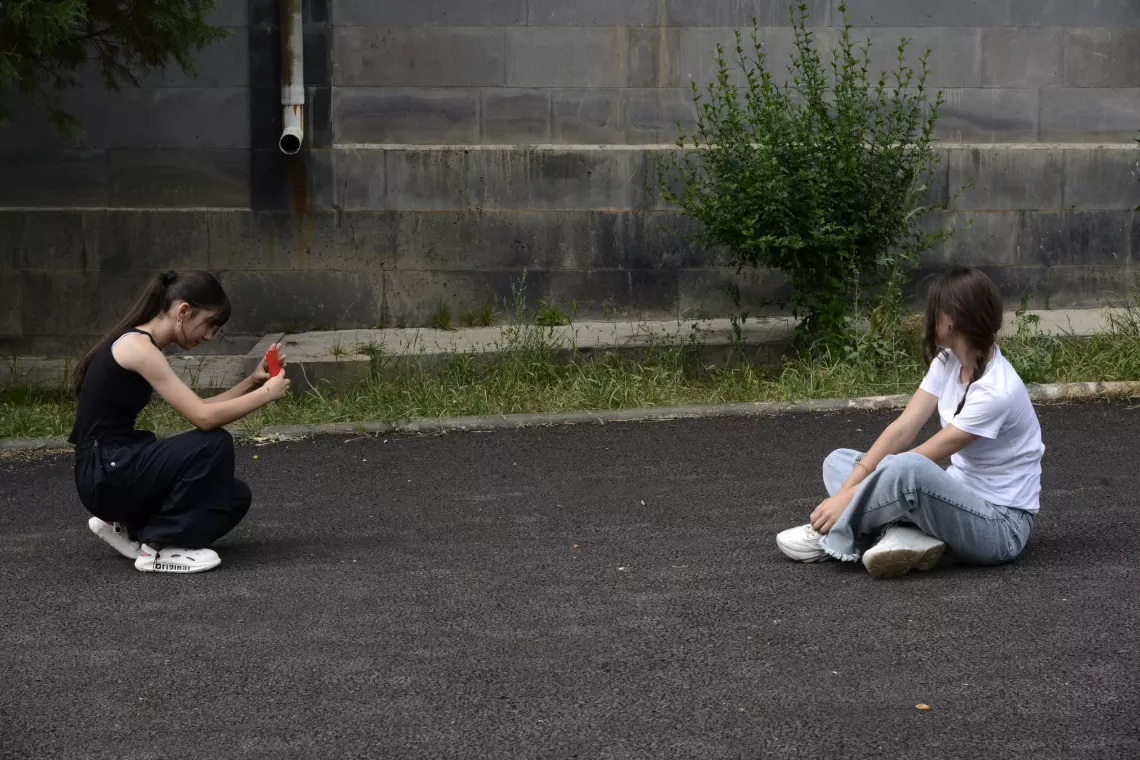
“I enjoy the morning rush when we start preparing for our pre-training activities,” says Anna. “I love how we play different games. We’re trying to really get to know each other, and I think it’s working because we’ve already become friends. It’s not easy managing 60 kids in one building, but we’ve been taught how to resolve conflicts calmly and easily.”
Anna’s mother encouraged her to participate in the camp when she learned that UNICEF was organizing it. Anna especially enjoyed the psychological sessions, which focused on self-awareness and analyzed interpersonal relationships – sessions that seem especially necessary during adolescence.
16-year-old Gor, who had to leave his home and relocate to the Gegharkunik region in 2023 due to upheaval in his native community, is still trying to adapt to his new environment. For him, this camp was a challenge, offering the opportunity to meet new people and discover himself and others.
“Besides having a good time, I particularly enjoy the sessions with the psychologist,” says Gor, who believes the most important thing he learned at the camp was the value of solidarity and teamwork. “We had a class on stress relief techniques, which I feel I really need at this point in my life. Now, I take my notebook, reflect on any issue bothering me and analyze how I can navigate the situation.”
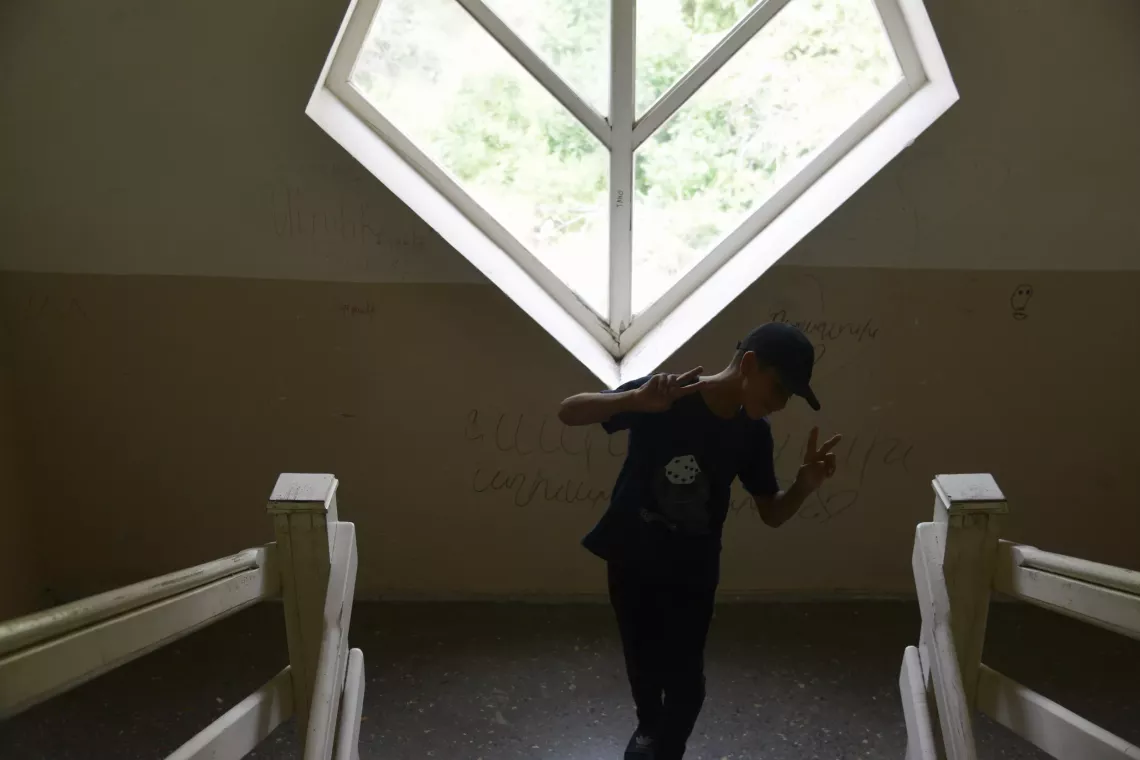
Among the camp leaders are 20-year-old Anahit and 19-year-old Max, who both underwent seven days of training to prepare them for working with children. The small age gap between the participants and the leaders makes it easy for them to connect, have fun and learn from each other.
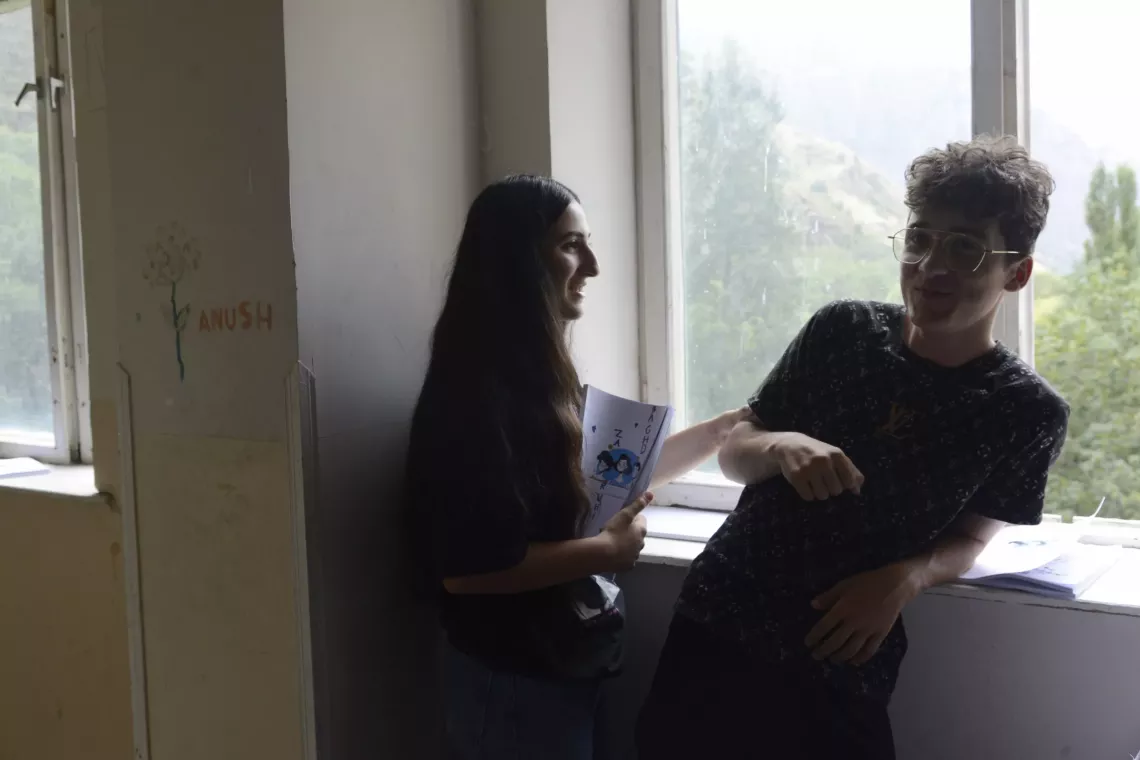
“It’s been often said that boys are always better than girls, and the girls only reinforced this idea,” observes Anahit. “However, although not everyone agreed, I’m glad that by talking, listening and discussing, we’re gradually overcoming this stereotype.”
Max says that while discussing stereotypes initially sparked strong reactions, it eventually led to calmer, more constructive conversations.
“The fact that the kids have realized there’s more to life than smartphones and that they can have an interesting day without gadgets is a real achievement,” he says. “We didn’t impose any limits on phone usage – the kids themselves are so busy throughout the day that they simply don’t have time for their phones.”
Siblings Margar, 15, and Mary, 17, from Arpi village in the Vayots Dzor region, enjoyed being in an environment with clear rules, since they say it is not always easy to maintain consistency and discipline at home. At the camp, they learned to follow a structured agenda, encountered people with different opinions and tried to embrace various perspectives. Initially, they were divided into separate groups but eventually, Margar says, all the children came together as one, united by a common purpose.
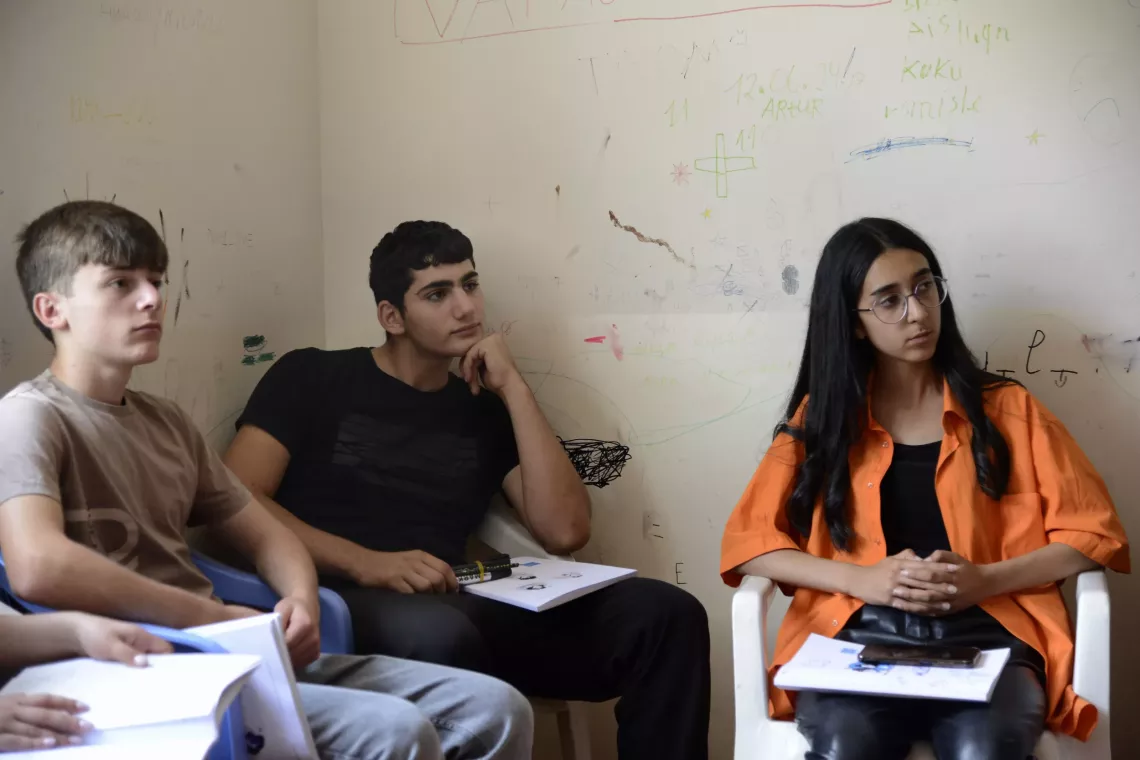
“We talk about different topics during our free time,” says Margar. “One of the most relevant discussions is about smoking. We tried to weigh the pros and cons, and I think most, if not all, realized that it’s a bad habit we don’t want to adopt.”
During the psychologist’s sessions, Margar learned to recognise personal boundaries.
“The psychologist explained that it’s okay to say no sometimes and, if you feel you’ve acted unfairly or hurt someone, there’s no shame in apologising, regardless of one’s gender. It’s great that we’re learning to listen to others, understand their feelings and find common ground or acknowledge differences.”
For Mary, the 10 days at camp flew by in an instant, and she is amazed at how many friends she made in such a short time. She aspires to become an architect, and while many in her village believe that architecture is not a suitable profession for a girl, she is determined to succeed, especially with her father’s support. At camp, she became even more aware of the stereotypes that exist in society.
“I’ve developed so many good habits,” adds Mary, who is now committed to leading a healthy lifestyle and feels she can function without a soda. “For example, I used to wake up at five o’clock, eat only once daily and not pay attention to what I ate. Here, I learned to regulate everything. I realised that even after waking up, I can do a few exercises while still in bed and, if I really want to, I can make the day productive without being glued to my phone.”
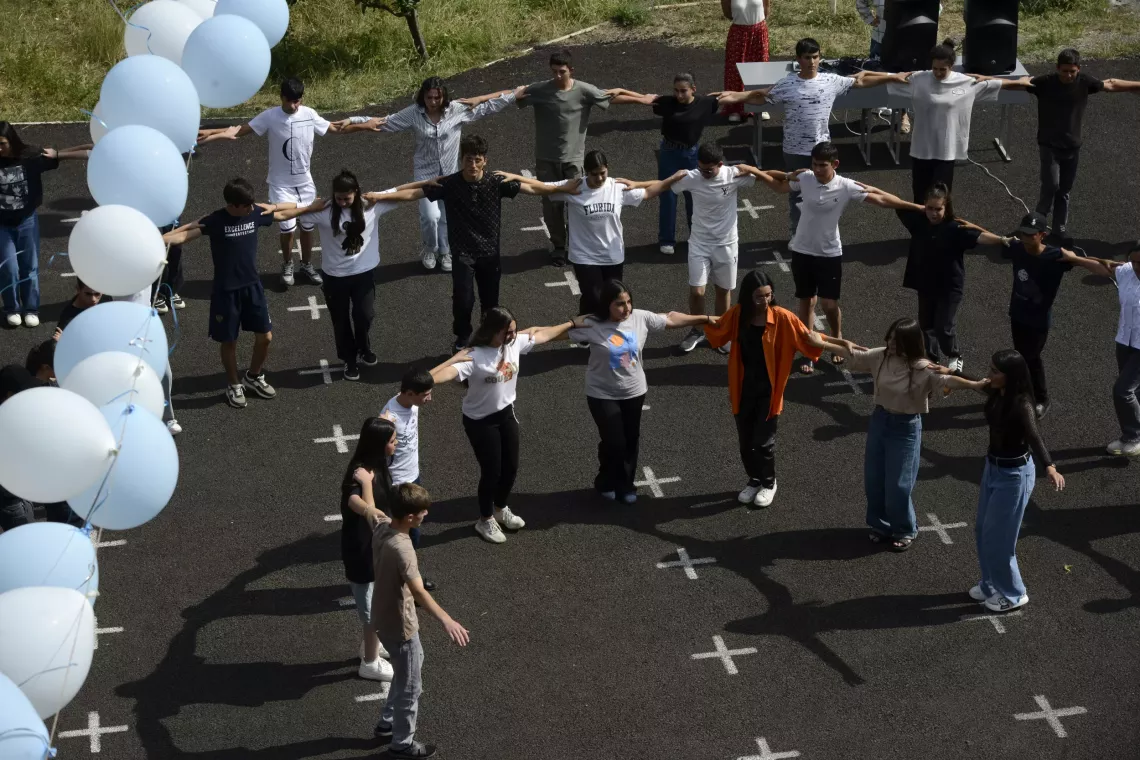
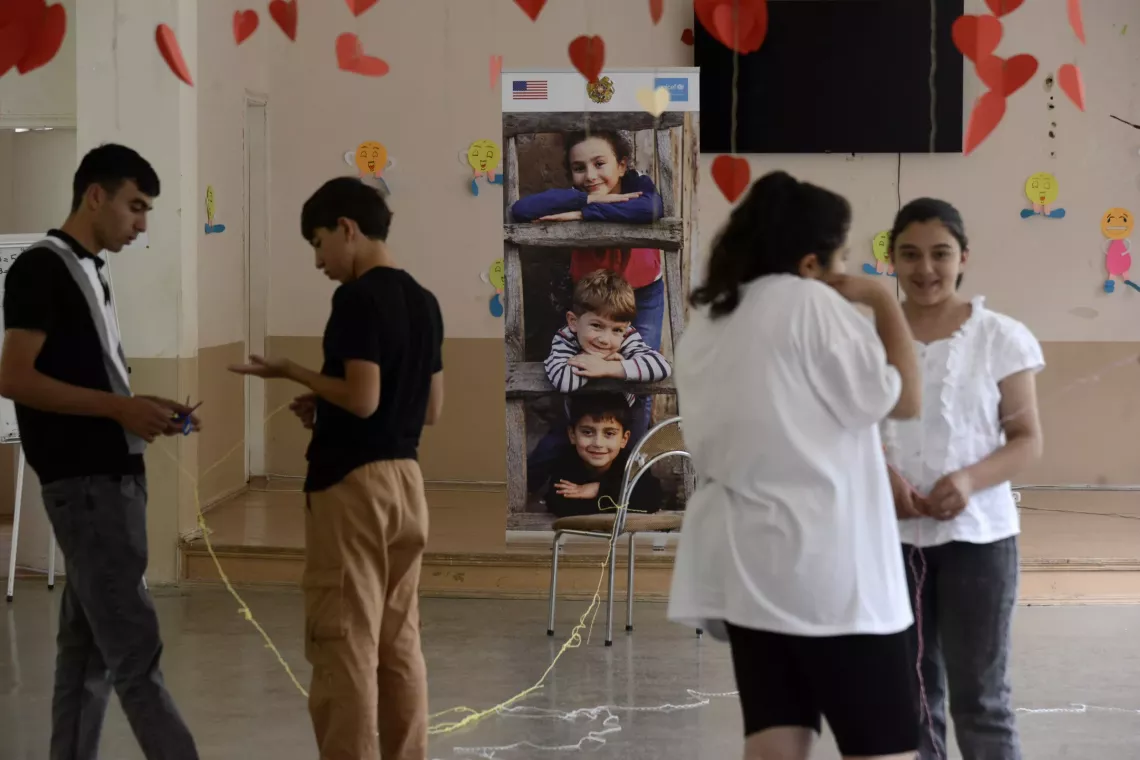
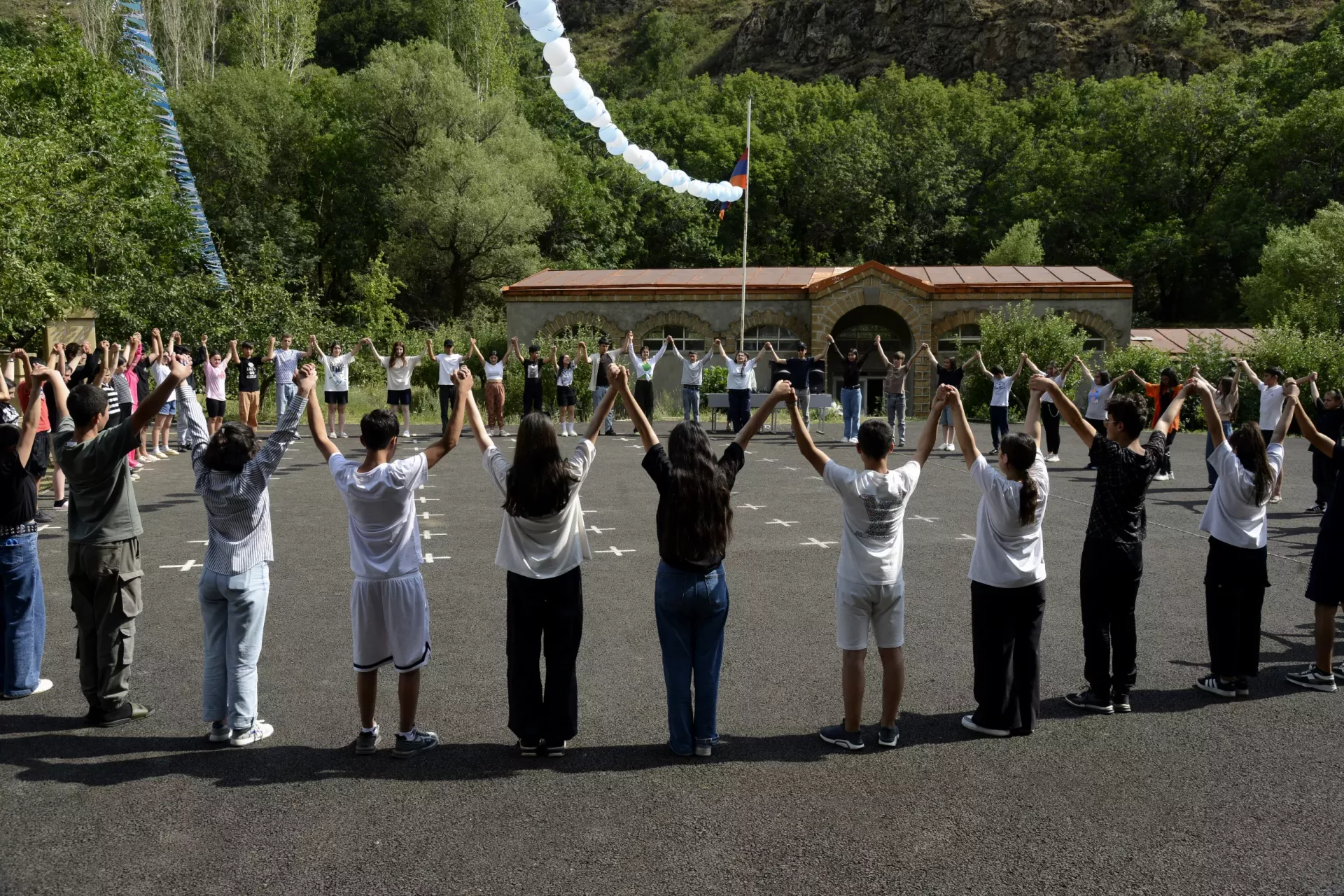
At Camp Siranush, the teenagers danced one last Kochari before the closing ceremony. The building holds many memories from those 10 days, in which young people with diverse stories learned about their emotions and became more empathetic, understanding and supportive of each other, preparing themselves a little more for the future.