

The stages of severe COVID-19 and related care
A breakdown of COVID-19 progression and hospitalized treatment
- Հայերեն
- English
The COVID-19 virus, along with all its variants, can affect the human body and people’s health in different ways. And although research on COVID-19 is ongoing, we know that the virus can lead to a severe infection of the lungs. To date, a total of 422,498 cases of COVID-19 have been confirmed in Armenia and 8,611 deaths.
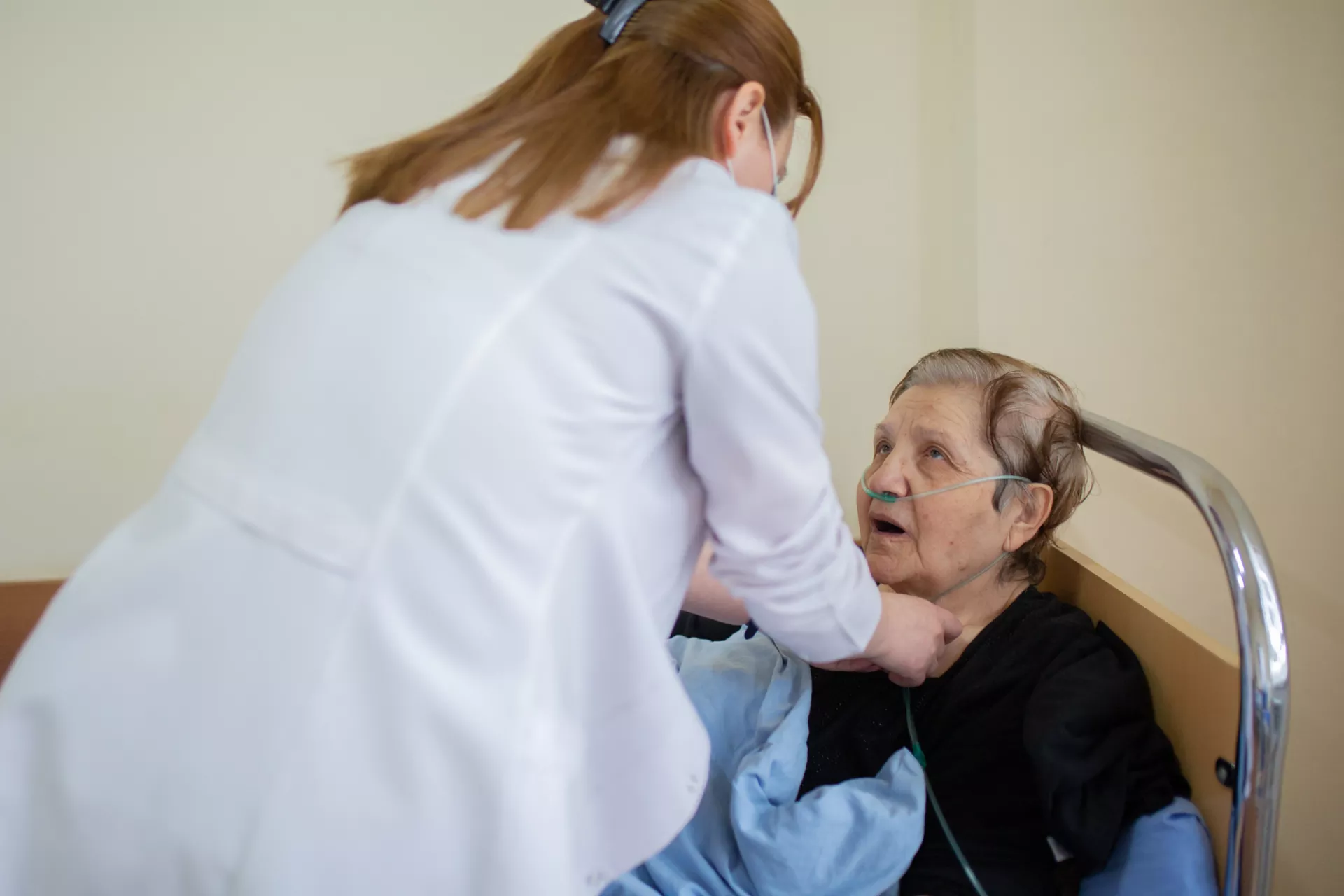
To learn more about how severe COVD-19 affects the lungs, we spoke with Dr. Lianna Movsisyan, a pulmonologist at the St. Gregory the Illuminator Medical Center. Dr. Movsisyan, who has been treating infected patients since the onset of the pandemic, says that these past two years have been the most difficult and challenging for healthcare workers.
Although COVID-19 can affect different organ systems, the virus usually first targets the lungs. If the patient’s lungs are not infected after contracting COVID-19, their condition is usually assessed as mild, and their symptoms are treated at home.
Patients who have underlying conditions and are experiencing a prolonged fever must receive inpatient care. Patients with underlying diseases will not require hospitalization if they are asymptomatic or have mild symptoms.
In cases where the patient has a stable fever of 380C or higher for more than five days or is experiencing difficulty breathing, shortness of breath, or low blood oxygen saturation, their lungs may be damaged, and they may have developed pneumonia.
Viral pneumonia
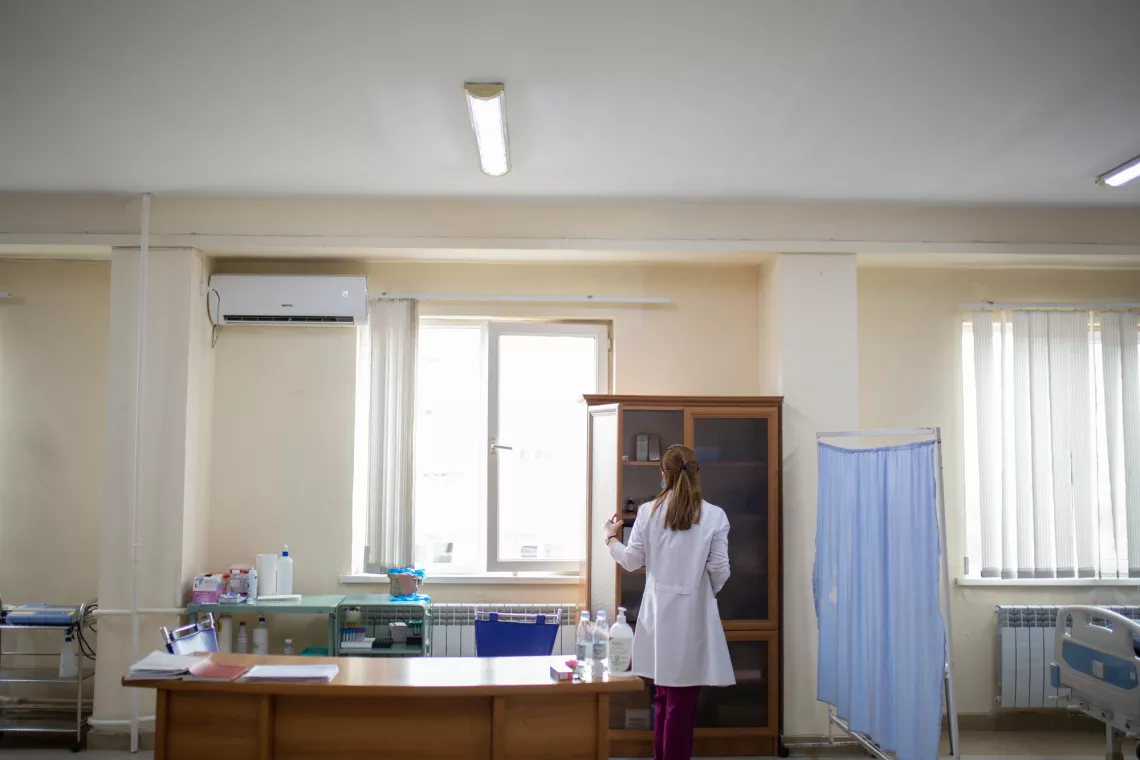
“Pneumonia developed during COVID-19 is viral in its nature, and, unlike other types of pneumonia, is usually bilateral [affects both lungs]. Unilateral pneumonia is rare in COVID-19 patients. The virus can potentially attack lungs from various areas, increasing the probability for fast growth and inflammation, which leads to more severe cases of pneumonia," explains Dr. Movsisyan.
Hospitalization
Patients who develop pneumonia and have moderate or severe symptoms must receive inpatient treatment.
"What do we mean by severe? When breathing becomes difficult or when a patient feels like they are lacking oxygen. Patients may complain that they do not have enough air—that they have difficulty breathing. A patient must be hospitalized if there’s a decrease in [blood oxygen] saturation, if they’re gasping for air, or have a prolonged fever," Dr. Movsisyan says.
After hospitalization, patients in regular (non-intensive) care units are usually given medication selected based on the results of laboratory tests, computed tomography (CT) scans, blood oxygen saturation tests, and other examination data. In the case of less severe cases of pneumonia, patients tend not to need oxygen therapy.
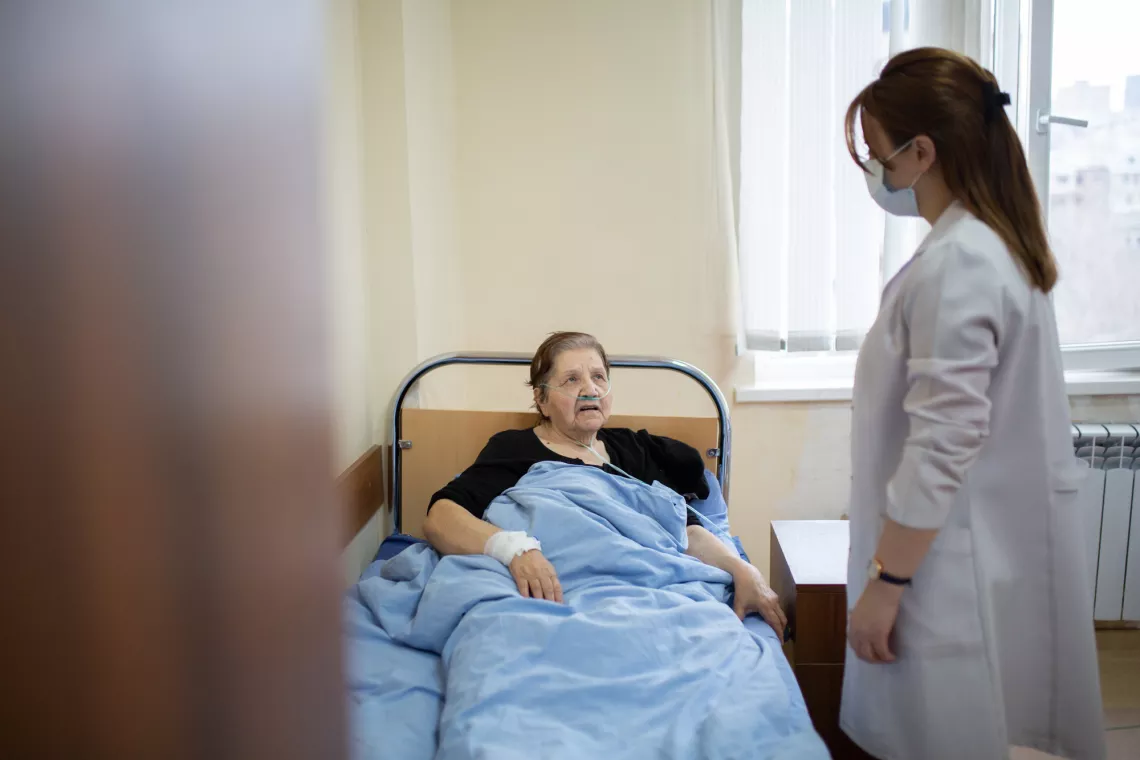
Oxygen therapy, which can be delivered in different ways, can be performed for patients with moderate symptoms, if necessary. If there are no complications, oxygen can be delivered through a nasal canula, which is usually the easiest and most painless for patients.
Intensive care
"A patient’s condition worsens when the infection spreads throughout the lung tissue and oxygen supplied through the nasal canula may not be enough for the patient. In this case, the patient would need to be treated with a breathing mask or bag valve mask, which provide greater flow of oxygen. These patients are usually assessed as being in serious or critical condition and are transferred to intensive care or resuscitation units,” Dr. Movsisyan explains.
According to her, it may be necessary to provide invasive artificial respiration if the patient's condition worsens. “For example, endotracheal intubation may be performed: a flexible but hard-walled tube is inserted through a patient's nose or mouth and into the trachea. Or a tracheostomy may be performed, where the tube is inserted into the trachea by making an opening in the throat,” she says.
According to Dr. Movsisyan, cases of pneumonia are considered severe if half or more of the patient’s lungs are infected and if there are changes in the gas composition of the patient’s blood. “Some other indicators are if a patient’s blood oxygen saturation falls below 90 or if they take more than thirty breaths per minute,” Dr. Movsisyan says.
Patients with severe pneumonia also experience trouble breathing, shortness of breath, are unable to perform physical activities. Even normal daily activities become very difficult for these patients, according to Dr. Movsisyan.
Patients who experience respiratory failure receive intensive, round-the-clock oxygen therapy in intensive care units. Moreover, the patient's care—including feeding and fluid intake—is carried out with the help of medical staff.
From severe pneumonia to very severe pneumonia
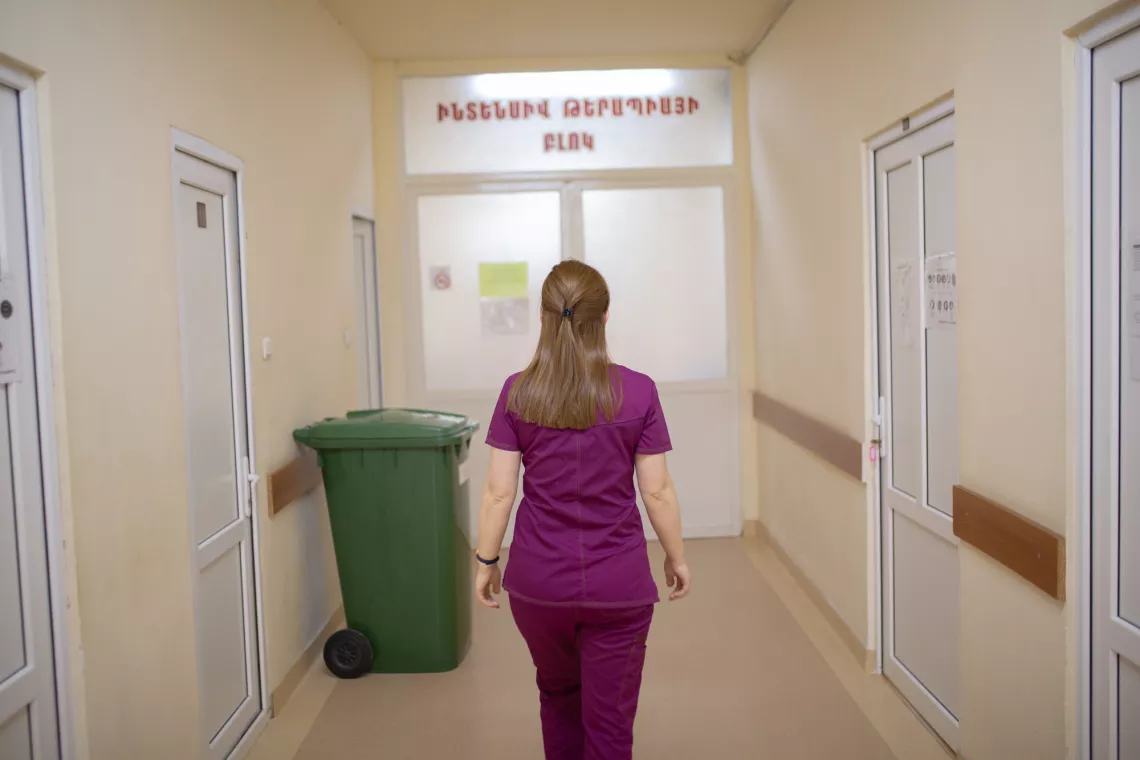
Dr. Movsisyan notes that severe pneumonia can quickly turn into very severe pneumonia within hours.
"For example, a patient undergoing oxygen therapy may have normal saturation rates in the first half of the day, but these rates may worsen throughout the day, indicating that the patient is experiencing acute respiratory failure," Dr. Movsisyan says.
According to her, a patient's condition is considered very severe when they experience acute respiratory distress syndrome (ARDS; severe external respiratory failure characterized by rapidly spreading pneumonia), sepsis (bacterial infection of the blood), or septic shock (sudden penetration of large amounts of bacteria, as well as tissue-degraded substances into the blood). These can lead to multiorgan failure, stroke or other serious conditions.
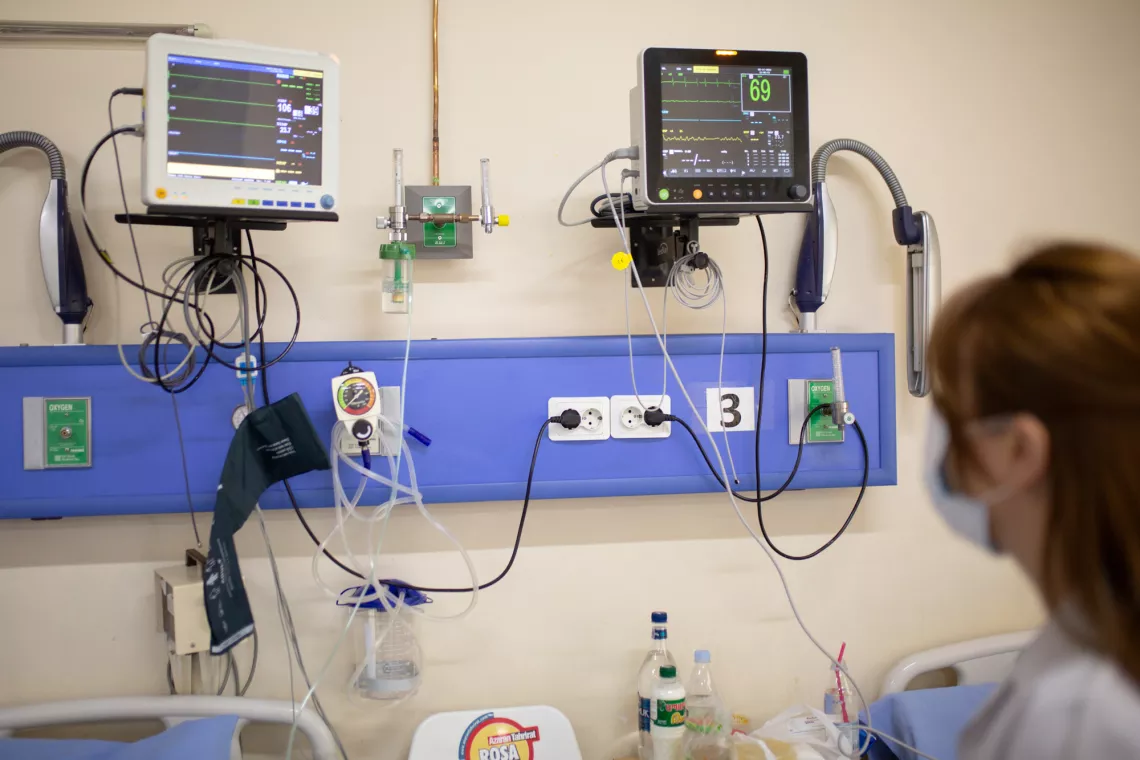
Adjustments must be made to the oxygen therapy being administered in these cases. Depending on the degree of respiratory failure and area of infected lung tissue, the volume of oxygen flow per minute is regulated to ensure normal oxygenation of the blood. “For example, there are patients who have normal saturation rates with a flow of five liters of oxygen per minute, but this number may increase depending on the severity,” explains Dr. Movsisyan.
The volume of oxygen administered also depends on several other circumstances. For example, if a patient has chronic lung disease and pneumonia, the amount of oxygen administered per minute is much higher than that of a patient with the same condition who does not have chronic lung disease.
Patients suffering from severe pneumonia will have lungs that are 90-95 percent infected. Since artificial respiration is administered through an invasive procedure, most critically ill patients are unable to feed themselves. Feeding, therefore, is carried out by a nasogastric tube. In addition, the patient with hypoxia (oxygen starvation) may experience reduced levels of consciousness.
Though not all severe cases of pneumonia lead to death, it is important to remember that lung tissue recovery takes time—the larger the area of lung damage, the longer the recovery time.
“To avoid possible complications, it is necessary to strengthen your body and immune system as much as possible; to follow safety measures; to consult a physician at the first sign of symptoms; and, most importantly, to be vaccinated,” Dr. Movsisyan says. “To date, 8,611 people in Armenia have lost their lives from COVID-19. Vaccination is our best way to prevent further deaths.”
This article is made possible by the generous support of the American people through the United States Agency for International Development (USAID). The contents are the responsibility of authors and do not necessarily reflect the views of USAID or the United States Government.


