UNICEF Fast Facts: Over 347 million children in nearly 100 countries will be exposed to one of the strongest El Niño events on record

- Հայերեն
- English
NEW YORK, 6 October 2026 – The 2026-2027 El Niño – a recurring climate pattern that warms parts of the Pacific Ocean and disrupts weather systems worldwide – is forecasted to become one of the strongest on record. Unusually wet and dry conditions are expected to increase the likelihood of extreme weather events, including heavy flooding and severe droughts, threatening the lives, health, and education of children in nearly 100 countries and territories.
“For children, El Niño is far more than a weather pattern. It can mean increased displacement, malnutrition, water shortages, and disease outbreaks. Children are also at risk of schools closing, while families could experience added financial hardship," said UNICEF Executive Director Catherine Russell. “With over 347 million children living in areas expected to experience drier or wetter conditions because of El Niño, we must act now to protect communities and children."
Key facts about climate and El Niño:
- More than 347 million children in nearly 100 countries and territories are expected to experience unusually wet or dry conditions between October and December 2026 due to El Niño, increasing the risk of extreme floods and droughts with potentially devastating consequences, according to latest UNICEF data.
- The largest numbers of children likely to experience these conditions are in Asia and the Pacific (190 million), followed by East and Southern Africa (41 million), Latin America and the Caribbean (41 million), Europe and Central Asia (22 million), Middle East and Northern Africa (20 million), and West and Central Africa (20 million).
- Children in Colombia, Fiji, Papua New Guinea, and the Philippines, for example, are among those expected to experience drier conditions linked to El Niño, likely to lead to agricultural drought and water scarcity, which could increase displacement and worsen acute malnutrition.
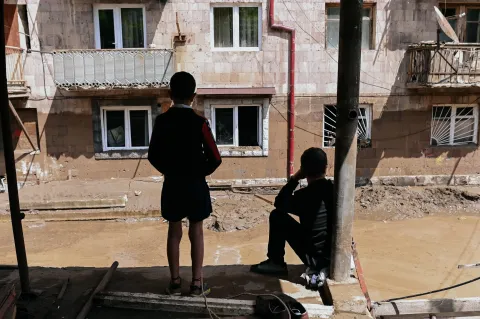
- Meanwhile, children in the Greater Horn of Africa – especially in Somalia – will face wetter-than-normal conditions, which could trigger riverine and flash flooding, spread water-borne diseases, and disrupt schooling.
- For children living in crisis and conflict-affected countries such as Afghanistan or Chad, El Niño can be a direct threat to survival, worsening hunger and malnutrition where conflict, displacement, and limited access to essential services have already left children highly vulnerable.
- As extreme weather events become more widespread, children could face increased risks of family separation, violence, exploitation, and child marriage. During a 2022 Horn of Africa drought, for example, child marriage increased by an average of 119 per cent in drought-affected areas of Ethiopia.
- Globally, 1.1 billion children, nearly half of the world's children, are already exposed to at least three overlapping climate-related hazards such as drought, extreme heat or floods, with El Niño expected to make these shocks even more severe.
- Weather-related disasters have already driven more than 20,000 child displacements every day between 2016 and 2023. The 2026-2027 El Niño could further increase sudden displacement as extreme weather events force families from their homes.
- In 2025, climate-related events interrupted learning for an estimated 171 million students worldwide, a figure that could rise as El Niño fuels more severe droughts and floods, leading to school closures, disrupted attendance, and increased risks of children dropping out.
- Every US$1 invested in disaster risk reduction and prevention can save up to US$15 in recovery costs, yet less than 1 per cent of humanitarian funding currently goes to anticipatory action.
With forecasts providing months of warning, UNICEF is urging governments, donors, and partners to act before needs escalate by investing early and before impacts peak; strengthening climate-resilient systems; protecting essential services for children, and ensuring humanitarian access to affected communities.
Media contacts
About UNICEF
UNICEF promotes the rights and wellbeing of every child, in everything we do. Together with our partners, we work in 190 countries and territories to translate that commitment into practical action, focusing special effort on reaching the most vulnerable and excluded children, to the benefit of all children, everywhere.
For more information about UNICEF and its work for children, visit www.unicef.org.