UNICEF Statement to the Seventeenth Meeting of the Conference of the Parties to the Convention on Biological Diversity
- Հայերեն
- English
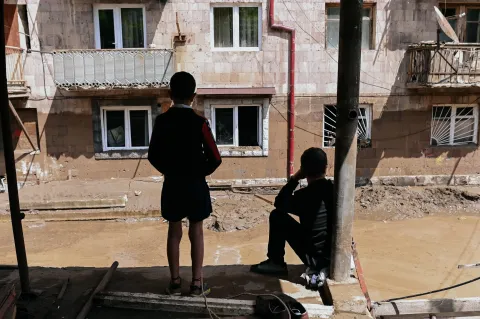
Biodiversity loss, alongside climate change and pollution, is a child rights crisis – jeopardizing every child’s fundamental right to a clean, healthy and sustainable environment. Children depend on biodiversity for the food they eat, the water they drink, the air they breathe, and the ecosystems that protect them from disasters and disease. When biodiversity declines, children are disproportionately affected because their bodies and immune systems are still developing, making them more vulnerable to malnutrition, waterborne and vector-borne diseases, air pollution, and climate-related shocks. Although children represent about 30% of the global population, they account for more than half of those living in extreme poverty, making them disproportionately vulnerable to environmental and climate-related risks1.
The consequences are already severe: more than one in four deaths among children under five are attributable to unhealthy environments. The consequences are already severe: more than one in four deaths among children under five are attributable to unhealthy environments2. Biodiversity loss also reduces children’s access to nature, which is increasingly recognized as essential for physical health, cognitive development, and mental well-being. Recognizing these impacts, the UN Committee on the Rights of the Child affirmed in General Comment No. 26 (2023)3 that every child has the right to a clean, healthy and sustainable environment and identified biodiversity loss as a key component of the “triple planetary crisis” threatening children’s rights and future well-being.
Children are among those most affected by climate change, biodiversity loss and environmental degradation, yet their perspectives and needs remain insufficiently reflected in related policies and budgeting. This represents a missed opportunity. At the same time, adolescents and young people, particularly girls, have demonstrated leadership, innovation and commitment in advancing climate and environmental action. Protecting children's rights and wellbeing, while meaningfully engaging adolescents and young people in decision-making, is essential to building resilient and sustainable solutions for both people and planet.
UNICEF, therefore, calls upon the Parties to this Conference, development partners, businesses and civil society to place children and young people at the centre of biodiversity action by:
- Integrating children's rights into National Biodiversity Strategies and Action Plans (NBSAPs). Biodiversity policies should explicitly address impacts on children's health, education, nutrition, water security, and protection. This should extend to the age-disaggregated reporting guidance under discussion for the Global Review and future NBSAP updates, alongside the gender disaggregation already being negotiated.
- Strengthening coherence between biodiversity and loss and damage policies by ensuring that ecosystem degradation and its impacts on children—including the loss of cultural heritage, Indigenous and traditional knowledge, identity, and connections to land and nature—are reflected in national assessments, planning and financing.
- Mobilizing and directing substantially increased financing towards child-responsive biodiversity and climate action, prioritizing nature-based solutions and ecosystem restoration that strengthen child-critical services, including schools, health facilities, water systems, and social protection programmes. Parties should ensure that financing mechanisms, including the Cali Fund and the Resource Mobilization Strategy under Target 19, explicitly recognize child-critical services as eligible investments and incorporate child-sensitive indicators to track progress against the US$200 billion annual financing target.
- Ensuring biodiversity monitoring, protected areas, and 30x30 governance are inclusive of children, including age-disaggregated indicators under the Monitoring Framework and explicit recognition of Indigenous and rural children within protected-area governance and benefit sharing arrangements.
- Prioritizing biodiversity conservation actions that deliver the greatest health benefits for children, including protecting wetlands, pollinators, forests and urban green spaces as essential natural infrastructure that safeguards clean water, nutritious diets, cleaner air, climate resilience and protection from infectious diseases.
- Promoting biodiversity-positive food systems that deliver diverse, nutritious and sustainable diets for children, including through support for agrobiodiversity, local production of climate resilient and nutrient-rich foods, sustainable food value chains, and food environments that improve children's access to healthy and sustainable foods and that strengthen ecosystem resilience.
- Expanding biodiversity education and environmental literacy so that children develop the knowledge, skills, and confidence to become environmental stewards and leaders. The global plan of action on education and biodiversity provides an important opportunity to explicitly recognize children and schools as key stakeholders and delivery channels.
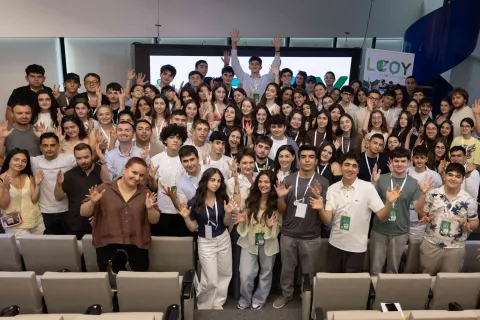
Ensuring meaningful participation of children and young people in biodiversity decision-making processes at local, national, and international levels. KMGBF Target 22 already names “children and youth” among the groups whose participation Parties must ensure in practice, this is implemented as youth-only participation, so a specific push to name children distinctly would close a real gap. Let us remember that biodiversity loss and environmental degradation are not just environmental issues but profound threats to the futures of our children. Every protected biodiversity and investment in nature based solutions, hectare of restored land, every child-critical service made more resilient, and every empowered young leader brings us closer to a world where children can survive, grow, and thrive.
1.World Bank & UNICEF, Global Trends in Child Monetary Poverty According to International Poverty Lines, 2023;
2.UNICEF, Global Trends in Child Monetary Poverty, 2025 2WHO, Inheriting a Sustainable World? Atlas on Children's Health and the Environment, 2017
Media contacts
About UNICEF
UNICEF promotes the rights and wellbeing of every child, in everything we do. Together with our partners, we work in 190 countries and territories to translate that commitment into practical action, focusing special effort on reaching the most vulnerable and excluded children, to the benefit of all children, everywhere.
For more information about UNICEF and its work for children, visit www.unicef.org.