A New Beginning for Kastrioti Elementary School
From Challenges to Opportunity
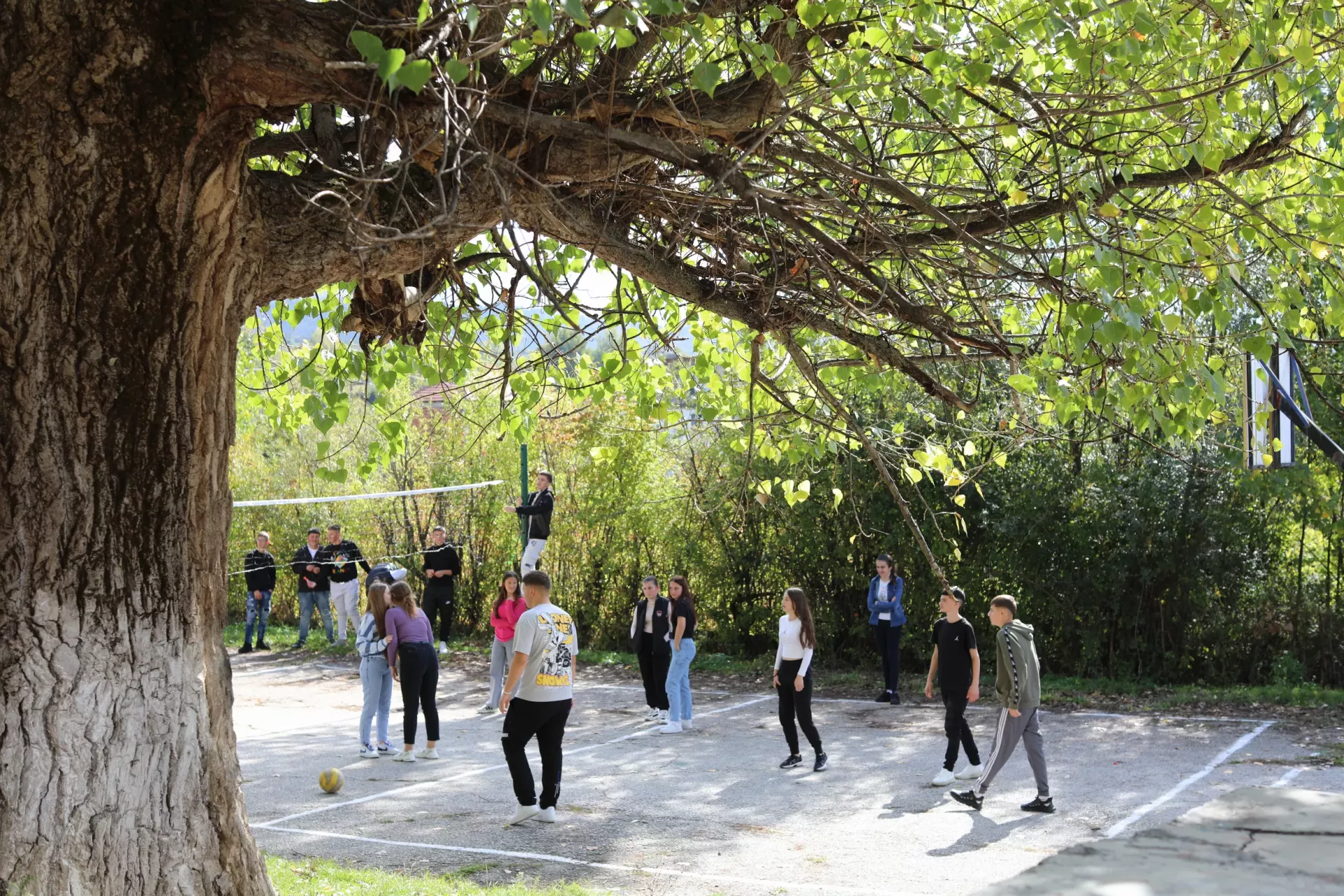
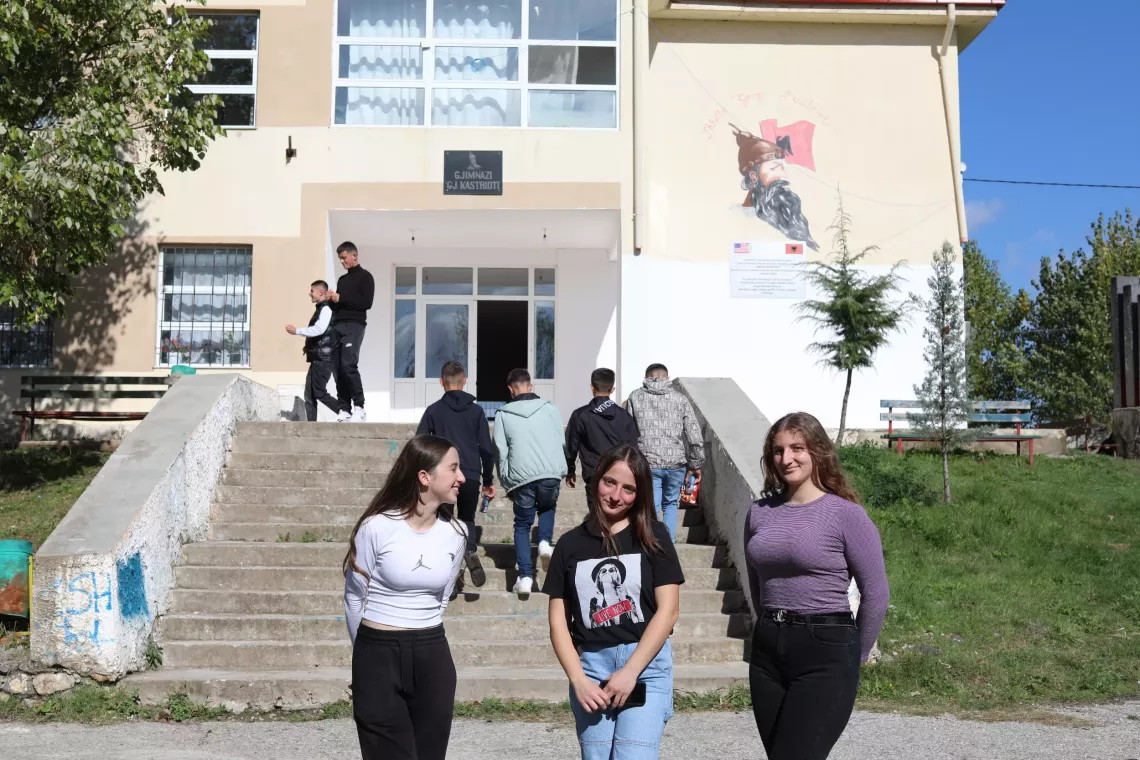
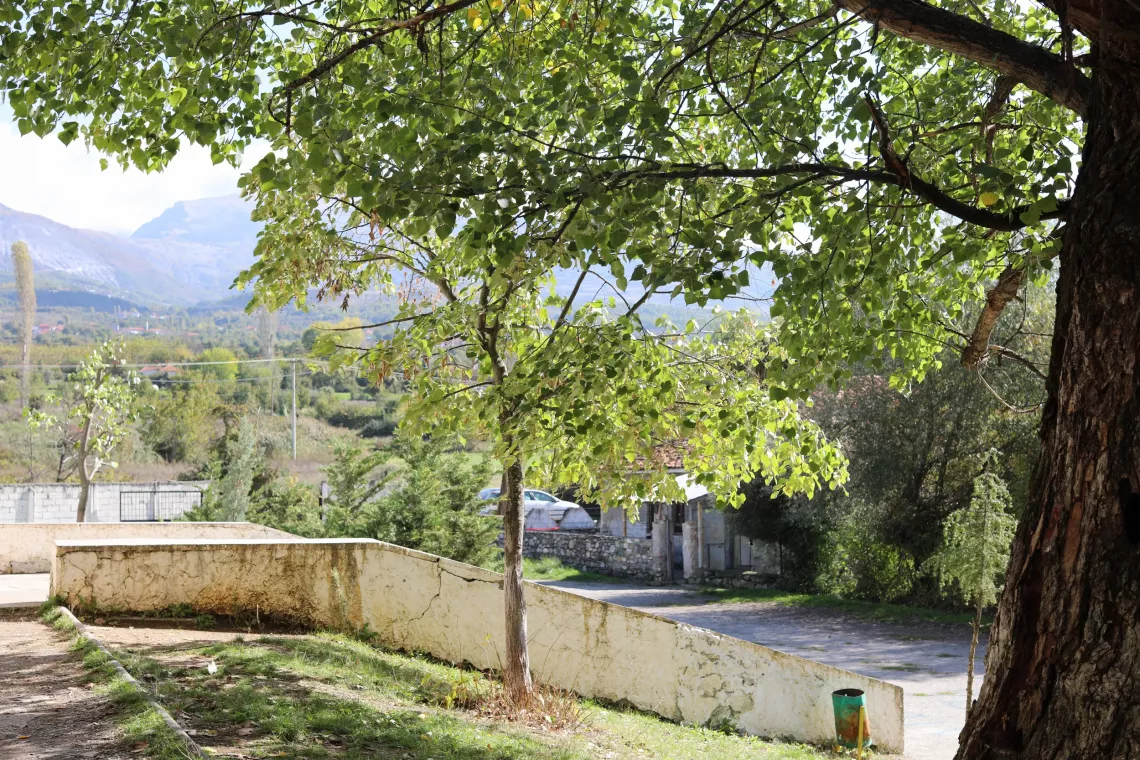
Kastrioti, a quiet village just 15 minutes from Peshkopia, is home to Kastrioti Elementary School—a school at the heart of the community yet beset by severe infrastructure challenges. Cracked floors, leaking roofs, outdated electrical systems, and unusable toilets make education an uphill battle. A recent assessment by UNICEF underscored the urgent need for repairs. Despite the hardships, students, teachers, and parents have shown extraordinary resilience, even stepping up to clean classrooms themselves, determined to keep education alive amid these obstacles.
Aulona, a 7th-grade student, shares her struggle: "Every day we face the cold classrooms and the leaking roof, and sometimes it’s hard to focus on our lessons. We all love our school, but these conditions make learning harder, and it feels like we’re always just getting by."
A New Dawn Through USAID Support
Change is now on the horizon, thanks to the USAID-funded “Equitable School Infrastructure Investment” project, implemented in partnership with UNICEF and local authorities. Kastrioti Elementary is one of four schools in the Dibra municipality selected to benefit from this transformative initiative. For Kastrioti, this project brings renewed hope—a chance to reshape not only the school but the community’s vision of educational opportunity.
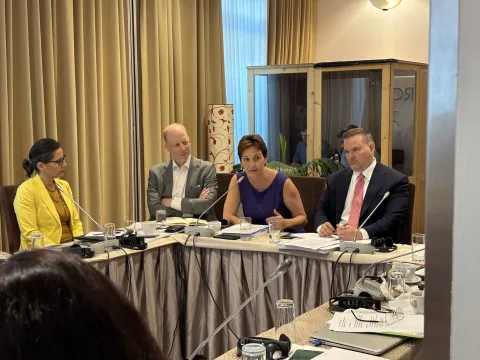
USAID Representative Mischere Kawas addressed the community with these inspiring words: "Your voices are at the heart of this process. Seeing students share courageous suggestions with decision-makers is inspiring. This partnership with UNICEF is about more than just improving walls; it’s about creating a space where every student feels safe, valued, and inspired to learn. Thank you for coming together as a community to make this possible."
The project envisions a brand-new, modern two-story building designed to meet the needs of Kastrioti’s students and teachers. It will feature updated science and IT labs, sports facilities, and a reliable heating system, alleviating the long-standing challenges. With accessibility features for children with disabilities and gender-sensitive facilities, this new infrastructure will answer the community’s calls for a supportive and inclusive learning environment.
Geography teacher Mufit Kaloshi expressed his excitement: "This transformation is exactly what we need. Kastrioti School has great potential, and now we’ll have the infrastructure to support our students’ talents. These improvements will make learning fit for a 21st-century education."
A Community Revitalized
For Kastrioti, the school’s renovation signifies more than just a new building—it revitalizes the community’s commitment to education, ensuring future generations have the opportunities they deserve.
UNICEF Representative Murat Sahin echoed this sentiment: "As an engineer, I know how essential it is to bring the community together for solutions. Seeing change—like new school facilities—gives the community hope. Thanks to our partnership with USAID, we’re creating a process which aims at improving classrooms across the country. The voices of teachers, students, and parents have been crucial in making this vision a reality, and we can’t wait to see what the future holds."
Kastrioti Elementary School is set to become more than just a school; it will be a center for growth, learning, and inspiration for the entire village. This project marks the beginning of a new chapter, showcasing what’s possible when communities and partners unite to create lasting change. For the students of Kastrioti, this journey has just begun, and the future ahead is filled with promise.
** The Equitable School Infrastructure initiative is a collaborative effort funded by USAID Albania and implemented by UNICEF Albania, with the aim of improving school facilities across the country. In partnership with six municipalities, UNICEF conducted assessments of school infrastructure, with municipal institutions serving as key collaborators in this process. A total of 100 schools across the municipalities of Dibra, Lezha, Elbasan, Roskovec, Korça, and Gjirokastra were evaluated, and the data collected has been integrated into a GIS platform for comprehensive tracking. Among these, the Kastrioti 9-year school is one of 16 schools in the Dibra district that will be supported with the design and application process for the reconstruction as part of the "Equitable School Infrastructure Investment" initiative.