Transforming Education
USAID's Equitable School Infrastructure Project For Every Child
In six municipalities across Albania, a transformative partnership is underway, engaging 100 schools and thousands of children. The Equitable School Infrastructure Project—a tripartite partnership between USAID, UNICEF, and local governments—aims to redefine education by strengthening school infrastructure and enhancing educational outcomes for every child.
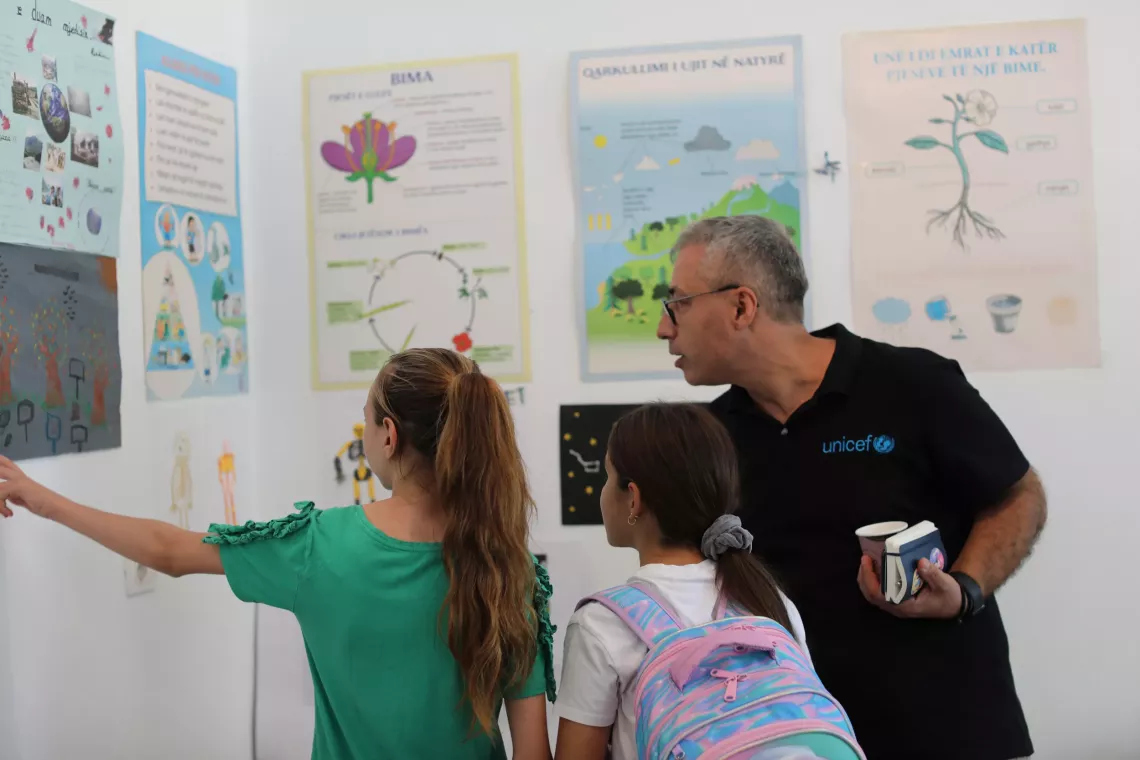
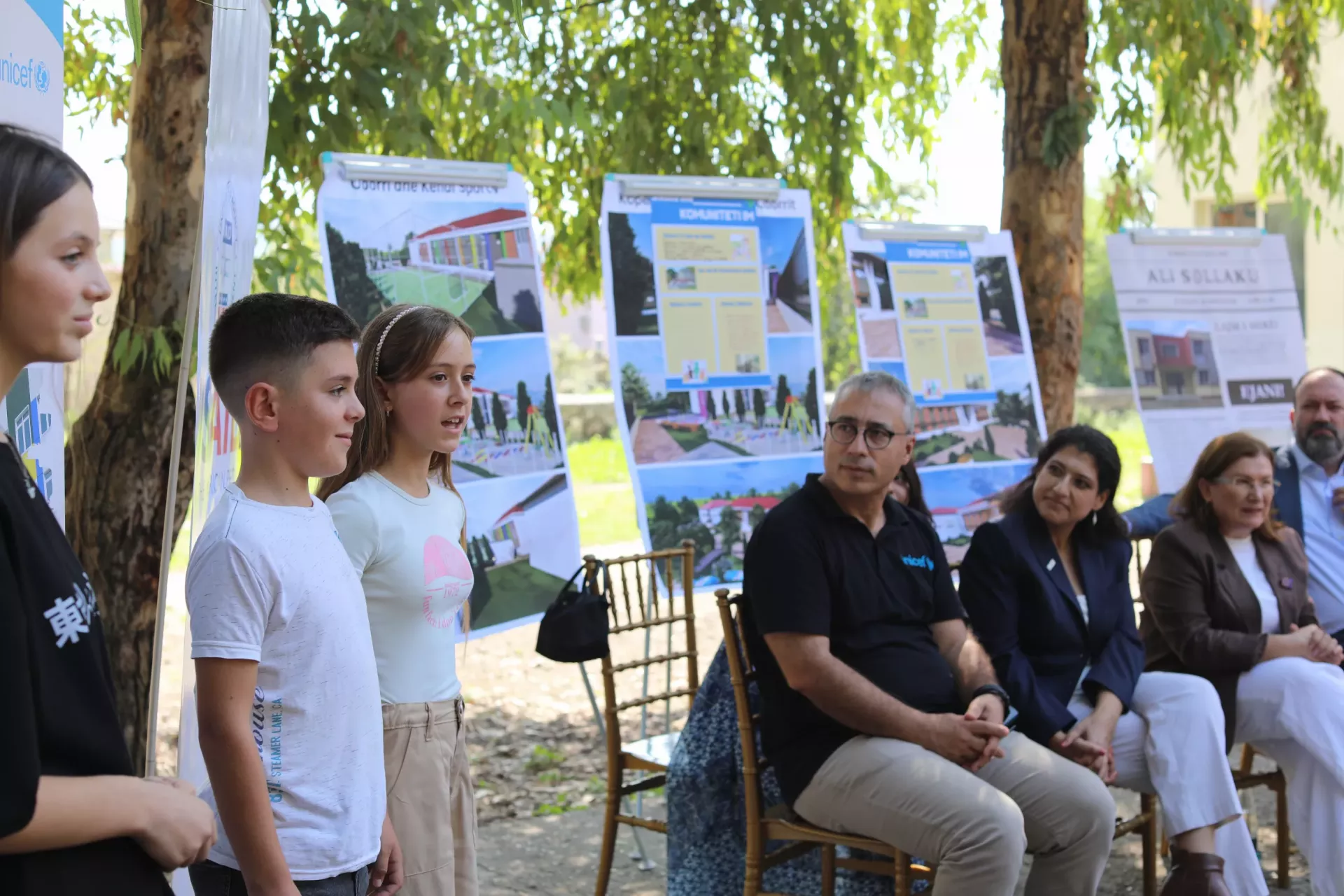
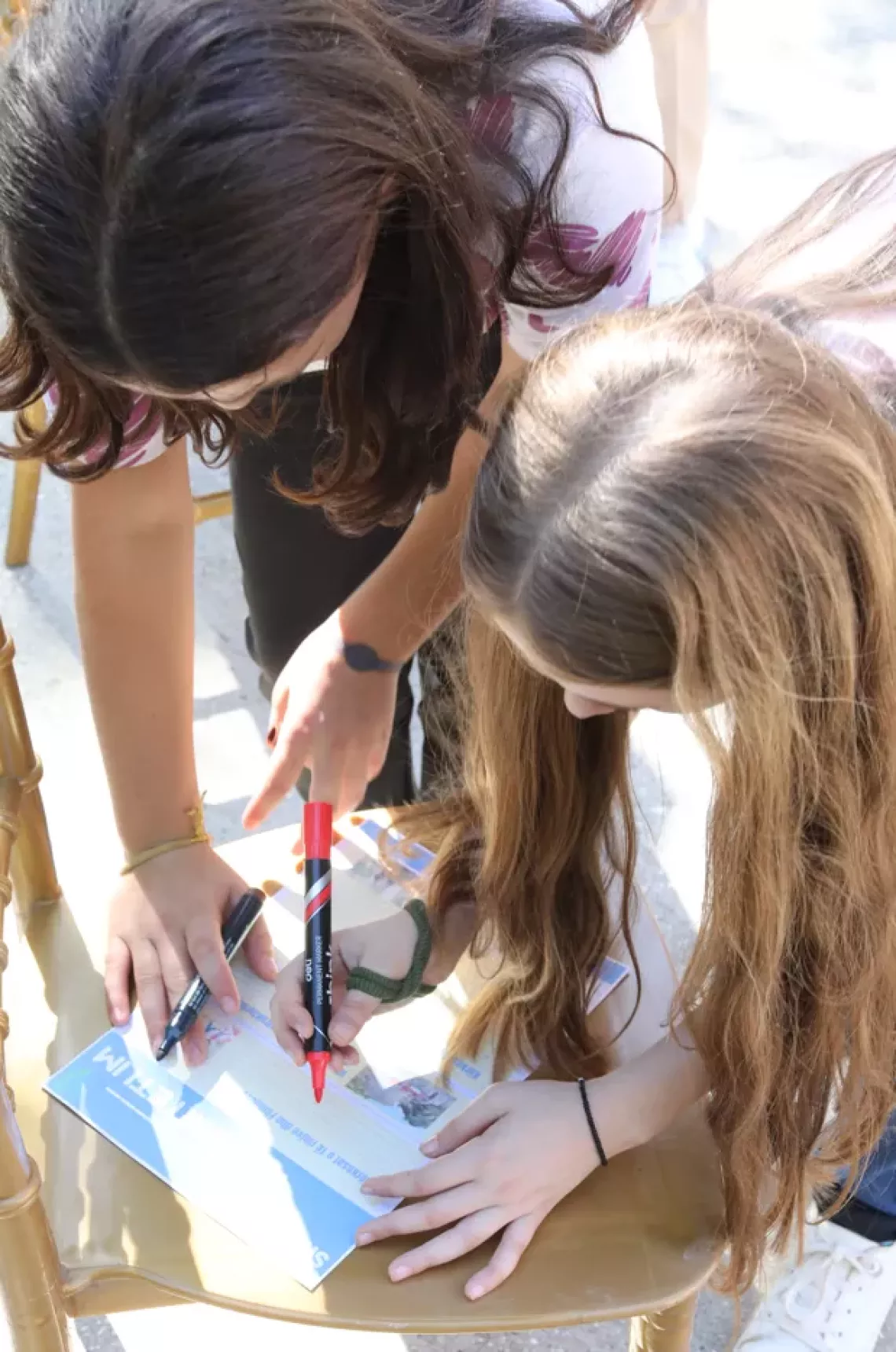
On a September morning, Roskovec became the epicenter of a crucial discussion about education during the “My School, My Community” event at Ali Sollaku School in Vidhishta. The event brought together children, teachers, parents, and local officials, including Minister for Local Government Arber Mazniku, Head of USAID in Albania Mischere Kawas, Mayor of Roskovec Majlinda Bufi, and UNICEF Representative Murat Sahin. The purpose was clear: to explore how improved school infrastructure can transform not only education but entire communities.
“Safe, modern schools are vital for delivering quality education. In my 25 years working with UNICEF globally, I've seen families often regard education as solely the state's responsibility. However, in Albania, families are actively collaborating with teachers and pupils, fostering an environment where children can thrive. When the school becomes the cornerstone of a village, that country is on the right path.” said Murat Sahin.
The Ali Sollaku School exemplifies this community engagement shift. Parents, pupils, and teachers eagerly discussed the school’s future, unveiling architectural plans for modernization designed to create a safe and welcoming environment tailored to pupils' needs.
Mischere Kawas highlighted the holistic approach to education underlying: “Hearing so many suggestions, especially from students, was wonderful. At its core, a safe and comfortable environment is essential for effective learning. Without that, even the best curriculum won’t make a difference. This alignment with our vision is one reason we initiated this partnership.”
The dialogue at Ali Sollaku School, serving children from kindergarten through elementary school, addressed both challenges and aspirations for the school’s future. The director expressed optimism: “I hope that with the school’s renewal, parents who previously sent their children elsewhere will return them to Ali Sollaku.”
The design plans showcased at the event focused not only on aesthetic improvements but also on safety and accessibility enhancements, reflecting a commitment to creating inclusive learning environments that benefit both pupils and the broader community.
While the event spotlighted Roskovec, its impact resonates throughout Albania. Minister Mazniku underscored the necessity of sustainable maintenance, stating, “What we’re doing here is crucial not just for Roskovec but for the entire country. Sustaining and improving school infrastructure demands cooperation from the municipality, the government, and the community.”
This project transcends physical upgrades; it symbolizes hope for a better future for Albania's children. As community members come together to discuss investment in education, the potential for positive change becomes limitless. The event concluded with firm commitments from both local and international partners.
Thank you for owning your school. We will be there to accompany you on your journey to make it better.
Roskovec is one of six partner municipalities of the Equitable School Infrastructure Project, alongside Korça, Dibra, Elbasan, Gjirokastra, and Lezha. The project works to ensure that all children have access to safe, modern, and inclusive learning environments. By collaborating with local governments and community members, it addresses disparities in educational facilities, promotes transparency in resource allocation, and empowers communities to actively participate in decision-making regarding their schools.
Central to the project is a Geographic Information System (GIS) platform that provides a detailed "passport" for each of the 100 selected schools benefiting 50000 pupils. This passport includes essential infrastructural and statistical data, along with assessments of necessary interventions.
“The project interventions across several municipalities are helping build equitable and inclusive school infrastructure, with a focus on rural and underserved areas. These efforts ensure that improvements meet European standards and address the needs of all pupils, fostering better educational outcomes and supporting children's development in Albania. They also contribute to achieving Sustainable Development Goal 4: Quality Education," says Mirlinda Bushati, Education Specialist at UNICEF.
“Having a good school infrastructure really matters for us children. When classrooms are nice and we have libraries and labs, learning becomes much more fun and creative. Clean water and safe spaces help us stay healthy and focused. A strong school helps us do better and makes us feel like we belong.” -said Grejs, a 12-year-old from Roskovec.
As Roskovec embarks on this journey of educational transformation, it sets a precedent for the future of learning in Albania, illustrating that when a community rallies to invest in its children’s future, the possibilities are boundless.