Zimbabwe takes stock of education sector achievements, plot future
“The Heritage-Based Curriculum helps us to develop critical thinking and it opens our minds, not to just focus on the academics only, but to also think about income generating projects,” Kumunyu said
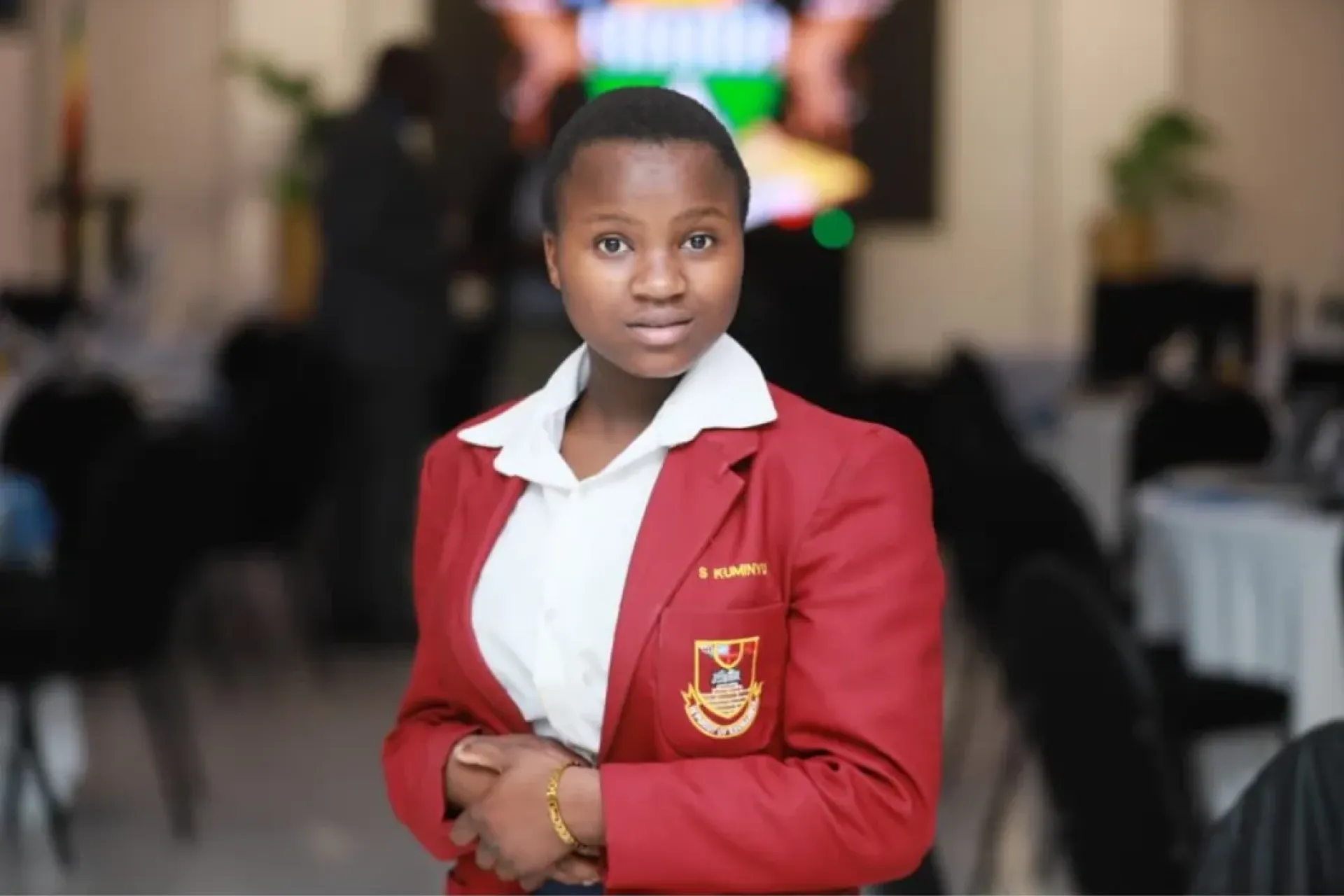
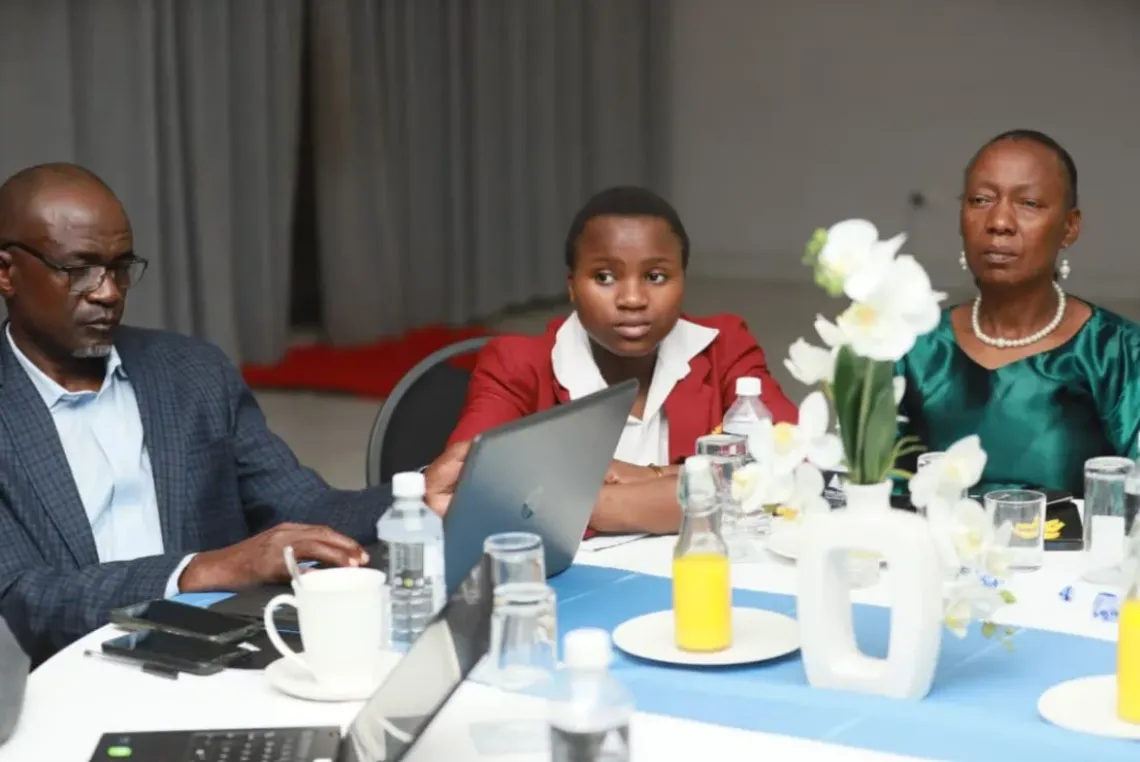
Fifteen-year-old Shalom Princess Kumununyu caught everyone’s eye when she stood up to articulate her vision for inclusive education, especially for rural learners in Zimbabwe, at the latest annual high-level education sector review meeting.
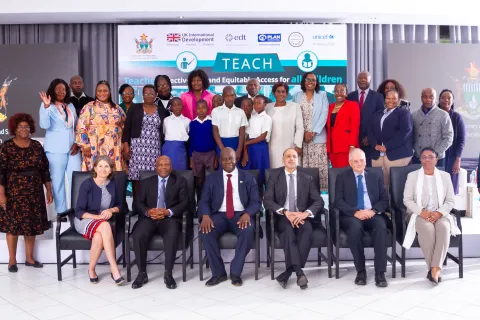
Kumunyu, a Form 2 student at St. John's Chikwakwa High School in Goromonzi, was part of the participants at the 2025 education Joint Sector Review (JSR) meeting held in Harare at the end of November 2025, which was coordinated by the Ministry of Primary and Secondary Education (MoPSE) and UNICEF with support from the Global Partnership for Education.
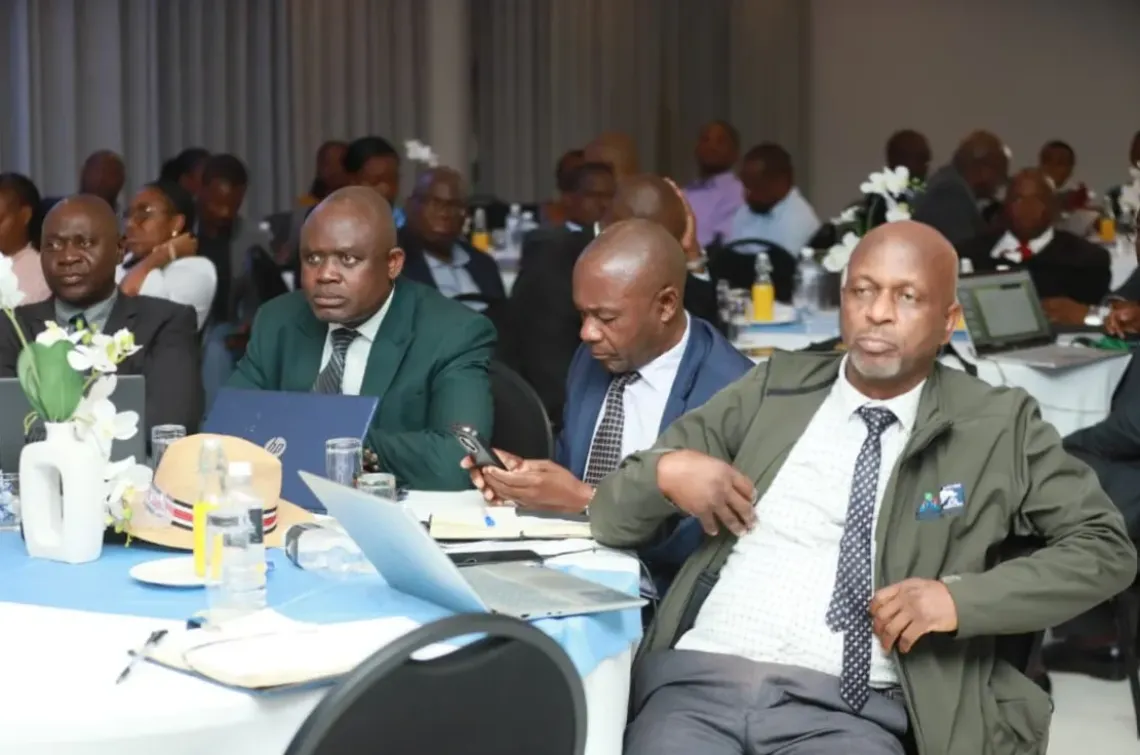
Participants at the highly interactive JSR included representatives from development partners, civil society, teachers, unions and government departments.
“I was overjoyed when my teacher informed me that I am going to be part of this workshop because I have a passion to speak on behalf of my fellow learners, especially from the rural areas,” said Kumunyu, a member of her school’s high-flying debate club.
“There are a lot of issues that affect learners that can only be best articulated by us and I believe this was the appropriate platform to share with the policy makers and our educators our challenges and aspirations.”
She spoke passionately about the Heritage-Based Curriculum (HBC) and how it roots education in the country’s cultural identity, history, and values, while also developing practical skills for nation-building.
Kumunyu said her peers in rural schools lacked access to information and communication technology devices critical to modern learning environments, calling for more support so that disadvantaged learners are not left behind.
“The Heritage-Based Curriculum helps us to develop critical thinking and it opens our minds, not to just focus on the academics only, but to also think about income generating projects,” she said.
“However, I have noticed that some of my peers are struggling to access some of the critical tools such as the internet and this affects their performance.”
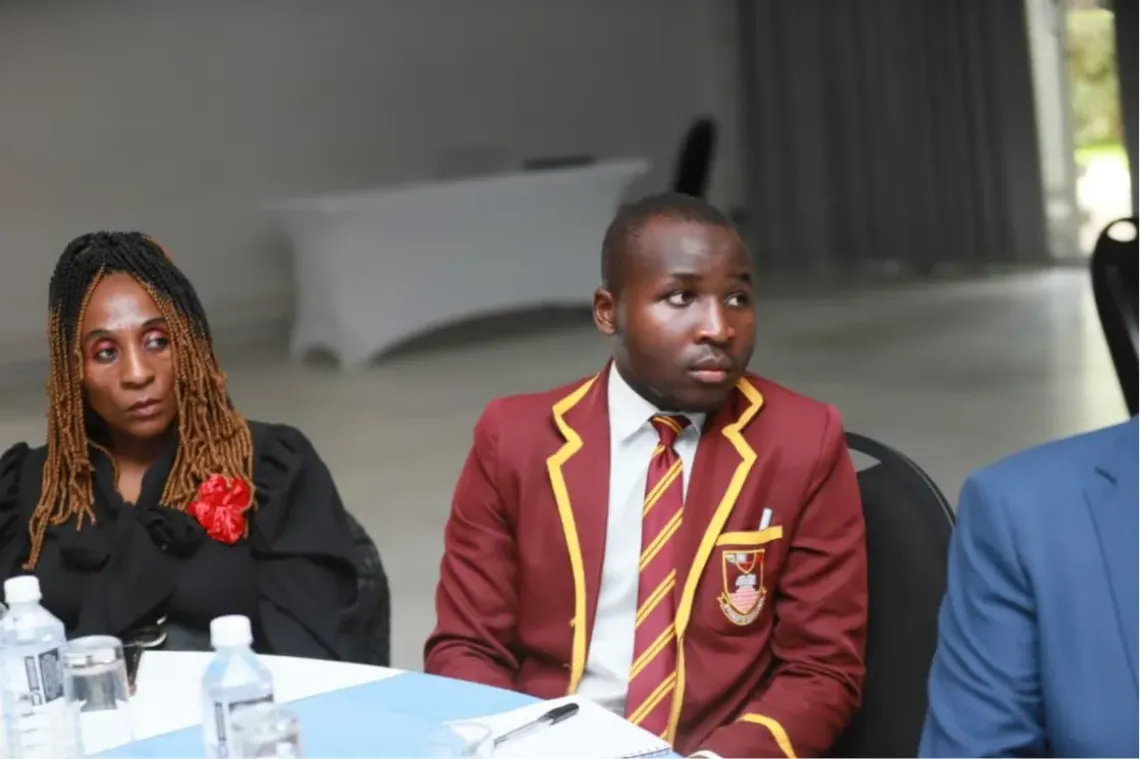
Owen Singandi, a Form 6 student from the same school, echoed her sentiments, saying the HBC had broadened learners' horizons by offering viable pathways, even for those who were not academically gifted.
“The old curriculum seemed to favour the academically gifted and neglected those who have other talents,” said Singandi, himself an aspiring doctor with musical talent.
“As for myself, I was the best music student at my school in Form 4, but I am also good at sciences.
“I want to be a doctor, but the music skills that I have learnt at school would be a good fall-back position for me in future.”
He said the JSR was a perfect platform for policymakers to gather input from all stakeholders, and the inclusion of schoolchildren meant the curriculum would always be sensitive to their needs.
‘JSR was an eye opener’
Victoria Chirenga, a senior teacher at St. John's Chikwakwa High School, described the 2025 JSR as an eye-opener, as it focused on issues pertinent to the growth of Zimbabwe's education sector.
Norman Gombera, the headmaster of Goromonzi High School, said the JSR captured both the opportunities and challenges in the education sector.
“It is good that we have been evaluating our performance as a sector and identifying areas where we need to improve,” said Gombera, who is vice president of the National Association of School Heads.
“From the review, we have noted that there is still a critical shortage of schools, and there is a need to intensify the setting up of digital infrastructure, especially in rural schools.
“We hope that we will get more resources to address these challenges and that the issue of teacher welfare is continuously assessed to achieve the best outcomes for our education sector.”
Clemence Nhliziyo, the CAMFED policy and advocacy manager, said some of the highlights of the JSR included a consensus that there was a need to address high school dropout rates and reduce the shortfall in schools across the country.
“The JSR is a platform to review what we have done to support the education sector as stakeholders,” Nhliziyo said. “We have reflected on the achievements and challenges.
“As a sector, we have done tremendously well in the past five years, but we still have work to do to reduce the high school dropout rates and the school's shortfall.
“We salute the work being done by UNICEF and various partners, who continue to support the government.”
Ministry salutes development partners
The 2025 JSR was particularly significant because it represented the final review workshop after five years of Zimbabwe’s implementation of the Education Sector Strategic Plan (ESSSP).
MoPSE permanent secretary Moses Mhike said the completion of the ESSP cycle provided stakeholders with “the evidence, experience, and momentum needed to shape the next strategic plan.”
Mhike said some of the achievements during the ESSP period included the development and implementation of the HBC, successful roll-out of the school feeding programme, digitalisation of schools, increased disbursement of school improvement grants, strengthened partnerships and agreements, as well as operational planning and monitoring.
“With the implementation of the Heritage Based Curriculum, our nation is poised to leverage emerging innovations that support quality teaching, learning, and efficient delivery of education services,” he said.
“I wish to express special gratitude to our development partners and the Global Partnership for Education.
“Your investments – financial, technical and advisory – have been instrumental in supporting our shared vision for quality education for all children.”
Mhike said the JSR will help inform Zimbabwe's development for the next ESSP 2026. The government has incorporated the JSR into its annual planning, monitoring and budgeting calendar because it aligns with its development goals.