SIG funding is rebuilding Zimbabwe’s rural schools
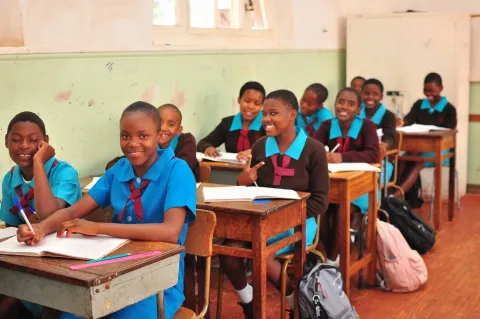
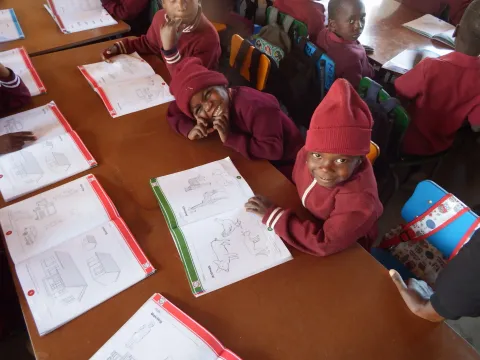
At Hokonya and Nhakayedu schools in rural Zimbabwe, children once studied in kitchens, sat on stones, and shared worn-out textbooks. Today, thanks to SIG funding, pupils have desks, textbooks, ramps — and rising pass rates.

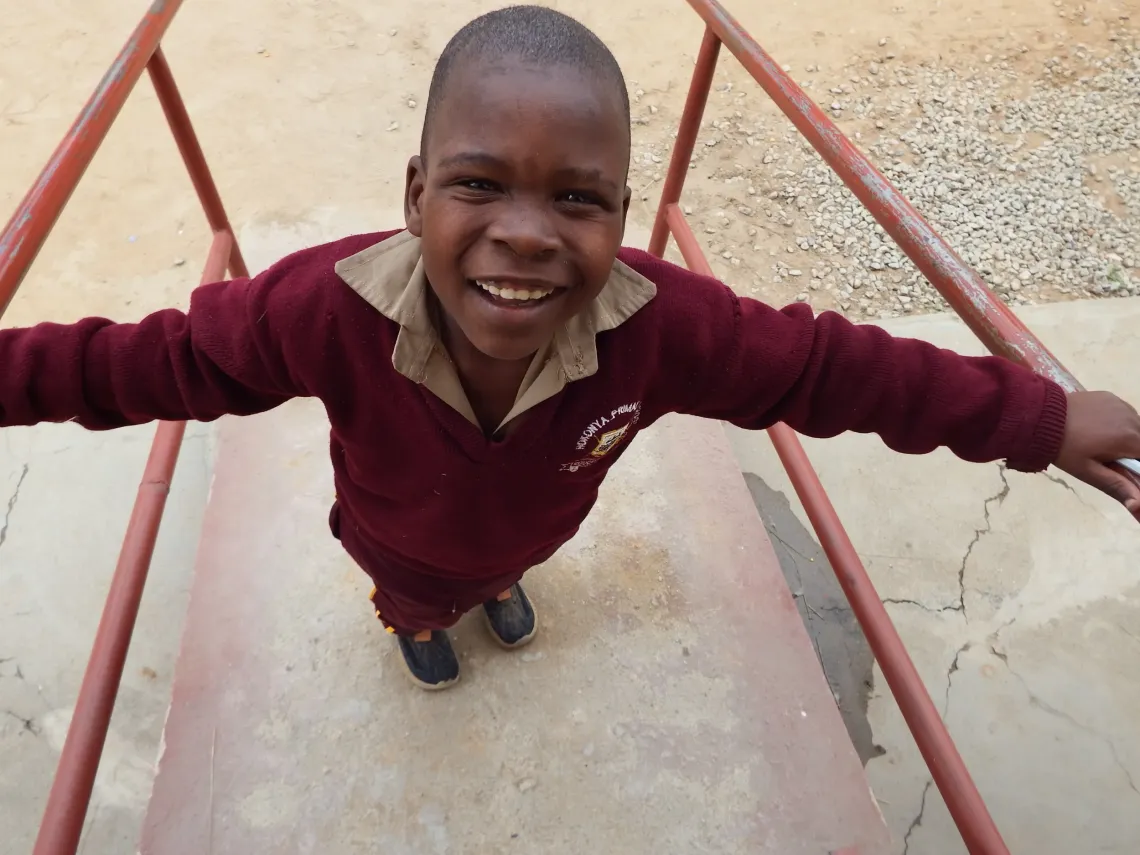
At Hokonya Primary School in Zimbabwe’s rural Chikomba district, the day begins with the cheerful sound of an 11-year-old singing as he ascends the ramp and enters a lively classroom. Inside, the teacher is engaged in a struggle to settle the pupils for the morning lesson. Just across the school grounds, a group of Grade 7 students prepare diligently for their final examinations — tests that hold the power to shape their futures.
“The results speak for themselves,” said Wonder Manangazira, the proud headmaster. Thanks mainly to the School Improvement Grant (SIG) Regular Funding, which provided resources to buy essential textbooks and furniture, the school’s pass rate increased from 30% in 2023 to 40% in 2024, just shy of the national average of 49%.
“We used to be seen as a downtrodden school, but look at us now,” Manangazira beamed. “What do you see? A model school for the district.”
Buoyed by this progress, Hokonya Primary School has set a bold and hopeful target for the 2025 public examinations: a 70% pass rate. “Why not?” he asked enthusiastically. “We have the tools to succeed, the students are happy, and teachers are energised. The parents are trying their best. It’s all coming together.”
Adding to the school’s pride, two of its Grade 7 pupils impressed a local energy company last year so much that they were offered full sponsorships to attend a boarding school within the district, a development Manangazira says is testament to the progress being made.
The SIG Regular programme, launched in 2013, targets schools like Hokonya—often located in remote, underfunded areas—to help meet critical needs. These include teaching and learning materials, classroom furniture, school maintenance and provisions for children with disabilities.
In 2024 alone, 2,799 schools nationwide received funds through the programme, positively impacting 893,784 pupils, about half of whom are girls. Crucially, the funding enables schools to improve accessibility for children with disabilities, including enhanced security and the construction of ramps.
At Hokonya, which has been receiving SIG disbursements since 2022, the programme has significantly enhanced the school’s functionality. In addition to boosting pass rates and ambitions, it has improved access to education for children with disabilities. For instance, ramps built on classrooms and the administration block have allowed children like eleven-year-old Clive Dondo to attend school more independently.
“I hated coming to school before because I felt like a burden to my classmates and teachers. I thought I was an outcast,” said Clive. “But now I enjoy school and don’t want to leave.”
Teachers have observed a remarkable transformation in him. “He used to be reserved and kept to himself, feeling vulnerable and dependent,” explained Gamuchirai Teclar Ngiza, one of Clive’s teachers. “Now, not only has he improved academically, but he’s also very social and even sings tenor in the school choir.”
The benefits extend beyond just the children with disabilities, as community members also find the school more accessible due to these improvements.
”We have elderly parents and guardians who walk with the aid of balancing sticks. Some are disabled and use wheelchairs, but they can now access the administration offices, and on consultation days, they can easily access the classrooms to check on the children’s progress,” said Muchineripi Machimbidzofa, the School Development Committee chairperson.
Meanwhile, the Grade 7 pupils preparing for their end-of-year public examinations experience a purposeful and focused atmosphere. Teachers sat in the corner of bright, chart-decorated classrooms, marking books and providing guidance. Despite the being complete, a calm silence prevailed as pupils sat separately at their desks, absorbed in their textbooks. The area's unreliable internet access, primarily due to insufficient funds for data, makes textbooks the most valuable resource.
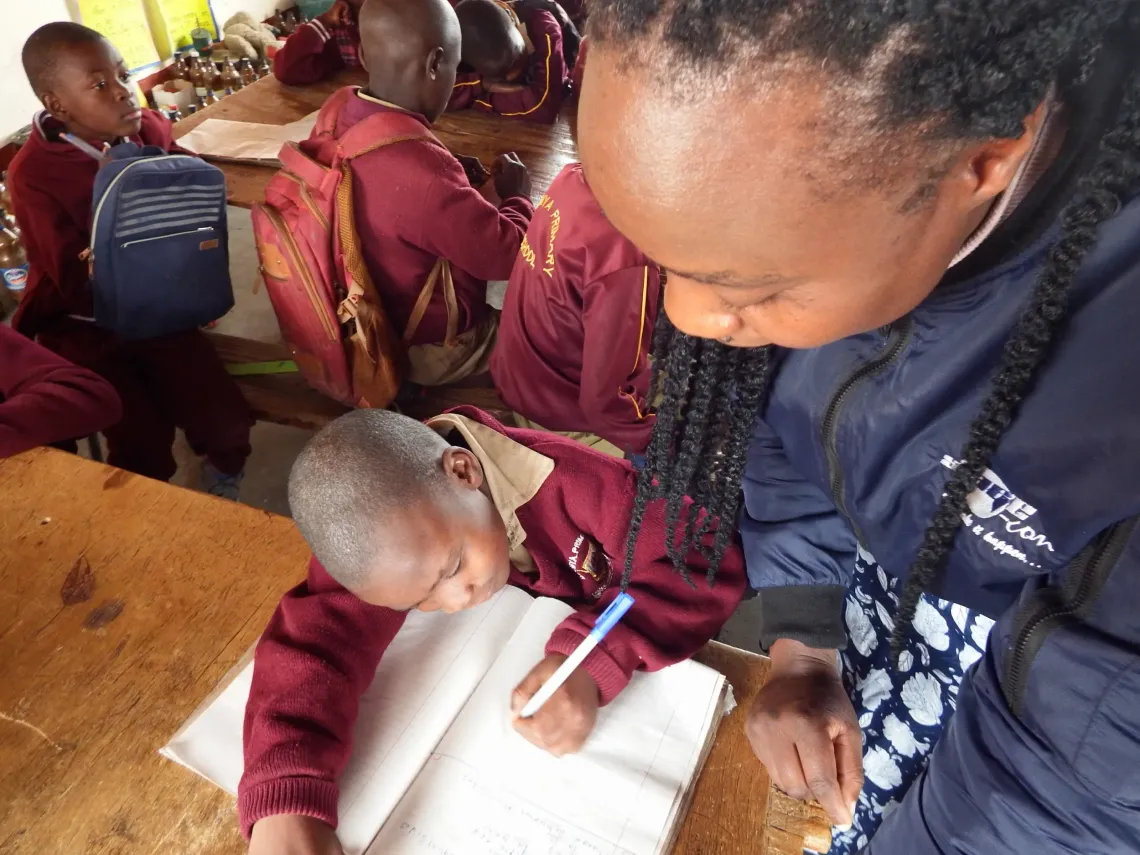
“We used to fight over textbooks because they were scarce. Now, everyone has their own, and we can all help each other study and research. We are friends again,” said Tanatswa Chindiwo, a Grade 7 pupil with aspirations of becoming a doctor.
Manangazira explained that with each allocation of SIG funds, the school has purchased 20 chairs and an equal number of desks. This incremental progress has enabled the school to meet standards set by the Zimbabwe Schools Examinations Council, which requires each candidate to have a chair and desk adequately spaced apart during exams.
About 20 kilometres from Hokonya lies Nhakayedu Secondary School, a satellite institution established in 2005 and situated on a former commercial farm. The school once operated out of a farmhouse, where pupils were cramped into bedrooms, lounges, and even kitchens serving as classrooms.
Under the watchful eye of teachers, Form Four pupils now prepare for their final public examinations, revising past papers in a newly completed classroom block. “Before the SIG funds arrived, we hardly considered ourselves a proper school,” said Mabasa Mukandi, the acting school head. “It was dark and congested, with no room for teachers to move freely while delivering lessons.”
With SIG support, the school bought cement and paint to complete two classroom blocks that had stalled after the School Development Committee ran out of money. These classrooms now comfortably accommodate all 156 pupils, while the farmhouse is repurposed as an administration block and for practical and ICT lessons.
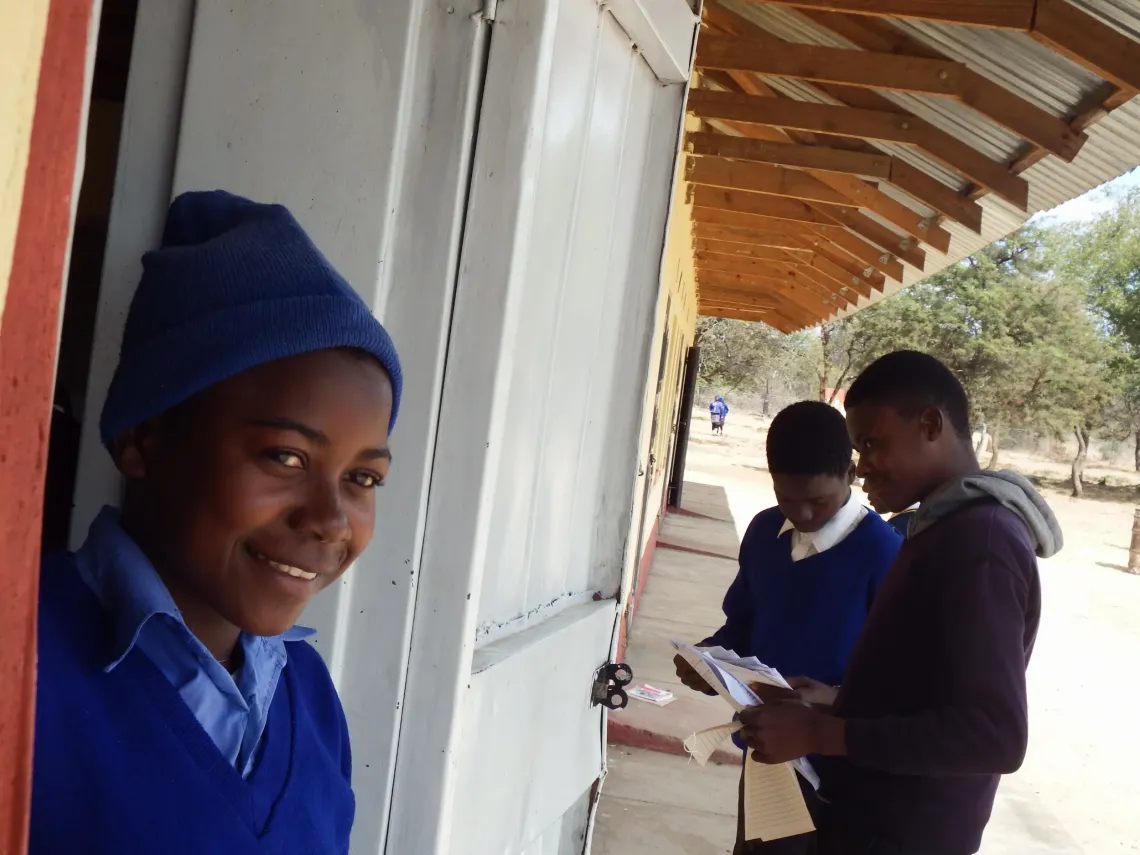
Grace Katema, a teacher at Nhakayedu, recalled the past struggles with a sense of relief. “Teaching in the farmhouse was terrible. There were years when we recorded a zero-per cent pass rate.”
However, last year brought a hopeful change: “We reached 22%, and this year we aim for 30%. This progress keeps us motivated.”
For students like Prince Sigauke, the improvement in school conditions has made dreams feel within reach. “There was a time when we were the laughing stock of the district. We sat on tyres and stones—it was as if coming here was just for play. Now, we walk with pride.”