Storybooks to help rural children continue reading during the pandemic
200,000 early learning storybooks will be sent to remote areas to redress the gap left by the COVID-19 induced school closures.

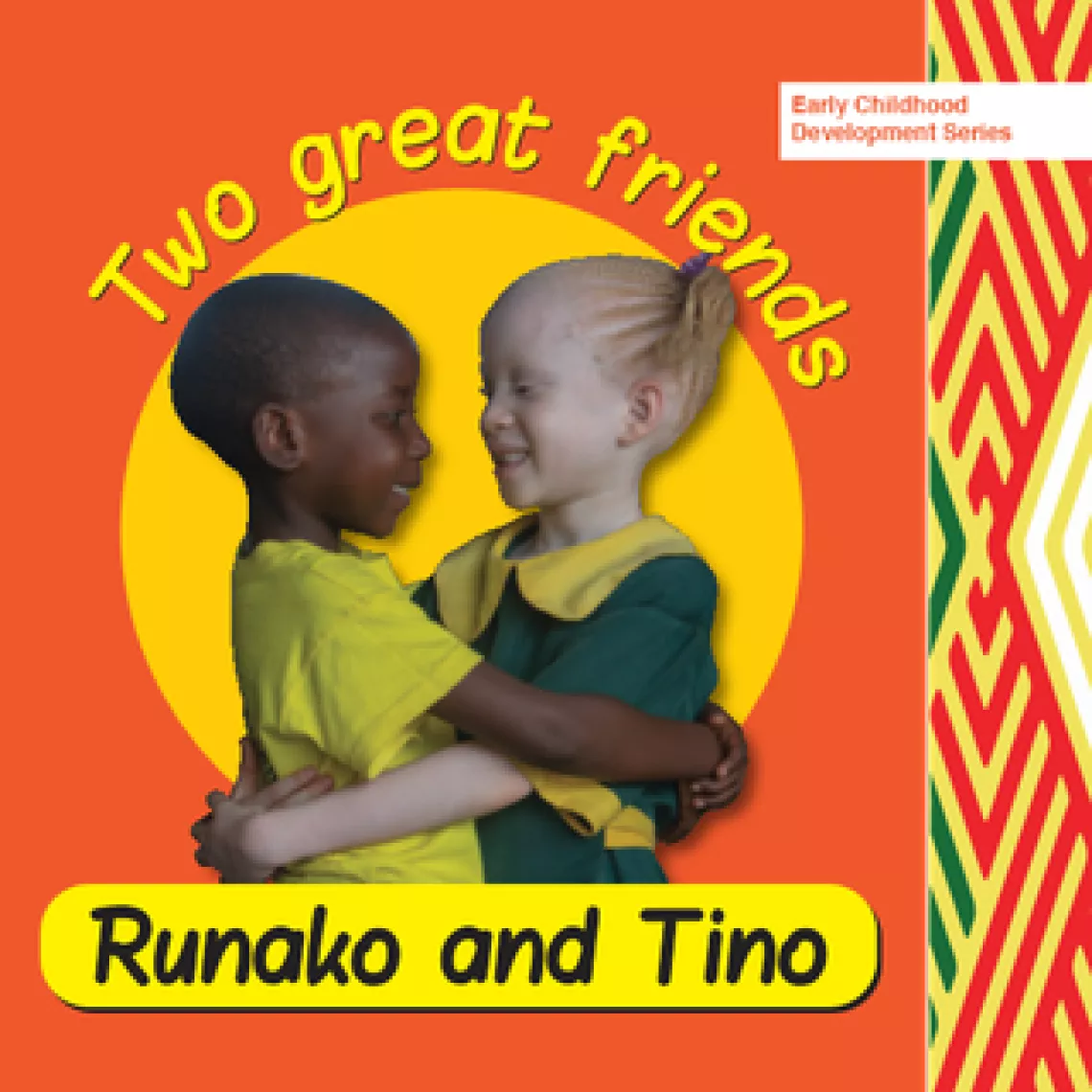
Harare, Zimbabwe - Runako and Tino are the best of friends. Runako is a child with albinism but that does not bother Tino - she knows her friend is like any other child. The girls’ friendship blossoms around acceptance, fun and love for pushing each other on the playground swing.
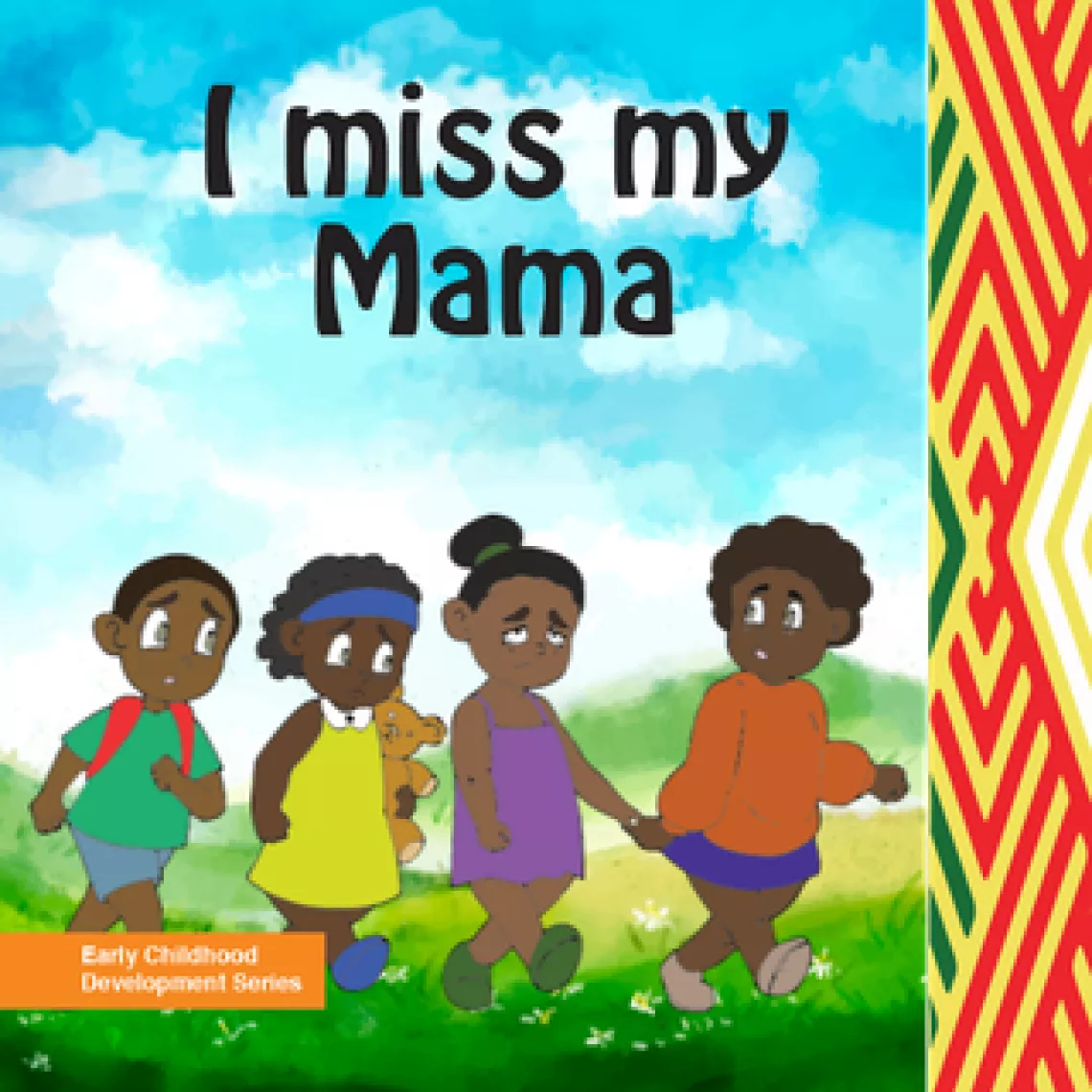
Two great friends: Runako and Tino. Not only is that a description of their friendship, it is also the title of one of the 13 storybooks developed for children in rural Zimbabwe. The books were designed to support Early Childhood Development (ECD) and foster a love for reading among young Zimbabweans.
The release of these books is part of a catch-up initiative designed to redress the gap left by the COVID-19 induced school closures. 200,000 copies of the storybooks are being distributed to all communities with a focus on the marginalised. The stories have also been developed as talking audiobooks and are available on the Internet of Good Things and the Learning Passport and can be shared and viewed through mobile devices.
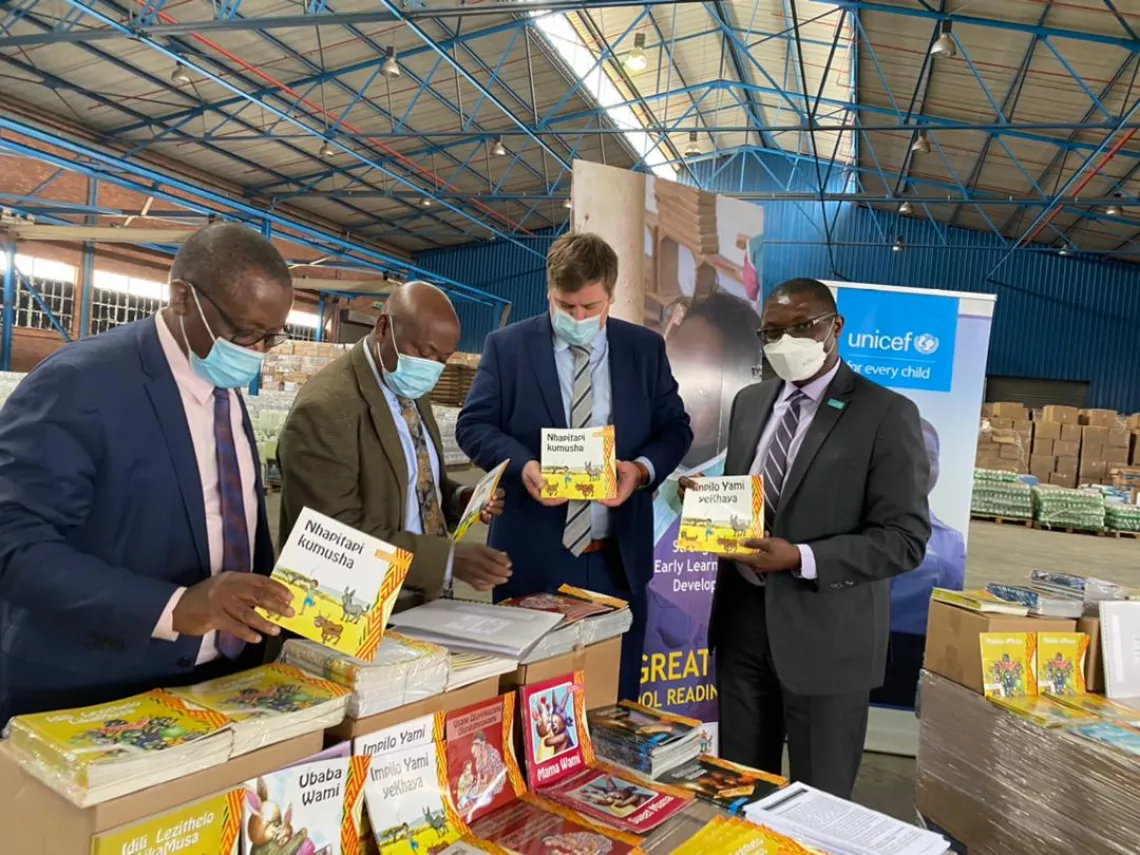
Presenting the storybooks to the Ministry of Primary and Secondary Education (MoPSE) at a recent launch in the capital, Harare, UNICEF Zimbabwe country representative, Dr Tajudeen Oyewale acknowledged the government’s efforts to address education disruptions brought about by the pandemic.
“I understand that Zimbabwe has implemented the Early Reading Initiative as a catch-up strategy supporting foundational literacy and numeracy in young children. UNICEF stands to support such initiatives and to promote early literacy and numeracy,” he shared.
“We are very pleased to partner with MoPSE and other key ministries in developing these culturally and developmentally appropriate children’s storybooks that not only support emergent and early literacy of young children but offer critical key messages to parents on nutrition, hygiene and protection while promoting and appreciating the diversity that Zimbabwe offers.”
13 titles of the storybooks have been printed into English, Shona, and Ndebele with three of the books translated to Braille to cater for children with visual impairments. All the books are being developed as animations with sign language for hearing impaired children, to ensure that the initiative leaves no child behind. The storybooks also come with a reading guide for parents, to encourage them to read with their young ones.
During the launch, MoPSE Minister, Honourable Cain Mathema was confident that the use of the storybooks will ensure continuity of reading during emergency situations and beyond.
He said, “Learning now must take place everywhere and the availability of teaching and learning materials in the hands of the learner will ensure that they can cover good ground even at home. Let me take this opportune time to thank our partners, particularly UNICEF and the MoPSE Technical Team for the initiative. We hope this will go a long way in benefiting our system in preparing children for school readiness.”
Support to produce these books came from UK Aid, the Education Development Fund and Global Partnership for Education. In 2020 alone, more than 71,000 children in ECD A up to Grade 2 benefited as part of home learning during last year’s school closures.
Both UNICEF and the Government hope that the use of these books will instil a love of reading in children and help them to reach out to a world beyond home and community and perceive an ever-expanding array of possibilities.