Schools launch livelihood projects to ensure continuity of School Feeding Programme
“When we were hit by an illness that left us with 21 chickens, we quickly realised that we had put all our eggs in one basket,” said deputy head Roseline Mavanda.
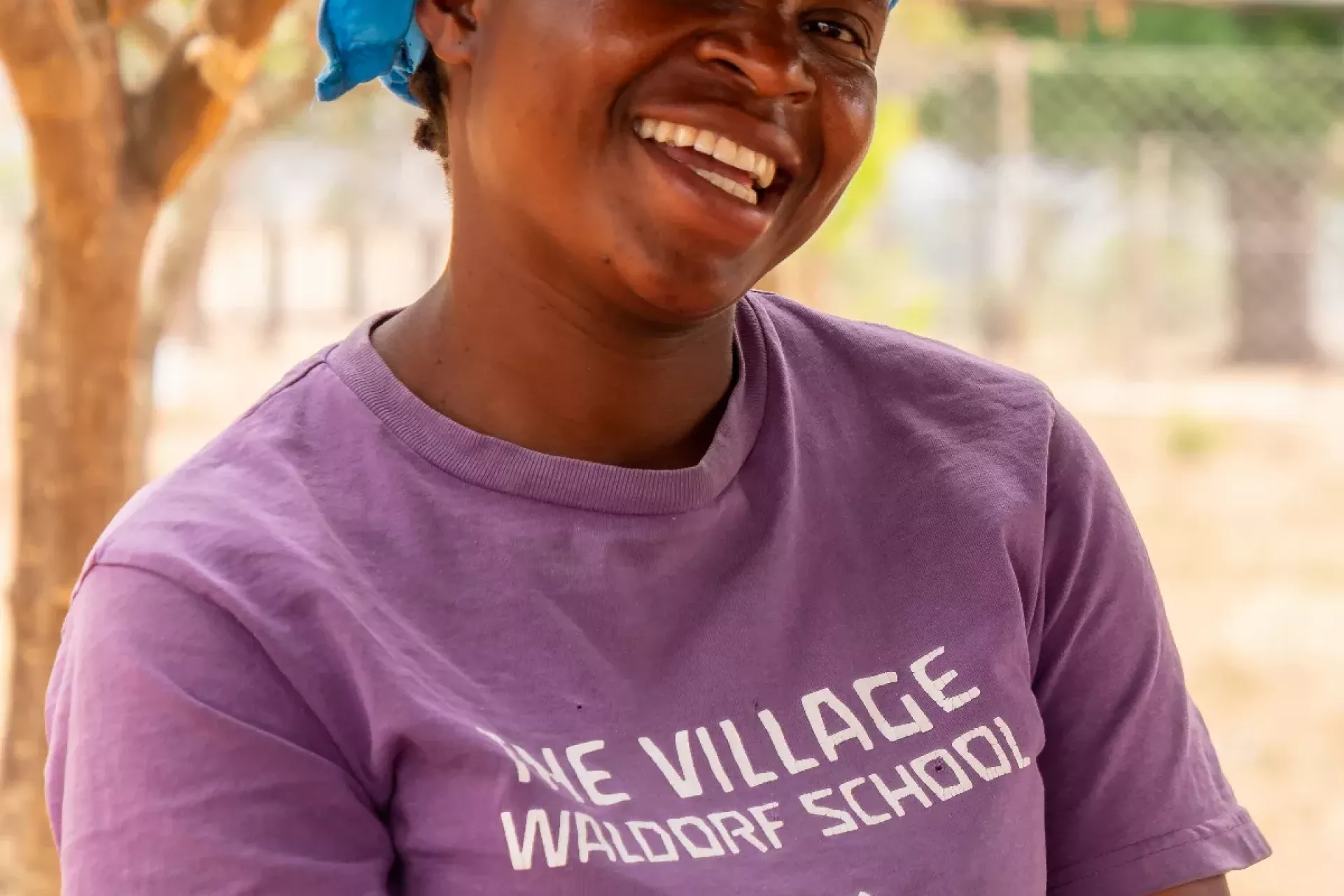
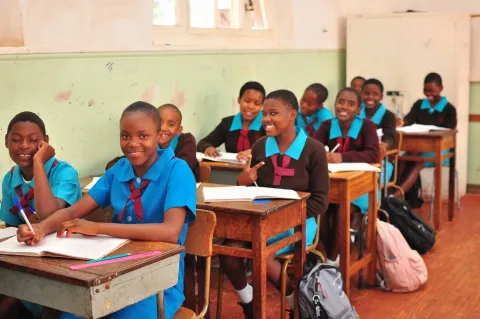
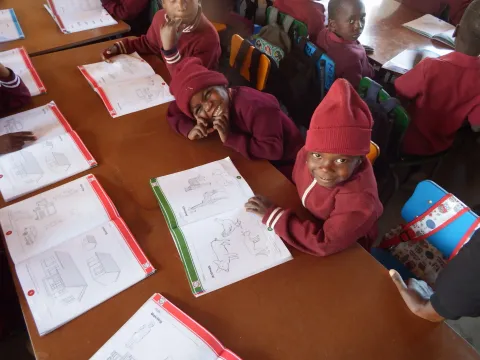
Makoni, Mudzi Zimbabwe-As soon as schools in Makoni and Mudzi Districts received funds for the School Feeding Programme and rolled it out around January 2024, they set out to establish livelihood projects to ensure that they could continue giving learners hot meals at school far into the future.
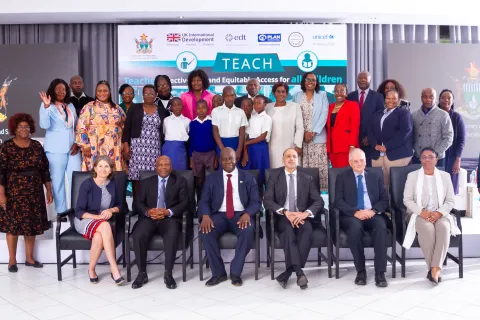
In partnership with the Ministry of Primary and Secondary Education and with funding from KfW, UNICEF is implementing the School Feeding Programme in 126 selected satellite and rural under-resourced schools in Makoni, Mudzi, Mangwe, Rushinga, and Binga Districts.
The school feeding programme was introduced to mitigate the severe impact of the El Niño-induced drought, ensuring children receive essential nutrition for their well-being and learning.
The school feeding model follows the utilisation criteria of the School Improvement Grants, where 15 per cent of the total amount allocated to a school goes to establishing livelihood projects, nutrition gardens, and tools and inputs for the projects.
The programme fosters the learning institutions’ self-reliance and resilience by incorporating projects in orchards such as small livestock (goats, poultry, rabbits), orchards, and nutrition gardens.
School authorities at Nyamhondoro Primary School in Mudzi have started a goat-rearing project with six goats and an egg-laying poultry project.
Although the school started with 50 layers and lost 29 due to illnesses, they are not giving up. The hens have already begun laying eggs that are being sold to fund the goat-rearing project.
“When we were hit by an illness that left us with 21 chickens, we quickly realised that we had put all our eggs in one basket,” said deputy head Roseline Mavanda.
”That is when we decided to rear some goats. We started with two, but we already have six goats. We are optimistic that the herd will grow soon to channel the meat into the School Feeding Programme.”
“We have since established links with veterinaries so that our livestock gets all the vaccines they need and stay healthy,” said Mavanda.
Hundreds of kilometres away in the northeastern part of Zimbabwe, Yorkshire Primary School in Makoni District has established a poultry project, an orchard and a community garden.
The school's pupils eat chicken once a week under the School Feeding Programme, courtesy of the institution’s thriving poultry project.
The success of Yorkshire Primary School’s livelihood projects is critical because, as the biggest beneficiary of the School Feeding Programme with an enrolment of 1,370 learners, the project's sustainability could mean food security for all those children.
Agriculture teacher Primrose Chisango said she is in charge of the poultry project and gets assistance from the students during their practical lesson, which aligns with the Competency-Based Curriculum. This aligns with the Competency-Based Curriculum, which focuses on students developing skills and knowledge essential in preparing them for life and work in an increasingly globalised and competitive environment.
“Our agriculture lessons are no longer just theory as students are now getting the practical aspect in the garden and the poultry project. They can never be idle after completing their studies, as we are equipping them with valuable skills through this project.
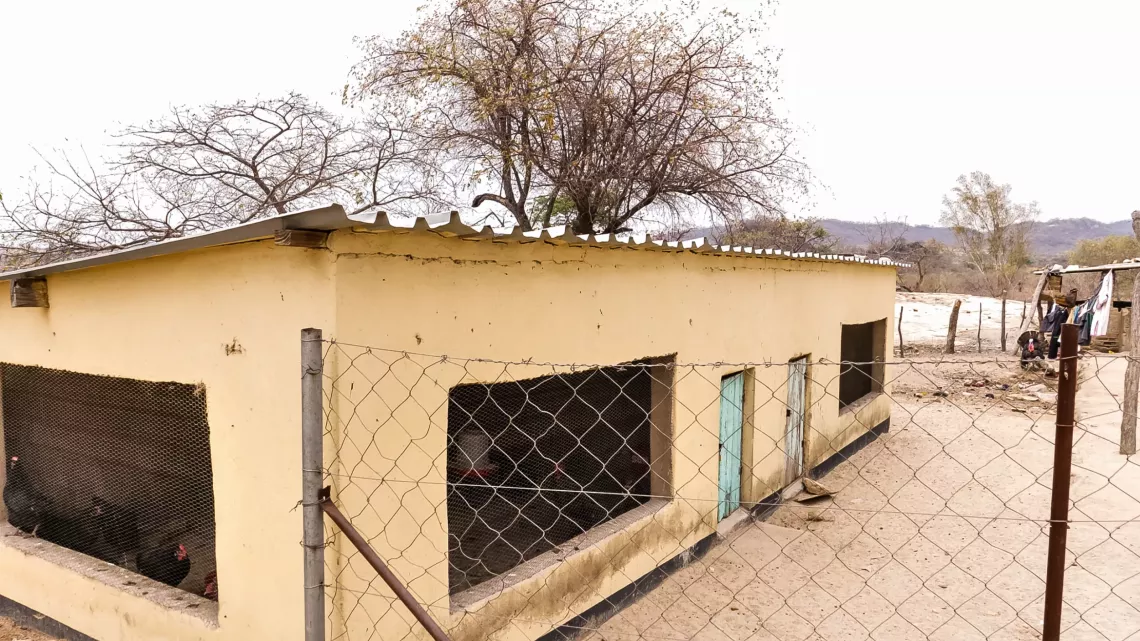
“At any given time since April 2024, we always have two batches of 100 chickens so that when we slaughter them for the School Feeding Programme, the next batch matures in another fortnight. We do not want a gap in the supply chain.
“The learners appreciate the variety, and through interaction with them, l have learnt and relish we offer them, and through interaction with them, l have learned that eating meat in some homes is considered a luxury. This is why, as a school, we are determined to ensure this project runs into the future,” said Chisango.
She said to ensure sustainability, the batch that matures just before schools close is sold to fund the acquisition of chicks when schools open.
“This is a sustainable project that will always ensure that we have some chicken for our students,” she said, adding that another agriculture teacher is in charge of the nutrition garden and orchard.
Chisango said the recently established orchard will produce peaches, mangoes, guavas, naartjie, and oranges for the learners. Naartjie is a crucial component of the learners' diet, and oranges are crucial to their diet.
Yorkshire Primary is now in the process of connecting tap water from its borehole, and school authorities are confident that this will impel its projects.
Demand for diversified foods at Yorkshire and Nyamhondoro Primary Schools stimulates agricultural diversification and production, shapes agricultural diversification and output, and contributes to sustainable food systems.