Piped water scheme raises hopes in Gwanda
In an arid region ravaged by climatic change, an EU-funded water piped project is bringing hopes of a better future

Gwanda, Zimbabwe-In Gwanda district’s Sengezane area, children wake up at dawn. The fortunate ones tie donkeys to scotch carts before heading out to look for water. Others walk for kilometres carrying buckets before they head to school, which is also a long distance from home.
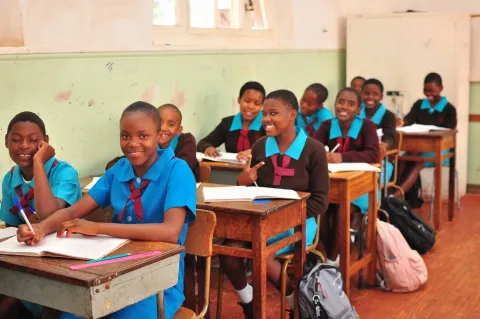
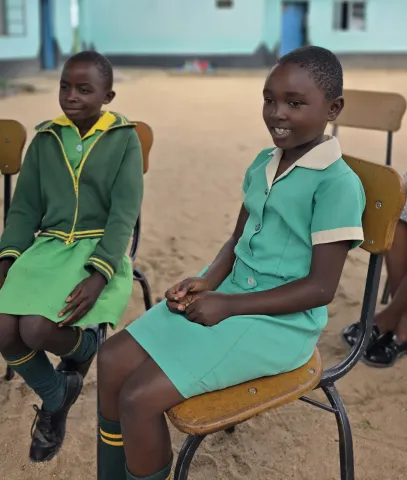
“By the time they get to school, it would be late, and they would be so tired that all they want to do is rest. Children here spend too much time looking for water,” said Siphathisiwe Dube, head of Sengezane Primary School.
“Imagine the school has no water, so the children must carry some water containers to school. The water scarcity deprives them of vital learning time and equal opportunities. Without education, generations become trapped in a cycle of poverty,” she said.
However, such woes are set to become a thing of the past, thanks to the ongoing construction of a piped water scheme funded by the European Union and implemented by UNICEF and the Food and Agricultural Organisation (FAO) in partnership with the Gwanda Rural District Council, Welthungerhilfe and other government agencies.
The facility is being constructed under the Enhancing Resilience for Vulnerable Households in Zimbabwe or ERVHIZ project, being rolled out in several districts to assist communities that are vulnerable to climate change
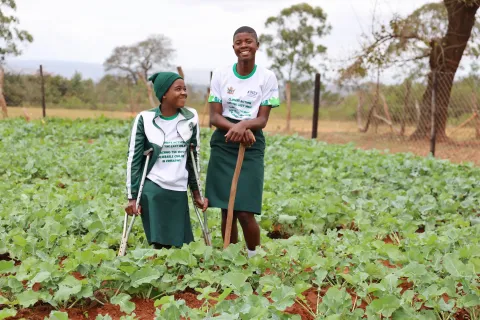
When complete, the solar-powered piped water scheme will supply tapped safe water to about 1,800 individuals, including 455 children learning at Sengezane Primary school in a development that will also establish a vegetable garden for the school to support learning and nutrition needs for the children and staff at the school.
“People currently get water from the Thuli River, which is polluted by artisanal miners who work upstream. Livestock and wild animals also get water from the same river, so it’s not safe. The community is suffering because of lack of clean water,” said Celestina Godzi, the Gwanda District Water and Sanitation Sub-Committee chairperson.

Although Gwanda is traditionally arid, climate change has resulted in extreme weather conditions and warmer temperatures, which has worsened the situation.
The district is in Matabeleland South province, one of the areas worst affected by climatic change.
Though least responsible for climate change, children carry the heaviest impact load. Climate change threatens children’s survival, development, nutrition, education, health care and, ultimately, their future – all of which are children’s rights enshrined in the Convention on the Rights of the Child, according to UNICEF.
Girls, for example, are at more risk of abuse because of the long distances walked to fetch water, said Mrs Dube, the school head. Other threats to be addressed by the piped water scheme include limited access to education, hygiene, nutrition and waterborne diseases such as cholera and diarrhoea.
The ERVHIZ project uses an integrated approach to address Zimbabwe’s humanitarian crisis caused by a combination of underlying socio-economic constraints and the impact of external factors such as climate change and COVID-19.
Investment in WASH facilities, such as piped water schemes that communities can use to grow food, is helping address chronic malnutrition or stunting, which stands at a national average of 26.8% but also the more short-term problem of wasting, which is at 3.6%, according to the Zimbabwe ZIMVAC in 2019. In areas such as Mangwe district in the same Matabeleland South province, completed piped water schemes such as the one being constructed in Sengezane are already benefitting dozens of people and changing lives.

The project will contribute to improved livelihoods for Sengezane community farmers being assisted by FAO by ensuring that the same farmers get safe drinking water and live in a clean environment free from open defection, to be addressed through the promotion of hygiene. This will improve the quality of life for the farmers in the Sengezane community.
At Sengezane, school authorities and community members are already planning for a prosperous green future.
“We have plenty of sun; we can now put it to good use,” said Dube, head of the school, wiping sweat amid searing heat.
She added: “People don’t harvest much because the area is dry, so we plan to establish a viable garden and orchard. Parents who can’t pay school development levies can use their labour to work in the school gardens. It will be a win-win situation; the facility will bring the school and the community together.”