The climate stories: Teaching Climate Resilience in Mangwe
After years of witnessing droughts and destructive rains, a Mangwe teacher is helping learners understand climate change and build the skills needed to adapt to a changing world.
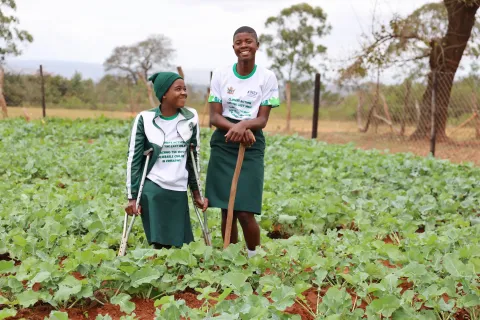
For 20 years, Esilinah Tshuma has taught young learners at Madabe Primary School in Mangwe District. Beyond the classroom, she is also a farmer, like many others in her community, relying on seasonal rains to grow crops and support her family.
But over the years, she has witnessed changes that are becoming harder to ignore.
“At home, the story is much the same,” she says. “We plant our grains with hope each year, but the seeds often sit in the ground too long because the rains come late. Sometimes, even in the middle of what should be the rainy season, the sky stays bright and empty, as though it has forgotten us.”
She recalls rivers that once flowed reliably now drying up earlier than expected or failing to fill adequately during the rainy season, making it increasingly difficult for families to access water for household use and livestock.
“Each season that shifts a little further, each rainfall that arrives a little later, makes it harder to ignore the truth that the environment we depend on is changing faster than our village can keep up,” she says.
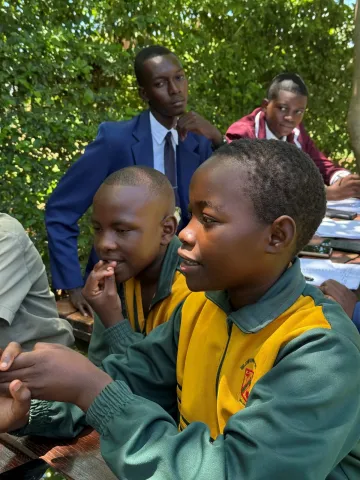
These experiences motivated Esilinah to take part in a recent climate change training in Mangwe. The training brought together teachers from across the district to strengthen their understanding of climate change and its effects on children, families and communities.
For Esilinah, the lessons went beyond theory. They provided practical knowledge that she can now share with her pupils.
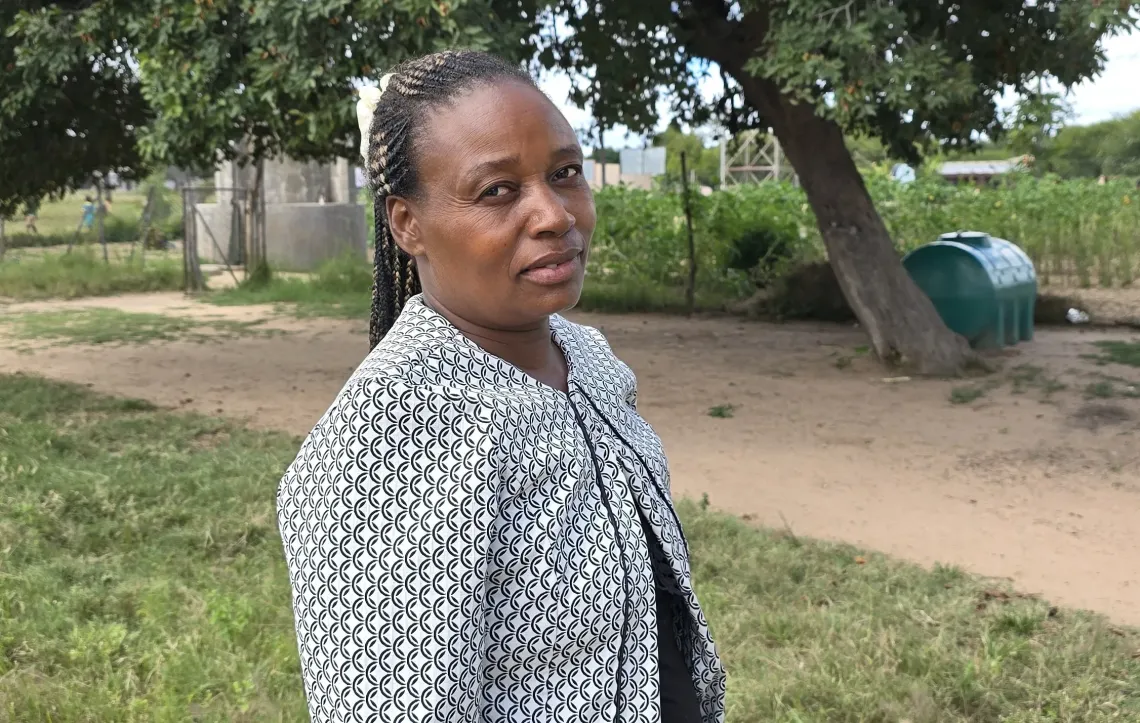
She believes the training has equipped her with new ways of helping learners understand the environmental changes taking place around them and how they can adapt from an early age.
“As teachers, we help shape how children see the world,” she says. “If they understand what is happening to the environment and learn practical ways to respond, they can become part of the solution.”
Back in her classroom, Esilinah is looking forward to introducing simple, age-appropriate lessons that connect learning with the realities her pupils see every day. By helping children understand climate change early, she hopes to nurture a generation that is better prepared to protect and adapt to a changing environment.
For communities like hers, where livelihoods are closely tied to nature, these conversations have never been more important.
Too Little, Too Late, Too Much: Living Between Extremes in Mangwe
Mr Kahlu has been teaching at Kahlu Primary School in Mangwe District for eight years, and over that time, he has watched the rhythm of seasons slowly lose its certainty. “There are years when the rains are kind,” he says, “but more often now, they confuse us.” He remembers when the rains used to arrive early, gently preparing the land for planting sorghum and millet, the crops that sustain most families in the area. Today, the weather patterns have become unpredictable, with long dry spells followed by sudden, heavy downpours.
The community now lives with increasing uncertainty, moving between prolonged dry spells and seasons of heavier rainfall that can be just as destructive. For many families, farming has become a constant exercise in adaptation.
“During the 2025–2026 season, there was renewed hope,” he recalls. “The rains were better than in previous years, and many of us expected a good harvest. But that hope did not last. The rains came with such intensity that they damaged crops and washed away fields. Once again, families were left wondering how they would recover.”
As both a teacher and a member of the community, he has witnessed first-hand how climate-related shocks affect households and children. Poor harvests mean less food on the table, reduced household incomes and increased pressure on families already facing multiple challenges.
For him, climate change is not a distant or abstract concept discussed in reports or on television. It is visible in the fields, the rivers and the changing seasons. It influences how families farm, how communities cope and, ultimately, the future opportunities available to the children he teaches every day.
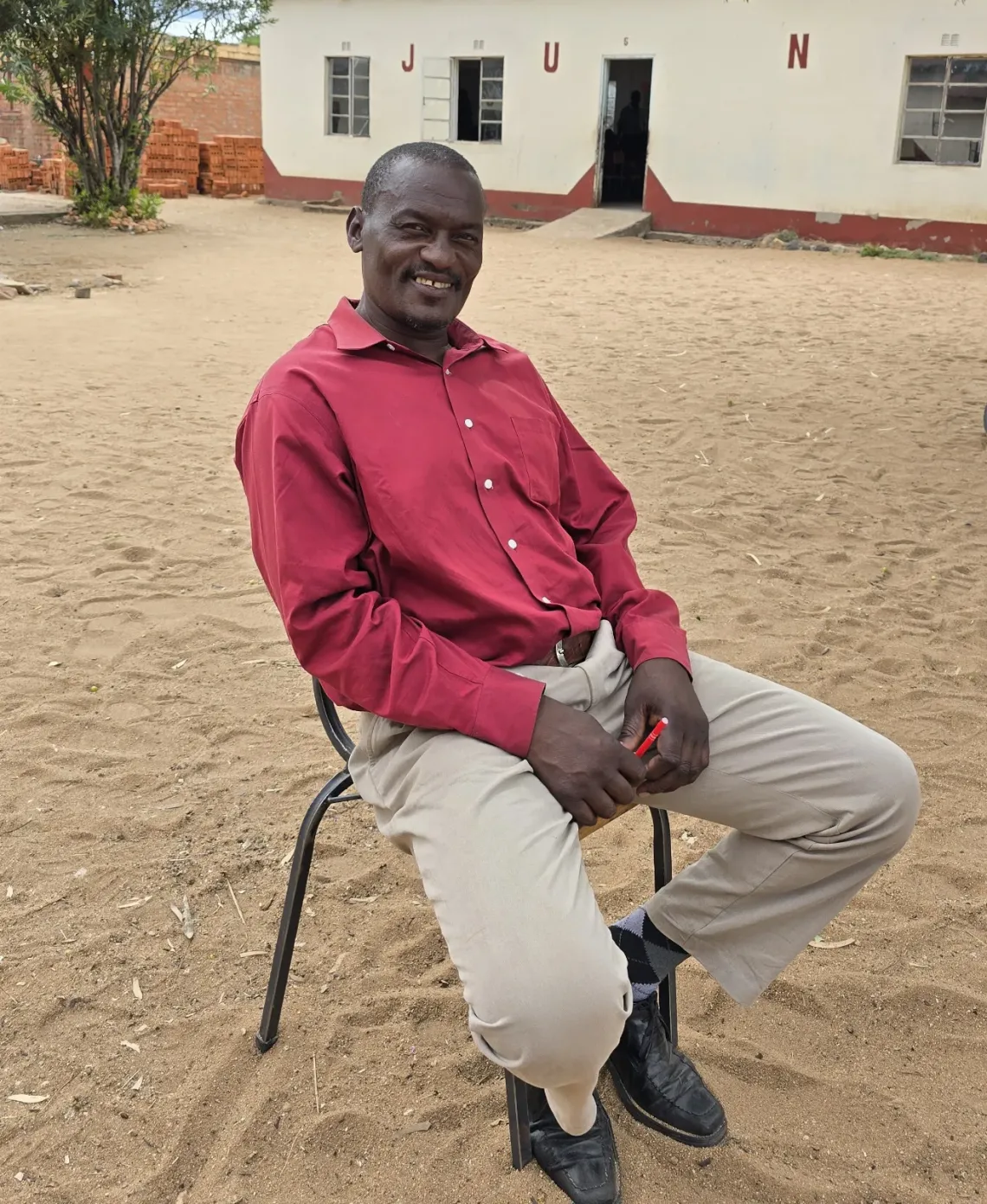
“That is why it is important for children to understand these changes from an early age,” he says. “They need the knowledge and skills to adapt to a world that is changing around them.
”With the climate change education teachers’ guides provided by the Ministry of Primary and Secondary Education, Mr Kahlu feels he now has a practical, age-appropriate tool for planning and delivering clear lessons that young learners can easily grasp.
The structured guidance will help him break down complex climate concepts into simple activities, stories, and examples suited for infant learners. “Children will learn that climate change is not only a subject for adults, but something they can understand and act on from an early age”, he said.
When rain becomes a challenge
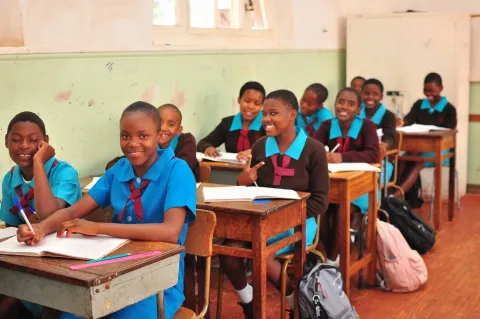
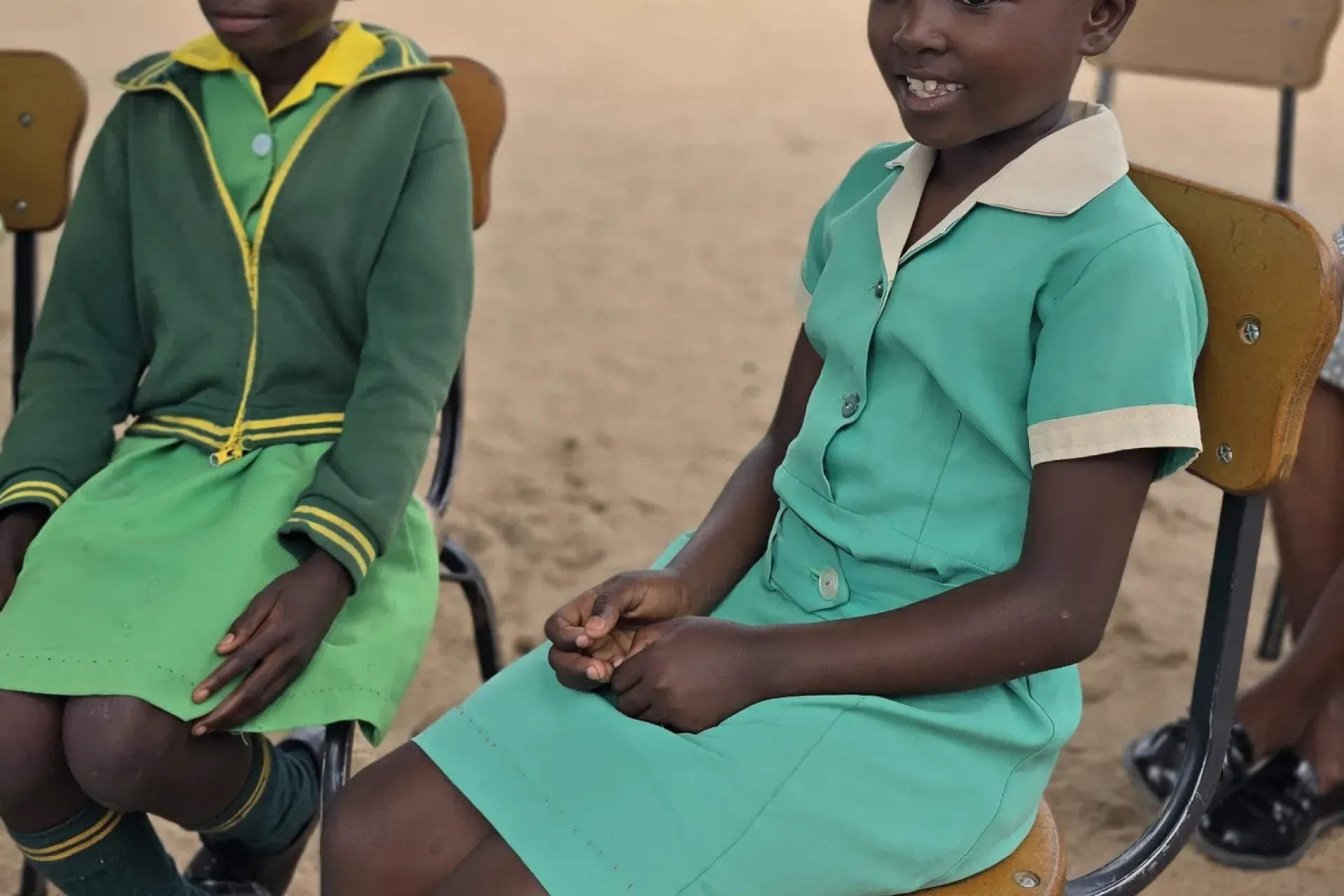
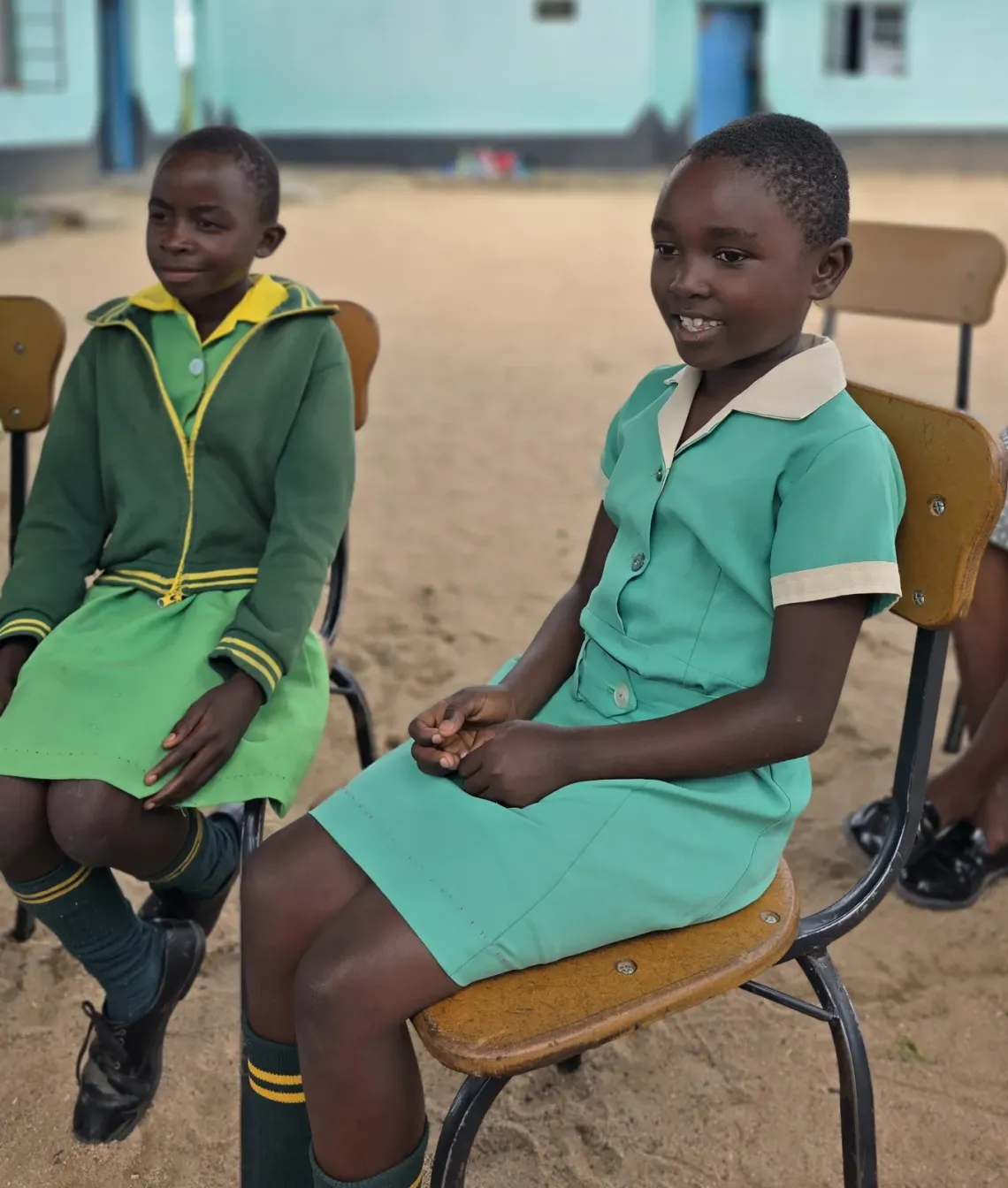
Kimberly Moyo (8) is a Grade 3 pupil at Madabe Primary School. “At home, my mother worries about our crops because sometimes the rains fall so hard and wash everything away”. Kimberly’s teacher participated in the climate change education training. The teacher is now helping children understand how climate change affects weather patterns.
Hot days and long walks
Blessing Martin (7) is a pupil at Madabe Primary School. “Every day, I walk to school under a very hot sun. The small stream where we used to play and fetch water has become dry, and now we must walk further to find water”. Blessing will also learn more about the changing environment through his trained teacher.
The Curriculum Development and Technical Services (CDTS) under the Ministry of Primary and Secondary Education (MoPSE), with support from the TUI Care Foundation through UNICEF, is advancing the integration of climate change education into the curriculum. This is being achieved through the developed infant teachers’ guides and the implementation of complementary teacher training programmes.
This initiative equips educators with the knowledge, pedagogical skills, and resources required to deliver structured, age-appropriate climate education. By strengthening teachers’ capacity at the foundational level of learning, the project promotes early development of climate awareness, environmental stewardship, and resilience among young learners.
Furthermore, embedding climate change education within the curriculum ensures sustainability, scalability, and consistency in delivery across the education system. It lays the groundwork for a generation of learners who are better informed, adaptive, and capable of responding to climate-related challenges, thereby contributing to long-term national and global climate resilience efforts.