Zimbabwe's Children Demand the Future, Driving Policy for NDC 3.0
Zimbabwe's young leaders are driving the nation's climate policy! They gathered in Kadoma to shape the new NDC 3.0, moving from observers to principals. Their demands for green jobs and policy change are now integrated into the national roadmap.

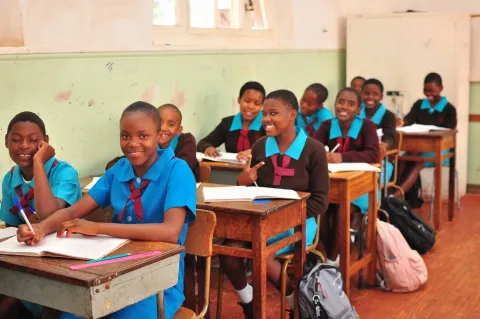
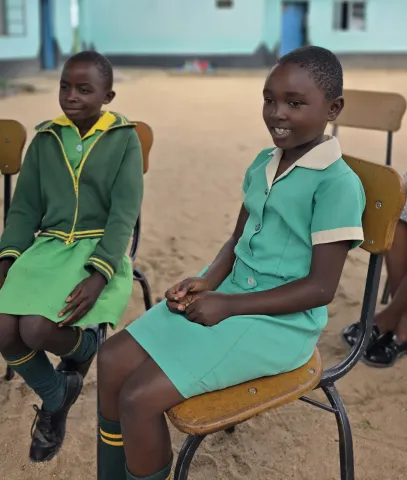
The usual formal setting of a national policy meeting was shattered in Kadoma last week. More than 60 schoolchildren, youth leaders, junior councillors, and young climate advocates—hailing from all 10 provinces of Zimbabwe—were not there to observe. They were there to lead.
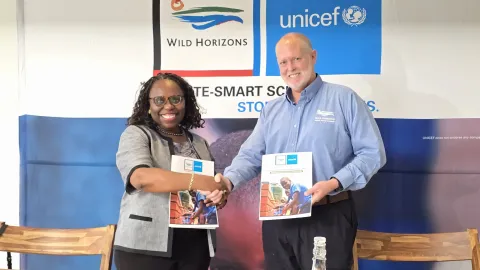
Zimbabwe marked a major national milestone in its climate response by officially launching the elaboration process of its Third-Generation Nationally Determined Contribution (NDC 3.0) through a high-level engagement with its children and youth constituency. This unique two-day workshop, hosted by the Ministry of Environment, Climate and Wildlife in partnership with UNICEF Zimbabwe, signals a deep commitment to intergenerational equity and youth-led climate action.
“We Are Not Passive Observers”
The energy in the room reflected the urgency of their mission. Children are on the frontline of climate change, and they arrived ready to challenge the status quo.
Speaking on behalf of the Ministry, the Acting Director for Climate Change Management, Mr Lovemore Dhoba, set the tone by recognising the children as innovators, not victims. “Children and youth are not passive observers of climate change — they are crucial partners, innovators and drivers of solutions,” Mr Dhoba stressed. “Without their voice, our climate action will not be inclusive, sustainable, or transformative.”
For the young delegates, this was a vital shift in approach. “Thank you for involving us as children and helping us to learn and get more information about NDCs,” said Tawananyasha, a 17-year-old girl from Jameson High School. “It is important to increase participation and platforms, even online, where young people can learn and get more involved in the NDCs and any other climate policy processes.”

Demanding Green Jobs and Digital Access
Zimbabwe’s NDC 3.0 outlines ambitious national commitments, including a 40% per capita reduction in greenhouse gas emissions by 2035. Over the course of the programme, young people didn’t just talk about the problem; they mapped out tangible solutions for implementation.
The participants—who brought powerful testimonies of droughts, failed harvests, and cyclone destruction from their home provinces—channelled their personal experience into clear policy demands:
- Kudzai Sharon Kandemiri called for concrete opportunities: “As young people we need enhanced skills development by providing training and green job opportunities in climate-resilient sectors, such as renewable energy, sustainable agriculture, and eco-tourism, to equip young people with the skills and knowledge to drive a climate-resilient economy.”
- Another 23-year-old delegate from Murehwa demanded systemic change: “We demand increased participation, capacity, access to investments/funding and information systems across all NDC thematic sectors. There is an increased need to support women and children’s participation in decision making and raised awareness on importance of mainstreaming child rights.”
Through creative storytelling, artwork, and solution-mapping exercises, these insights formed the foundation for the development of child- and youth-sensitive inputs that will feed directly into the national NDC 3.0 elaboration process.
A Strong Partnership for Resilience
This successful engagement was only made possible through the long-standing collaboration between the Ministry of Environment, Climate and Wildlife and UNICEF Zimbabwe. Technical and financial support, including through the Korean International Cooperation Agency (KOICA), ensured broad participation—bringing together schoolchildren, junior parliamentarians, and provincial youth representatives.
The workshop concluded with the presentation of a draft Children and Youth NDC Roadmap and a Children’s Climate Charter, symbolising the emergence of a confident, coordinated youth movement. The Ministry affirmed that these outcomes will be directly integrated into the NDC 3.0 technical process, ensuring Zimbabwe’s pathway to climate resilience is indeed shaped by the ambition and leadership of its young people.