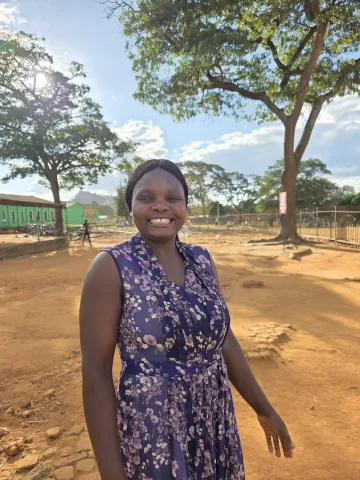
Not Defined by Diabetes: Tsitsi’s Story of Resilience, Hope and Dreams
For Tsitsi, understanding that diabetes ran in her family made it easier to accept her diagnosis. However, she was not prepared for the challenges that would follow.

When Tsitsi Manyangadze was diagnosed with Type 1 diabetes in 2021 at the age of 13, her world changed overnight. Yet unlike many children receiving such news for the first time, Tsitsi had already seen the disease up close.
“My sister had diabetes already, so I didn’t really panic because I knew what to do. While assisting my sister, I had learnt how to test blood sugar levels and understood what diabetes was,” she says.
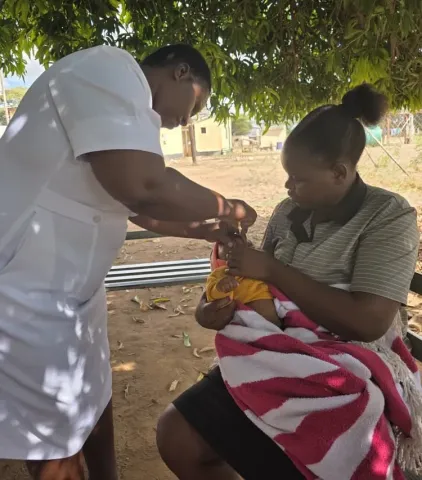
Childhood non-communicable diseases (NCDs), including Type 1 diabetes, are a growing public health concern. In many communities, misconceptions and myths still surround the disease, while delays in diagnosis can occur due to limited awareness among families and even some healthcare providers. Through the PEN-Plus initiative, UNICEF, with support from Eli Lilly and partners including SolidarMed and the Ministry of Health and Child Care, is strengthening access to care and support for children living with chronic illnesses. Educational workshops have become an important platform where children, caregivers and healthcare providers come together to learn, share experiences and build confidence in diabetes management.
For Tsitsi, understanding that diabetes ran in her family made it easier to accept her diagnosis. However, she was not prepared for the challenges that would follow.
Like many young girls, Tsitsi dreamed of attending boarding school. When she was accepted into her preferred school, she was excited about the opportunities ahead. However, her admission almost slipped away because of her medical condition.
“I had a dream to go to boarding school and got admitted, but the school couldn’t accept students with diabetes because they didn’t have enough facilities to cater for one child,” she recalls. “We had to negotiate with the school matron to adjust my meals and support my lifestyle.”
Her experience highlights a challenge faced by many children living with chronic conditions. Every child deserves the opportunity to achieve their full potential in both health and education. While schools teach about non-communicable diseases such as diabetes, it is equally important to create environments that support the needs of children living with these conditions. Similar concerns emerged during discussions at the Type 1 Educational Diabetes Workshop, where participants cited difficulties accessing appropriate meals and snacks during school hours, limited understanding among teachers and peers, and concerns around managing diabetes while at school.
Through educational workshops supported by UNICEF and its partners, children and adolescents living with Type 1 diabetes are gaining the knowledge and confidence needed to manage their condition. Held regularly throughout the year, the workshops cover a range of topics including diabetes management, mental health, nutrition and peer support. During the nutrition session, Dietitian Ruvimbo Danda emphasised that diabetes nutrition should not be viewed as restrictive but rather as an opportunity to adopt healthy eating habits that benefit the whole family.
For Tsitsi, one of the most important lessons came through a difficult personal experience.
“The unfortunate thing happened when I couldn’t control my sweet tooth and just had to eat ice cream,” she says. “The last thing I remember was licking my fingers after eating it.”
Like many adolescents living with diabetes, Tsitsi has had to make lifestyle adjustments while watching her peers enjoy foods she must consume carefully. Understanding carbohydrates, healthy snack options, and how different foods affect blood sugar levels has become an essential part of her daily life. These are some of the practical lessons reinforced during the educational workshops.
Despite the setback, Tsitsi was not alone.
“The moment I woke up, my family were by my side, even when they realized that I was in that condition because I had eaten ice cream.”
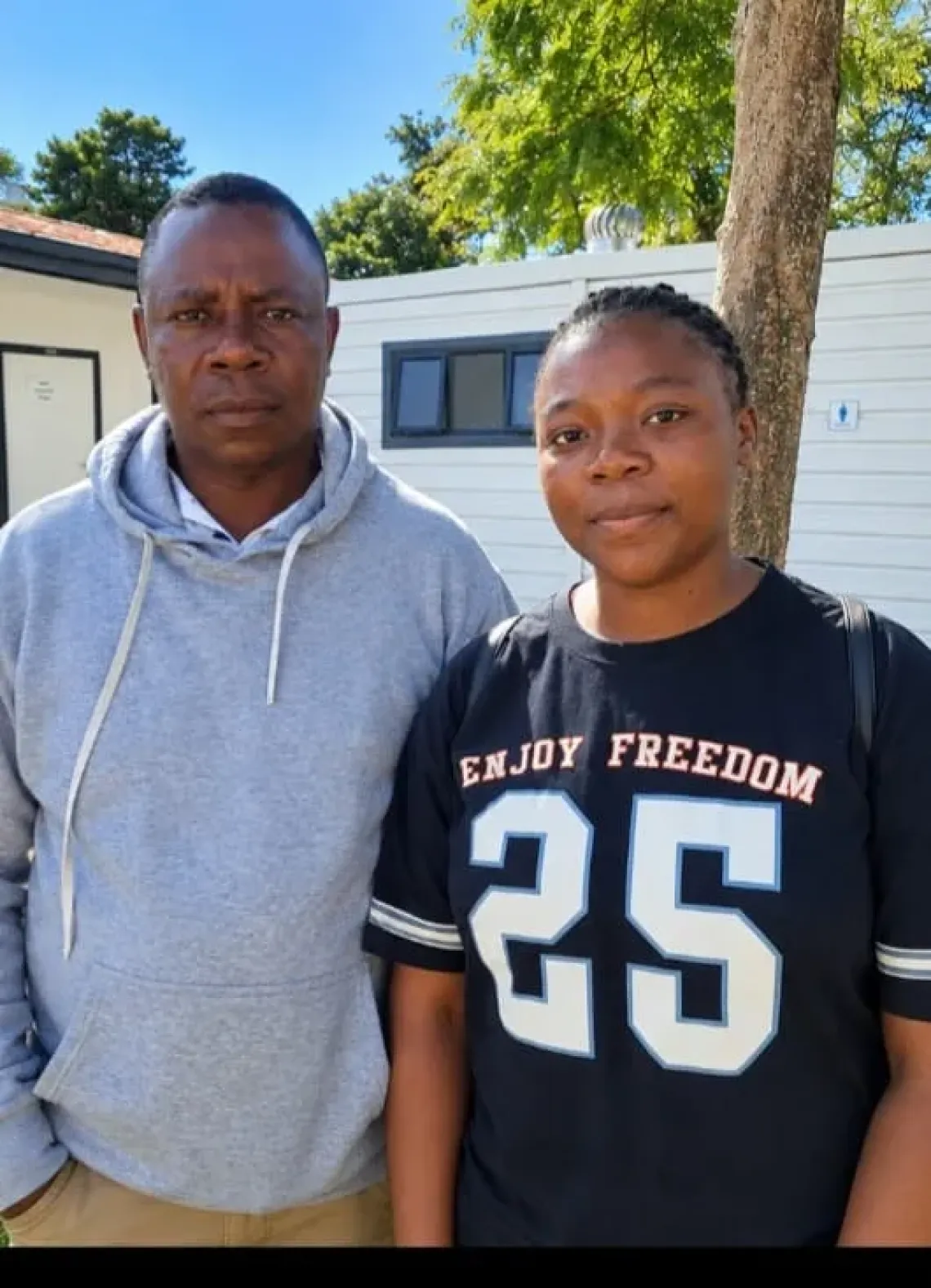
According to Tsitsi, her parents have always been her strongest support system. Their love, patience and encouragement have helped her navigate the challenges of living with a lifelong condition.
Today, she also found support from her friends.
“My friends are my biggest support group. They now know how to check my sugars and what to do when I collapse.”
Their understanding has helped create a safer environment for her at school and reassured her that she does not have to face diabetes alone.
At the recent Type 1 Diabetes Educational Workshop, Tsitsi was among several participants who shared their experiences during the “Voices of Hope” session. Alongside other children, caregivers and advocates, she spoke about the realities of living with diabetes, the importance of self-advocacy and the power of perseverance. These testimonies offered hope and encouragement to newly diagnosed children and their families.
A Form Five student studying science subjects at Advanced Level, Tsitsi is determined to transform her experience into a force for good. Inspired by her own journey, she dreams of becoming a medical doctor.
“I want to help children living with diabetes.”
She is already taking steps towards that goal as a peer educator, supporting fellow adolescents living with diabetes and helping them cope with both the emotional and practical challenges of managing the condition.
Her message to other young people living with diabetes is simple but powerful:
“Listen to your body, advocate for yourself, and remember that life gets better.”
For Tsitsi, diabetes may be part of her story, but it does not define her future. With determination, family support, friendship and the knowledge she continues to gain through education and peer support, she is pursuing her dreams with confidence, proving that children living with diabetes can thrive, succeed and inspire others along the way.