Everyday Heroes: Community Voices Driving Polio Vaccination Uptake in Zimbabwe
“It is not easy being a Village Health worker, people do not always accept advice,” she said. “But I sit with them and explain that their child is also mine."
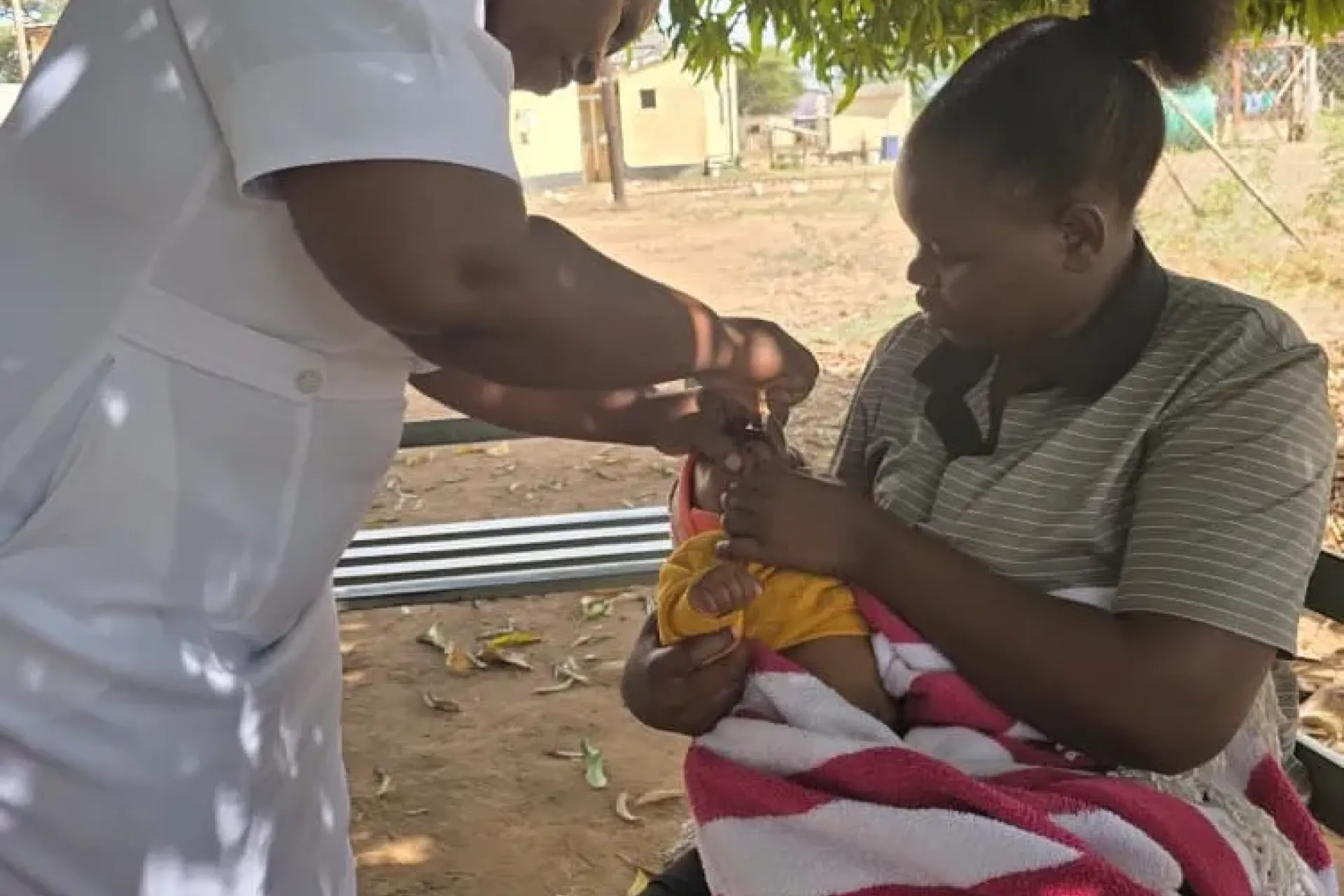
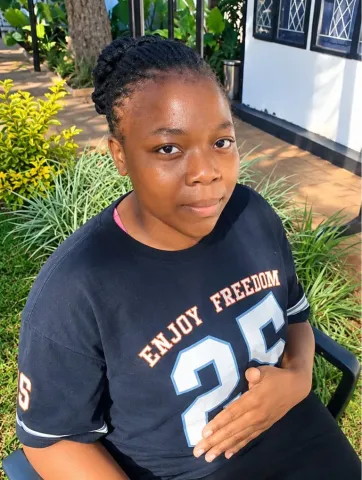
In Gatu Township, Senzeni Wayela, a Village Health Worker (VHW), walks from house to house, calling out to caregivers to bring their children for polio vaccination. She has no megaphone, just her voice and determination.
“I chose to be a VHW from the heart,” she said. “We do have a megaphone, but it has no batteries, so I use my voice. When these campaigns come, I am happy as they help protect our children.”
She has been a VHW since 2020 and was only recently trained in 2025. Despite early challenges, she remains committed to educating caregivers on prevention.
“Most people accept vaccination,” she said. “A few hesitate, often for religious reasons, but through continued engagement, many eventually come, even if quietly.”
Across Zimbabwe, similar efforts are driving demand for vaccination during the second round of the novel oral polio vaccine type 2 (nOPV2) campaign from 2–5 June 2026 as part of a synchronised subregional polio outbreak response to ongoing poliovirus transmission in southern Africa.
The campaign was prompted by the detection of circulating vaccine-derived poliovirus type 2 (cVDPV2) in Malawi in December 2025, which was genetically linked to earlier transmission in Zimbabwe, highlighting continued cross-border spread. With high population mobility across Malawi, Mozambique, Zambia and Zimbabwe, the risk of silent transmission remains significant, particularly given evidence that the virus may have been circulating undetected for nearly two years.
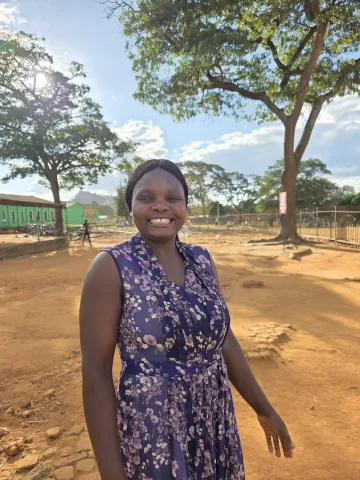
For Clara Sanangura, a VHW under Hwata Clinic since 2010, persistence is key.
“It is not easy being a Village Health worker, people do not always accept advice,” she said. “But I sit with them and explain that their child is also mine. Their health must come first. In the end, they agree.”
Her approach has built trust over time. “In my village, there are now no people refusing vaccination.”
Community-led strategies are helping to address hesitancy. Environmental Health Technician Sande Chakanetsa, who has served since 2000, coordinates social mobilisation in Muzarabani.
“We used to face resistance due to religion,” he said. “Now we include church members in health centre committees. When people see familiar faces, they become more open. We have seen real change.”
Health workers continue to reinforce the importance of vaccination, particularly given regional risks.
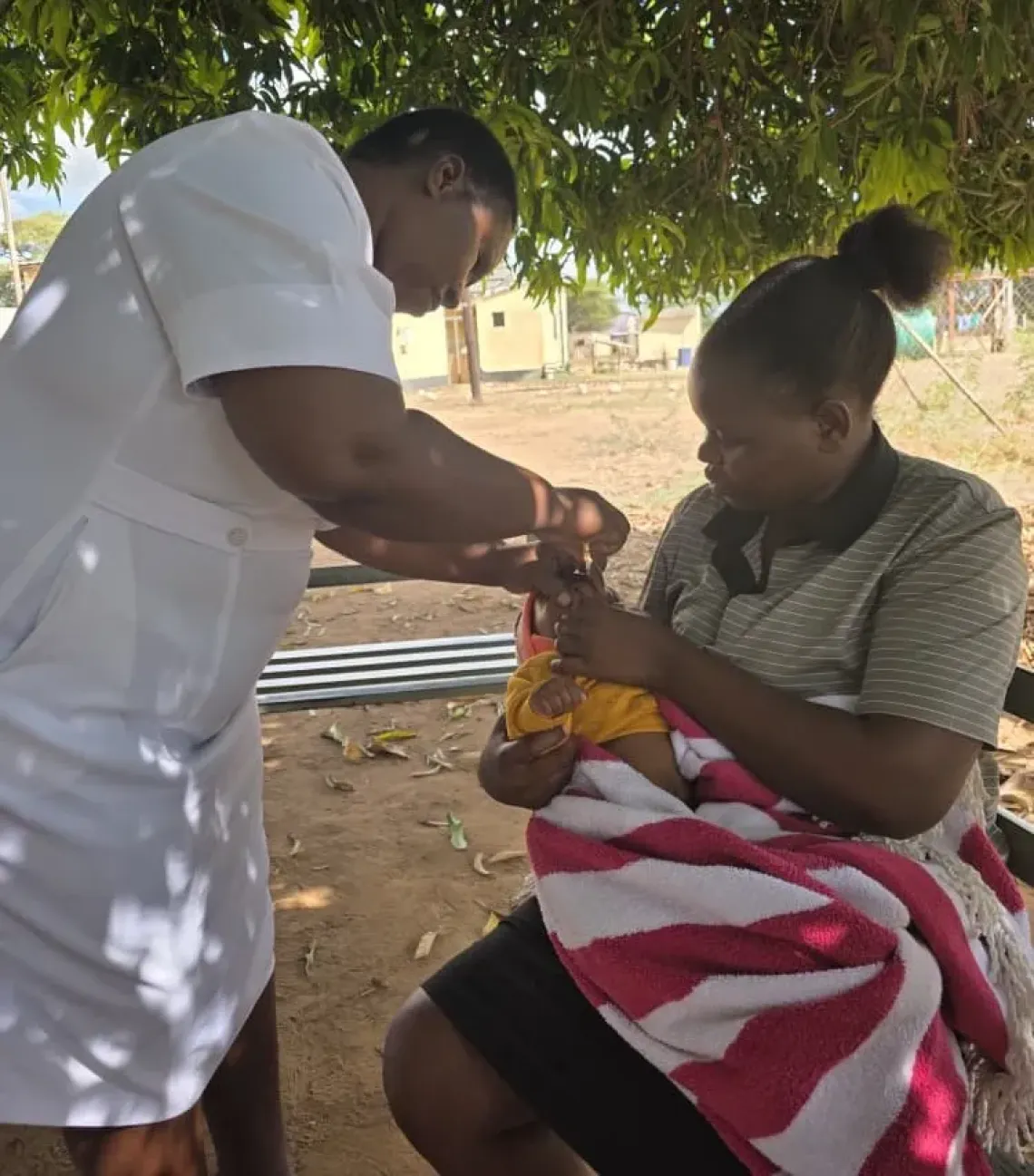
“We explain that neighbouring countries have outbreaks, and there is risk of cross-border transmission,” said Ruth Mumiriki, nurse in charge at Muzarabani Clinic in Muzarabani District. “Caregivers are willing, we have a duty to support them.”
As part of this response, Zimbabwe targeted 945,552 children under five years of age, representing 44 per cent of the national under-five population, across 20 high-risk rural border districts as well as Harare and Bulawayo Metropolitan Provinces.
The campaign aimed to rapidly boost immunity among at-risk children, interrupt transmission, and protect communities from further spread.
Led by the Ministry of Health and Child Care, the campaign was implemented with technical support from WHO, UNICEF and partners, and funding from The Global Polio Eradication Initiative (GPEI) partners: the World Health Organization (WHO), Rotary International, the US Centers for Disease Control and Prevention (CDC), the United Nations Children’s Fund (UNICEF), Gates Foundation and Gavi, and the Vaccine Alliance.
At the facility level, staff provide information on benefits, potential adverse events following immunisation (AEFIs), and when to seek care.
For caregivers like Lizzie Mazivanhanga from Mbire District, this information builds confidence.
“I heard about the campaign through Facebook, the clinic and the VHW,” she said. “I am happy my son has been vaccinated. The health workers explained everything, what to expect and how to monitor him after vaccination.”
Her message to other parents is clear:
“If you have the opportunity, protect your child. If you are unsure, ask health workers. For every generation, vaccines work.”
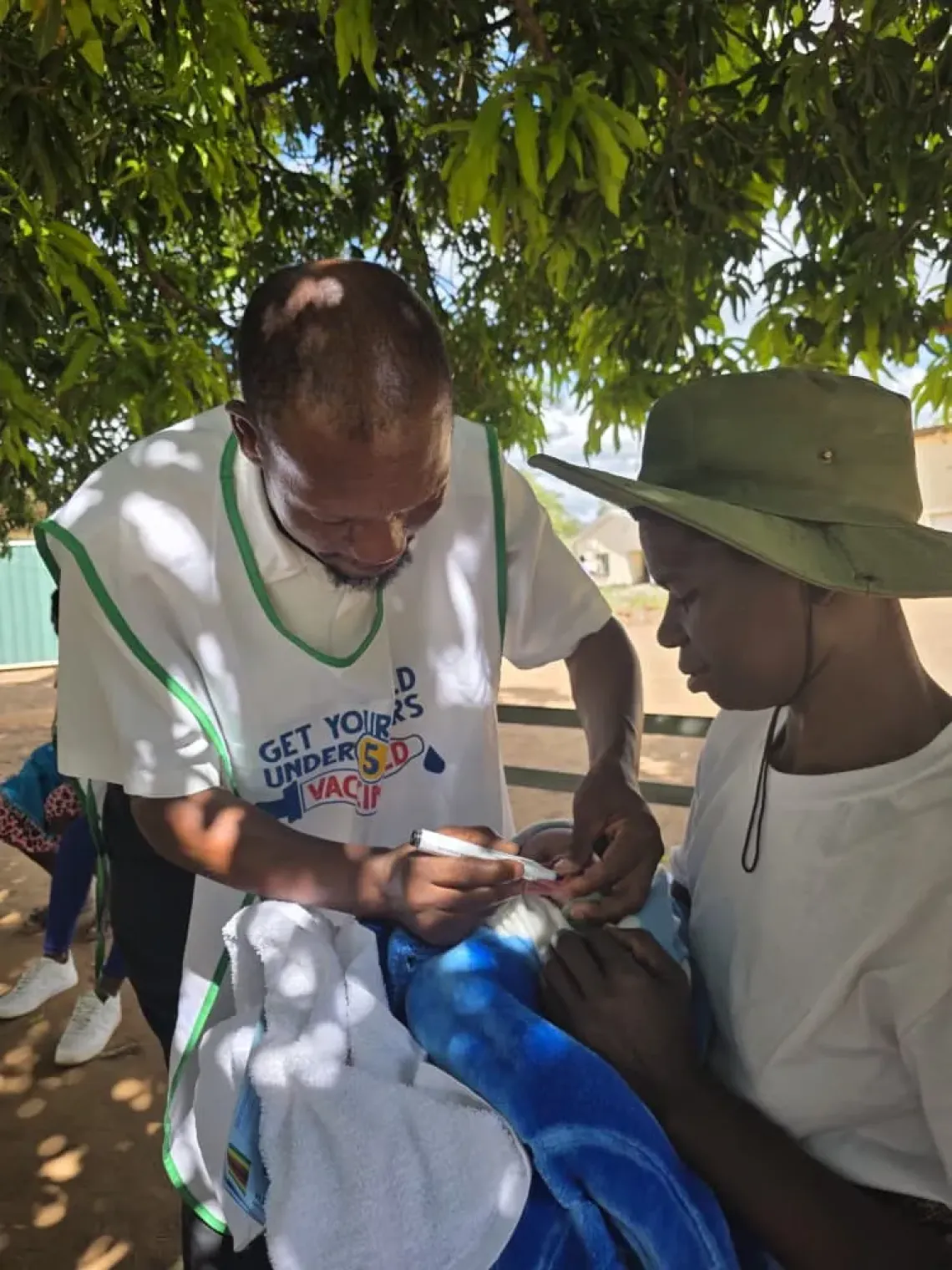
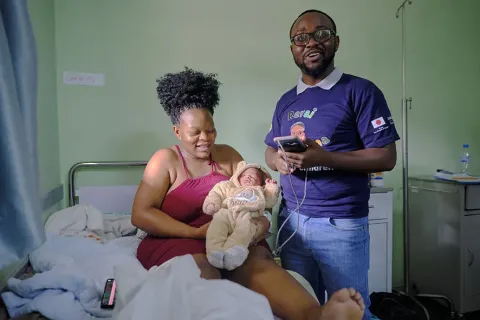
Mama Zane, 26, was smiling with relief as her five-month-old son received his polio vaccine at Muzarabani Clinic.
“I am happy my baby is protected,” she said. “I will make sure he comes on time for every vaccination he needs.”
Healthcare workers also see vaccination as a shared responsibility.
Parwaringira, who has worked as a nurse aide at Hwata Clinic since 2020, described fulfilling a lifelong dream.
“I always wanted to be a nurse,” he said. “Now I educate parents daily. People are receptive, and that makes me proud. I encourage all parents to vaccinate their children before they get sick.”
For others, the role is rooted in long-standing commitment. Midlands Kaumburuke, a VHW since 2015, was elected by his community.
“I have always been passionate about health and helping others,” he said. “There was a gap between the community and the health system, and I wanted to bridge it.”
His message is urgent: “Polio is a dangerous disease. Get your child vaccinated today.”
Harare and Bulawayo were included in the campaign because, as Zimbabwe’s largest urban centres, they are high-risk areas for rapid virus transmission due to dense populations and high mobility. Both cities are major transport and economic hubs, with frequent movement of people to and from neighbouring countries and across districts, increasing the likelihood of importing and spreading poliovirus.
Together, these voices tell a powerful story of collective action: from health workers walking long distances and engaging hesitant families, to caregivers choosing protection for their children. Through trust, persistence and community leadership, they are closing immunity gaps and ensuring every child is reached. With continued commitment, communities can protect their children and bring Zimbabwe closer to a polio-free future -one vaccinated child at a time.