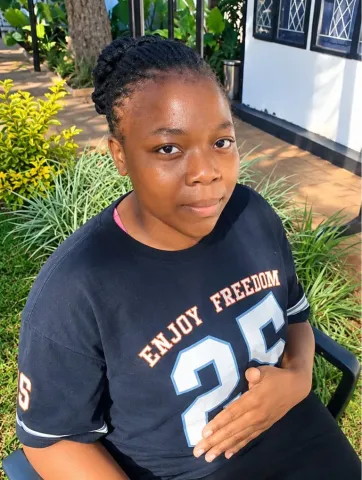
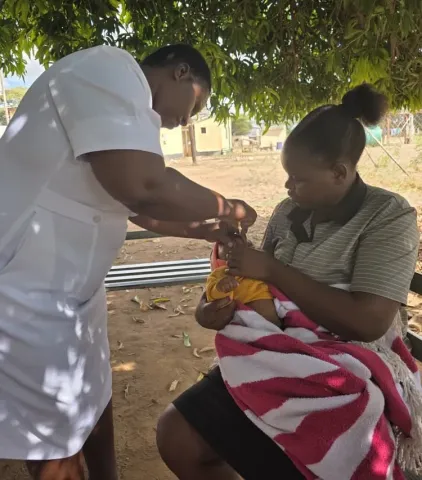
Evelyn’s journey to serve her commmunity as a Village Health Worker in Zimbabwe
“Many people in my community are unwell, and I used to feel helpless. Now I am learning how to support them immediately and refer them in time to the health centre.”
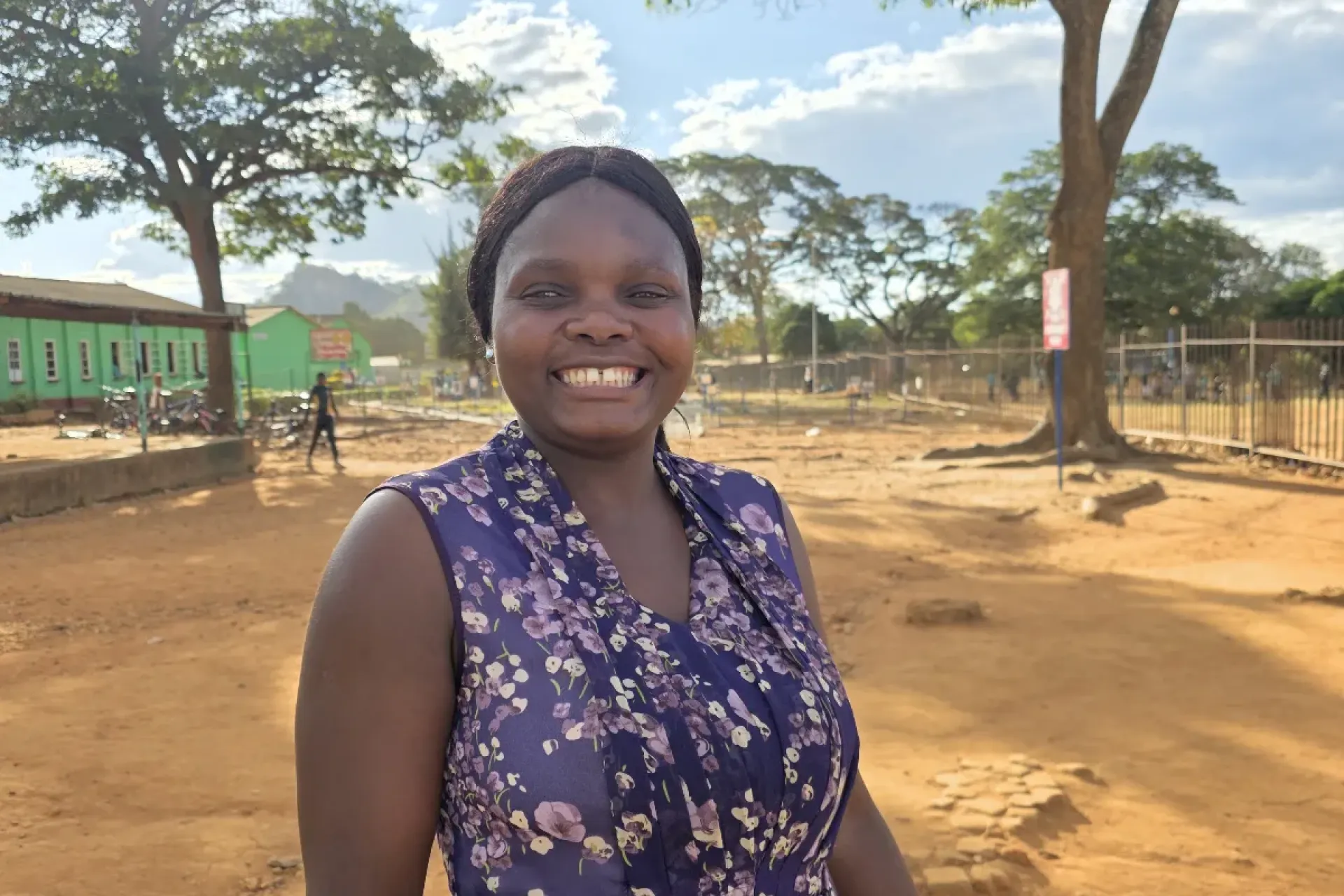
Evelyn Katandika’s joy was unmistakable. She could barely stand still as she shared her experience of training as a Village Health Worker (VHW) in Centenary District. Her smile spoke before her words, radiating hope, pride and purpose.
“I can hardly contain my joy! Some in our group have waited over ten years for this training. I was appointed as an Acting VHW in May, and I am already in training. I feel fortunate and ready to serve my community, she said
At 32, Evelyn is among 3,215 participants (258 males, 2957 females) who attended a 15-day VHW pre-service training implemented by the Ministry of Health and Child Care (MOHCC) in collaboration with the United Nations Children’s Fund (UNICEF) and funding from the Mastercard Foundation. The training ran from 29 May to 18 June and spanned nine provinces and 49 districts.
Hailing from St Alberts Drummond Farm in Centenary district, Evelyn reflected on the impact this opportunity will have in her community:
“Many people in my community are unwell, and I used to feel helpless. Now I am learning how to support them immediately and refer them in time to the health centre.”
Evelyn’s motivation is deeply personal. She recalls a tragic experience that shaped her decision to become a VHW:
“I once had malaria during pregnancy but did not recognise the symptoms. I delayed seeking help until it was too late, and I lost my baby. With the knowledge I have now, I would have acted differently.”
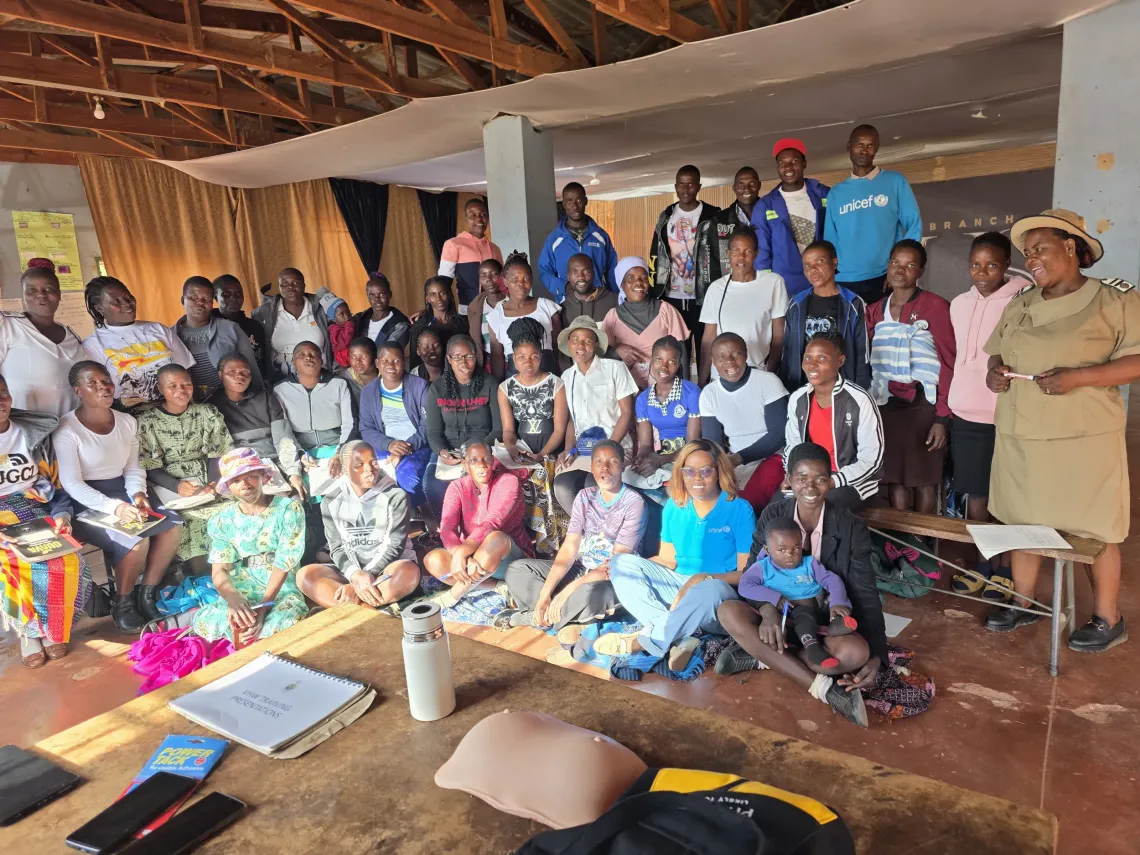
The training aligns with Zimbabwe’s National Community Health Strategy and the Government of Zimbabwe’s goal of having at least 40,000 VHWs by 2030, strengthening access to essential health services and advancing universal health coverage. The funding support from the Mastercard Foundation is part of the Mastercard Foundation’s Community Health Workforce Development Programme, which supports African governments to expand and professionalise community health systems.
Village Health Workers are community-based volunteers who serve as a vital link between families and the health system. They promote healthy behaviours, provide basic care and referrals, support immunisation and disease surveillance, and help ensure treatment adherence, especially for vulnerable populations in remote areas.
The training equips VHWs with essential skills to deliver integrated primary health care at community level. Participants are trained in disease prevention, health promotion, and early identification of danger signs, with a focus on malaria, HIV, TB, maternal, newborn, and child health, and nutrition. The programme also strengthens communication for behaviour change, ethical practice, and accurate data reporting. Overall, the training empowers VHWs to act as a critical link between households and health facilities.
Zimbabwe’s Village Health Worker (VHW) programme dates to the early 1980s, following the country’s adoption of a Primary Health Care approach aimed at extending basic services to rural and underserved communities. The Government formally launched the programme in 1981 to bridge critical gaps in access to care, particularly in areas with limited health infrastructure.
Over the decades, VHWs have become a cornerstone of the health system, serving as the first point of contact for many households and playing a vital role in health promotion, disease prevention and community-based care. They provide services ranging from health education and maternal and child health support to the management of common illnesses such as malaria and diarrhoea, as well as referrals for more complex conditions. Their contribution has been instrumental in improving key health indicators, including increased immunisation coverage, early uptake of antenatal care, and strengthened disease surveillance, particularly in hard-to-reach areas.
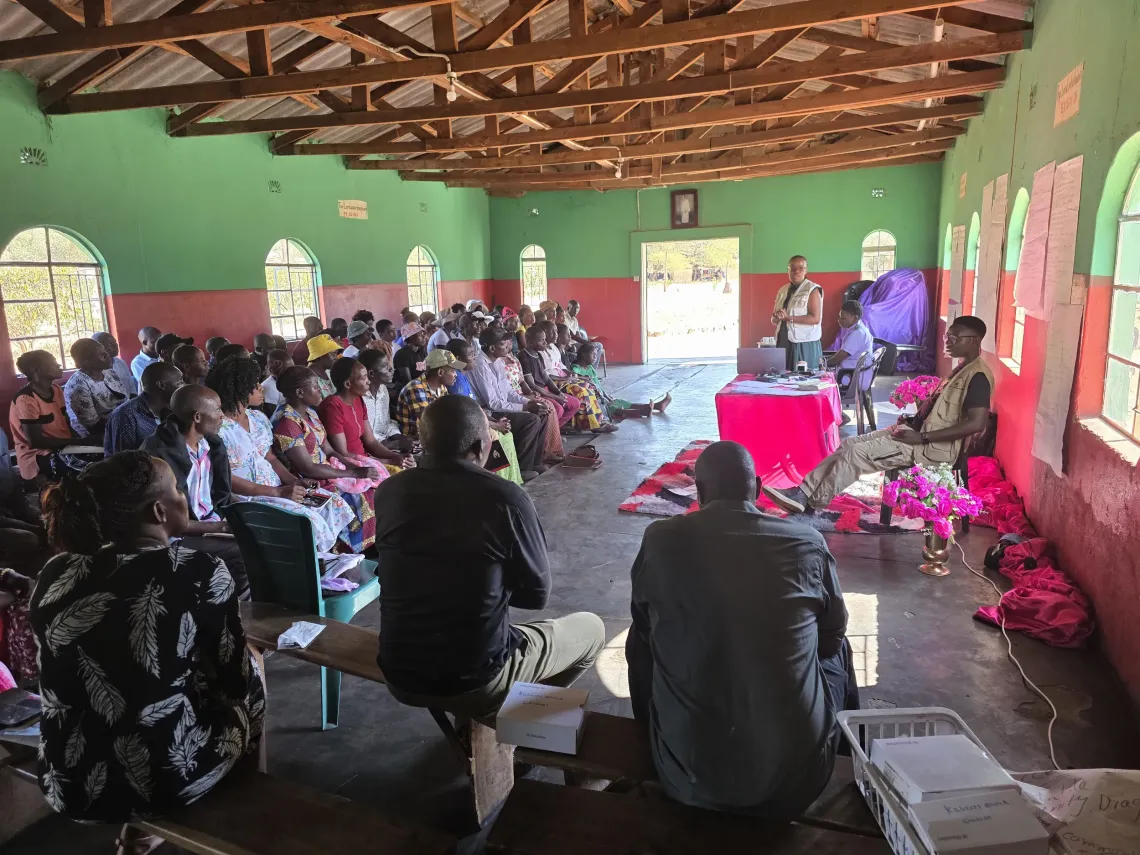
Despite these achievements, VHWs continue to face persistent challenges that affect their effectiveness and sustainability. Training has been inconsistent, with long gaps between pre-service and refresher courses, leaving some VHWs operating with limited knowledge. VHW stipends are low, inconsistently funded and have been heavily dependent on partner support. In addition, implementation of duties is constrained by limited resources, including limited medical supplies and equipment, transport and supervision, as well as the expectation to cover large and often remote catchment areas. These challenges emphasise the need for sustained investment in community health systems strengthening, including training, support for medical supplies and equipment, and strengthened integration of VHWs into the formal health system to maximise their impact and ensure no community is left behind.
In Mbire District, District Nursing Officer Chipokosa welcomed the initiative: “We have not conducted VHW training since 2014. Many have been working as acting VHWs without formal training, so this programme is long overdue. However, more VHWs still need to be trained.”
Community Health Nurse Mr Chibika highlighted the unique challenges faced in Mbire district:
“The distances between villages are vast, making it difficult for one VHW to serve multiple communities. While this training is encouraging, only 230 of our 731 villages will have trained VHWs afterwards. We need continued investment.”
In Centenary, Community Health Nurse Marble Zimbeva echoed similar sentiments:
“Even after previous training in late 2024, there were still many acting VHWs that were untrained, some for over a decade. Their excitement reflects how important and overdue this training is.”
Within just one week, Evelyn is already seeing the difference:
“I have learnt about cervical cancer, its signs and early detection through VIAC, and my role in promoting screening, vaccination and early treatment. Before, I had very limited knowledge, but now I am empowered, and my whole community will benefit.”
Across Zimbabwe, stories like Evelyn’s highlight the transformative impact of investing in community health systems. By equipping Village Health Workers with timely knowledge and practical skills, MOHCC, UNICEF, and its partners are strengthening the frontline of care, ensuring that even the most remote communities can access life-saving information and services. With every trained VHW, the gap between households and health facilities narrows, bringing Zimbabwe closer to a future where preventable deaths are avoided, and no one is left behind.