How a National Health Partnership Reaches Priscilla’s Doorstep in Zimbabwe
Every month, the long journey to the clinic is filled with quiet anxiety: will the life-saving medication she needs be in stock this time?
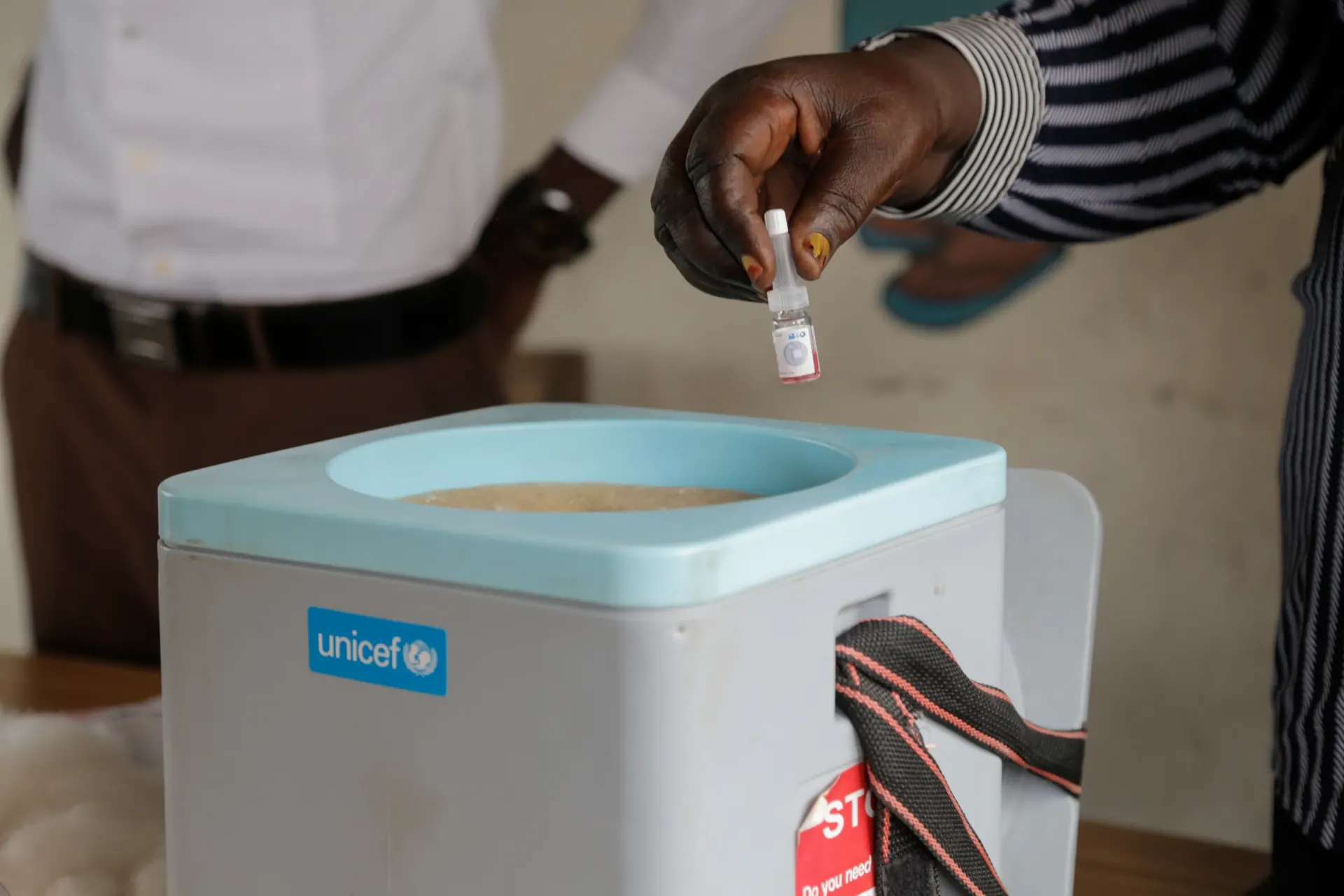
For Priscilla Hungwe, life in Hurungwe, nearly 400 kilometres from Harare, is a delicate balance. Living with a chronic illness means her well-being depends on the consistent availability of medicines at her small, local clinic. Every month, the long journey to the clinic is filled with quiet anxiety: will the life-saving medication she needs be in stock this time? For Priscilla, and thousands like her, a simple stock-out isn’t an inconvenience; it’s a crisis.
This is the reality that the Ministry of Health and Child Care, with support from UNICEF, is determined to change.
Before, the challenges within Zimbabwe’s health products supply chain were known but not fully understood. Mr Boniface Machingauta the Deputy Director of Pharmacy Services Department, Ministry of Health and Child Care had this to say, “We had a general sense of the challengesstock-outs, delays, technical challenges, chronic underfunding,” “But our understanding of these challenges was fragmented across government and partners.”
The system needed more than just funding; it required a deep, unflinching analysis to diagnose the root causes of its issues. This is where a transformative partnership began.
“The support we received was transformative,” states Boniface Machingauta, Deputy Director of Pharmacy Services at the Ministry of Health and Child Care. “It was not just a financial contribution, but a true technical contribution.”

With the technical support provided by UNICEF, the Ministry embarked on a “brutally honest and comprehensive assessment” of its entire national supply chain system. The Supply Chain Maturity Assessment helps to evaluate the maturity of Zimbabwe’s health products supply chain by analyzing key components which include governance, logistics, information systems, human resources, financial sustainability, and risk management. The findings help in developing targeted interventions to strengthen supply chain performance. The UNICEF Supply Chain Maturity Model covered all levels of the supply chain, including Central Medical Stores (National Pharmaceutical Company, NatPharm) warehousing, distribution and health facilities
Crucially, this was not an external audit imposed upon the government. “UNICEF went on paths ensuring the process was efficiently run and led by the Ministry,” says Machingauta. “They built our capacity throughout the process, meaning our own staff can now monitor and routinely assess these metrics going forward.”
The assessment delivered two important results.
First, it provided a precise diagnosis. “We now have a holistic, evidence-based overview of our entire system—from maturity and storage capacity to human resources,” says Dube, the Supply Chain Management Advisor. A unified, data-driven understanding of both weaknesses and strengths will inform the supply chain systems strengthening agenda as the next step.
Second, it created a foundation for action. Armed with these assessment results, the Ministry can now make a compelling investment case. “This evidence will assist us in our discussions with the Treasury for budget allocation and targeted support from partners,” Machingauta further notes. Anecdotes have been replaced with evidence, paving the way for strategic, effective change.
This journey has moved the Ministry “from not knowing what we don’t know to having a clear plan of what must be achieved,” explains Machingauta. The path forward is clear, focusing on targeted investments, robust monitoring and accountability, and continued collaboration.

With the technical support provided by UNICEF, the Ministry embarked on a “brutally honest and comprehensive assessment” of its entire national supply chain system. The Supply Chain Maturity Assessment helps to evaluate the maturity of Zimbabwe’s health products supply chain by analyzing key components which include governance, logistics, information systems, human resources, financial sustainability, and risk management. The findings help in developing targeted interventions to strengthen supply chain performance. The UNICEF Supply Chain Maturity Model covered all levels of the supply chain, including Central Medical Stores (National Pharmaceutical Company, NatPharm) warehousing, distribution and health facilities
Crucially, this was not an external audit imposed upon the government. “UNICEF went on paths ensuring the process was efficiently run and led by the Ministry,” says Machingauta. “They built our capacity throughout the process, meaning our own staff can now monitor and routinely assess these metrics going forward.”
The assessment delivered two important results.
First, it provided a precise diagnosis. “We now have a holistic, evidence-based overview of our entire system—from maturity and storage capacity to human resources,” says Dube, the Supply Chain Management Advisor. A unified, data-driven understanding of both weaknesses and strengths will inform the supply chain systems strengthening agenda as the next step.
Second, it created a foundation for action. Armed with these assessment results, the Ministry can now make a compelling investment case. “This evidence will assist us in our discussions with the Treasury for budget allocation and targeted support from partners,” Machingauta further notes. Anecdotes have been replaced with evidence, paving the way for strategic, effective change.
This journey has moved the Ministry “from not knowing what we don’t know to having a clear plan of what must be achieved,” explains Machingauta. The path forward is clear, focusing on targeted investments, robust monitoring and accountability, and continued collaboration.