Cholera kits save lives in Mukaradzi mining community
“l nearly lost my life. I was throwing up and had diarrhoea when l got to the hospital. I was admitted and stayed in hospital for three days.”

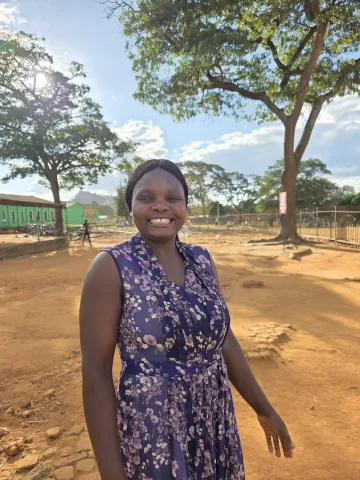
Mukaradzi is about 10 kilometres southeast of Mount Darwin, Zimbabwe. It has rich gold deposits that artisanal miners have exploited since the 1980s.
Close to two thousand people camp in this area for survival, engaging in artisanal mining and vending.
In this quest for a quick buck, the influx of people to this mining area without a formal health system in place has led to overcrowding and strained resources, thereby exacerbating the already fragile health situation.
Poor sanitation and lack of clean water access only worsen the situation.
For this reason, over the years, the Mukaradzi mining community has been plagued by cholera outbreaks.
The latest cholera outbreak to sweep across the area started in February 2023. It only subsided in June 2024 after UNICEF and its partners supported the Government of Zimbabwe by providing multi-sectoral interventions for the at-risk artisanal mining population.
As part of efforts to fight cholera in Mukaradzi and the nearby Yemurai A Village, UNICEF supplied 200 non-food items (NFI) kits in June 2024, which were distributed with the help of Welthungerhilfe (WHH) and the Ministry of Health and Child Care.
These kits covered a family of 710 and could not cater to all the artisanal miners in the targeted area. Officials are calling for more to ensure the sustainability of cholera prevention in Mukaradzi.
“The Mukaradzi mining community is vulnerable to cholera outbreaks due to a lack of ablution facilities and clean water. Due to this, Mukaradzi recorded the highest number of cholera cases in the district,” said Peter Gonzo, Mt Darwin’s acting district environmental health officer under the Ministry of Health and Child Care.
“During the outbreak from February 2023 to June 2024, Mukaradzi contributed about 70 per cent of the cases recorded in Mt Darwin District. The peak period for the cholera outbreak was between mid-March and the end of April 2024.
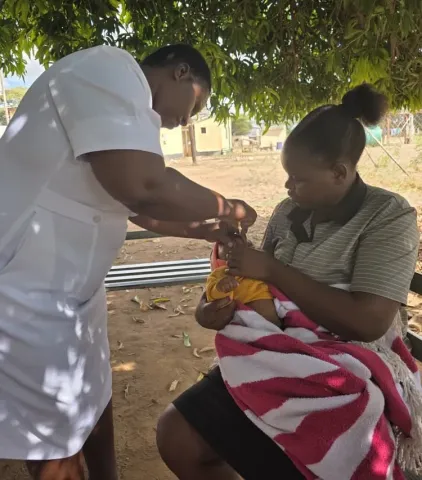
“UNICEF partnered with us to distribute NFI kits, and we conducted health education awareness campaigns on how to prevent and treat cholera. This helped in arresting the situation,” he said.
The NFI kits comprised a 10-litre jerry can, 1 kg multi-purpose laundry bar, water guard, 1 litre graduated jug, oral rehydration salt sachets, a backpack, and a flyer with health education.
Beneficiaries were explained the use of each item in detail, and they were advised that it was their responsibility to replenish the NFI kit to ensure the sustainability of cholera prevention and control.

“These items are vital in treating cholera and preventing its spread as they help individuals stay hydrated and maintain good hygiene practices. The kit also serves as a valuable resource for educating the community on the importance of clean water and sanitation. Safe water and sanitation are critical in preventing and controlling cholera transmission.
“Environmental health technicians, village health workers, and chairpersons of the mining claims helped us identify and sign up the beneficiaries. Initially, we considered people from the claims, but we broadened it to include the nomadic artisanal miners. The artisanal miners welcomed the program with smiles and thanked UNICEF and the Government,” said Gonzo.
Members from the Marange apostolic sect, both at Mukaradzi mining area and in Yemurai Village, benefited from the. Ministry of Health officials said this was a milestone as part of this constituency, which abhors which abhors medical interventions.
Amid the outbreak, the NFI kits empowered and restored community members’ hope, enabling them to enhance their hygiene practices and treat their drinking water.
One of the beneficiaries, Andrew Bikironi, said that during the eight months he has worked at CUT199 in Mukaradzi, he has seen the brunt of cholera and is happy that the NFI kits helped to contain the situation.
“I used to hear about the cholera situation in Mukaradzi before l moved to this place, but when l came here, l came here, l witnessed the situation problem, but when l came here, l witnessed the situation, and it was a sorry sight.
“l even took some colleagues to hospital. Others survived, but some succumbed to cholera.
“These hygiene kits have been handy in managing the cholera situation here. I have stepped in to educate others on the need for good hygiene because prevention is better than cure,” said Bikironi.
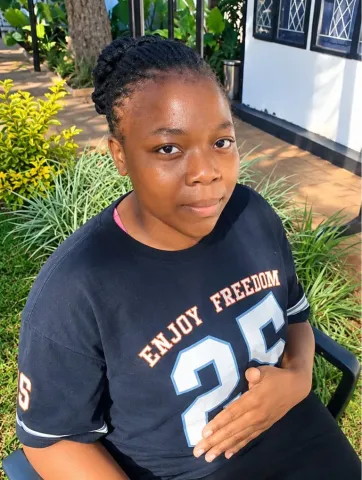
Locadia Mutingwende, an artisanal miner who is a cholera survivor, said she escaped death by a whisker.
“That was a close shave. l nearly lost my life. I was throwing up and had diarrhoea when l went to the hospital. I was admitted and stayed in the hospital for three days. During that time, l got four intravenous drips.
“Ever since then, l am more careful about how l handle my food and the water l drink,” she said.
Officials have indicated that post-distribution monitoring, which began in mid-July, might be challenging as the beneficiaries are nomadic gold miners. Some might have moved to other gold mining claims already.
UNICEF’s cholera response is funded by multiple donors, including the Centre for Disease Control and Prevention (CDC); the European Civil Protection and Humanitarian Aid Operations (ECHO); the Health Resilience Fund (HRF), a Zimbabwean pooled fund supported by the Governments of Ireland, the United Kingdom, the European Union, and GAVI, the Vaccine Alliance; Japan; the UN Central Emergency Response Fund (CERF) and UNICEF Global Humanitarian Funding, and with in-kind support from private sector partners such as Alliance Media & JCDecaux for digital billboards, and Cash-In-Kind logistics support for commodities from United Parcel Service (UPS) Foundation.