Bringing Life-saving Vaccines Closer to Children
How local investment is helping health workers reach children in hard-to-reach communities in Chasefu

Chasefu District, September 2026 --
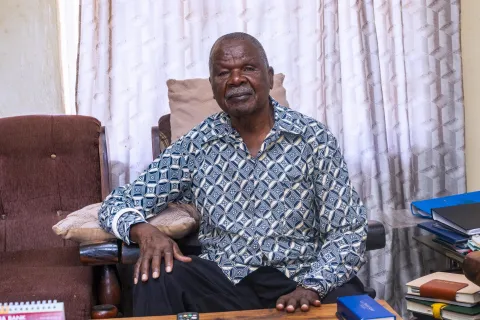
“Every child deserves protection. If even one child is left unvaccinated, the whole community remains at risk.” — said Moffat Banda, 51, headman at the Katabdula village.
In Chasefu District, Eastern Province, the story of routine immunization has long been marked by struggles. Health workers tasked with vaccinating children under five often faced the impossible: reaching villages tucked deep in rugged terrain without reliable transport.
Some walked for hours, carrying vaccine carriers under the scorching sun. Others borrowed bicycles or hired motorbikes. By the time they arrived, exhaustion had set in, and sometimes vaccines had lost potency due to delays. Mothers waited anxiously, only to be told that the outreach team could not make it.
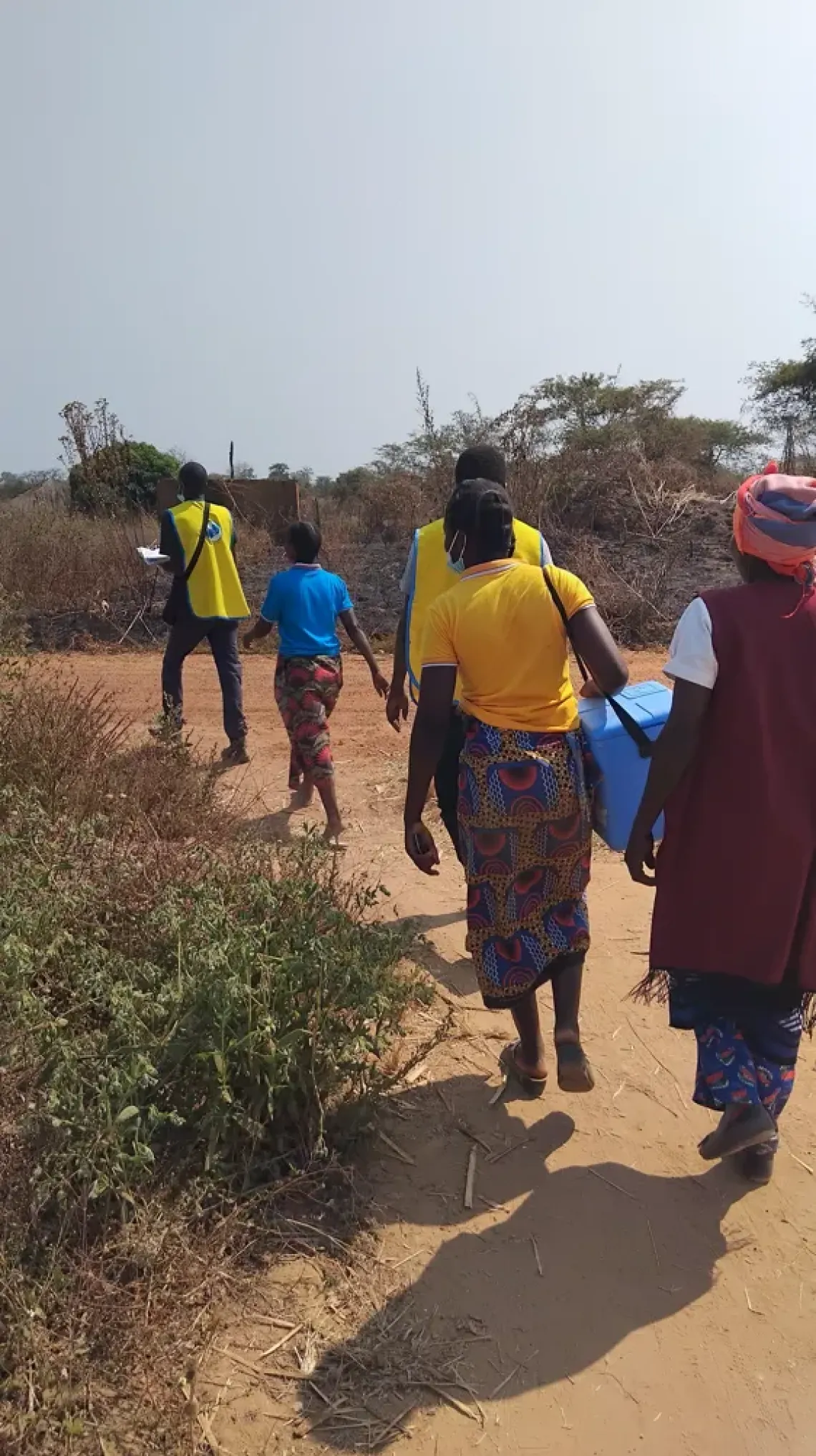
The consequence was stark: low immunization coverage. Children in hard-to-reach areas remained vulnerable to measles, polio, tuberculosis, and other preventable diseases.
Chasefu District Health Office, working closely with the Luwelezi Ward Development Committee (WDC), knew transport was the missing link. Rather than accept defeat, they turned to the Constituency Development Fund (CDF), a government mechanism designed to support local development priorities.
Luwelezi Ward took the bold step of applying for funds to procure 10 motorbikes for rural health facilities. The vision was clear: empower health workers with mobility to reach every child, no matter how far.
The application process required careful justification. District officials and the Luwelezi WDC documented the transport challenges, the impact on immunization coverage, and the stories of mothers whose children missed vaccines. They argued that motorbikes would directly improve health outcomes by reducing missed outreach sessions.
Approval was granted, and procurement is now underway. The motorbikes have not yet arrived, but the anticipation is palpable. Health workers, mothers, and community leaders alike see this as a turning point.
This decision brings hope. For years, mothers have struggled to get vaccines for their children—soon, that will change.
said Fatness Phiri, community member at the Katandula village.
Though the motorbikes are still in the process of being procured, their expected impact is already inspiring hope. Health workers will ride to distant communities in minutes instead of walking for hours. More children under five will be able to be reached, helping catch up with immunization rates. Vaccinators will carry vaccines, registers, and supplies with ease. Staff will feel empowered, knowing they have the tools to do their job effectively.

My child missed vaccines twice because the health workers could not come. I am happy to hear they will soon have motorbikes. It means my child will be safe.
— said Lovenes Manda.
Beyond immunization improvements, the motorbikes are likely to bring benefits to the entire health system. Pregnant women in remote areas will be able to be visited more frequently. Healthcare workers and community-based volunteers will likely be able to respond faster to outbreaks of measles or cholera. Villagers will see health workers arriving regularly, building confidence in the health system.
At its core, it is about people. It is about the mother who will no longer fear losing her child to preventable disease. It is about the health worker who will no longer feel helpless because of lack of transport. It is about a ward that chose action over despair. The motorbikes symbolize resilience, innovation, and commitment. They show that with the right support, even small interventions can have a big impact.
Of course, challenges remain. Fuel costs must be budgeted, maintenance requires resources, and some areas are still too rugged for motorbikes. But the progress is undeniable. Immunization coverage is expected to improve significantly once the procurement is complete.
The Chasefu experience offers valuable lessons for other wards and districts, demonstrating the importance of locally driven solutions, investment in essential resources, and strong partnerships. By leveraging the Constituency Development Fund (CDF) to address health priorities, communities can take ownership of their development and respond to local needs. Reliable transport is equally critical to ensuring that health services reach those who need them most, particularly in hard-to-reach areas. Ultimately, the experience highlights how collaboration between government, communities, and development partners can unlock practical, sustainable solutions to strengthen healthcare delivery.
The Constituency Development Fund (CDF) in Zambia is a government initiative designed to decentralize development financing, empower local communities, and address grassroots needs through constituency-based projects. It plays a critical role in bridging service delivery gaps, especially in health, education, and infrastructure.
With support from Gavi, UNICEF is helping the Government of Zambia strengthen routine immunization by supporting the procurement of vaccines, improving cold-chain systems, including the solarization of cold-chain equipment, and providing motorbikes to facilitate the movement of health workers and other service providers. Together, these investments are helping vaccines remain safely stored and transported, while enabling frontline workers to reach more children, including those living in remote and hard-to-reach communities.