Community Leadership at the Heart of Immunization
How Traditional, Faith and Community Leadership Help Community Healthcare Reach Every Child
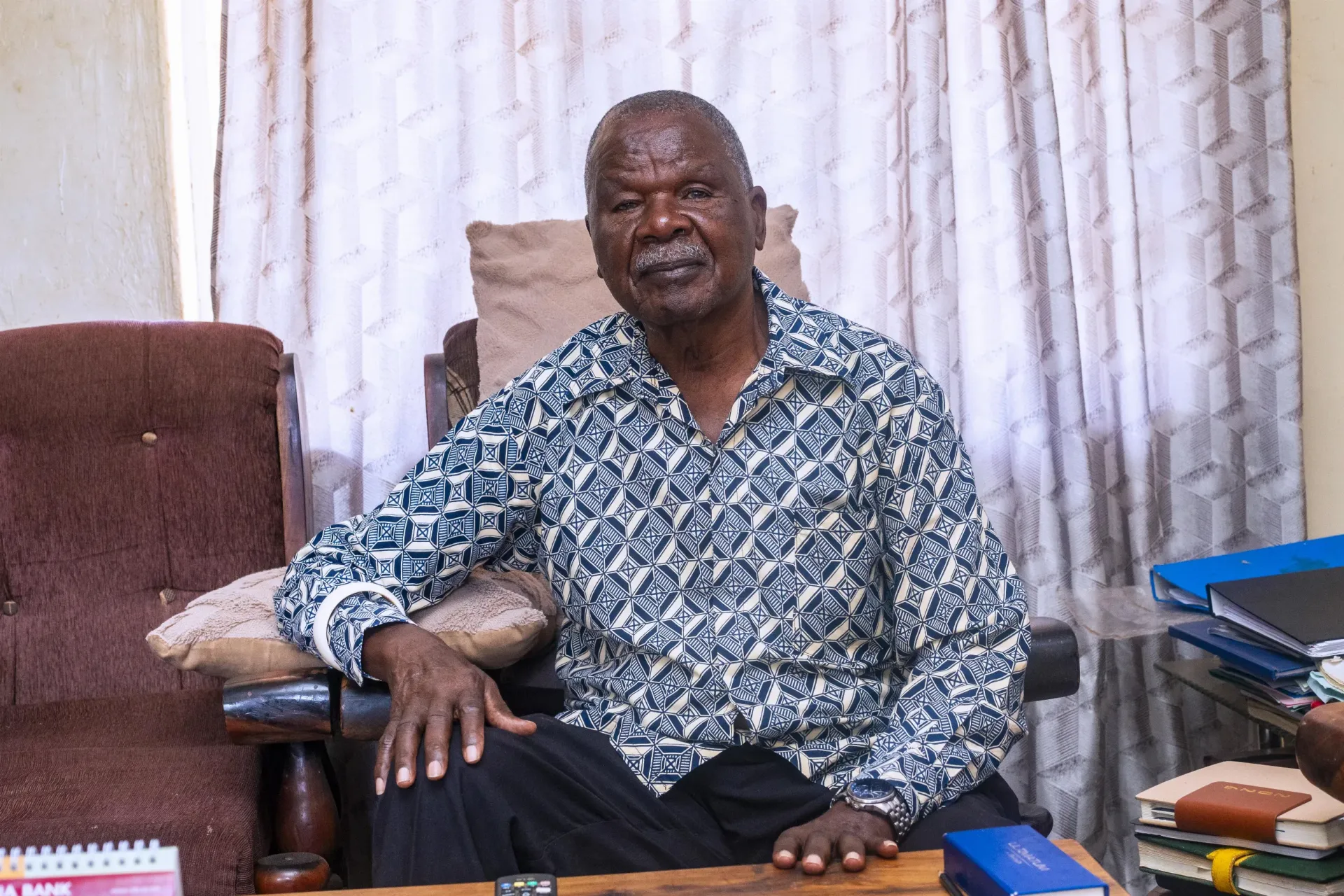
Choma District, Zambia, April 2026 - “As a traditional leader, I must do all I can to help my people. I’ll tell my headmen to inform the people about the campaign against polio. Let all the children come so they can be protected and healthy,” said His Royal Highness Chief Macha of Choma in Southern Province, during an engagement with UNICEF Zambia and Ministry of Health Zambia staff held at the Chief’s Palace in Choma.
Chief Macha is passionate about securing the health and wellbeing of his community. He uses his leadership to ensure all those living in Macha access the health services they need, including vaccinations against preventable diseases such as polio. During the polio campaign implemented in April in six provinces of Zambia, including Southern Province, Chief Macha was greatly encouraged by the work done by the Ministry of Health Zambia to reach as many children under five as possible in his chiefdom.
He advised the implementing teams that while the door-to-door strategy is effective, he can invite his subjects to community gatherings where children and their caregivers can come in large numbers and receive the immunizations at a central place, thus reaching even more children.
Chief Macha’s passion for his community is a good example of how leadership can elevate the implementation of community healthcare and key vaccination initiatives like the polio campaign.
Knowing how impactful it is to harness the influence of leaders in the community, the Ministry of Health Zambia Provincial Health Office engaged religious leaders of various faiths, such as the Seventh Day Adventist (SDA), Pentecostal, Catholic and other faiths, to ensure they had the right information about the polio campaign.
The people we lead value what we say as spiritual leaders. If we have doubts, that doubt will be carried out by the people we lead in the community. What we approve, they’ll also approve.
By alerting faith leaders about the campaign and sharing accurate messages about the vaccine, its safety and efficacy, the Ministry of Health Zambia uses an influential platform to disseminate information about the polio vaccination campaign. Many churches are also very agreeable to using their gatherings and facilities as transit vaccination centers where many children who might have been missed at previous vaccination rounds at the household can be reached.
At the end of the polio campaign, healthcare workers from the Shampande Urban Health Centre were invited by the Kasensa SDA Church to vaccinate in the congregation children who might have been missed earlier in the week. This strategy was very impactful because an additional five children were vaccinated against polio at the church grounds, including four-year-old Famous Musaka, whose mother Chilala Chizongo attended church on Saturday but had been away from home all week and found out thatthe child-minder at home did not allow Famous to be vaccinated. Chilala asked the vaccination team to come to her house later to administer the vaccine to her son.


“To have a healthy church you have to have a healthy family, so it’s good if our church community can access health information from the church leaders,” said Evans Mukanda, a respected church leader at Kasensa SDA Church. These faith leaders agree that leadership at the community level should always be included when designing campaigns.
The first round of the sub‑national polio campaign was led by the Ministry of Health Zambia, with support from Global Polio Eradication Initiative (GPEI) partners, including WHO and UNICEF Zambia, Rotary International, and the generous financial support of the King Salman Humanitarian Aid and Relief Center (KSRelief) and the Kingdom of Saudi Arabia.
In its first phase, the campaign targeted six provinces across the country, including Choma in Southern Province, where Chief Macha is based. UNICEF is proud and grateful for its partnership with community leaders, whose leadership helps ensure that every child is reached with life‑saving vaccines that protect against life‑threatening diseases such as polio.