I Learned to Be Kind to Myself
João’s Journey with Mental Health
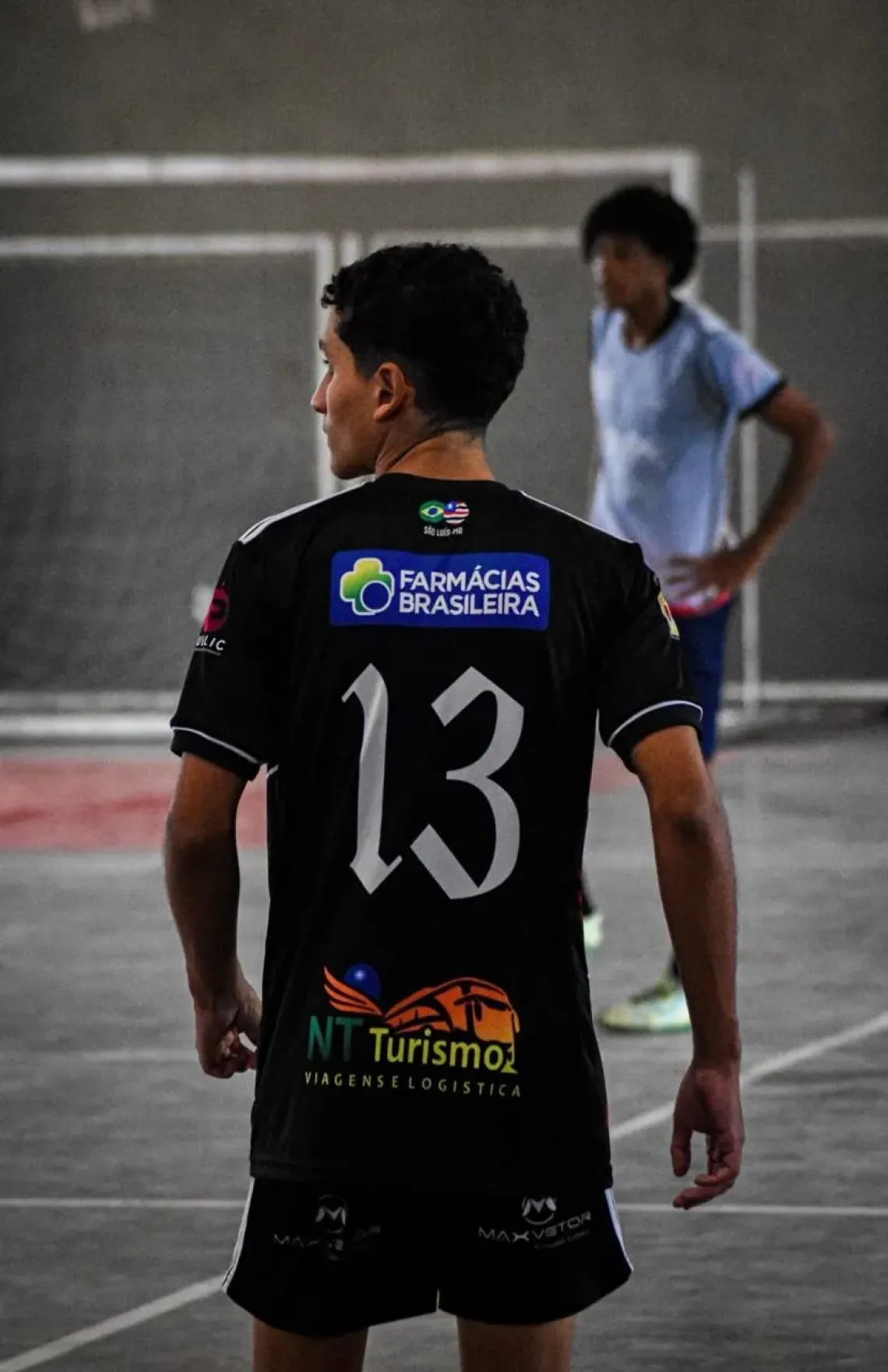
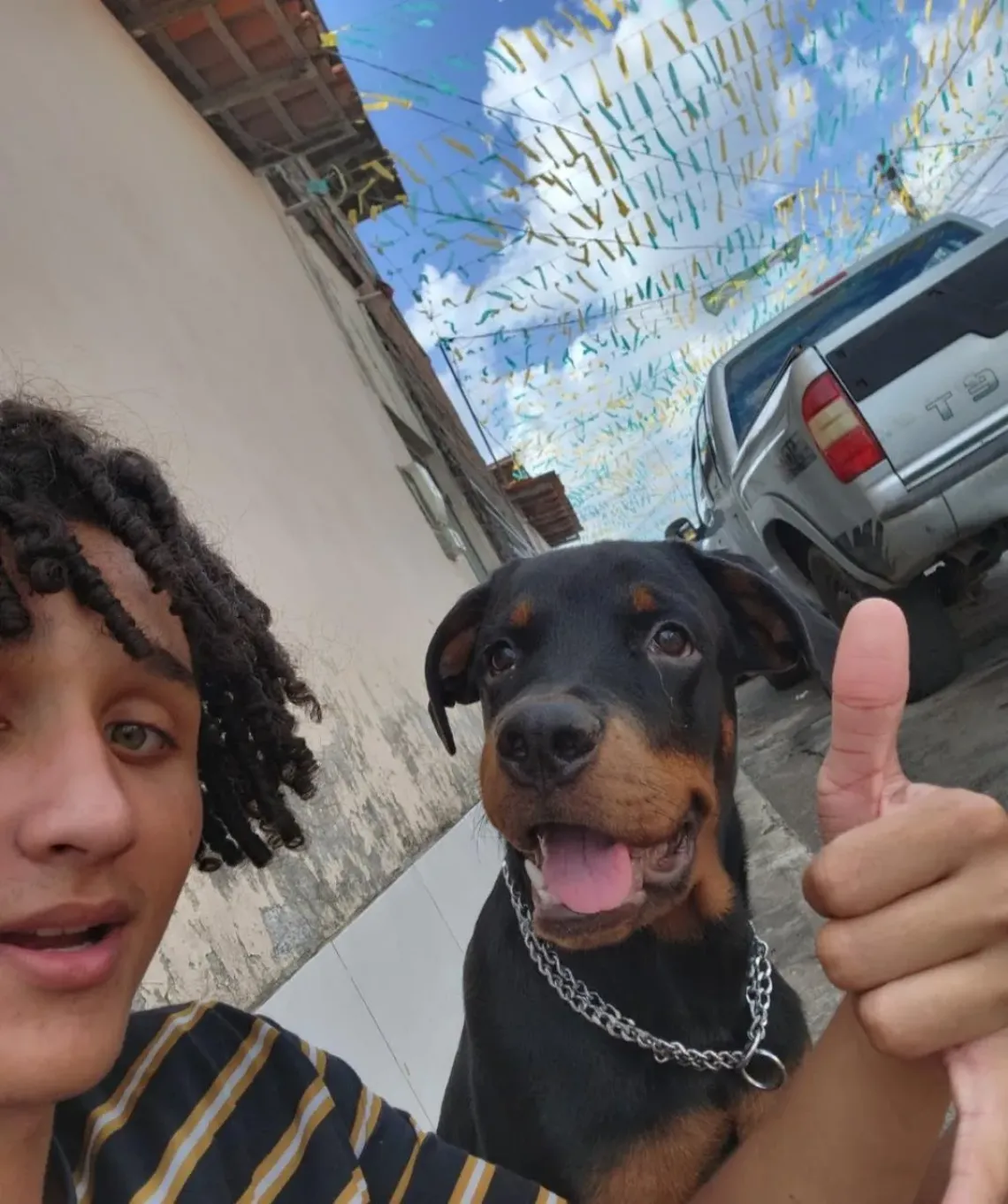
In the vibrant neighborhood of Anjo da Guarda on the outskirts of São Luís, Brazil, 18-year-old João is redefining what it means to him to be strong. Born and raised in a tight-knit family surrounded by siblings, dogs he calls “sisters,” and the comforting presence of his grandmother down the street, João has long balanced academic dreams with real-life obstacles. But it wasn’t until a school conference introduced him to a world he’d never considered - mental health- that things really began to shift.
“I used to think it was more important to take care of how I looked, like my hair and my body,” João says. “But I didn’t feel handsome. I didn’t realize that if I could take care of my mental health, I’d feel all the other things too.”
João first encountered the On My Mind podcast, produced by UNICEF in partnership with Spotify, during a mental health event organized at his school in 2023. He didn’t listen to it at the time as he didn’t feel the need to. However the initiative connected him to a national youth mental health conference in Brasília funded by UNICEF and Brazil’s Ministry of Health, and he was able to take his first ever trip by airplane to attend. It was João’s long-held dream to go on an airplane, but what he gained from the trip went far beyond the excitement of flying.
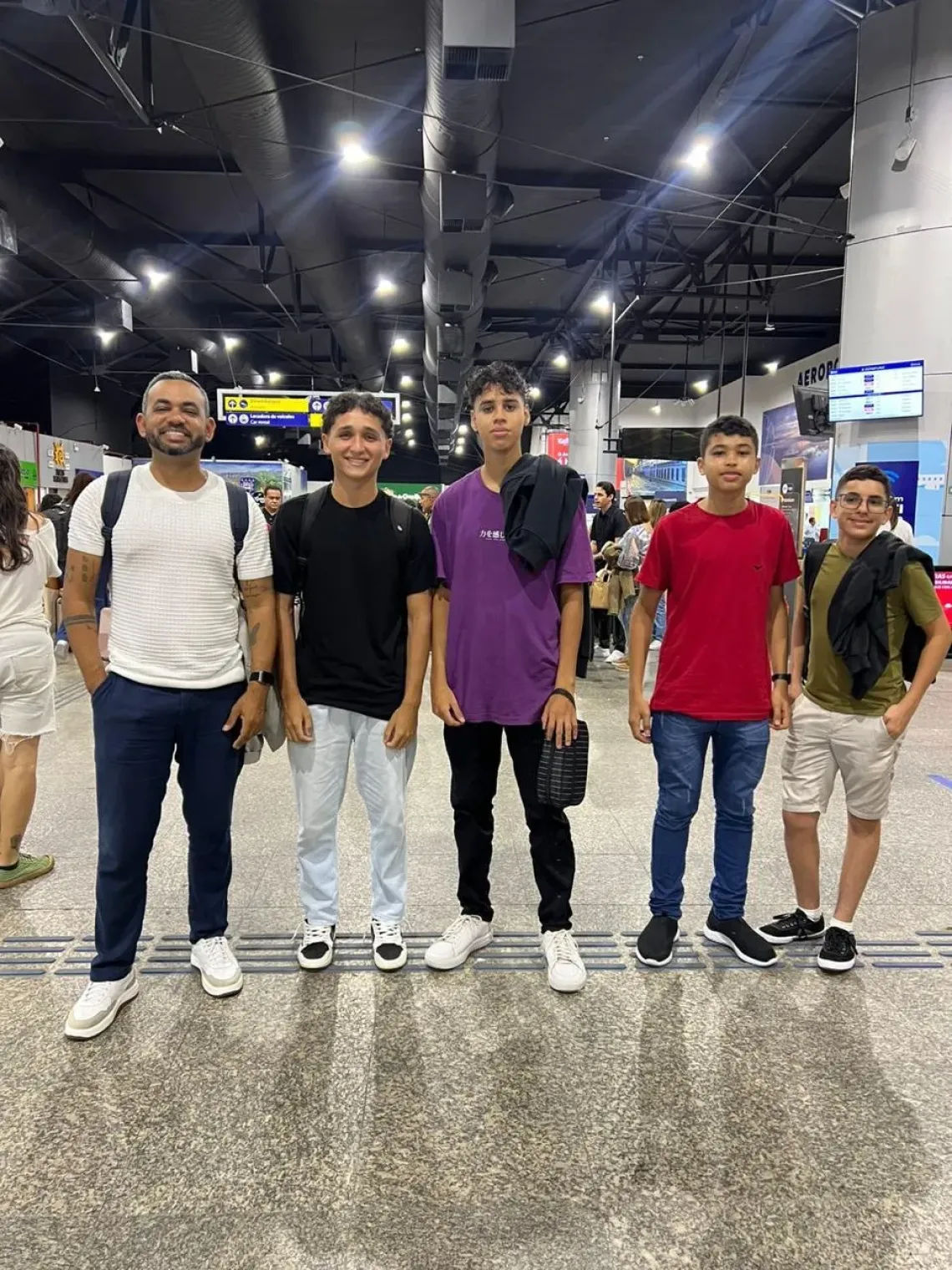
“It was my dream to travel by airplane,” João recalls, smiling, “But I realised something on that trip: the world is much bigger than I thought, and mental health is just as important as anything else in my life.” That realisation became the start of a personal transformation. Introduced once again to On My Mind by a UNICEF representative at the conference, João began listening, reluctantly at first. But then he heard the episode “Be Kind to Yourself”, and something clicked.
“I used to be really hard on myself,” he says. “Even when I studied all night and got a grade 8, I’d feel like a failure. But the podcast helped me realise I’m human. I’m not a machine.” Today, João balances preparing for university entrance exams with dreams of studying digital law or psychology. He fills his days with online classes, workouts, painting and podcasts. “The episode about dealing with difficult emotions really stuck with me too,” he says. “Sometimes I feel things I can’t even explain to my friends or a psychologist. But listening to the podcast, I feel understood.”
In João’s community, conversations about mental health are still often seen as taboo. “Some of my friends think it’s silly to go to a psychologist,” he explains. “But I tell them I go. My mum always encouraged me, even before I cared about it. She gets it because she works with young people too.” For many young people in underserved communities like João’s, access to formal mental health support is limited. “We don’t always have access to psychologists,” he says.
“So we talk to each other. We play football, we go to the gym, we paint, we listen to music and podcasts—those are our release valves.”
João believes On My Mind plays a vital role in giving young people a release valve. “It’s easy to understand, it’s like a conversation,” he says. “And that’s important for those of us who don’t have access to scientific language or mental health resources.”
He also has suggestions for how to make the podcast even more accessible and relatable: “More people would listen if it wasn’t only on Spotify,” he notes, citing the misconception that the app requires payment to be able to listen to the podcast. He also advocates for episodes on themes like masculinity and the pressures of transitioning into adulthood: issues that many young people, especially young men like himself, are quietly navigating.
“Doing good things makes you feel good,” João says. “The podcast motivated me to become a better person, for myself and for my community.” And with a grin, he adds, “I’d definitely recommend it to my friends. Even though we all have different stories, we have similar problems. This podcast helps.”