A Shocking Realization
What a disappointing and sad reality! Despite my enthusiasm for promoting healthy nutrition from childhood, I always believed malnutrition was solely a result of poverty. Growing up in a rural community, I often saw malnutrition affecting only the poorest families. However, during my first clinical placement in a hospital after joining university, I encountered a severely malnourished child from a wealthy family. This was something I had never imagined before.
This experience was eye-opening—it made me realize that malnutrition is not only linked to poverty and other social, economic, and political issues, but mainly to a lack of awareness about proper nutrition, regardless of financial status. My colleagues and I, who had similar misconceptions, felt a deep sense of responsibility to drive change in our community. Determined to make a difference, we co-founded the HEZA Initiative, a youth-led organization dedicated to promoting access to nutrition education, awareness raising of balanced diets, and sustainable agriculture.

The Challenges of Advocacy
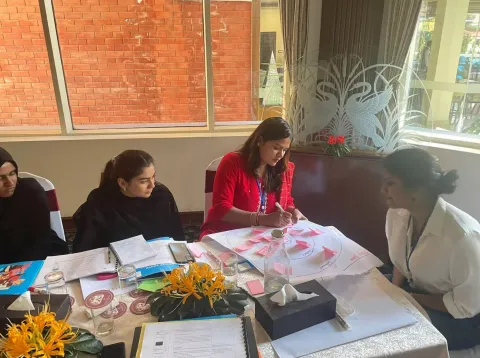
Like many young people striving to transform their communities, we faced numerous challenges: finding like-minded peers, knowing where to begin, and lacking the skills to effectively communicate our cause and engage stakeholders. Fortunately, I had the opportunity to participate in the Youth-led Action training, that brought together young advocates with distinguished advocacy issues from across the country to enhance their capacity to address critical issues through advocacy.
During this training, I acquired essential advocacy strategies, public speaking techniques, and effective communication skills. These skills improved my ability to network, engage stakeholders, pitch ideas, and craft compelling narratives for diverse audiences. Beyond the knowledge gained, the training expanded my network. We, as participants, learned from each other, exchanged ideas, shared experiences, and motivated one another.

Building a Stronger Advocacy Network
Beyond the training, we recognized the need to stay connected and amplify our work together. As a result, we established the Youth Advocates Network (YAN)—a platform for young advocates, youth-led organizations, and associations to unite and amplify their voices. Through YAN, we maintain daily communication, share ideas and opportunities, and support each other’s advocacy efforts. This network has significantly strengthened our work and continues to fuel our commitment to creating change.
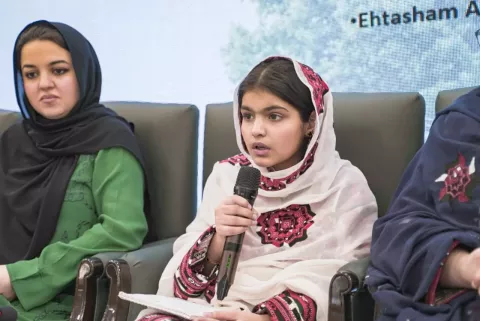
The training also equipped me with the confidence and expertise to engage with decision-makers, media outlets, and community leaders. One remarkable opportunity during the training was meeting UNICEF staff, where I pitched my organization’s "One Egg per Child per Day" campaign. This initiative promotes social behavior change and ensures children receive essential nutrients through egg consumption.
Eggs are a superfood—rich in high-quality protein, essential vitamins, and minerals like choline, which supports brain development and function. They also boost immunity, making them especially beneficial for immune-compromised individuals. Additionally, eggs are crucial for those with non-communicable diseases, as they provide a balanced source of nutrition. Recognizing their value, we launched the "One Egg per Patient" initiative in collaboration with Elekta Foundation and ACREOL.
Thanks to the support of UNICEF Rwanda, HEZA successfully implemented the One Egg per Child per Day campaign. Under this initiative, 50 teen mothers were provided with hens to ensure their children had a sustainable source of eggs. Additionally, children were fed eggs on-site, reinforcing the importance of proper nutrition.


Expanding Impact Through World Nutrition Day
Building on this success, I used the gained skills to organize Rwanda’s first-ever World Nutrition Day event in 2023. This event brought together key stakeholders, including UNICEF Rwanda, FAO, and the National Child Development Agency. During the celebration, 2,500 eggs were distributed and fed to children on-site, while 20 families received 30 eggs each, ensuring a month's worth of nutritious meals for their children.
Currently, HEZA is partnering with All Good Venture to establish an Egg Hub—an initiative designed to empower teen mothers with entrepreneurship skills. This program provides them with seed funding, hens, and advocacy support, helping them secure better futures for themselves and their children, who are at higher risk of malnutrition.

With much gratitude, the network of like-minded advocates provided me with the support and inspiration to propel my advocacy work forward. The YAG Training and resources have helped me refine my campaigns, reach wider audiences, and ultimately make a more significant impact on child nutrition. The journey continues, but YAG has been the catalyst that transformed my advocacy into a force for change.